Why I started Sauce Recipes Silk
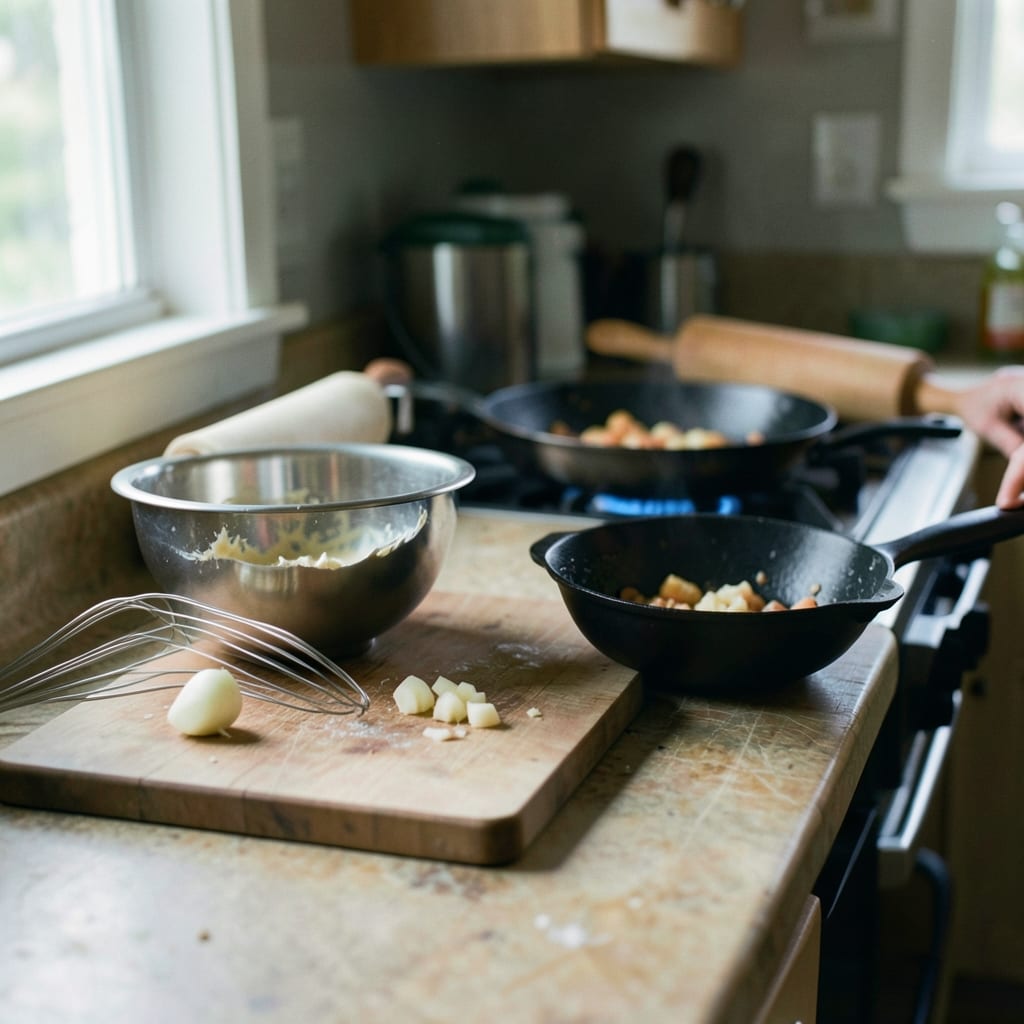
It was a rainy Tuesday in October, and I’d just burned the garlic in my grandmother’s cast-iron skillet for the third time that week.
The smoke alarm went off, the neighbours banged on the ceiling, and my mother—who had taught me that a sauce should sing, not scream—just sighed and said, *‘Some things need more than a recipe.
They need a story.’* I stood there with that blackened pan, and for the first time, I realised no one was writing down the *why* behind the *how*.
So I started *Sauce Recipes Silk*—a place where tradition doesn’t mean dusty cookbooks, and modern taste doesn’t mean forgetting where the flavours came from. This is for the people who want to know why a dish tastes like home, or why a twist on an old recipe still feels right.
No pretence, no shortcuts, just the kind of cooking that makes you pause and say, *‘That’s how it’s done.’*
Meet the founder

My mother’s hands were the first tools I ever trusted in a kitchen. She’d scold me for rushing the reduction, then hand me the wooden spoon and say, *‘Watch the bubbles—when they’re tiny, you’re golden.’* I still do that. Every time.
Even now, when I’m not actually making a reduction, I’ll catch myself staring at simmering pots, counting bubbles like they’re the only thing keeping me from disaster.
There’s a chipped enamel plate in my kitchen—one of the first things she gave me when I moved out. It’s got a crack down the middle, but I keep it on the counter because it’s the one I used to plate my first proper dinner for guests. (They ate it.
They survived. I did not.) The plate’s still there because some things shouldn’t be thrown away, even if they’re not perfect.
The failure that changed everything was a batch of homemade pasta that turned out more like chewy rope than fettuccine. I’d followed the recipe exactly—until I didn’t. The dough rested too long, the water wasn’t hot enough, and by the time I realised, it was too late.
That night, I rewrote every step from scratch, timing each fold, testing the texture at every stage. Now? No recipe here gets past that level of scrutiny.
I have a habit of humming while I cook. Not any old tune—it’s always the same folk song my grandmother used to sing when she was stirring her *salsa de tomate*.
I don’t even notice I’m doing it until someone mentions it, and then I’ll keep humming louder just to prove I’m not weird about it. (I am. But it’s a good weird.)
Meet the mascot

The first scribbles for what would become *Sauce Recipes Silk*’s mascot happened on a napkin at a café in Lisbon, where I’d gone to taste *pastéis de nata* and talk my mother into trying a new recipe for *bacalhau*.
The napkin was already stained with espresso, so I drew a wobbly line for a pot, a lopsided spoon, and what I *thought* was a flame—until my mother pointed out it looked more like a very angry cat. ‘Start again,’ she said. ‘But this time, make the cat useful.’
The proper drawn version took three tries. The first had the cat perched on a spoon like it was conducting an orchestra, the second had it tangled in the pot’s handle, and the third—after I’d burned the garlic *again*—ended up with the cat curled around the pot’s steam, looking smug.
That’s when I realised: the mascot wasn’t just a decoration. It was the little voice in the kitchen that says, *‘You’ve got this.’*
By the time it needed to fit on a browser tab, most of it had to go. The cat’s tail became a curl of steam, the pot’s handle turned into a single line, and the flame? Well, that angry cat was already the flame.
Now it just sits there, watching over every recipe, as if to say: *‘Yes, you *can* nail this.’* We call it *Mistura*—because in the end, that’s what cooking is: a little bit of chaos, a lot of patience, and one very opinionated feline.
What I promise you
This isn’t a place for empty promises or overcomplicated techniques. If I say a dish takes 45 minutes, it takes 45 minutes—not an hour and a half with ‘optional’ steps you’ll forget to skip. You’ll always know exactly what you’re getting into, and why.
What you can hold me to
- Every ingredient list is measured in what you actually use—not ‘a pinch’ or ‘to taste’ unless I’ve tested it a dozen times and know exactly how much ‘to taste’ means.
- If a recipe calls for a technique you’ve never tried (like a proper roux or a water bath), I’ll tell you why it matters and how to fix it if it goes wrong.
- No dish here is ‘foolproof’—but every one has a backup plan. If the sauce splits, the dough cracks, or the meat overcooks, you’ll know how to save it before you even start.
- The stories behind the recipes are real. I’ll never make up a memory or stretch the truth—because if you’re going to trust a recipe, you should trust the *why* behind it too.
How I create a recipe
A recipe here doesn’t start with a blank page or a fancy ingredient list.
It starts with a question—usually one someone else has asked me. *‘How do you get the perfect caramel without burning it?’* *‘What’s the secret to tender braised meat?’* Or sometimes, it’s just a flavour I can’t stop thinking about, like the first time I tasted *shiso* in a summer salad and knew I had to figure out how to use it properly.
That’s when the real work begins.
The first test: hands-on, no shortcuts
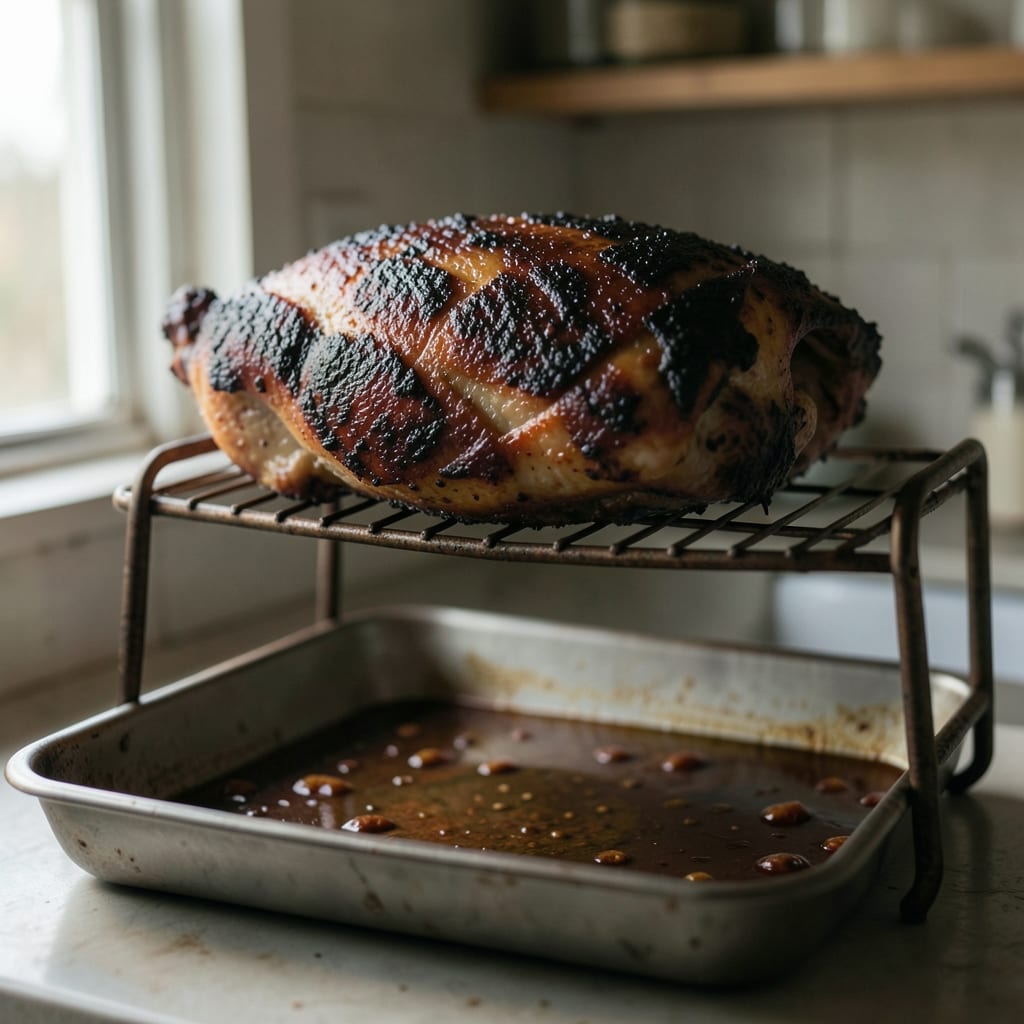
The first time I test a recipe, I do it like I’m teaching a beginner—no rushing, no skipping steps. If I’m making a sauce, I’ll simmer it for the full time, even if it means the kitchen gets hot enough to melt the paint.
I stir constantly, taste at every stage, and write down *exactly* what happens when I cut the heat too soon or let it boil over. (Spoiler: it’s never pretty.) The goal isn’t perfection on the first try—it’s knowing where everything can go wrong so I can tell you how to avoid it.
I watch three things like a hawk: the colour, the texture, and the smell. A good sauce should look glossy, not dull; a properly rested dough should spring back when you poke it, not stick to your finger.
And if something smells *off*—like burnt sugar or sour milk—it’s time to start over. No amount of tweaking later can fix a dish that’s already gone bad at the base. Trust your senses, or don’t trust the recipe.
The fix: when it’s not quite right
If the first test doesn’t work, I don’t scrap it. I adjust. Maybe the sauce needed more acid, or the crust required an extra five minutes in the oven. I’ll go back to the drawing board—sometimes literally, with a fresh napkin sketch—and figure out what went wrong.
Was it the timing? The temperature? The way I handled the ingredients? I’ll test again, and again, until it’s right. And if it still doesn’t work? I’ll tell you that too, because the best recipes aren’t just about success—they’re about learning from the messes.
How a page gets onto this site
While a dish is still warm, I jot down everything I can remember—what I did, what I saw, what I wished I’d done differently. That’s the raw notes, scribbled on whatever’s handy: a recipe card, the back of a takeout menu, once even a receipt.
Then I let it sit for a day. The next morning, I read it over with a critical eye: *‘Does this make sense?’ ‘Would this work for someone who’s never done this before?’* If a step feels shaky, I test it again.
If a story doesn’t land, I rewrite it until it does.
Some pages get rewritten months later because I’ve found a better way, or because a reader pointed out a mistake (thank you, always). Others stay exactly as they were because the first version *was* the best one.
But every single page here has been through the same process: tested, questioned, and refined—just like the recipes themselves.
Write to me
I love hearing about the dishes you’ve made, the recipes you’ve tweaked, or the stories behind the meals that matter to you. Did you nail that risotto on the first try? Did you burn the garlic like I did?
Did you find a way to make a classic dish your own? I’m always looking for new flavours to explore, new techniques to master, and new voices to add to the conversation.
If you’ve got a question, a tip, or just want to share what you’ve cooked up, head over to the contact page. Let’s talk—preferably with something warm in your hand.
The recipes are grouped by category: Appetizers, Beverages, Breakfast & Brunch, Desserts, Main Courses and Reviews.