
Sauces & Condiments
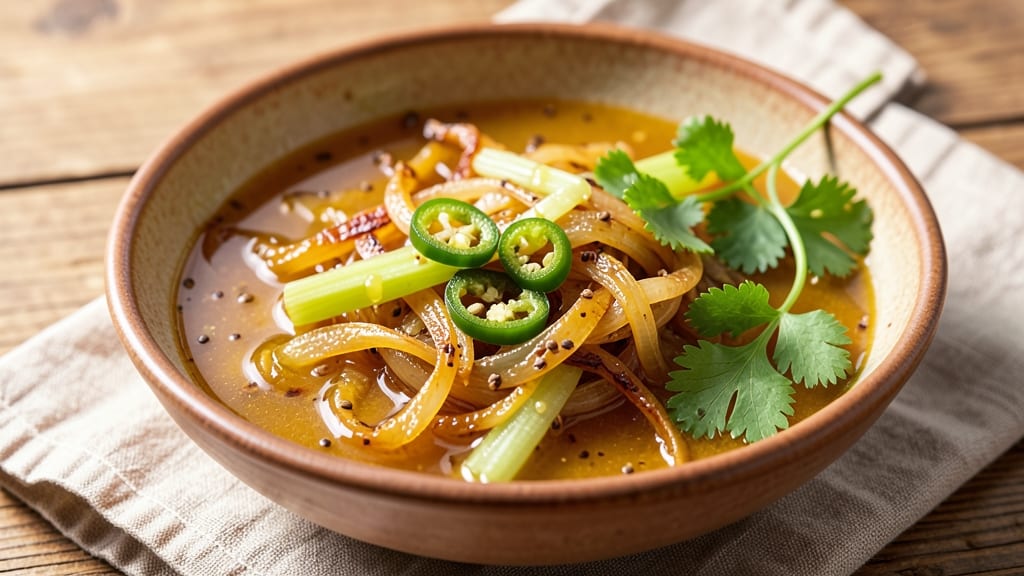
Achar sauce recipe transforms simple ingredients into a vibrant, tangy condiment that brings bold Indian flavors to any dish. This versatile sauce balances sweet, sour, and spicy notes, making it a game-changer for snacks, curries, or grilled meats. The secret lies in caramelizing onions and blending fresh vegetables with aromatic spices for a complex, layered taste.
The process is straightforward yet rewarding—sauté onions until golden, then mix in chopped celery, green chilies, and spices like cumin and mustard seeds. Add vinegar and sugar to create that signature tangy-sweet balance, then simmer until thickened. The result is a sauce that’s both restaurant-quality and easy to customize.
What sets this achar sauce apart is its versatility. Use it as a dip for chips, a topping for grilled chicken, or a flavor enhancer in curries.
The celery adds a refreshing crunch, while the spices deliver warmth. Perfect for meal prep, this sauce keeps well in the refrigerator for up to two weeks.
Experiment with variations like mango achar or tamarind achar to suit your taste. Whether you're a seasoned cook or a beginner, this recipe delivers bold, authentic flavors with minimal effort. Let’s get started!
Ingredients for achar sauce
Nine essential ingredients create this bold, tangy achar sauce with perfect celery crunch.
| Ingredient | Amount | Notes |
|---|---|---|
| Yellow Onions 🧅 | 2 whole | Thinly sliced for caramelization |
| Celery Stalks 🥬 | 3 whole | Chopped into small pieces |
| Green Chilies 🌶️ | 4 whole | Fresh serrano or jalapeño |
| Cumin Seeds 🌿 | 1 tbsp | Toasted lightly for aroma |
| Mustard Seeds 🌶️ | 1 tsp | Whole, not powdered |
| White Vinegar 🍶 | ½ cup | White or apple cider vinegar |
| Granulated Sugar 🍚 | ½ cup | Adjust for sweetness preference |
| Fresh Turmeric 🌿 | 1 tsp | Freshly grated or powdered |
| Asafoetida Powder 🌶️ | ¼ tsp | Optional for depth of flavor |
| Salt 🧂 | 1 tsp | Kosher or sea salt |
The onions are the foundation—caramelize them until deep golden brown for that sweet, jammy base. Yellow onions work best, but red onions add a touch of color if you prefer. For the celery, fresh stalks from the produce section give the best crunch, but frozen chopped celery in a pinch works too. Green chilies are non-negotiable for heat; serrano adds mild spice while jalapeño brings more kick. Toast the cumin seeds in a dry pan for 30 seconds before adding to the onions—this unlocks their nutty aroma. Mustard seeds? Whole, not powdered—Whole Foods or Indian grocery stores carry them if your regular market doesn’t.
No fresh turmeric? Ground turmeric at half the amount works, but fresh is brighter. Want to skip asafoetida? Extra pinch of black pepper adds depth instead. Vinegar choices matter—white vinegar is classic, but apple cider vinegar adds subtle sweetness. Sugar can be swapped for honey or jaggery, though the texture changes slightly. For extra tang, add 1 tsp lemon juice at the end. If you’re making this ahead, reduce the sugar slightly—flavors intensify over time.
This sauce thickens as it sits, so store it in a glass jar with a tight seal. Keeps for 2-3 weeks in the fridge, or 6 months if frozen in ice cube trays. For best texture, bring to room temperature before using. The celery stays crisp for about 5 days—after that, it softens but still adds flavor. Double the batch if you’re serving a crowd; it disappears fast with chips or grilled meats.
Why You'll Love This Recipe
- Pantry Magic: I swear by this—no fancy shopping list, just onions, celery, and spices I already have. Open the fridge, grab what’s there, and boom: flavor in 15 minutes.
- Spice Bomb Combo: That first crackle of mustard seeds and cumin? It’s like a party in your mouth. The green chilies add heat, but the onions and celery soften it into something addictive—sweet, tangy, and just spicy enough.
- Weeknight Superhero: Drizzle it over grilled chicken, toss it in rice, or slather it on sandwiches. Honestly, I’ve used it as a dip, a marinade, and even a wake-up call for bland salads. It’s the one sauce that never lets you down.
- No-Waste Winner: Between us, this sauce tastes better the next day. The flavors meld, and I’ve stretched a single batch into three meals. Plus, the ingredients are cheap—no grocery bill will cry over this.
Step-by-step instructions for achar sauce
This method delivers a perfectly balanced achar with deep caramelized flavors and vibrant crunch.
Caramelize the Onions and Celery
Heat a heavy-bottomed pan over medium-low heat and add the 2 whole yellow onions sliced thinly. Cook for 10-12 minutes until they turn golden brown and translucent, stirring occasionally. You'll notice the onions release moisture and then slowly evaporate, leaving behind a rich, sweet base.
Add the 3 whole celery stalks chopped into small pieces and cook for another 5 minutes until the celery softens and the mixture becomes fragrant. This step develops the foundational flavor profile—don't rush it. The onions should be deep golden brown with no raw edges remaining, and the celery should lose its crisp texture completely.
Toast the Spices and Add Chilies
Increase heat to medium and add the 1 tablespoon cumin seeds and 1 teaspoon mustard seeds. Toast for 30 seconds until they begin to sizzle and release their aroma. Immediately add the 4 whole green chilies chopped roughly and the 1 teaspoon fresh turmeric. Stir for 1 minute until the chilies soften slightly and the spices are evenly distributed.
Here's where the flavor really starts to develop. You'll smell the earthy aroma of the cumin and mustard seeds mingling with the sharp heat of the chilies. The turmeric adds a subtle earthiness that balances the heat. Keep the heat at medium to prevent burning the spices—you want them to infuse their flavor, not char.
Combine Wet Ingredients and Simmer
Pour in the ½ cup white vinegar and ½ cup granulated sugar all at once. Stir well to dissolve the sugar completely. The mixture will bubble vigorously—reduce heat to low and let it simmer for 10 minutes until the liquid reduces by half and becomes syrupy. You'll see the sauce thicken noticeably and develop a glossy sheen.
Add the ¼ teaspoon asafoetida powder and 1 teaspoon salt, stirring until fully dissolved. The asafoetida adds a unique umami depth that's characteristic of traditional achar. Taste the mixture now—it should be tangy, slightly sweet, and properly spicy. If it needs more heat, add a pinch of cayenne or extra chili powder. If it's too sweet, add a splash more vinegar.
Cool and Store Properly
Remove from heat and let the achar cool to room temperature. The cooling process allows the flavors to meld completely. Transfer to a clean, airtight jar and store in the refrigerator for up to 2 weeks. The flavors will continue developing as it sits, becoming more complex with each passing day.
For best results, bring the sauce to room temperature before serving. The texture should be thick and syrupy with visible chunks of caramelized onions and celery. Serve as a condiment with grilled meats, seafood, or as a tangy accompaniment to Indian street food. The balance of sweet, sour, and spicy flavors makes this versatile for any dish.
Pro Tips For Making Achar Sauce
- Bloom the Onions Slow: Low heat is your friend here—let those onions sweat for 5-7 minutes until they’re soft and translucent, not browned. I learned this the hard way when I rushed it and ended up with bitter, overcooked bits that ruined the whole sauce.
- Toast the Seeds Right: Mustard and cumin seeds need heat to pop properly—use medium-high and stir constantly for 30 seconds until they sizzle and darken slightly. Skip the high heat, and you’ll just end up with underwhelming flavor and wasted seeds.
- Slice Celery Thinly: No one likes chewy celery in their achar sauce. Cut the stalks into 1/8-inch slices (or pulse them finely in a food processor) so they cook down evenly and blend into the sauce instead of turning to mush.
- Balance the Heat Early: Taste the green chilies before adding them all—if they’re extra spicy, hold back a few or add a pinch of sugar to balance. I was skeptical until I tried it, and now I swear by it for a smoother, more complex sauce.
Essential equipment for achar sauce
Essential Cooking Tools
Start with a heavy-bottomed stainless steel pan—I swear by All-Clad or Calphalon—to caramelize onions evenly without burning. A wooden spoon prevents scratching while stirring the delicate onion mixture.
For precision, grab a fine-mesh strainer if you prefer smoother texture, though I love the chunky texture from whole ingredients. 🔥
Spice Toasting Kit
Toast whole spices like cumin and mustard seeds in a small cast-iron skillet—they hold heat better than nonstick. I use a handheld spice grinder for freshly ground spices, but a mortar and pestle works too for traditional texture.
Keep a small bowl nearby to catch any stray seeds during toasting. This setup ensures maximum aroma extraction.
Measuring Essentials
Use a digital kitchen scale for precise measurements of sugar and vinegar—this sauce relies on exact ratios. A fine-mesh sieve helps strain any unwanted bits if you prefer a smoother consistency. For vinegar, I recommend a glass measuring cup to monitor reduction accurately during simmering. 🌡️
Storage Containers
Transfer finished achar to amber glass jars with airtight lids—I love Le Parfait or Ball jars for their durability. These preserve flavors better than plastic and block light, which can degrade vinegar over time.
Label jars with dates using a permanent marker to track freshness. The glass also makes it easy to see the beautiful caramelized chunks.
Optional Gadgets
For extra convenience, a blender or immersion blender lets you adjust texture on the fly—pulse for chunky or blend smooth. I keep small silicone spatulas handy for scraping every last bit of sauce from the pan.
A fine-mesh tamis sieve (if you have one) helps strain while keeping the good bits. These tools elevate the process without being mandatory.
Nutrition facts
Frequently asked questions
What's the best way to adjust the spice level in this achar sauce?
Start by controlling the green chilies—use 2-3 serranos for mild heat or 4-5 jalapeños for medium spice. For extra kick, add ½ teaspoon cayenne powder or 1 sliced fresh red chili at the end. If you prefer less heat, reduce chilies to 2-3 and omit cayenne. Always taste as you go!
Can I make this achar sauce without vinegar?
Yes, but the flavor will differ. Replace vinegar with ½ cup lemon juice for brightness or ¼ cup tamarind paste for a tangier, fruitier taste. The sauce will be less acidic but still delicious. For a fermented style, use ½ cup coconut vinegar instead. Adjust sugar to taste after substitution.
How do I prevent the achar from becoming too sweet?
Start with ¼ cup sugar instead of ½ cup, then taste after simmering. If it's too sweet, add 1-2 tablespoons more vinegar and simmer for 2-3 minutes to balance flavors. For a quicker fix, stir in 1 teaspoon lemon juice at the end. The key is patience—let it sit overnight before adjusting further.
What are the best ways to use leftover achar sauce?
Drizzle over grilled chicken or fish, mix into curry sauces, or use as a marinade for tofu or paneer. Stir into yogurt dips or spread on toasted bread with butter. For a quick snack, toss with roasted chickpeas or popcorn. It also elevates tacos or nachos with a tangy kick!
Why did my achar turn out too thin?
This usually happens if you didn't simmer long enough or used too much vinegar. Fix it by simmering uncovered for 5-10 more minutes until thickened. For instant results, mix 1 teaspoon cornstarch with 1 tablespoon water, stir in, and cook for 2 minutes. Always reduce heat to low when simmering—high heat can cause splattering.