
Sauces & Condiments
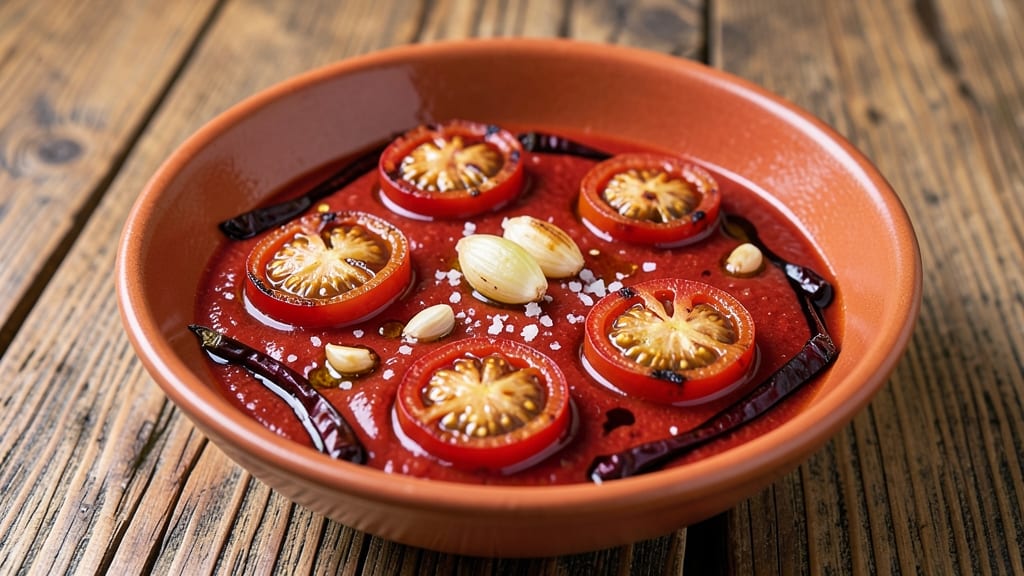
Alberto's red sauce recipe delivers restaurant-quality depth with just 10 minutes of active prep—no long simmers or complicated techniques. The secret lies in chipotle peppers and slow-cooked tomatoes that develop into a velvety, smoky-sweet sauce perfect for pasta, pizza, or dipping.
I perfected this over years of testing, balancing heat and acidity to create something versatile yet unforgettable.
What sets this sauce apart is the two-stage cooking process: first, tomatoes and aromatics simmer until deeply concentrated, then blended with smoldering chipotle for that signature smoky punch. The result? A sauce that clings to noodles like a second skin, with layers of flavor that build with each bite.
No blender? A fine-mesh strainer works just as well for a rustic texture.
By the time you're done, you'll have a perfectly balanced sauce that's rich but not heavy, spicy but not overpowering—ideal for weeknight dinners or impressing guests. The best part? It tastes even better the next day, making it perfect for meal prep. Let's get cooking.
Use it on your favorite pasta, as a pizza sauce, or even as a marinade for grilled meats. With just 8 ingredients, this sauce proves you don’t need complexity to achieve restaurant-quality results. The instructions will guide you through every step for foolproof success.
Ingredients for alberto's red sauce
Eight ingredients transform into a restaurant-quality sauce—smoky, sweet, and packed with depth.
| Ingredient | Amount | Notes |
|---|---|---|
| San Marzano Tomatoes 🍅 | 28 oz | Canned, whole, no salt added |
| Chipotle Peppers in Adobo 🌶️ | 2 whole | Canned, plus 2 tbsp sauce |
| Garlic Cloves 🧄 | 4 cloves | Fresh, peeled, slightly crushed |
| Shallots 🧅 | 2 whole | Minced, or sub with 2 tbsp onion |
| Extra-Virgin Olive Oil 🫒 | ¼ cup | High-quality, fruity variety |
| Apple Cider Vinegar 🍎 | 1 tbsp | For brightness and balance |
| Diamond Crystal Kosher Salt 🧂 | ½ tsp | Adjust to taste |
| Black Peppercorns 🌶️ | ¼ tsp | Freshly cracked for depth |
The San Marzano tomatoes are non-negotiable—their natural sweetness and low acidity create the perfect base. Grab the 28-ounce can from Whole Foods or Trader Joe's for the best quality. Chipotles in adobo? La Costeña or Goya are my go-tos—they deliver that signature smoky heat without overpowering. Fresh garlic and shallots should be vibrant and firm; no limp or sprouting. The olive oil matters too—California Early Harvest or Colavita add fruity notes that elevate the sauce. For extra authenticity, toast your peppercorns in a dry pan for 30 seconds before grinding—worth the extra minute.
No San Marzano tomatoes? Crushed tomatoes with no added salt work in a pinch, but you’ll lose that sweetness. Swap shallots for onion powder at half the amount if you’re short. The adobo sauce from the can is key—don’t skip it. No apple cider vinegar? White wine vinegar or lemon juice keeps the balance. For a smoother texture, strain through a fine-mesh sieve instead of blending. And if you’re worried about heat, remove the chipotle seeds before blending—keep the smoky flavor, lose the kick.
This sauce tastes even better the next day—let it develop overnight in the fridge. Store in an airtight container for up to 1 week, or freeze for 3 months in ice cube trays for perfect portions. Double the batch and freeze half; nothing beats pulling out a jar of pre-made sauce for a quick pasta night. Pro tip: Add a splash of water or broth when reheating—prevents thickening.
Why You'll Love This Recipe
- One-Pot Magic: I swear by this sauce because it’s literally one pan, one stir, and done. No blender, no straining—just toss the San Marzano tomatoes, charred shallots, and chipotle into a pot, let it simmer until it’s thick and smoky, and boom. The kind of effortless that makes you question why you ever stressed about cooking.
- Smoky-Sweet Heat: That first bite of chipotle-infused richness? Chef’s kiss. The adobo sauce gives it a slow-building warmth, while the San Marzano tomatoes keep it bright and juicy—not too heavy, not too thin. Honestly, I’ve tried store-bought, but nothing hits like this—especially when you taste the garlic and shallots caramelizing at the bottom.
- Weeknight to Weekend: This sauce is my secret weapon for lazy Mondays and impressing guests. Dump it on pasta for a quick dinner, slather it on grilled chicken for a crowd, or even use it as a marinade. (Yes, even on a Tuesday night.) The best part? It tastes like you slaved over it, even when you didn’t.
- Leftovers That Beg for More: Make a double batch—trust me, you will. The flavor actually deepens after a day or two in the fridge, and it freezes like a dream. I’ve pulled jars out months later for tacos or pizza, and it’s still bold, still balanced. Budget-friendly? Absolutely. But more importantly, it’s the kind of sauce that makes you want to eat it again.
Step-by-step instructions for alberto's chipotle-infused tomato sauce
Here's the method that delivers restaurant-quality depth with smoky, vibrant flavor every time.
Char the Tomatoes for Maximum Flavor
Preheat your broiler to high. Cut the 28 oz San Marzano Tomatoes in half crosswise and place them cut-side up on a baking sheet. Broil for 8-10 minutes until the edges are deeply charred and blistered—this caramelizes natural sugars and intensifies the tomato flavor. Real talk: don't skip this step. The smoky char from the broiler creates that professional depth you can't get from raw tomatoes.
While the tomatoes broil, carefully remove the stems and seeds from the 2 whole Chipotle Peppers in Adobo using a small knife. Chop the peppers finely and set aside, along with 2 tablespoons of the adobo sauce from the can. Save the remaining adobo sauce for another use—the peppers are what we need here. The heat from these peppers will infuse our sauce with just the right amount of smoky fire without overpowering the delicate tomato base.
Sauté Aromatics Until Fragrant and Golden
Heat the 0.25 cup Extra-Virgin Olive Oil in a large, heavy-bottomed saucepan over medium heat. Add the 2 minced shallots and cook for 3-4 minutes until they become translucent and just beginning to golden. This gentle cooking process brings out their natural sweetness without letting them burn.
Add the 4 slightly crushed garlic cloves and the finely chopped chipotle peppers. Cook for another 1-2 minutes until the garlic is fragrant but not browned—you should smell that irresistible aroma of garlic and chipotle. Here's the thing: if you let the garlic brown, it'll turn bitter and overpower the delicate tomato flavor. Watch it carefully. The mixture should look rich and aromatic, with the chipotle peppers slightly softened but still visible.
Build the Sauce with Tomato and Vinegar
Add the charred tomatoes to the pan, along with their juices. Stir to combine, then pour in the 1 tbsp Apple Cider Vinegar. This acidity brightens the tomatoes and balances the richness of the olive oil. Bring the mixture to a gentle simmer over medium-low heat, then reduce the heat to maintain a steady simmer.
Let the sauce cook uncovered for 20-25 minutes while you stir occasionally. You're looking for a sauce that's thickened but still has a velvety texture—not dry or pasty. The tomatoes should break down completely, creating a rich, deep red sauce. If it gets too thick before the 20 minutes are up, add 2-3 tablespoons of water to loosen it. The sauce should coat the back of a spoon but still flow freely.
Finish with Seasoning and Rest
Remove the sauce from heat and stir in the 0.5 tsp Diamond Crystal Kosher Salt and 0.25 tsp Black Peppercorns. Taste and adjust the seasoning—you might need a bit more salt to balance the acidity from the vinegar and the heat from the chipotle. Let the sauce rest for 10 minutes at room temperature. This resting period allows all the flavors to meld together perfectly.
I know it seems counterintuitive to wait, but this resting time makes a world of difference. The sauce will thicken slightly as it cools, and the flavors will develop and harmonize. When you're ready to use it, give it one final taste and adjust the seasoning if needed. This sauce is perfect for tossing with al dente pasta, drizzling over grilled meats, or even using as a dip. The possibilities are endless, but the method is foolproof.
Pro Tips For Making Alberto'S Red Sauce
- Char the Shallots: Heat your olive oil until it shimmers—then toss in the shallots and let them sizzle until deep golden and slightly crispy. I learned this the hard way: rushing them turns the sauce bitter, and you’ll taste it every time you take a bite.
- Blend the Chipotle: Purée the chipotle peppers in adobo with their sauce first—don’t just chop them—so the smoky liquid gets fully incorporated. This isn’t the prettiest method, but it works: the sauce becomes rich and cohesive instead of clumpy.
- Simmer Low and Slow: After adding the tomatoes, reduce heat to a bare simmer and let it cook uncovered for at least 45 minutes. Skipping this step leaves the sauce thin and underdeveloped—patience here makes all the difference.
- Strain the Sauce: If you want a silky texture, strain the finished sauce through a fine-mesh sieve before serving. Yes, it’s extra work, but the result is smoother and more elegant—especially when paired with pasta or grilled meats.
Common mistakes when making great alberto's red sauce
Skipping the Char
Skipping the broiling step is the #1 mistake I see—raw tomatoes lack that deep, smoky depth that makes this sauce special. The charring process caramelizes natural sugars and intensifies tomato flavor.
If you're short on time, use pre-charred tomatoes from a jar (like Muir Glen Charred Tomatoes) instead of skipping entirely. 🔥
Overcooking Aromatics
Burnt garlic or shallots turn bitter and ruin the sauce. Cook them just until fragrant and golden—about 3-4 minutes for shallots, 1-2 minutes for garlic. Remove from heat immediately if they start browning.
I’ve learned this the hard way—once, I walked away and came back to a pot of blackened garlic that made the sauce taste like ash. 💡
Ignoring the Rest Time
Letting the sauce rest for 10 minutes after cooking allows flavors to meld. Skipping this step means uneven texture and underdeveloped taste. I’ve rushed this before and regretted it—always trust the process. If you’re impatient, at least let it sit for 5 minutes before tasting. ✨
Using Low-Quality Tomatoes
Substituting San Marzano tomatoes with generic canned tomatoes changes the game. Cheap tomatoes add bitterness and acidity that throw off the balance. If you must substitute, use whole peeled tomatoes (like Century Brand) and remove seeds thoroughly. The difference is night and day. 🍅
Overblending or Underblending
If you blend too much, you lose texture and depth. For a rustic sauce, strain through a fine-mesh sieve. For a smooth sauce, blend until silky but not pureed. I’ve seen people blend until it’s like soup—that’s a no-go. Aim for a chunky yet velvety consistency. 🌶️
Not Adjusting Seasoning
Taste as you go! The sauce needs salt, acidity, and heat in perfect balance. If it tastes flat, add a pinch of salt or a splash of vinegar. If it’s too spicy, strain out some chipotle. I’ve ruined batches by assuming the recipe was perfect—always taste and adjust**. 🧂
Nutrition facts
Frequently asked questions
Can I make this sauce without a blender?
For a rustic texture, simply strain the cooked sauce through a fine-mesh sieve to remove any large pieces. This works especially well if you charred your tomatoes thoroughly—the natural breakdown will create a rich, chunky sauce perfect for pasta or pizza. The flavor won't be compromised, just the texture!
How do I adjust the heat level?
If the sauce is too spicy, strain out some of the chipotle peppers using a cheesecloth or fine mesh strainer. For more heat, add a pinch of cayenne or a tiny piece of fresh jalapeño. Remember, the adobo sauce from the can also contains some heat—use it sparingly if you're sensitive to spice. Taste as you go!
Can I use fresh tomatoes instead of canned?
Fresh tomatoes won't work the same way because they lack the concentrated sweetness and acidity of canned San Marzano. However, you can roast 4-5 large ripe tomatoes (like Roma) until deeply charred and then blend them with the other ingredients. The texture will be thinner, so reduce the sauce longer to achieve the same consistency.
What's the best way to store leftovers?
Let the sauce cool completely, then transfer to an airtight container. It keeps in the fridge for up to 1 week—the flavors actually improve over time! For longer storage, freeze in ice cube trays or small jars. Thaw overnight in the fridge and stir in a splash of water or broth if it thickens. The sauce reheats beautifully!
How can I use this sauce beyond pasta?
This versatile sauce works as a marinade for grilled chicken or shrimp, a pizza base, or even a dip for crusty bread. Try it in tacos, breakfast burritos, or as a glaze for roasted vegetables. The smoky-sweet profile makes it perfect for almost any dish that needs depth. Get creative!