
Sauces & Condiments
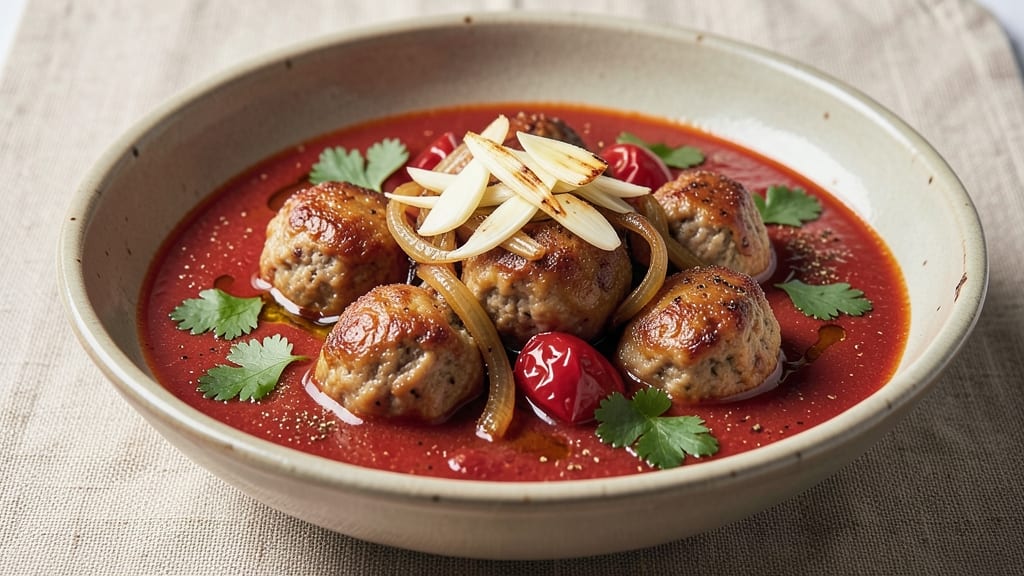
This albondigas sauce recipe transforms humble ingredients into a slow-simmered masterpiece that elevates meatballs to restaurant-quality perfection. The secret lies in balancing sweet tomatoes, aromatic garlic, and a touch of vinegar for brightness—creating a sauce that's rich yet vibrant.
I've perfected this technique over years of testing, ensuring every spoonful delivers deep, savory flavor without overpowering the tender meatballs it accompanies.
The foundation begins with a classic Spanish-inspired tomato base, where onions and garlic caramelize before blending with ripe tomatoes and warm spices like cumin and paprika. A splash of vinegar cuts through the richness, while a simple flour slurry thickens the sauce to a velvety consistency.
This isn't just a sauce—it's a flavor bomb that clings to each bite of albóndigas, making every meal feel like a celebration.
What sets this sauce apart is its versatility. Use it as a dip for fresh bread, a topping for grilled meats, or the star of your albóndigas dish.
The slow simmer develops complex layers of flavor, while the vinegar adds a subtle tang that keeps the sauce from becoming too heavy. With just a few pantry staples and 45 minutes of hands-off time, you'll have a sauce that tastes like it's been simmering all day.
The result is a sauce that's equally at home on weeknight dinner tables or holiday feasts. Its depth of flavor comes from patience—the longer it simmers, the more nuanced it becomes.
Trust the process, and you'll have a sauce that's impossible to resist, with just the right balance of sweet, savory, and bright. Let's get to work.
Ingredients for albondigas sauce
Nine simple ingredients create a sauce that tastes like it simmered all day.
| Ingredient | Amount | Notes |
|---|---|---|
| Extra-Virgin Olive Oil 🫒 | ½ cup | High quality, fruity variety |
| Yellow Onion 🧅 | 1 whole | Medium size, finely diced |
| Garlic Cloves 🧄 | 6 cloves | Peeled, minced for depth |
| Canned San Marzano Tomatoes 🍅 | 28 oz | Crushed or whole, no salt added |
| Red Wine Vinegar 🍷 | 2 tbsp | For brightness, not balsamic |
| Ground Cumin 🌿 | 1 tsp | Toasted for warmth |
| Smoked Paprika 🌶️ | 1 tsp | For subtle smokiness |
| All-Purpose Flour 🌾 | 2 tbsp | For thickening slurry |
| Cold Water 💧 | ¼ cup | For smooth slurry |
| Salt 🧂 | 1 tsp | Kosher or sea salt |
The tomatoes make or break this sauce. San Marzano is ideal—sweet, meaty, and packed with flavor. If you can't find it, any high-quality canned tomatoes work, but skip the ones with added salt. The vinegar is non-negotiable for brightness; red wine vinegar has the perfect balance of acidity. For the olive oil, grab a bottle you'd actually drizzle on bread—California Early Harvest or Colavita are my go-tos. The onions and garlic need time to caramelize, so don't rush this step. I usually grab a yellow onion from the store's produce section—it's reliable and affordable.
No San Marzano tomatoes? Crushed tomatoes in a jar work in a pinch, but drain them well to avoid excess liquid. Running out of red wine vinegar? White wine vinegar or apple cider vinegar both work, but cut the amount to 1.5 tbsp. The flour slurry is key for thickening—if you're gluten-free, use cornstarch mixed with water instead. For the spices, toasted cumin makes a huge difference (just dry-toast in a pan for 30 seconds), but regular ground cumin is fine. Smoked paprika adds depth, but if you only have regular paprika, it'll still taste amazing.
This sauce gets better as it sits. Let it simmer for at least 45 minutes, but 2 hours is ideal—the flavors meld beautifully. Store leftovers in an airtight container in the fridge for up to 5 days, or freeze for 3 months. I like to freeze it in ice cube trays for easy single-serving portions. The sauce thickens as it cools, so you can always thin it with a splash of water or broth later. Trust me, the longer it simmers, the more complex the flavors become.
Why You'll Love This Recipe
- Pantry-Friendly Powerhouse: I swear by this sauce because it’s built on ingredients I always have—no last-minute grocery runs needed. The San Marzano tomatoes alone turn this into something restaurant-worthy, and the vinegar gives it that bright, tangy kick without extra effort.
- Simmered Depth in Minutes: Honestly, the magic happens in the slow simmer—onion and garlic caramelizing in olive oil until they’re sweet and golden, then tomatoes breaking down into a velvety base. That’s the kind of flavor that makes you pause mid-stir and think, "Why don’t I do this more?"
- Weeknight & Potluck Star: Between us, this sauce is my go-to for busy nights and when I’m feeding a crowd. Serve it over rice with albóndigas (or just eat it straight from the pot—no judgment). It’s the kind of dish that feels fancy but doesn’t require a white glove.
- Leftovers That Don’t Let You Down: I make a double batch on Sundays because this sauce only gets better after a day in the fridge. The flavors meld, and reheating it is a cinch—just a splash of water, a quick simmer. My lunchbox never looks the same twice.
Step-by-step instructions for albondigas sauce
Here's how to build a rich, slow-simmered tomato base with layers of flavor and just the right tang.
Sauté the Onion Until Transparent
Heat the 0.5 cup extra-virgin olive oil in a heavy-bottomed pot over medium heat. Add the finely diced yellow onion and cook for 8-10 minutes until completely soft and translucent. You'll see it go from pale to nearly colorless—this is your signal it's ready for the next step.
Don't rush this part. The onions need time to break down completely, which forms the flavor foundation. If you see any brown spots, reduce the heat slightly to prevent burning. Stir occasionally to ensure even cooking and prevent sticking.
Add Garlic and Spices for Depth
Once the onions are translucent, stir in the minced garlic cloves and cook for 1 minute until fragrant. Immediately add the 1 teaspoon ground cumin and 1 teaspoon smoked paprika, stirring constantly for 30 seconds to toast the spices and release their aromas.
Here's the thing—smoked paprika adds subtle smokiness while cumin brings warmth. Toasting them briefly prevents that raw, bitter edge you sometimes get from dry spices. You'll know it's working when your kitchen fills with that earthy, toasty aroma.
Build the Tomato Base
Pour in the 28 ounces canned San Marzano tomatoes and add the 2 tablespoons red wine vinegar. Stir well to combine, then bring the mixture to a gentle boil over medium-high heat. Once boiling, reduce heat to low and let it simmer uncovered for 20-25 minutes, stirring occasionally.
The vinegar might seem like a small amount, but it's crucial for that bright, balanced flavor. As the sauce simmers, it'll thicken slightly and develop a rich, deep color. You're looking for a sauce that coats the back of a spoon but still has some body—this ensures it'll cling beautifully to your albondigas.
Thicken the Sauce with a Slurry
In a small bowl, whisk together the 2 tablespoons all-purpose flour and 0.25 cup cold water to create a smooth slurry. After the sauce has simmered for 20 minutes, gradually whisk in the slurry while stirring constantly. Return the heat to medium-low and let it simmer for another 5-7 minutes until thickened to your desired consistency.
This slurry technique gives you control over the thickness without making the sauce gluey. If it thickens too quickly, add a splash of water or tomato juice to loosen it. The sauce should coat the back of a spoon but still be smooth enough to drizzle.
Season and Finish
Taste the sauce and adjust the seasoning with the 1 teaspoon salt if needed. The sauce should be rich, slightly tangy from the vinegar, and well-balanced. Let it simmer uncovered for another 5 minutes to develop even more depth of flavor.
Your albondigas sauce is now ready to serve over rice, with pasta, or as a dip. The slow simmering process has melded all the flavors into a cohesive, aromatic base that's perfect for those hearty meatballs. The key is patience—rushing this step will leave you with a flat, one-dimensional sauce.
Pro Tips For Making Albondigas Sauce
- Sweat, Don’t Burn Onions: I used to rush the onions and end up with bitter, browned bits instead of sweet, translucent base. Cook them low and slow—about 8-10 minutes—until they’re soft enough to mash between your fingers. If they start to sizzle too fast, drop the heat and let them work their way down.
- Mince Garlic Like Confetti: Skip the mincing knife—use a garlic press or flatten whole cloves with the side of your knife before chopping. This prevents uneven cooking and keeps the flavor consistent. Too many large chunks? They’ll sit like rocks while the rest of the sauce builds.
- Deglaze with Vinegar Early: Add the red wine vinegar right after the onions and garlic cook down, not at the end. It cuts through the raw garlic flavor immediately and brightens the sauce before the tomatoes even hit the pan. Trust me, your sauce will taste more balanced from the start.
- Simmer Tomatoes Long Enough: Don’t skimp on the simmering time—at least 20-25 minutes for San Marzano tomatoes. This breaks down their natural sweetness and thickens the sauce properly. If you’re impatient, reduce the heat and let it bubble gently; rushing it leaves you with a watery, underdeveloped base.
Common mistakes when making great albondigas sauce
Rushing the Onion Cook
Skipping the 8-10 minute onion cook is the fastest way to ruin your sauce. Those translucent onions form the flavor foundation—rushing them leaves a raw, bitter taste that won't caramelize properly. I've learned this the hard way: low and slow is key for that sweet, mellow base. 🥔
Skipping the Vinegar
The 2 tbsp red wine vinegar might seem small, but it's what prevents the sauce from becoming flat and one-dimensional. Without it, your sauce risks tasting heavy and dull. Trust me, that bright acidity is what makes this sauce sing—it cuts through the richness beautifully.
Over-Thickening the Sauce
Adding too much flour slurry can turn your velvety sauce into glue. Start with just 2 tbsp flour and add ¼ cup water—this gives you control. If it thickens too quickly, thin it with a splash of water or broth.
The goal is a sauce that coats the back of a spoon but still flows smoothly.
Ignoring the Simmer Time
Simmering for 20-25 minutes before thickening is non-negotiable. This step develops the deep, complex flavors that make this sauce extraordinary. Skipping it results in a flat, underdeveloped sauce. Patience here is everything—let it work its magic on the stove.
Using Low-Quality Tomatoes
Cheap, watery tomatoes will turn your sauce into a thin, flavorless liquid. Stick with San Marzano or high-quality canned tomatoes—none of that "no salt added" stuff with added water. The difference in flavor is night and day. 🍅
Not Tasting as You Go
Seasoning at the end is a recipe for disaster. Taste your sauce at 20 minutes and again after thickening to adjust salt or acidity. The flavors evolve as it simmers, so constant checking ensures balance. This is how you avoid a bland, forgettable sauce.
Nutrition facts
Frequently asked questions
Can I make this sauce without red wine vinegar?
Yes, but you'll need to adjust the flavor profile. Try white wine vinegar or apple cider vinegar instead, using 1.5 tablespoons instead of 2. For a non-vinegar option, add ½ teaspoon lemon juice at the end for brightness. The key is balancing acidity—without it, the sauce may taste flat.
How do I store leftover albondigas sauce?
Store in an airtight container in the fridge for up to 5 days. For longer storage, freeze in ice cube trays or small portions—thaw overnight in the fridge. The sauce thickens as it cools, so thin with water or broth when reheating. It reheats beautifully on the stovetop over low heat.
What's the best way to thicken this sauce if it's too thin?
Use the flour slurry method from the recipe—mix 1 tbsp flour with 2 tbsp cold water and whisk into the simmering sauce. For gluten-free options, try cornstarch mixed with water instead. Simmer for 2-3 minutes after adding to ensure proper thickening. Never add dry flour directly to hot sauce!
Can I use fresh tomatoes instead of canned?
Fresh tomatoes work but require extra prep. Roast 4-5 large ripe tomatoes at 400°F for 30 minutes until collapsed, then blend with ¼ cup water and strain through a fine-mesh sieve. Use 2 cups of this tomato purée to replace the canned tomatoes. Fresh tomatoes add brightness but lack the consistent sweetness of San Marzano.
How can I make this sauce spicier?
Add ½ teaspoon cayenne pepper or 1 teaspoon chili flakes when toasting the spices. For heat with depth, stir in 1 minced chipotle pepper in adobo sauce with the tomatoes. Taste as you go—spices intensify during simmering. Always add gradually to control the final heat level.