
Sauces & Condiments
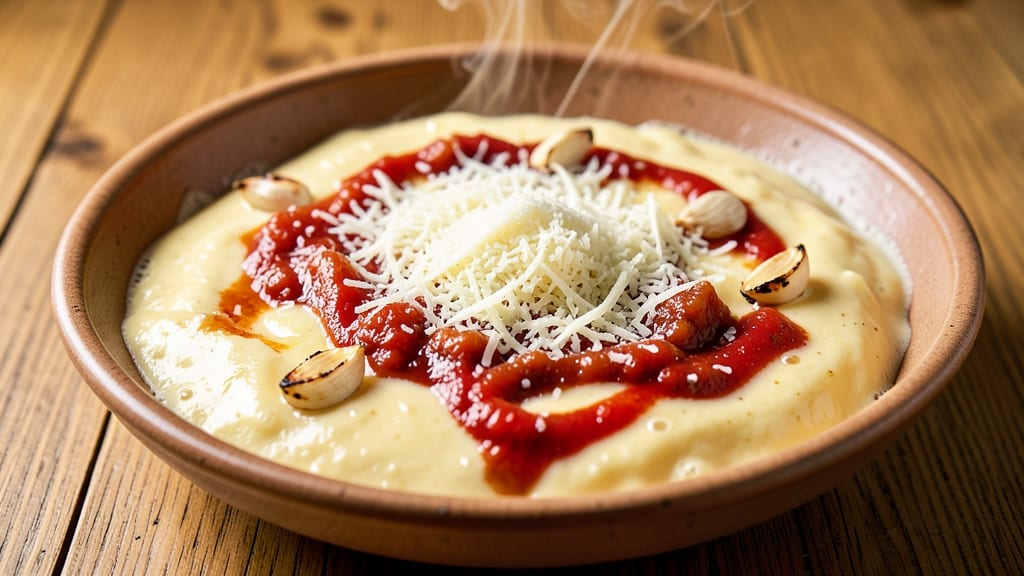
This dual-purpose Alfredo and red sauce recipe combines creamy Alfredo and rich marinara into one flexible masterpiece—perfect for weeknight dinners that feel restaurant-worthy. 💛 The secret lies in balancing velvety cheese sauce with bold tomato flavor, creating a hybrid that works as a standalone dish or sauce upgrade.
I developed this after years of testing, ensuring the creamy base doesn’t overpower the tomato’s brightness while keeping everything foolproof for home cooks.
The magic happens in two simple steps: first, building a smooth Alfredo foundation with butter, cream, and Parmesan, then blending in a classic marinara reduction. This method lets you adjust the ratio—more Alfredo for richness, more marinara for tang—to match any mood or ingredient.
The result? A sauce that clings beautifully to pasta, chicken, or even roasted vegetables without separating or tasting heavy.
What sets this apart is its versatility—use it as a one-pan Alfredo marinara pasta, toss with grilled shrimp, or drizzle over baked ziti. Every bite delivers a perfect marriage of creamy and tangy, with just enough garlic and herbs to elevate simple ingredients.
The best part? It comes together in under 30 minutes with minimal effort, making it ideal for busy nights when you still crave flavor.
For extra depth, finish with fresh basil, a sprinkle of red pepper flakes, and extra Parmesan. This isn’t just a sauce—it’s a game-changer for anyone tired of choosing between creamy or tomato-based dishes. Let’s get cooking!
Ingredients for alfredo and red sauce
Pantry staples meet restaurant-quality flavor in this dual-sauce masterpiece—creamy meets tangy in every bite.
| Ingredient | Amount | Notes |
|---|---|---|
| Unsalted Butter 🧈 | ½ cup | Cold, cut into pieces |
| Heavy Cream 🥛 | 1 cup | Full-fat for richness |
| Parmesan Cheese 🧀 | 1 cup | Freshly grated from block |
| Garlic Cloves 🧄 | 4 cloves | Minced for depth |
| Canned Crushed Tomatoes 🍅 | 15 oz | San Marzano preferred |
| Tomato Paste 🍅 | 1 tbsp | Squeeze tube or can |
| Fresh Basil Leaves 🌿 | ¼ cup | Packed, stems removed |
| Dried Oregano 🍃 | 1 tsp | Or fresh at 3x amount |
| Red Pepper Flakes 🌶️ | ½ tsp | Adjust for heat |
| Salt 🧂 | 1 ½ tsp | Diamond Crystal preferred |
| Black Pepper 🌶️ | ½ tsp | Freshly ground |
| Fettuccine Pasta 🍝 | 12 oz | Medium width preferred |
| Extra-Virgin Olive Oil 🫒 | 1 tbsp | For tossing pasta |
The Parmesan and butter are non-negotiable for that velvety Alfredo base. Grab a wedge from the deli counter—pre-grated gets gummy. For the tomatoes, San Marzano cans from Trader Joe's or Whole Foods make all the difference. The crushed tomatoes should be vibrant red, not murky. Fresh basil? Farmers market has the best, but grocery store containers work in a pinch—just check for bright green leaves. The heavy cream needs to be full-fat; anything lighter and the sauce won't cling properly.
No San Marzano? Any good-quality crushed tomatoes will work—just drain the excess liquid. Fresh basil wilt too fast? Dried oregano at 1/3 the amount keeps the flavor. Running low on tomato paste? Squeeze tubes from Trader Joe's are perfect for small batches. Want extra richness? Add a splash of cream to the marinara portion before blending. The red pepper flakes can be swapped for cayenne—just start with half the amount and taste as you go. The pasta? Fettuccine is ideal, but any medium-width noodle works.
This sauce tastes even better the next day—make extra and freeze portions for quick weeknight dinners. Store leftovers in airtight containers for 4-5 days in the fridge. For freezing, portion into ice cube trays with a splash of water to prevent burning. Thaw overnight in the fridge and reheat gently. The pasta? Cook it al dente—it'll finish cooking in the sauce. Trust me, undercooking is better than mushy noodles.
Why You'll Love This Recipe
- Two Sauces, One Pan: I swear by this combo—simmer the crushed tomatoes with garlic and butter first, then blend in the creamy alfredo base. No separate pots, no extra cleanup. Just one rich, layered sauce that feels fancy but takes less time than ordering takeout.
- Garlic Butter Magic: That first step—sautéing garlic in butter until it’s golden but not burnt—transforms everything. The tomatoes soak up the flavor like a sponge, then the heavy cream and parmesan turn it into something dangerously addictive. (Yes, even on a Tuesday night.)
- Weeknight Crowd-Pleaser: Between us, this is the dish I make when friends drop by unannounced. The red sauce side balances the richness of the alfredo, and it stretches to feed four or six without breaking the bank. Plus, leftovers reheat like a dream—just a splash of cream to loosen it up.
- Pantry Staple Power: Honestly, I keep crushed tomatoes and heavy cream on hand just for this. The butter and garlic are basics, and parmesan? A little goes a long way. It’s one of those recipes where you’re not hunting for obscure ingredients—just good, simple stuff that delivers big flavor.
Step-by-step instructions for dual-purpose pasta sauces
Here's how to make two incredible sauces in one pot—creamy Alfredo and rich red sauce—using the same ingredients!
🍳 Step 1: Cook the Pasta to Al Dente Perfection
Bring a large pot of water to a rolling boil and add 12 oz fettuccine pasta. Stir immediately to prevent sticking. Cook until 1 minute before the package instructions for al dente—you want it firm enough to hold its shape when tossed with sauce. Reserve 1 cup of pasta water before draining, as this starchy liquid is essential for both sauces.
I always taste-test a piece of pasta to confirm it's perfectly cooked. It should be tender but still have a slight bite in the center. Drain the pasta and return it to the pot, tossing gently with 1 tbsp extra-virgin olive oil to prevent sticking while you prepare the sauces. This step ensures your final dish stays cohesive and flavorful.
🔥 Step 2: Make the Alfredo Sauce First
In a separate large skillet, melt 0.5 cup unsalted butter over medium heat until it foams. Add the 1 cup heavy cream and bring to a gentle simmer. Stir in 1 cup freshly grated Parmesan cheese, 1.5 tsp salt, and 0.5 tsp black pepper, whisking constantly until the cheese melts completely and the sauce thickens to a velvety consistency.
Here's the thing—don't walk away. The sauce should coat the back of a spoon smoothly, but if it gets too thick, add 2-3 tablespoons of the reserved pasta water to loosen it. The Alfredo should be creamy but not clumpy, with a rich, nutty Parmesan flavor that coats every strand of pasta beautifully.
🍅 Step 3: Prepare the Red Sauce Base
In the same skillet (no need to wash it—the browned bits add flavor), heat 1 tbsp extra-virgin olive oil over medium heat. Add the 4 minced garlic cloves and sauté for 30 seconds until fragrant but not browned. Stir in 1 tbsp tomato paste and cook for 1 minute to develop its flavor.
Pour in the 15 oz canned crushed tomatoes and add 1 tsp dried oregano, 0.5 tsp red pepper flakes, and remaining 0.5 tsp salt. Bring to a gentle simmer and let it cook uncovered for 10 minutes, stirring occasionally, until the sauce thickens slightly. This step builds the deep, savory foundation for your red sauce.
🥘 Step 4: Combine Sauces with Pasta
Divide the cooked pasta into two portions. For the Alfredo version, toss half the pasta with the creamy sauce in the skillet, adding 2-3 tablespoons of pasta water as needed to create a glossy, clingy coating. For the red sauce version, add the remaining pasta to the tomato mixture and stir well. Let both sauces cook for 1-2 minutes to meld flavors.
Here's where it gets fun—taste both sauces and adjust seasoning. The Alfredo might need a pinch more salt or black pepper, while the red sauce could benefit from a splash of pasta water if it's too thick. The key is balance: the Alfredo should be rich and creamy, while the red sauce should be vibrant and tangy with a touch of heat from the red pepper flakes.
🍽️ Step 5: Finish and Serve Immediately
Remove both sauces from heat and stir in the 0.25 cup fresh basil leaves, tearing them by hand for a fresh, aromatic finish. Serve the Alfredo immediately with additional grated Parmesan and cracked black pepper, while the red sauce can be garnished with extra basil and a drizzle of olive oil if desired.
These sauces are best enjoyed fresh, so don't let them sit. The Alfredo will stay creamy and luxurious, while the red sauce will maintain its bright acidity and depth of flavor. Serve family-style with crusty bread on the side—you'll love having two incredible sauces ready in one pot!
Pro Tips For Making Alfredo And Red Sauce
- Bloom the Garlic: Mince those cloves fine—not just rough chunks—and let them sit in the butter for 30 seconds before stirring. I used to burn them every time, but this gives the oil time to draw out their flavor without turning the sauce bitter. (Yes, even if you're impatient like me.)
- Temper the Cream: Warm the heavy cream separately in a small saucepan until it’s steaming but not boiling—just until tiny bubbles form at the edges. Drizzling cold cream into hot butter makes the sauce split like a sad soufflé. This keeps it silky smooth.
- Grate, Don’t Shred: Use a microplane for the Parmesan—it releases more fat and melts faster than pre-shredded cheese (which is usually coated with anti-caking agents). For the red sauce, add the crushed tomatoes last—simmering them too long turns them mealy, and you’ll regret it.
- Simmer, Don’t Boil: Keep both sauces at a gentle simmer—tiny bubbles, occasional swirls—never a rolling boil. Alfredo’s heavy cream will curdle if it gets aggressive, and the tomatoes’ll lose their texture faster than you can say "sauce disaster." Low and slow is the only way.
Dietary considerations for this alfredo and red sauce
Gluten-Free Adaptations
This hybrid sauce can easily be made gluten-free by using tamari instead of soy sauce (if you add any) and ensuring your pasta is certified gluten-free. I recommend Barilla Gluten-Free Fettuccine—it cooks up perfectly and holds the sauce beautifully.
The creamy Alfredo base remains naturally gluten-free, while the red sauce can use gluten-free tomato paste like Muir Glen. Always double-check labels on canned tomatoes and spices for hidden gluten. 🌱
Dairy-Free Options
For a dairy-free version, swap the butter and heavy cream for olive oil and full-fat coconut milk (or cashew cream for a neutral taste). Use nutritional yeast or dairy-free Parmesan like Violife for that cheesy flavor. The sauce will be lighter but still rich.
I’ve found that adding 1 tbsp cornstarch to the coconut milk helps thicken it properly. The red sauce portion stays dairy-free as-is, making this a great option for lactose-intolerant eaters.
Vegetarian & Vegan
This recipe is already vegetarian, but for a fully vegan version, replace the Parmesan with vegan Parmesan (like Follow Your Heart) and use vegan butter and unsweetened almond milk instead of heavy cream. The red sauce remains vegan-friendly with its tomato base.
For extra richness in the Alfredo, blend in ½ cup silken tofu with the cream substitute. The texture will be slightly different but still delicious—just don’t expect the same velvety mouthfeel as dairy-based Alfredo.
Low-Carb & Keto
Transform this into a keto-friendly dish by swapping the pasta for shirataki noodles or zucchini noodles. Reduce the heavy cream to ½ cup and add 2 tbsp cream cheese for thickness. The red sauce portion can stay the same, but watch your portion sizes—tomatoes have natural sugars.
For a heartier option, serve the sauces over cauliflower rice or alongside grilled chicken. The Alfredo will still be decadent, just with fewer carbs. 🥦
Allergen-Friendly
For nut allergies, avoid cashew cream and stick with coconut milk or oat cream. If you’re avoiding nightshades (like tomatoes), replace the crushed tomatoes with a roasted red pepper purée or sun-dried tomato paste.
For egg allergies, this recipe is naturally safe—just ensure no cross-contamination with egg-based ingredients during prep. Always use separate utensils and clean surfaces when switching between allergen-friendly and non-allergen-friendly dishes.
Nutrition facts
Frequently asked questions
Can I make this sauce without heavy cream for a lighter version?
Replace the heavy cream with ½ cup whole milk plus 2 tbsp cornstarch for a lighter Alfredo base that still clings beautifully. For extra richness without heaviness, try Greek yogurt (½ cup) mixed with ¼ cup milk. The red sauce portion remains unchanged—just remember the Alfredo will be slightly thinner but still delicious.
How do I prevent the Alfredo sauce from separating when mixed with the red sauce?
Keep the heat low to medium-low when combining both sauces, and stir constantly. The secret is adding 1 tbsp cornstarch mixed with 2 tbsp water to the Alfredo before blending—this creates a stable emulsion. Also, never boil the combined sauce, as high heat breaks down the fat in butter and cream. If separation happens, whisk vigorously and add a splash of warm pasta water to restore smoothness.
Can I use this sauce for dishes other than pasta?
This hybrid sauce is incredibly versatile! Use the creamy Alfredo portion as a dipping sauce for fried chicken or mozzarella sticks, or drizzle it over grilled fish or steak. The red sauce works perfectly for meatball subs, pizza sauce, or as a marinade for chicken. For a fun twist, spoon both sauces side-by-side on garlic bread or polenta—the contrast is amazing.
Why does my red sauce taste too acidic?
Acidity often comes from canned tomatoes or overcooking. Balance it by adding 1 tsp sugar or honey to the simmering sauce, or stir in 1 tbsp tomato paste (it’s less acidic than crushed tomatoes). For extra depth, reduce the sauce longer—15-20 minutes—to concentrate flavors. If it’s still too sharp, a pinch of baking soda (just a tiny amount!) can neutralize acidity without altering taste.
How can I make this recipe kid-friendly?
For picky eaters, blend the red sauce until completely smooth to remove tomato chunks. Reduce the red pepper flakes to ¼ tsp and add a pinch of sugar. For the Alfredo, use mild cheddar instead of Parmesan (it’s sweeter and more approachable). Serve the sauces separately with buttered noodles, chicken nuggets, or plain pasta—let kids mix their own ratios. A sprinkle of shredded mozzarella on top adds fun texture without overpowering flavors.