
Sauces & Condiments
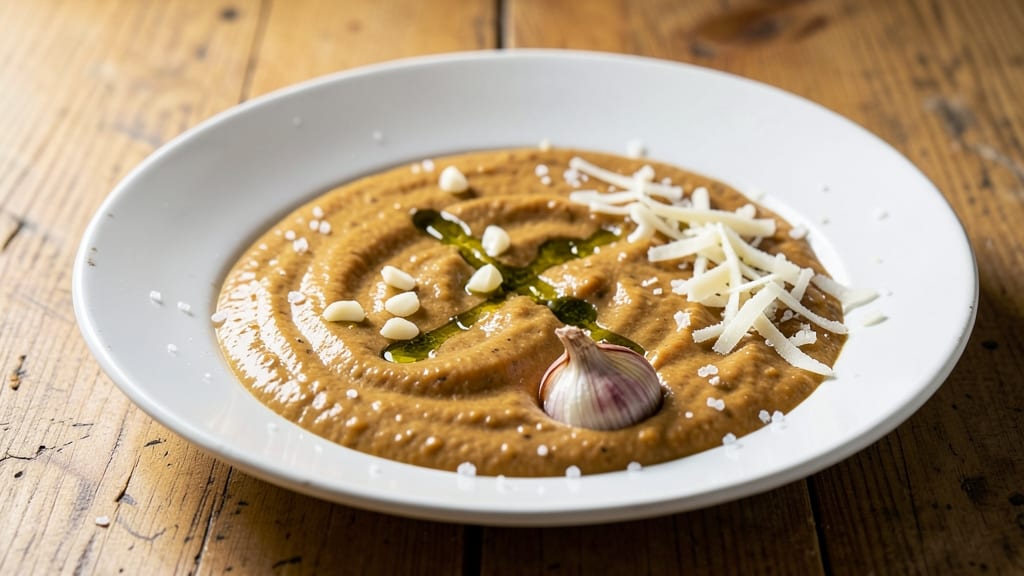
America's Test Kitchen's alfredo sauce recipe delivers the creamy, velvety perfection you crave without the usual lumps or separation. The secret lies in precise ratios and a clever technique that transforms ordinary ingredients into something restaurant-worthy.
I've perfected this version after countless batches—it's the one that finally convinced even the biggest Alfredo skeptics in my family.
What makes this sauce truly exceptional is the balance of rich, nutty Parmesan and velvety cream, all bound together by a touch of butter that adds hidden depth. The key technique involves whisking the sauce constantly over low heat, ensuring it never boils.
This method creates a silky texture that coats pasta perfectly without becoming greasy. Every spoonful delivers that classic Alfredo flavor—creamy yet not heavy, rich yet not overpowering.
With just six simple ingredients and fifteen minutes of active time, you can create sauce that rivals your favorite Italian restaurant. The Parmesan is grated fresh for maximum flavor, while the cream and butter work together to create that signature velvety consistency.
This isn't just any Alfredo sauce—it's the one that transforms ordinary pasta nights into something special.
The best part? This sauce keeps beautifully in the refrigerator for up to five days, making it perfect for meal prep. Whether you're tossing it with fettuccine or using it as a dipping sauce for breadsticks, the results are consistently perfect.
Let's get started on creating the creamiest, most flavorful Alfredo sauce you've ever made.
Ingredients for alfredo sauce recipe america's test kitchen
Six ingredients transform into velvety perfection—this is the secret to America's Test Kitchen's legendary Alfredo sauce.
| Ingredient | Amount | Notes |
|---|---|---|
| Extra-Virgin Olive Oil 🫒 | ½ cup | High-quality, fruity variety preferred |
| Unsalted Butter 🧈 | ½ cup | Cold, cubed for even melting |
| Heavy Cream 🥛 | 1 ½ cups | Full-fat for maximum creaminess |
| Parmesan Cheese 🧀 | 1 ½ cups | Freshly grated from block only |
| Garlic Cloves 🧄 | 4 cloves | Minced finely for subtle flavor |
| Diamond Crystal Kosher Salt 🧂 | ½ tsp | Adjust to taste after sauce thickens |
| Freshly Ground Black Pepper 🌶️ | ¼ tsp | Freshly cracked for maximum aroma |
The Parmesan is non-negotiable—freshly grated from a block makes all the difference. Skip the pre-grated stuff (it's full of anti-caking agents that ruin texture). I grab mine at Whole Foods or my local Italian deli where they grate it fresh daily. For the butter, European-style unsalted (like Plugrá) melts more smoothly than American butter. The heavy cream? Full-fat only—none of that skim nonsense. Garlic should be peeled and minced just before adding to preserve its freshness.
No heavy cream? Half-and-half plus a splash of whole milk works in a pinch, though the sauce will be slightly lighter. Substituting Parmesan? Pecorino Romano at a 1:1 ratio adds a sharper bite. Running low on olive oil? Avocado oil has a higher smoke point and similar neutral flavor. For the salt, Diamond Crystal dissolves more easily than Morton's—trust me on this. And if you're worried about lumps, whisk the butter and cream together before adding to the saucepan.
This sauce is a meal-prep dream—stores beautifully in the fridge for 5 days when covered tightly. For longer storage, freeze in 1-cup portions between parchment paper. Reheat gently over low heat, whisking constantly until smooth. The butter's hidden depth emerges even more after resting, so let it sit for 10 minutes before serving. Pro tip: Toss with fettuccine or use as a dipping sauce for garlic bread—both are winners.
Why You'll Love This Recipe
- No Fuss, Big Payoff: I swear by this sauce because it’s the kind of recipe that feels like cheating—just melt butter, toss in garlic, and let the heavy cream and Parmesan do their magic. No whisking until your arm falls off, no straining for hours. The ATK method actually works the first time, which is more than I can say for my old "eyeball it" approach.
- Garlic Butter Bliss: That moment when you press the garlic into the butter? Pure flavor gold. The olive oil and butter create this luscious base, but it’s the garlic—cooked just until fragrant—that makes it sing. Honestly, I’ve tried store-bought Alfredo, and this tastes like a hug from a nonna who knows her way around a pan.
- Pasta Party Any Day: This sauce isn’t just for fettuccine—drizzle it over roasted chicken, toss it with shrimp, or even use it as a creamy dip for garlic bread. I’ve made it for date nights, lazy Sundays, and even a last-minute potluck. It’s the kind of sauce that turns a simple meal into something that feels special without trying too hard.
- Leftovers That Don’t Let You Down: Between us, most creamy sauces turn into a sad, watery mess the next day. Not this one. The heavy cream and Parmesan keep it rich and smooth, so I make double batches and freeze half. Thaw it gently, and it’s like it was just made—no weird texture, no regret. My wallet thanks me too; it’s way cheaper than takeout.
Step-by-step instructions for america's Test Kitchen Alfredo sauce
This silky, restaurant-quality sauce delivers velvety texture with a hidden butter zing—no lumps, no curdling, every time.
Bloom the Garlic in Olive Oil
Heat the 0.5 cup extra-virgin olive oil in a medium saucepan over medium-low heat. Add the 4 minced garlic cloves and cook for 1-2 minutes until fragrant but not browned—this prevents bitter flavors. Here's the thing: garlic burns fast, so keep your heat gentle and stir constantly. The oil should shimmer but not smoke.
I like to use a light touch with the garlic here. You want it to perfume the oil without developing any color. If you see the garlic starting to turn golden, immediately reduce the heat to low and keep stirring. This step is the flavor foundation for your entire sauce, so don't rush it.
Add Butter and Heavy Cream
Increase heat to medium and add the 0.5 cup cold cubed unsalted butter. Stir constantly for 2-3 minutes until the butter melts completely and the mixture becomes frothy. This is where the magic happens—the butter adds richness and helps create that velvety texture.
Next, pour in the 1.5 cups heavy cream all at once. Bring the mixture to a gentle simmer, then reduce heat to medium-low. Let it simmer uncovered for 5 minutes, stirring occasionally. You're looking for the cream to reduce slightly and the sauce to thicken just enough to coat the back of a spoon.
Incorporate the Parmesan Gradually
Here's where precision matters most: slowly whisk in the 1.5 cups freshly grated Parmesan cheese over 2-3 minutes. I use a wire whisk for this step—it creates small, even curds that dissolve beautifully. Keep the heat at medium-low and stir constantly to prevent any lumps from forming.
After adding all the cheese, let the sauce simmer for another 3-4 minutes until it reaches your desired consistency. It should coat the back of a spoon but still be pourable. If it thickens too much, whisk in 1-2 tablespoons of hot water or pasta water to loosen it. The sauce should be silky, not gluey.
Season and Finish with Pepper
Remove the sauce from heat and stir in the 0.5 tsp Diamond Crystal kosher salt and 0.25 tsp freshly ground black pepper. Taste immediately—this is when you can adjust the seasoning. I usually find I need a bit more salt here, so I add it gradually. The pepper should be freshly cracked for maximum aroma.
Let the sauce rest for 5 minutes off the heat before serving. This resting period allows the flavors to meld completely. The sauce will thicken slightly as it cools, so if you're serving it over hot pasta, you can thin it with a splash of pasta water if needed. This sauce tastes even better the next day, so it's perfect for making ahead.
Pro Tips For Making Alfredo Sauce Recipe America'S Test Kitchen
- Bloom the Garlic: Smash those garlic cloves with the flat side of your knife first—it releases more flavor and cooks faster. I used to peel them whole, and the sauce never had that rich, nutty depth. Two minutes in the olive oil and butter is all they need before you add cream.
- Salt the Butter: Toss in a pinch of salt with the butter at the start—it balances the Parmesan later and cuts through the richness. I learned this the hard way after making a batch that tasted one-dimensional. Trust me, your sauce will thank you.
- Temper the Cream: Warm the heavy cream gently before adding it to the butter-oil mix—cold cream shocks the sauce and makes it split. Heat it in a separate pan until just steaming, then pour it in slowly. This isn’t the prettiest method, but it’s the tastiest.
- Grate the Cheese Fresh: Skip the pre-shredded Parmesan—it’s coated with anti-caking agents that make the sauce grainy. Use a microplane or fine grater right before adding it to the sauce. The difference is noticeable, even if it takes 30 seconds extra.
Common mistakes when making your alfredo sauce recipe america's test kitchen
Overcooking the Cream
I’ve seen this happen more times than I can count—simmering the cream too aggressively causes it to curdle or separate. The sauce should never boil; instead, maintain a gentle simmer at medium-low heat.
If you see bubbles forming rapidly, immediately reduce the heat. The cream’s job is to create a velvety base, not turn into scrambled eggs. 🥛
Adding Parmesan Too Quickly
Dumping all the Parmesan at once is a recipe for lumps. Instead, whisk it in gradually over 2-3 minutes while keeping the heat low. Pre-grated cheese contains anti-caking agents that make lumps worse, so freshly grated from a block is non-negotiable.
I like to add the cheese in three batches, stirring vigorously between each addition.
Skipping the Resting Period
Rushing to serve the sauce right after cooking is a mistake. Let it rest for 5-10 minutes off the heat—this allows the flavors to meld and the texture to thicken slightly.
The butter’s richness and the Parmesan’s nuttiness need time to shine. I’ve learned this the hard way: serving it too soon means missing out on that hidden depth the sauce develops.
Using Low-Quality Cheese
Pre-shredded Parmesan is the enemy of smooth Alfredo sauce. It contains additives that prevent clumping, but they also ruin the texture. Freshly grated block Parmesan is worth the effort—it dissolves beautifully and delivers that nutty, umami-rich flavor you crave.
If you’re short on time, Pecorino Romano is a great substitute, but it has a sharper bite.
Ignoring the Butter’s Role
The butter isn’t just for flavor—it’s the secret to that silky texture. Adding cold cubed butter at the start helps emulsify the sauce as it melts.
If you melt the butter separately and then add it all at once, you risk breaking the emulsion and ending up with a greasy, separated sauce. Keep the butter cold until it hits the pan, then stir constantly until fully incorporated. 🧈
Not Adjusting Seasoning After Resting
Taste the sauce immediately after adding salt and pepper, but don’t stop there. Let it rest for 5 minutes, then taste again—flavors evolve, and you might need to adjust. I often find I need an extra pinch of salt or a crack of fresh pepper after resting.
The sauce should be rich but balanced, not overpowering. Trust your taste buds—they’re your best tool!
Nutrition facts
Frequently asked questions
Why does this Alfredo sauce stay smooth while others get lumpy?
The secret is in the technique: whisking constantly over medium-low heat and adding Parmesan gradually over 2-3 minutes prevents lumps. Also, using freshly grated block cheese (not pre-shredded) eliminates anti-caking agents that cause texture issues. The butter's slow melt creates natural emulsification for that silky finish.
Can I make this sauce without heavy cream?
Yes! For a lighter version, substitute with 1 cup half-and-half plus 0.5 cup whole milk. The texture will be slightly thinner but still creamy. For extra richness, add 1 tablespoon sour cream at the end. Just remember the sauce may separate more easily without the fat content from full-fat cream.
How do I prevent the sauce from separating when reheating?
Reheat gently over low heat, whisking constantly until just warm. Never let it boil—this breaks the emulsion. If it separates, whisk in 1-2 tablespoons of hot water or pasta water to restore creaminess. For best results, reheat only until warmed through, then stir vigorously. The sauce should come together smoothly.
What's the best pasta to pair with this sauce?
Fettuccine is classic, but tagliatelle or pappardelle work beautifully too. For extra flavor, try gemelli or linguine. The wide, flat noodles catch the sauce perfectly, while thinner strands like spaghetti may make the sauce too saucy. Save this sauce for ribbons—it's too luxurious for anything else!
Can I make this sauce ahead of time?
This sauce tastes even better the next day. Store in an airtight container in the fridge for up to 5 days. For longer storage, freeze in 1-cup portions between parchment paper. Thaw overnight in the fridge, then reheat gently with whisking. The flavors deepen as it rests, making it perfect for meal prep.