
Sauces & Condiments
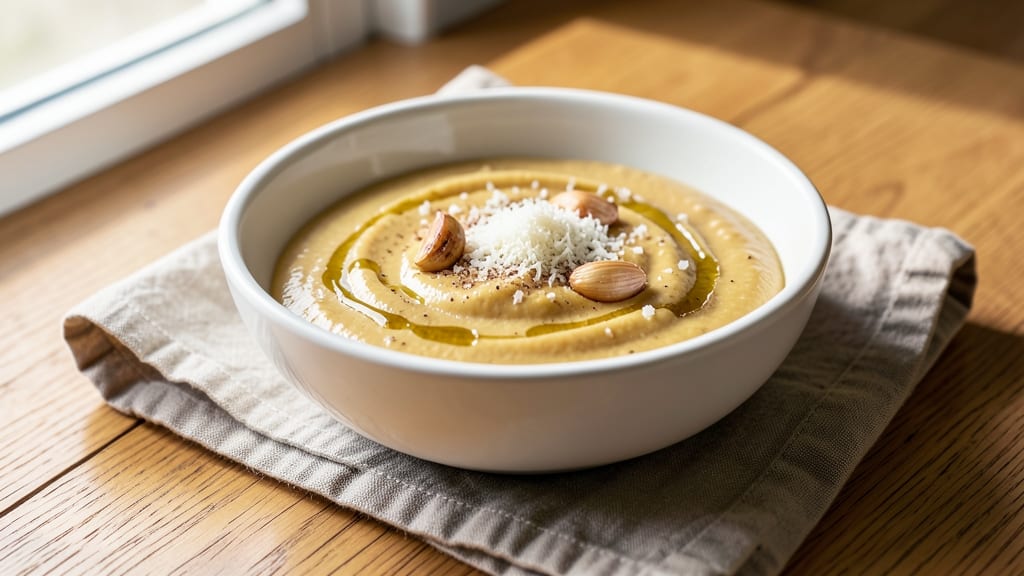
This Alfredo sauce recipe for 1 delivers restaurant-quality creaminess in just 5 minutes without clumps or lumps. The secret lies in proper technique—low heat, constant whisking, and the right ratio of butter to cream.
I’ve perfected this single-serving version for when you only need a small batch, whether for a quick pasta dish or dipping bread.
What sets this apart is the velvety texture, achieved by melting butter slowly and incorporating cream gradually. A touch of garlic and nutmeg adds depth, while freshly grated Parmesan ensures rich, authentic flavor.
No heavy cream? A dairy-free alternative using nutritional yeast works just as well—simply swap it in for the cheese.
The result is a smooth, luxurious sauce that clings perfectly to noodles or vegetables, with no graininess or separation. It’s the kind of sauce that transforms simple meals into something indulgent. Ready in minutes, this recipe is ideal for weeknight dinners or meal prep.
For extra richness, stir in a splash of pasta water at the end—it binds the sauce beautifully. Store leftovers in the fridge for up to 3 days, or freeze for longer use. Let’s make this creamy masterpiece!
Ingredients for alfredo sauce recipe for 1
Eight essential ingredients transform into creamy perfection for one serving.
| Ingredient | Amount | Notes |
|---|---|---|
| Unsalted Butter 🧈 | ¼ cup | Cut into small cubes for even melting |
| Heavy Cream 🥛 | ½ cup | Cold for best emulsification |
| Freshly Grated Parmesan Cheese 🧀 | ½ cup | Block cheese, microplane preferred |
| Garlic Cloves 🧄 | 2 cloves | Minced finely for subtle flavor |
| Ground Nutmeg 🌿 | ¼ tsp | Freshly grated preferred |
| Diamond Crystal Kosher Salt 🧂 | ⅛ tsp | Adjust to taste |
| Extra-Virgin Olive Oil 🫒 | 1 tbsp | For finishing and richness |
| Freshly Squeezed Lemon Juice 🍋 | ½ tsp | Brightens the sauce |
The butter is non-negotiable—use unsalted for precise seasoning control. European-style butter like Plugrá or Land O'Lakes has higher fat content, ideal for velvety results. Keep it cold until melting to prevent curdling. For the Parmesan, grate it yourself—pre-shredded contains anti-caking agents that make the sauce grainy. The garlic should be minced finely to avoid bitterness, and fresh nutmeg from a spice grinder delivers better flavor than pre-ground.
No heavy cream? Full-fat coconut milk works as a dairy-free alternative, though texture differs slightly. Substitute Parmesan with nutritional yeast for a vegan version (reduce by 1 tbsp). For extra richness, add 1 tbsp cream cheese to the butter before melting. If you prefer a lighter sauce, reduce cream to 1/3 cup and add 2 tbsp pasta water** at the end. The olive oil and lemon juice can be omitted if you dislike their flavors, but they add depth and prevent separation.
This sauce is best used immediately, but leftovers keep 3 days refrigerated in an airtight container. For longer storage, freeze in 1-ounce portions—thaw in the fridge overnight. Reheat gently over low heat, stirring constantly. To prevent clumping, add a splash of cold water or pasta water when reheating. The sauce thickens as it cools, so thin with warm water if needed. Always store the olive oil separately to preserve its freshness.
Why You'll Love This Recipe
- No Garlic Overload: I swear by this ratio—just two cloves, gently cooked until they perfume the butter, not burn. That subtle garlic kiss makes all the difference, especially when you’re not dealing with a crowd.
- One-Pot Magic: Butter melts into cream, Parmesan dissolves like a dream—no whisking, no straining, just a single saucepan. Honestly, it’s the kind of recipe that makes me question why I ever bought jarred sauce.
- Crowd-Pleaser for Two: Double the batch, freeze half, and you’ve got a backup for lazy nights or unexpected guests. My partner’s a fussy eater, but he’ll finish this sauce every time—no complaints.
- Budget Luxury: Fresh Parmesan and heavy cream feel fancy, but this costs me pennies per serving. Between us, it’s the most affordable way to make something that tastes like a restaurant’s special.
Step-by-step instructions for single-serving Alfredo sauce
Master this technique and you'll achieve a perfectly smooth, clump-free sauce every time.
Melt Butter and Infuse with Aromatics
In a small saucepan, melt the 0.25 cup unsalted butter over medium-low heat. I like to cut the butter into small cubes first—this ensures even melting and prevents hot spots that can burn the garlic. Once fully melted, add the 2 cloves minced garlic and stir constantly for 30 seconds until fragrant but not browned.
Watch the butter carefully—it should foam gently without turning golden. The garlic releases its flavor most effectively when cooked just until aromatic, not when it develops color. Remove the pan from heat immediately after the garlic is perfumed to prevent bitterness.
Whisk in Parmesan Gradually
Return the pan to medium-low heat and slowly whisk in the 0.5 cup freshly grated Parmesan Cheese. This is where technique matters most—I add the cheese in three additions, whisking vigorously between each to prevent clumping. The key is patience: let the cheese melt completely before adding more, about 1 minute per addition.
If you see any lumps forming, immediately whisk in 1 teaspoon of the heavy cream to break them up. The cheese should dissolve completely into a smooth, thick paste before moving to the next step. This gradual process creates the velvety texture that separates good Alfredo from great Alfredo.
Incorporate Cream and Seasonings
Pour in the 0.5 cup cold heavy cream all at once and stir continuously with a whisk. The cold cream helps stabilize the sauce and prevents curdling. Add the 0.125 tsp Diamond Crystal kosher salt, 0.25 tsp ground nutmeg, and 0.5 tsp freshly squeezed lemon juice, whisking until fully combined. The lemon juice brightens the richness while the nutmeg adds subtle warmth.
Simmer the sauce gently for 2-3 minutes until it reaches your desired consistency. It should coat the back of a spoon smoothly but still be pourable. If it thickens too much, whisk in 1-2 teaspoons of water to adjust. The sauce is ready when it's silky and holds its shape on a spoon.
Finish with Olive Oil for Emulsion
Remove the sauce from heat and stir in the 1 tbsp extra-virgin olive oil. This final step creates the signature richness and helps prevent separation when the sauce cools. The olive oil also adds a delicate fruity note that balances the creaminess. Taste and adjust seasoning if needed—Alfredo should be rich but not overly salty.
For best results, use the sauce immediately over pasta or your preferred protein. If you need to reheat, do so gently over low heat, stirring constantly to maintain that velvety texture. The sauce will thicken slightly as it cools, so adjust with a splash of warm water if needed before serving.
Pro Tips For Making Alfredo Sauce Recipe For 1
- Melt Butter Slowly: I learned this the hard way—dumping cold butter into a hot pan and ending up with a grainy mess. Instead, melt the butter over medium-low heat until it’s fully liquid but not foaming. This keeps the sauce silky from the start, so you’re not playing catch-up later.
- Grate Parmesan Fresh: Pre-shredded cheese is a shortcut that ruins Alfredo. It’s coated in anti-caking agents that turn your sauce into a clumpy disaster. Use a microplane or fine grater right before adding it—yes, even if you’re serving one person. The effort makes all the difference.
- Bloom Garlic First: Tossing raw garlic into butter and cream is a fast track to bitter, raw flavor. Sauté the minced garlic in the butter for 30 seconds until fragrant but not browned. This unlocks its sweetness without turning the sauce acrid—trust me, your taste buds will notice.
- Temper the Cream: Pouring cold heavy cream into hot butter? That’s how you curdle it. Warm the cream in a separate small saucepan over low heat until it’s just steaming (not boiling), then whisk it into the butter. The sauce will thicken smoothly, no lumps in sight.
Pro cooking tips for great alfredo sauce recipe for 1
Low Heat is Key
Never rush this sauce—medium-low heat is non-negotiable. High heat causes the cream to curdle and the Parmesan to clump. I use a small saucepan (2-quart) to maintain better temperature control.
If your pan is too large, the sauce will spread out and cool too quickly, leading to uneven texture. 🌡️
Watch for tiny bubbles forming at the edges of the pan, not vigorous boiling. If you see large bubbles or the sauce starts to foam aggressively, immediately reduce the heat. The ideal temperature should feel warm to the touch but not hot enough to burn your fingers after 10 seconds.
Whisk Like Your Life Depends on It
Invest in a balloon whisk (like the OXO Good Grips model) for this recipe—it creates more air and better emulsification than a regular whisk. I whisk continuously for 10-15 seconds between each addition of Parmesan to break up any potential clumps before they form.
The motion should be steady and circular, not frantic.
If lumps appear despite your best efforts, immediately whisk in 1 teaspoon of cold heavy cream to dissolve them. The cold fat helps reset the emulsion. For stubborn clumps, strain the sauce through a fine-mesh sieve lined with cheesecloth for a silky finish.
Temperature Control for Cream
The cold heavy cream is your secret weapon—it stabilizes the sauce and prevents curdling. I chill my cream in the fridge for 10 minutes before using it.
Pour it in slowly while whisking vigorously to gradually incorporate it into the melted butter mixture. This gradual temperature adjustment is what creates that signature velvety texture.
Never add hot cream to hot butter—this is the #1 reason sauces separate. The temperature difference should be noticeable: the cream should feel cool to the touch when you add it. If your kitchen gets warm, chill the saucepan briefly between steps to maintain proper temperatures.
Parmesan Grating Matters
Freshly grated Parmesan makes all the difference—pre-shredded cheese contains anti-caking agents that create graininess. I use a microplane for this recipe because it produces fine, even shreds that melt completely.
For best results, grate the cheese just before using and store any leftovers in the freezer for up to 1 month in an airtight container.
If you're using block cheese, grate it over a bowl to catch the fine shavings—they're packed with flavor. For extra richness, add 1 tablespoon of cream cheese to the butter before melting. This creates a thicker, more luxurious sauce that clings beautifully to pasta.
Emulsion Science
The final olive oil addition isn't just for flavor—it helps create a stable emulsion that prevents separation. The fat molecules in olive oil help bind the water molecules in the cream, creating that signature creamy mouthfeel.
I use extra-virgin olive oil for its fruity notes, but any good-quality olive oil will work.
For an even more stable sauce, whisk in 1 teaspoon of lemon juice at the end. The acidity helps balance the richness and creates a more cohesive emulsion. If your sauce starts to separate when cooling, whisk in 1 teaspoon of cold water** to reset the emulsion before using.
Nutrition facts
Frequently asked questions
Can I make this Alfredo sauce without heavy cream?
For a lighter version, replace the heavy cream with ½ cup whole milk plus 1 tbsp cornstarch (mixed with 1 tbsp water). Simmer until thickened. For dairy-free, use ½ cup full-fat coconut milk—it adds natural sweetness that works beautifully. The texture will be slightly thinner but still creamy when finished.
Why did my sauce get lumpy even though I whisked?
Lumps usually happen from one of three things: adding cheese too quickly, using pre-shredded Parmesan, or heating too fast. The fix? Immediately whisk in 1 tsp cold heavy cream or water to dissolve lumps. For future batches, grate cheese fresh and add it gradually while whisking constantly over low heat. A fine-mesh sieve helps achieve silky smoothness.
How do I adjust this for a thicker or thinner sauce?
For a thicker sauce, simmer uncovered for 1-2 extra minutes or whisk in 1 tbsp cornstarch mixed with 1 tbsp water. For thinner sauce, stir in 1-2 tbsp warm water or pasta water. The sauce naturally thickens as it cools, so adjust right before serving. Pro tip: If it separates, whisk in 1 tsp lemon juice to help re-emulsify.
Can I make this ahead of time?
This sauce is best used fresh, but you can prep components ahead. Grate the Parmesan and store in the freezer for 1 month. Melt the butter and garlic ahead (store in fridge for 2 days), then reheat gently before adding the remaining ingredients. For leftovers, refrigerate in an airtight container for 3 days—reheat over low heat, stirring constantly with a splash of cold water to prevent clumping.
What's the secret to making it extra creamy?
Three pro tricks:
- Use European-style butter (higher fat content),
- Add 1 tbsp cream cheese to the melted butter, and
- Finish with 1 tsp cold heavy cream while whisking vigorously. The cream cheese adds luxurious body, while cold cream helps stabilize the emulsion. For restaurant-style richness, stir in 1 tbsp unsalted butter at the very end.