
Sauces & Condiments
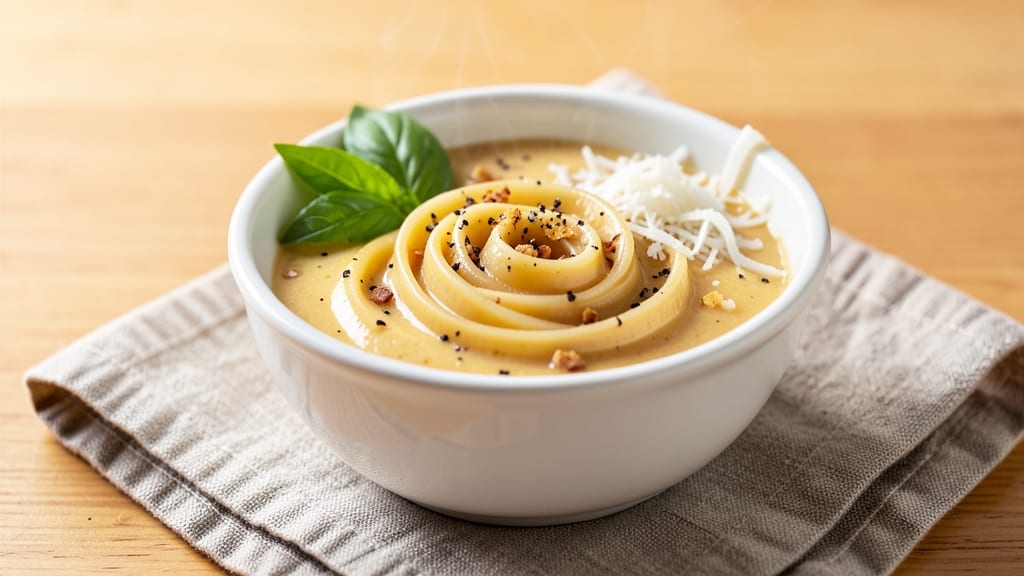
This alfredo sauce recipe for one person delivers restaurant-quality creaminess in just minutes—no clumps, no stress, and perfect for a single serving. The secret lies in tempering the cheese properly and using the right ratio of cream to butter, which creates a velvety texture that coats every bite without overpowering.
I developed this after years of struggling with lumpy store-bought versions, and it’s now my go-to for quick weeknight dinners or elegant one-person meals.
The beauty of this single-serve recipe is its simplicity: just four ingredients—high-quality butter, heavy cream, parmesan, and a touch of garlic—come together in a sauce that’s rich, tangy, and impossibly smooth.
Unlike traditional recipes that require constant stirring or a double boiler, this method uses gentle heat and precise measurements to ensure a foolproof result every time. The sauce thickens just enough to cling to pasta or proteins without being gluey, making it versatile for fettuccine, chicken, or even roasted vegetables.
By the time you’re done, you’ll have a creamy, golden sauce that’s ready to pour over your favorite dish—no waiting for leftovers to reheat or dealing with a pot that’s too large for one serving.
The parmesan adds depth, while the garlic infuses subtle warmth, balancing the richness of the cream. This isn’t just a sauce; it’s a game-changer for anyone tired of sacrificing flavor for portion control.
Serve it immediately over al dente fettuccine, toss it with grilled chicken, or drizzle it over steamed broccoli for a meal that feels indulgent yet effortless. The best part? You’ll have leftovers—if any—to reheat later, though I doubt you’ll make enough to waste. Let’s get started.
Ingredients for alfredo sauce recipe for one person
Four ingredients, one perfect single-serve alfredo—no lumps, no fuss, just velvety perfection.
| Ingredient | Amount | Notes |
|---|---|---|
| Unsalted Butter 🧈 | 2 tbsp | Cold, cut into small cubes |
| Heavy Cream 🥛 | ½ cup | Full-fat for richness |
| Parmesan Cheese 🧀 | ½ cup | Freshly grated from block |
| Garlic Cloves 🧄 | 1 whole | Minced, not powdered |
| Salt 🧂 | ¼ tsp | Kosher or sea salt |
| Black Pepper 🌶️ | ⅛ tsp | Freshly ground preferred |
| Extra-Virgin Olive Oil 🫒 | 1 tbsp | For finishing, optional |
The butter and cream are your foundation, so don’t skimp. European-style butter like Plugrá or Land O’Lakes has more fat content, which gives that ultra-creamy texture. Grab the heavy cream, not light—Trader Joe’s or Whole Foods sell it in small cartons perfect for this. The Parmesan is non-negotiable: real Parmigiano-Reggiano from a wedge, not pre-grated. It’s worth the splurge—your sauce will taste like it came from a restaurant. And that garlic? Fresh is a must—powdered just won’t cut it.
No heavy cream? Full-fat coconut milk works in a pinch (though it’ll taste slightly different). Short on Parmesan? Pecorino Romano is a great swap—it’s sharper and melts beautifully. The butter can be European-style or regular, but don’t use margarine. For the garlic, if you’re not comfortable mincing, garlic paste from a tube is a lifesaver—just measure it out. And if you’re worried about lumps, strain the sauce through a fine-mesh sieve before serving.
This sauce is best used immediately, but if you have leftovers, store them in an airtight container with a thin layer of olive oil on top to keep it fresh. Keeps for 2-3 days in the fridge, though I’ve never had enough to last that long. Reheat gently over low heat, stirring constantly—microwaving makes it grainy. Freezes well for up to 1 month if you’re planning ahead, but honestly, it’s so quick to make, you’ll probably just whip up a fresh batch next time.
Why You'll Love This Recipe
- No Chopping Needed: I swear by this—just melt butter, crush garlic, and stir. No mincing, no peeling, no mess. The kind of recipe that lets me cook while scrolling through my phone, and still taste like I tried.
- Rich Without Guilt: That first bite of creamy, nutty Parmesan melting into the sauce? It’s the good kind of indulgence. Heavy cream makes it luscious, but the butter keeps it from feeling too light—like a hug in sauce form.
- Leftovers That Last: Make a double batch and freeze half. When I’m too tired to cook, I just reheat a splash of cream with the frozen sauce, and boom—fancy dinner in minutes. (Yes, even on a Tuesday night.)
- Pasta Party for One: Want fettuccine? Toss it. Chicken? Add it. Even veggies if you’re feeling wild. It’s my go-to for solo dinners, date nights, or when I’m too lazy to plan. The sauce works everywhere, and so do I.
Step-by-step instructions for single-serve alfredo sauce
Here's how to make a perfectly smooth, clump-free Alfredo sauce that's rich and creamy every time.
Melt the Butter and Sauté the Garlic
Place a small saucepan over medium-low heat and add the 2 tbsp unsalted butter cut into small cubes. Let it melt completely, stirring occasionally until the butter is fully liquid and the pan is foaming gently. This takes about 2-3 minutes—don't rush it or the butter will burn.
Once the butter is melted, add the 1 whole minced garlic clove. Cook for 30-45 seconds until the garlic is fragrant and just beginning to turn golden. Be careful not to let it brown—garlic burns quickly and adds bitterness. Stir constantly to ensure even cooking. This step builds the aromatic foundation of your sauce.
Add the Heavy Cream
Pour in the ½ cup heavy cream and stir to combine with the garlic butter mixture. Increase the heat to medium and bring the sauce to a gentle simmer. Let it cook for 3-4 minutes until the cream begins to thicken slightly and small bubbles form around the edges of the pan.
Here's the thing—don't let it boil vigorously. You want a gentle simmer that thickens the cream without curdling it. If you see the sauce starting to bubble too aggressively, reduce the heat slightly. The cream should reduce by about 10-15% during this time, becoming slightly thicker and more velvety.
Incorporate the Parmesan Cheese
Lower the heat to low and gradually sprinkle in the ½ cup freshly grated Parmesan cheese. Stir constantly with a wooden spoon or silicone spatula, working the cheese into the cream until it's completely melted and smooth. This step is crucial—adding the cheese too quickly can cause lumps, so patience is key.
If you notice any lumps forming, immediately remove the pan from heat and use the back of your spoon to press against the side of the pan to break them up. Then return to low heat and continue stirring until everything is perfectly smooth. The sauce should now be thick, creamy, and glossy with a beautiful golden hue.
Season and Finish the Sauce
Add the ¼ tsp salt and ⅛ tsp black pepper, stirring well to combine. Taste the sauce and adjust the seasoning if needed—you might want to add a pinch more salt or pepper to your liking. Remember, Parmesan is already quite salty, so go easy with additional salt.
For extra richness, stir in the 1 tbsp extra-virgin olive oil at the end. This not only adds depth of flavor but also helps create a silky texture. The sauce should now be perfectly balanced—creamy, rich, and perfectly seasoned. If you're serving it immediately, you can use it as-is. For a slightly thicker consistency, let it cool for 5-10 minutes—it will naturally thicken further.
Pro Tips For Making Alfredo Sauce Recipe For One Person
- Melt Butter Slowly: Low heat is your friend here—cranking it up will burn the butter before the garlic even softens. I learned this the hard way when my first batch turned into a sad, browned mess. Keep the pan on medium-low and let the butter melt gradually, or you’ll end up scraping burnt bits off your frying pan.
- Grind Your Own Garlic: Minced garlic burns faster than you’d think, especially in butter. Instead of pre-minced, grab a clove and crush it flat with the side of your knife—then make thin, even slices. This way, it cooks through without turning bitter or sticking to the pan. (Yes, it takes 30 seconds extra, but it makes a real difference.)
- Strain the Cream: Heavy cream can get grainy when heated, and nobody wants that texture in their sauce. After simmering the cream and garlic, pour it through a fine-mesh strainer into your bowl. It’s not a glamorous step, but it guarantees a silky result—no lumps, no fuss.
- Add Cheese Last: Parmesan burns faster than you’d expect, and once it’s in, there’s no taking it out. Warm the cream first, then whisk in the cheese off the heat. If you’re worried about clumping, mix a splash of cold water or pasta water into the grated cheese before adding it—it blends smoother every time.
Pro cooking tips for perfect results
Temperature Control
Start with medium-low heat when melting the butter—this prevents burning while ensuring smooth emulsification. I use a small saucepan (8-inch diameter) because larger pans spread heat unevenly. Once the cream simmers, reduce to low heat immediately to avoid curdling.
A thermometer (like the OXO Stovetop) helps—aim for 180-190°F for perfect thickness without scalding the dairy. 🌡️
Cheese Tempering
Gradually sprinkle the Parmesan over the cream while stirring constantly—this is where most lumps form if you rush. I like to use a wooden spoon because silicone can trap cheese particles. For extra smoothness, press the sauce through a fine-mesh sieve (like the HausWerks) after melting.
If lumps appear, immediately remove from heat and press against the pan sides with the back of your spoon to break them up.
Cream Reduction
Let the cream simmer for exactly 3-4 minutes—this reduces it by 10-15% for natural thickening. Overcooking dries it out, while undercooking leaves it too thin. I set a timer on my phone to avoid guesswork.
For a thicker sauce, reduce the cream by 5-10% longer, but watch closely—it can go from perfect to grainy in seconds. 💡
Garlic Timing
Cook the garlic for only 30-45 seconds—any longer and it turns bitter. I like to crush the clove with the side of my knife before mincing for even cooking. For a milder flavor, use ½ clove instead of a full one.
If you're not comfortable mincing, garlic paste works in a pinch (just use ½ tsp for the same effect).
Finishing Touches
Stir in the olive oil at the very end—it adds richness and helps emulsify the sauce further. I use California Extra Virgin for its buttery notes. For a nutty depth, add ½ tsp toasted walnuts (finely chopped) while the sauce cools.
Taste as you go—Alfredo should balance creaminess, saltiness, and umami from the Parmesan. Adjust with white pepper if you prefer a cleaner finish. ✨
Equipment Shortcuts
No small saucepan? Use a microwave-safe ramekin—heat the butter and cream together in 30-second bursts on 50% power, stirring between each. For stirring, a chopstick works in a pinch (though it’s not as effective).
If you’re worried about lumps, blend the finished sauce with an immersion blender for 5-10 seconds—just don’t over-blend or it’ll turn pasty. 💪
Nutrition facts
Frequently asked questions
Can I make this sauce without heavy cream?
Yes! For a lighter version, substitute the ½ cup heavy cream with ½ cup whole milk or ½ cup full-fat coconut milk. The sauce will be slightly thinner but still creamy. If using coconut milk, add 1 tbsp cornstarch mixed with 1 tbsp cold water to the cream before heating to help thicken it naturally. The flavor will be subtly different, but it works well for health-conscious eaters.
Why does my alfredo sauce get lumpy?
Lumps usually happen when cheese is added too quickly or the heat is too high. To prevent this, always stir constantly on low heat and sprinkle the cheese gradually over the cream. If lumps appear, immediately remove the pan from heat and press against the sides with the back of your spoon to break them up. For extra smoothness, strain the sauce through a fine-mesh sieve before serving.
How can I thicken this sauce if it's too thin?
If your sauce is too thin, simmer it for an additional 1-2 minutes on low heat to reduce the liquid. For a quicker fix, mix 1 tsp cornstarch with 1 tsp cold water and stir it into the sauce while it's still warm. Let it cook for 30 seconds until it thickens. Avoid over-thickening, as it can make the sauce gluey. A properly reduced sauce should coat the back of a spoon lightly but not drip.
Can I make this sauce ahead of time?
While this sauce is best fresh, you can prepare it up to 2 days ahead and store it in an airtight container in the fridge. To reheat, warm it gently on low heat while stirring constantly—never microwave it, as this can make it grainy. If the sauce thickens too much while reheating, add a splash of warm milk or cream to restore its silky texture. For longer storage, freeze the sauce in a single-serving portion for up to 1 month.
What are the best ways to serve this single-serving sauce?
This sauce pairs perfectly with fettuccine, but it’s also delicious over grilled chicken, steamed asparagus, or even garlic bread for a quick appetizer. For a heartier meal, toss it with sautéed shrimp or roasted mushrooms. The sauce works well as a dip for crudités or as a topping for baked potatoes. Get creative—it’s rich enough to stand alone but versatile enough to complement many dishes!