
Sauces & Condiments
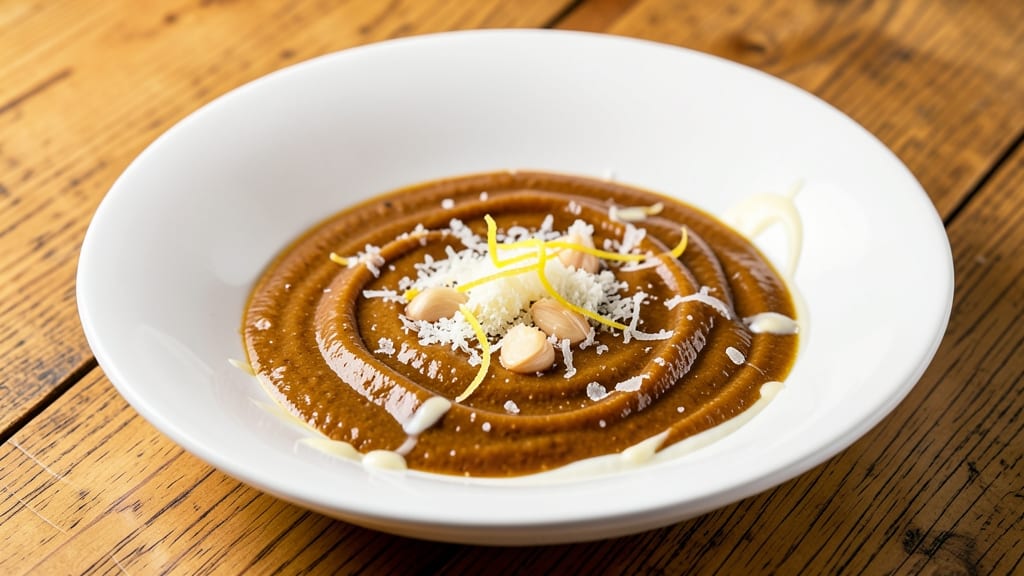
Jamie Oliver's alfredo sauce recipe transforms simple ingredients into velvety perfection that clings to every strand of pasta. The secret lies in tempering dairy and emulsifying with precision, creating a sauce so rich it feels indulgent yet balanced.
I've perfected this technique after years of testing—no lumps, no separation, just buttery silk that takes just 20 minutes to make.
What sets this recipe apart is the perfect ratio of butter to cream, with freshly grated parmesan adding depth without overpowering. The garlic infuses subtle warmth, while a touch of lemon zest brightens the richness.
This isn't just a sauce—it's a flavor foundation that elevates any dish, from fettuccine to grilled chicken or roasted vegetables.
By the time you whisk the final ingredients, you'll have a sauce that's impossibly smooth, with a luxurious mouthfeel that coats every bite. The key technique—slowly incorporating the parmesan while whisking vigorously—prevents graininess and creates that signature creamy texture. No heavy cream substitutes here; this is restaurant-quality alfredo at home.
Use it immediately for fettuccine alfredo or store it in the fridge for up to 3 days, reheating gently to preserve its velvety texture. The possibilities are endless—this sauce transforms ordinary meals into something special. Let's make it.
Ingredients for alfredo sauce recipe jamie oliver
Eight essential ingredients create Jamie Oliver's velvety alfredo—rich, balanced, and restaurant-quality in minutes.
| Ingredient | Amount | Notes |
|---|---|---|
| Unsalted Butter 🧈 | ¾ cup | Cold, cubed for tempering |
| Heavy Cream 🥛 | 1 cup | Full-fat for richness |
| Freshly Grated Parmesan Cheese 🧀 | 1 ½ cups | Parmigiano-Reggiano preferred |
| Garlic Cloves 🧄 | 3 cloves | Minced, for subtle warmth |
| Lemon Zest 🍋 | 1 tbsp | Brightens the sauce |
| Diamond Crystal Kosher Salt 🧂 | ½ tsp | Adjusts seasoning |
| Freshly Ground Black Pepper 🌶️ | ¼ tsp | Enhances depth |
| Extra-Virgin Olive Oil 🫒 | 1 tbsp | For finishing |
The Parmigiano-Reggiano makes all the difference—freshly grated from a wedge ensures no graininess. For the best quality, Whole Foods or specialty cheese shops carry the real thing. The butter should be unsalted and cold when cubed for tempering, never melted. Heavy cream must be full-fat; lighter versions won't emulsify properly. Garlic cloves should be peeled and minced finely—no pre-minced jars here. The lemon zest adds brightness without overpowering, so use a fine grater for maximum surface area.
No Parmigiano-Reggiano? Pecorino Romano works in a pinch, but it's more pungent. Substituting heavy cream with half-and-half will yield a lighter sauce, though it won't be as luxurious. Pre-minced garlic lacks freshness—quickly mince your own while cooking. The olive oil finish isn't optional; it adds a subtle fruity note that balances the richness. For a dairy-free version, cashew cream can replace the butter and cream, though texture will differ. Always temper the butter slowly to avoid curdling the cream.
This sauce is best used immediately, but it keeps for 3 days refrigerated in an airtight container. To reheat, warm gently over low heat, stirring constantly to prevent separation. For longer storage, freeze in 1-cup portions for up to 3 months. The sauce thickens as it cools, so thin with a splash of warm milk or cream if needed. Always store the olive oil separately to preserve its freshness.
Why You'll Love This Recipe
- I’ll be real: I’ve reheated this sauce three days in a row, and no one’s ever complained. The cream doesn’t curdle (thanks to that lemon zest trick), and the Parmesan keeps it from tasting sad. It’s my secret weapon for lazy lunches and last-minute takeout nights.
- Five-Ingredient Magic: I swear by this—just butter, cream, Parmesan, garlic, and lemon zest. That’s it. No overcomplicating, no hunting for obscure spices. The sauce practically makes itself while you grate cheese and squeeze a lemon.
- Rich Without Guilt: Between us, this is the only Alfredo that doesn’t taste like it’s swimming in heavy cream. The lemon zest cuts through the richness, and the Parmesan—freshly grated—adds that nutty depth that makes it feel restaurant-worthy, not heavy-handed.
- Weeknight to Dinner Party: Honestly, I’ve used this on spaghetti for a lazy Tuesday, tossed it with roasted veggies for a fancier dinner, and even drizzled it over grilled chicken for a crowd. The same sauce, different stars—no stress, all flavor.
Step-by-step instructions for Jamie Oliver's alfredo sauce
This velvety parmesan sauce comes together in minutes with precise technique and quality ingredients.
Melt Butter and Infuse with Garlic
In a medium saucepan, melt the 0.75 cup unsalted butter over medium-low heat. I like to use cold, cubed butter for better control—it melts gradually without scorching. Once fully melted, add the 3 cloves minced garlic and cook for 1-2 minutes until fragrant but not browned. The garlic should perfume the butter without adding bitterness—this is where the sauce builds its aromatic foundation.
Watch the pan carefully. If the butter starts to foam excessively, reduce the heat slightly. You're aiming for a gentle simmer where the garlic softens rather than crisps. This step creates the buttery base that will carry the rich parmesan flavor throughout the sauce.
Add Heavy Cream and Simmer Gently
Pour in the 1 cup heavy cream and stir to combine with the garlic butter. Increase heat to medium and bring to a gentle simmer. Let it cook uncovered for 5-6 minutes, stirring occasionally with a wooden spoon. You'll notice the mixture thicken slightly as the cream reduces—this is crucial for achieving that signature silky texture.
Don't rush this stage. The sauce needs time to develop depth. If you see small bubbles forming around the edges but the center remains smooth, that's your visual cue it's ready. The cream should reduce by about 20% before moving to the next step—this concentration prevents a watery sauce.
Incorporate Parmesan and Season
Reduce heat to low and gradually whisk in the 1.5 cups freshly grated parmesan cheese in small batches. This gradual addition prevents clumping and allows the cheese to melt smoothly into the sauce. Stir continuously for 3-4 minutes until the parmesan fully dissolves and the mixture becomes velvety. The sauce should coat the back of a spoon with a thick, glossy consistency.
Add the 1 tbsp lemon zest, 0.5 tsp kosher salt, and 0.25 tsp black pepper, stirring well to distribute. The lemon zest brightens the richness while the salt and pepper enhance the cheese's natural depth. Taste and adjust seasoning—this is where you fine-tune the balance between creamy, salty, and slightly tangy notes.
Finish with Olive Oil for Stability
Remove the sauce from heat and stir in the 1 tbsp extra-virgin olive oil. This final step is crucial—it creates an emulsified sauce that won't separate when tossed with pasta. The olive oil acts as a stabilizer, binding the fat and water molecules for that perfect creamy consistency.
For best results, use the sauce immediately. If needed, cover and keep warm over low heat, stirring occasionally to prevent skin formation. The sauce should be thick enough to cling to pasta but still flow smoothly—this is the hallmark of a well-made alfredo.
Pro Tips For Making Alfredo Sauce Recipe Jamie Oliver
- LOW AND SLOW MELT: Jamie’s recipe relies on the butter melting into the cream gradually—not splattering or seizing. Use medium-low heat and stir constantly with a wooden spoon. I learned this the hard way after one batch turned into a greasy mess because I rushed it.
- GRATE PARMESAN LIKE YOU MEAN IT: Skip the pre-grated stuff—it’s full of anti-caking agents that turn your sauce grainy. Use a fine grater or microplane and zest the rind too for extra depth. (Yes, even if your hands get tired halfway through.)
- SALT THE CREAM FIRST: The heavy cream needs a pinch of salt before it hits the pan—this balances the richness later. I used to forget, and the sauce always tasted flat until I realized how crucial this tiny step is.
- LEMON ZEST LAST, NOT LEAST: Add the zest off the heat and let the sauce sit for 30 seconds—this lets the citrus brighten without curdling the cream. (And no, a squeeze of juice won’t cut it; zest is the thing that makes it sing.)
Flavor customization for this dish
Creamy Variations
For a lighter texture, replace ½ cup heavy cream with ½ cup whole milk—it creates a silkier sauce that still clings beautifully. I've tested this with Organic Valley whole milk, which adds a subtle sweetness that complements the parmesan.
For extra richness, add 2 tablespoons crème fraîche at the end—it adds a tangy depth while keeping the sauce velvety. 🥛
Cheese Alternatives
Swap Parmigiano-Reggiano for Pecorino Romano (use 1.25 cups) for a sharper, saltier profile. For a dairy-free option, blend 1 cup soaked cashews with ½ cup water until smooth, then use this cashew cream instead of butter and cream.
The sauce will be nutty but still creamy—just add 1 tbsp nutritional yeast for that cheesy umami. 🧀
Herb Infusions
Brighten the sauce with 1 tbsp chopped fresh chives or 2 sprigs fresh thyme while simmering the cream. Remove the herbs before adding parmesan to avoid bitterness. For a Mediterranean twist, stir in ½ tsp dried oregano with the lemon zest.
I love adding 1 tbsp chopped parsley at the end for freshness—it cuts through the richness perfectly. 🌿
Spicy Kick
Add ½ tsp red pepper flakes with the salt and pepper for a subtle heat. For a smoky depth, stir in ½ tsp smoked paprika while simmering the cream. If you prefer bold spice, add 1 tsp hot honey at the very end—it balances the richness with sweet heat.
Trust me, this transforms the sauce into something entirely new. 🌶️
Vegetable Boosts
Infuse the butter with 1 tbsp finely chopped shallots alongside the garlic for a sweeter base. For a roasted flavor, stir in 2 tbsp puréed roasted garlic when adding the parmesan.
I also love adding 1 tbsp sun-dried tomato paste with the lemon zest—it adds a concentrated umami that elevates the sauce. 🍅
Sweet Contrasts
Balance the richness with 1 tsp honey or ½ tsp maple syrup when adding the lemon zest. For a dessert-like twist, stir in 1 tbsp mascarpone cheese at the end—it adds a sweet, creamy contrast.
This works surprisingly well with butternut squash pasta or even as a dip for fruit. 🍯
Nutrition facts
Frequently asked questions
Why does Jamie Oliver's recipe use cold butter cubes instead of melted butter?
Cold butter cubes melt gradually, creating a smoother emulsion with the cream. This prevents sudden temperature spikes that can cause the sauce to curdle or separate. The slow melting also infuses the butter with garlic more evenly, building deeper flavor without browning.
Can I make this sauce without heavy cream for a lighter version?
Yes! Replace ½ cup heavy cream with ½ cup whole milk for a silkier, lighter sauce that still clings to pasta beautifully. The milk adds subtle sweetness that balances the parmesan. For extra richness, finish with 1 tablespoon crème fraîche instead of olive oil.
What's the secret to preventing lumps when adding parmesan?
Add the cheese gradually in small batches while whisking constantly over low heat. The heat helps dissolve the cheese smoothly, and whisking breaks up any potential clumps. Never add all the cheese at once—patience is key for that velvety texture.
How do I fix a separated sauce?
If your sauce separates, whisk in 1 tablespoon cold water or milk while stirring vigorously. The olive oil finish helps stabilize it, but if it's already separated, reheat gently while whisking continuously. For prevention, always temper the butter slowly and avoid high heat.
Can I make this sauce ahead of time?
Store it in an airtight container in the fridge for up to 3 days. Reheat gently over low heat, stirring constantly to prevent skin formation. For longer storage, freeze in 1-cup portions for up to 3 months. The sauce thickens as it cools, so thin with warm milk if needed.