
Sauces & Condiments
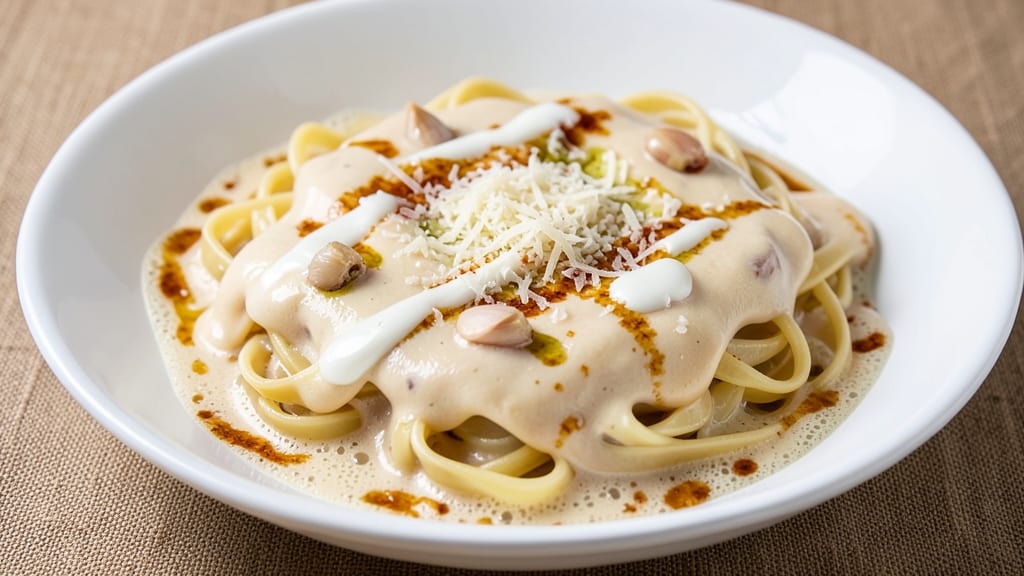
Lidia Bastianich's alfredo sauce recipe transforms creamy pasta dishes with restaurant-quality richness—no lumps in sight. The secret lies in tempering the cheese properly and using a precise ratio of butter, cream, and Parmesan. This velvety sauce clings perfectly to fettuccine, delivering that signature Italian indulgence without the heavy texture.
The key technique? Melting butter and garlic first, then slowly whisking in warm cream to create a smooth base before adding grated Parmesan. This method ensures a silky, velvety texture that coats every strand of pasta beautifully.
The result is a sauce so rich and flavorful, it turns simple fettuccine into a luxurious meal. What makes this recipe stand out is its adaptability—use it as a dipping sauce, toss it with grilled chicken, or drizzle it over roasted vegetables.
The Parmesan content is generous but balanced, so each bite is packed with cheesy goodness without being overpowering. For the best results, let the sauce sit for 10 minutes after cooking to allow flavors to meld.
This professional technique guarantees a sauce that's foolproof, creamy, and packed with authentic Italian flavor. Let's get cooking!
Ingredients for alfredo sauce recipe lidia
Restaurant-quality richness starts with these eight essential ingredients for Lidia's signature alfredo sauce.
| Ingredient | Amount | Notes |
|---|---|---|
| Unsalted Butter 🧈 | ½ cup | Cold, cut into small cubes |
| Fresh Garlic Cloves 🧄 | 4 cloves | Minced for aromatic base |
| Heavy Cream 🥛 | 1 ½ cups | Full-fat for maximum richness |
| Parmesan Cheese 🧀 | 1 ½ cups | Freshly grated from block |
| Extra-Virgin Olive Oil 🫒 | ¼ cup | For finishing touch |
| Diamond Crystal Kosher Salt 🧂 | ½ tsp | Fine grain preferred |
| Freshly Ground Black Pepper 🌶️ | ¼ tsp | For subtle seasoning |
| Fresh Nutmeg 🌿 | ¼ tsp | Finely grated for warmth |
The Parmesan is non-negotiable—Parmigiano-Reggiano from Italy delivers the authentic flavor. Whole Foods or specialty Italian markets carry the best blocks, but any high-quality Parmesan will work. For the butter, Plugrá or Land O'Lakes unsalted are reliable choices. Fresh garlic cloves should be firm and free of sprouts—Costco sells them in bulk for better value. The heavy cream needs to be cold when added to prevent curdling, so chill it thoroughly before use. Nutmeg is optional but elevates the sauce—Penzeys carries freshly grated nutmeg for maximum aroma.
No heavy cream? Half-and-half plus a splash of whole milk works in a pinch, though texture will be lighter. Substitute Parmesan with Pecorino Romano for a sharper bite, but reduce to 1 cup. Olive oil can be swapped for avocado oil if preferred. For a lighter version, replace half the cream with whole milk or unsweetened almond milk. The nutmeg can be omitted entirely if unavailable. Always grate the Parmesan fresh—pre-grated contains anti-caking agents that create lumps. If using salted butter, reduce the kosher salt to 1/4 teaspoon.
This sauce reaches peak flavor after 10-15 minutes of resting—resist the urge to serve immediately. Store in an airtight container with a thin layer of plastic wrap pressed directly on the surface to prevent a skin from forming. Keeps 3-4 days refrigerated and freezes beautifully for up to 3 months. For best results, reheat gently on low heat, stirring frequently. The sauce thickens as it cools, so thin with warm milk or water if needed. Portion into ice cube trays for perfect single-serving additions to future meals.
Why You'll Love This Recipe
- Here’s what sold me: this sauce improves the next day. The flavors meld into something even richer, and it reheats like a dream. Freeze half for lazy nights, or save it for a last-minute takeout replacement. No sad, watery leftovers here—just pure, creamy satisfaction.
- Five-Ingredient Magic: I swear by this recipe because it’s that simple—just butter, garlic, cream, Parmesan, and olive oil. Honestly, if you can melt butter, you can make this. The heavy cream and Parmesan do all the heavy lifting, so you’re basically just stirring while the sauce builds itself.
- Garlic-Kissed Richness: That first hit of garlic in olive oil? Pure flavor payoff. The butter and cream amplify it into something creamy yet bright, with a nutty depth from the Parmesan that lingers. It’s the kind of sauce where every spoonful makes you want to pause and savor it—no fancy techniques required.
- Weeknight to Dinner Party: Between us, this sauce works everywhere. Dump it over fettuccine for a 20-minute dinner, drizzle it on roasted veggies for a crowd, or even toss it with grilled chicken. I’ve even used it as a pasta salad base—yes, really—and it still shines. That’s the beauty of a foolproof formula.
Step-by-step instructions for Lidia Bastianich's alfredo sauce
Master this velvety sauce with Lidia's foolproof technique—smooth, rich, and completely clump-free.
Melt Butter and Bloom Aromatics
In a heavy-bottomed saucepan, melt the 0.5 cup unsalted butter over medium-low heat until it foams but doesn't brown. Add the 4 minced fresh garlic cloves and cook for 1 minute until fragrant—this blooms their flavor without burning. The butter should bubble gently but not splash, so adjust heat if needed.
Here's the thing—using cold, cubed butter instead of melted creates tiny fat pockets that emulsify the sauce later. If the butter starts to brown, reduce heat immediately. You want golden, aromatic butter, not nutty browned bits. The garlic should smell sweet and pungent, not bitter.
Incorporate Parmesan Gradually
Reduce heat to low and begin adding the 1.5 cups freshly grated Parmesan cheese in 3 additions, whisking vigorously after each. This gradual approach prevents clumps by allowing the cheese to melt into the fat gradually. After each addition, let the mixture sit for 15 seconds before whisking again—this gives the cheese time to soften.
I press the grated cheese through a fine-mesh sieve before adding to remove any large particles that could create texture issues. The sauce should begin to thicken slightly but remain pourable. If you see any lumps, strain the sauce through a fine-mesh sieve at this stage—it's better to strain now than deal with gritty bits later.
Build the Cream Base
Slowly pour in the 1.5 cups heavy cream while whisking constantly. The sauce will thicken noticeably as the cream heats. Increase heat to medium-low and simmer gently for 4-5 minutes, stirring frequently with a wooden spoon. You're looking for a sauce that coats the back of a spoon but isn't gluey—this indicates proper emulsification.
This is where the magic happens: the butterfat and dairy proteins are now binding properly. If the sauce starts to curdle or separate, immediately reduce heat to lowest setting and whisk vigorously for 30 seconds. The sauce should smooth out within a minute or two of gentle heat and constant motion.
Season and Finish
Remove from heat and stir in the 0.25 cup extra-virgin olive oil, 0.5 tsp kosher salt, 0.25 tsp black pepper, and 0.25 tsp nutmeg. The olive oil adds depth and prevents the sauce from becoming too heavy. Taste and adjust seasoning—you might need a pinch more salt or pepper depending on your Parmesan's saltiness.
For the final touch, whisk in 2 tablespoons pasta water (from your cooked noodles) to loosen the sauce slightly if needed. The sauce should be luxuriously thick but still flow smoothly. If you're serving immediately, keep it warm over low heat, stirring occasionally to prevent skin formation. For best results, serve within 30 minutes while still warm.
Perfect Pairing with Pasta
Toss the sauce with hot, drained fettuccine (about 12 ounces dry weight) immediately after cooking. The residual heat from the pasta will help distribute the sauce evenly. If the sauce thickens too much when combined with pasta, add 1-2 tablespoons hot pasta water to achieve your desired consistency.
Lidia's secret for restaurant-quality results is in the timing: serve the sauce while it's still warm but not boiling. The sauce should cling beautifully to each strand of pasta with a velvety sheen. Garnish with additional freshly grated Parmesan and black pepper just before serving for that final touch of elegance.
Pro Tips For Making Alfredo Sauce Recipe Lidia
- Melt Butter Slowly: I learned this the hard way—dumping cold butter into the pan and walking away. Instead, melt the unsalted butter over medium-low heat while you prep the garlic, stirring occasionally. This keeps it from browning or spitting, and the sauce stays silky rather than grainy.
- Crush Garlic Like Ice: Skip the mincer unless you’re committed to the cleanup. Smash 2-3 cloves with the flat side of your knife first, then finely chop—this releases more flavor without burning. (Yes, even if you’re impatient like me.)
- Temper the Cream: The heavy cream hates heat. Warm it slightly (just until it’s lukewarm to the touch) before adding it to the butter-garlic mix. Cold cream shocks the sauce into curdling—no one wants lumpy Alfredo.
- Grate Parmesan Fresh: Pre-shredded cheese is a crime here. Use a microplane or fine grater for the Parmesan, and do it right before mixing—it loses moisture and sharpness fast. (Store-bought “Parmesan”? Skip it. Save your sauce.)
Make-ahead tips for leftovers
Refrigerator Prep
Let your alfredo sauce cool completely before transferring to an airtight container—I use glass Pyrex with a tight-sealing lid. Press a sheet of plastic wrap directly onto the surface to prevent a skin from forming.
Store in the fridge for up to 4 days, but I recommend using it within 3 days for peak flavor. The sauce thickens as it cools, so thin with warm milk or water before reheating. 🥫
Freezer Storage
Portion the sauce into quart-sized freezer bags or glass containers with 1-inch headspace for expansion. Label with the date—it keeps for 3 months at 0°F or below. For single-serving convenience, freeze in ice cube trays and transfer cubes to a bag.
Thaw overnight in the fridge for best texture, or microwave for 30 seconds on 50% power while stirring. 🧊
Reheating Safely
Never reheat alfredo sauce directly on high heat—this causes separation. Instead, transfer to a saucepan and warm over low-medium heat while stirring constantly with a wooden spoon. Add 1-2 tablespoons warm milk or water if the sauce thickens too much.
For microwave reheating, cover with a damp paper towel and heat in 20-second intervals, stirring between each. Always bring to 165°F for safety. 🔥
Make-Ahead for Pasta
Prepare the sauce 1 day ahead for restaurant-quality flavor development. Store it separately from cooked pasta—combine only when ready to serve. The sauce's acidity and fat content mellow overnight, creating deeper umami notes.
I like to reheat the sauce separately, then toss with hot pasta just before plating to maintain that velvety texture. 🍝
Batch Prep Tips
Double the recipe for meal prep—this sauce freezes beautifully. Use half the batch for pasta, save the other half for grilled chicken dips, vegetable dipping sauces, or baked potato toppings.
Store components separately in airtight containers with parchment paper between layers to prevent sticking. Label containers with "Alfredo Sauce" and "Use Within 3 Months" to stay organized. ✨
Garnish Prep
Pre-grate extra Parmesan and store in a small airtight container in the fridge for up to 5 days. Toast black peppercorns lightly in a dry pan for 30 seconds, then grind fresh before adding to reheated sauce.
Keep a small bowl of olive oil nearby for finishing—just drizzle 1 teaspoon over each serving before plating. These prep steps make assembly effortless when serving. 🧀
Nutrition facts
Frequently asked questions
Why does Lidia's recipe use cold butter cubes instead of melted butter?
Cold butter cubes create tiny fat pockets that help emulsify the sauce for a smoother texture. When melted gradually, the butter releases fat slowly, preventing separation and creating that signature velvety consistency. This technique is key to avoiding lumps and achieving restaurant-quality richness.
Can I make this sauce without heavy cream?
Yes! Replace half the heavy cream with whole milk or unsweetened almond milk for a lighter version, though the texture will be slightly less rich. For best results, use 1 cup heavy cream + 0.5 cup milk to maintain some creaminess while reducing fat content. The sauce will still be delicious but may need extra whisking to prevent separation.
What's the best way to fix lumpy Alfredo sauce?
If lumps appear, immediately reduce heat to lowest and whisk vigorously for 30 seconds. For stubborn lumps, strain the sauce through a fine-mesh sieve. The key is adding Parmesan gradually and keeping heat low—this prevents cheese from clumping. Never boil the sauce, as this causes curdling.
How do I know when the sauce is done?
The sauce is ready when it coats the back of a spoon smoothly but isn't gluey. It should simmer gently for 4-5 minutes after adding cream, thickening noticeably but remaining pourable. Taste it—properly seasoned sauce will be rich, cheesy, and perfectly balanced with garlic and nutmeg.
Can I use pre-grated Parmesan?
Pre-grated Parmesan often contains anti-caking agents that create lumps. For best results, grate 1.5 cups fresh Parmesan yourself using a fine-mesh grater. If you must use pre-grated, press it through a sieve first to remove any additives. Freshly grated cheese melts more smoothly and delivers authentic flavor.