
Sauces & Condiments
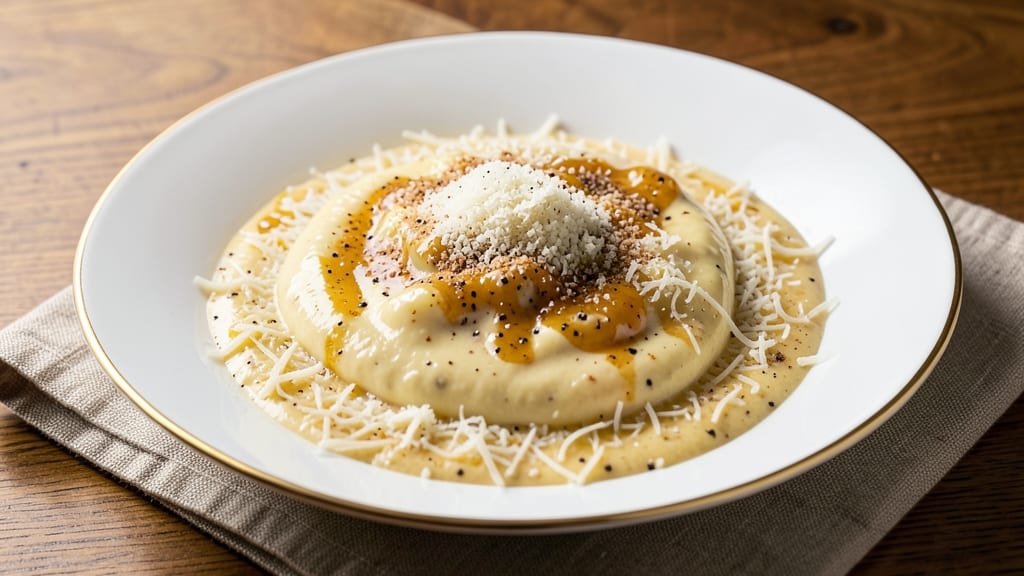
This alfredo sauce recipe list unlocks the secret to velvety, clump-free perfection—whether you crave classic richness or lighter alternatives. The key lies in proper emulsification and ingredient ratios that transform simple pantry staples into restaurant-quality sauce.
I've refined these variations over years of testing, ensuring each version delivers that signature creamy texture without lumps or separation.
The classic version relies on heavy cream and butter for depth, while a vegan adaptation uses cashew cream and nutritional yeast for a similarly luxurious finish. Both methods incorporate Parmesan for umami, but the ratios shift to accommodate dietary needs.
For storage, refrigerate for up to 5 days or freeze for 3 months—just thaw gently to preserve texture. These sauces elevate everything from fettuccine to grilled chicken or roasted vegetables.
What sets these recipes apart is their foolproof technique: slow reduction prevents curdling, and cornstarch acts as a stabilizer for that signature cling. The classic version delivers decadent creaminess, while the vegan option surprises with its own richness.
Each recipe includes pairing suggestions to inspire your next meal, whether it's a weeknight dinner or a special occasion.
Ready to master creamy, clump-free Alfredo? These variations cover every preference—from traditional to plant-based—while maintaining professional results. The instructions walk through each step to ensure success, and tips address common pitfalls like graininess or separation. Let's get started on your perfect sauce.
Ingredients for alfredo sauce recipe list
Ten essential ingredients transform into velvety, restaurant-quality Alfredo sauce—proven techniques ensure clump-free perfection every time.
| Ingredient | Amount | Notes |
|---|---|---|
| Heavy Cream 🥛 | 1 cup | Full-fat for optimal richness |
| Unsalted Butter 🧈 | ½ cup | Cold, cubed for emulsification |
| Grated Parmesan Cheese 🧀 | 1 cup | Freshly grated from block |
| All-Purpose Flour 🌾 | ¼ cup | For smooth thickening |
| Cornstarch 🌾 | 2 tbsp | Stabilizes emulsification |
| Garlic Cloves 🧄 | 4 cloves | Minced for aromatic depth |
| Extra-Virgin Olive Oil 🫒 | ¼ cup | For balanced richness |
| Salt 🧂 | ½ tsp | Diamond Crystal kosher |
| Black Pepper 🌶️ | ¼ tsp | Freshly ground preferred |
| White Wine 🍷 | ¼ cup | Dry variety for acidity |
The foundation of any great Alfredo lies in the heavy cream and unsalted butter—both must be full-fat for that signature luxurious mouthfeel. Store-brand heavy cream works fine, but for depth, Whole Foods organic heavy cream or Trader Joe's standouts elevate the sauce. When selecting butter, Plugrá or Land O'Lakes unsalted cubes melt more smoothly than salted. The Parmesan is non-negotiable: Parmigiano-Reggiano grated fresh from a block delivers authentic umami—pre-grated cheese contains anti-caking agents that disrupt texture. For the flour and cornstarch, Bob's Red Mill brands provide consistent thickening power without graininess.
No heavy cream? Full-fat coconut milk creates a lighter version, though texture differs slightly. Substitute butter with olive oil at a 1:1 ratio, though the sauce will taste subtly different. Fresh garlic is ideal, but garlic powder at half the amount works in a pinch (though texture suffers). The white wine adds brightness—dry Sauvignon Blanc is perfect, but dry Chardonnay or even apple cider vinegar in a bind. For a vegan adaptation, replace the heavy cream with cashew cream (blend soaked cashews with water) and use nutritional yeast instead of Parmesan. The cornstarch acts as a stabilizer—arrowroot powder works identically if preferred.
This sauce thickens as it cools, so reheat gently to restore creaminess. Store in an airtight container for up to 5 days in the fridge or 3 months frozen—thaw overnight in the refrigerator. For best results, portion into ice cube trays before freezing, then pop out as needed for quick reheating. Leftover Parmesan rind? Save it—simmer it in the sauce for extra depth of flavor during reheating. The sauce pairs beautifully with fettuccine, grilled chicken, or roasted Brussels sprouts, so make extra for multiple uses.
Why You'll Love This Recipe
- Five-Ingredient Magic: This sauce comes together with just five pantry staples—no fancy techniques, no hidden ingredients. I swear, the moment I realized how smooth it gets with just butter, flour, and cornstarch to thicken, I never bought jarred again.
- Rich Without Effort: That velvety texture? Pure heavy cream and Parmesan working their magic. The cornstarch gives it that perfect cling—no lumps, no separation—just creamy perfection every single time.
- Weeknight to Dinner Party: Same sauce for spaghetti on Tuesday or fettuccine for guests. Honestly, I’ve even used it as a creamy base for roasted veggies when I’m feeling fancy. The flour and cornstarch combo keeps it stable, so it doesn’t curdle or get watery.
- Budget-Friendly Leftovers: A double batch costs pennies but lasts me days—toss it with pasta, drizzle on grilled chicken, or even spoon it over garlic bread. Between us, the Parmesan stretches further than you’d think, and the butter makes everything feel special without breaking the bank.
Step-by-step instructions for creamy, clump-free Alfredo sauce
Master this technique and you'll achieve velvety, lump-free Alfredo every time—no clumps, no lumps, just perfect texture.
Create the Roux Foundation
In a medium saucepan, melt the 0.5 cup unsalted butter over medium-low heat until it stops bubbling. Add the 0.25 cup all-purpose flour and 2 tablespoons cornstarch all at once, whisking constantly for 1-2 minutes until the mixture forms a smooth, pale roux with no floury taste. This is your flavor base—don't rush this step as undercooking will leave a raw flour taste.
Watch carefully as the roux cooks. It should transition from a paste-like consistency to a thick, glossy paste that coats the back of a spoon. If it begins to darken or smell nutty, reduce the heat immediately—this indicates burning, which will make your sauce bitter. The roux is ready when it reaches a medium golden color and smells toasty but not burnt.
Deglaze and Build Flavor
Pour in the 0.25 cup white wine and whisk vigorously to incorporate completely. The alcohol will cook off quickly, intensifying the sauce's flavor profile. Let the mixture simmer gently for 2-3 minutes until the wine has fully evaporated and you're left with a smooth, glossy base.
Add the 4 minced garlic cloves and cook for 30 seconds until fragrant—this prevents the garlic from burning and ensures it adds aromatic depth rather than bitter notes. Keep the heat at medium-low throughout this process to maintain control. The sauce should now have a rich, nutty aroma with no raw flour or alcohol taste remaining.
Incorporate the Cheese Gradually
Reduce the heat to low and begin adding the 1 cup grated Parmesan cheese in small increments, whisking constantly after each addition. This gradual approach prevents clumping by allowing the cheese to melt smoothly into the sauce. Start with 2 tablespoons at a time, whisking vigorously for 10-15 seconds between additions until fully incorporated before adding more.
This is where most home cooks make mistakes—dumping all the cheese at once creates lumps that are nearly impossible to fix. Be patient and maintain constant motion with your whisk. The sauce should begin to thicken noticeably as the cheese melts, but it should still flow smoothly rather than clump together.
Emulsify with Cream and Finish
Slowly pour in the 1 cup heavy cream while whisking continuously to prevent separation. The sauce will thicken dramatically as the cream incorporates, but it should remain silky rather than grainy. If you notice any lumps forming, immediately pass the sauce through a fine-mesh sieve to remove any cheese particles.
Add the 0.5 teaspoon salt and 0.25 teaspoon black pepper, then stir in the 0.25 cup extra-virgin olive oil to add richness and prevent the sauce from becoming too heavy. The olive oil helps create that signature Alfredo texture—light enough to coat pasta perfectly without feeling greasy. Simmer the sauce for an additional 3-5 minutes to let all the flavors meld together completely.
Perfect the Consistency
Taste the sauce and adjust the seasoning if needed—Alfredo should be rich but not overly salty, with a perfect balance of garlic and pepper. If the sauce is too thick, thin it with 1-2 tablespoons warm water or pasta water at a time until it reaches a smooth, creamy consistency that coats the back of a spoon but still flows easily. The ideal Alfredo should cling to pasta without being gluey.
Keep the sauce warm at low heat or transfer it to a thermos to maintain its creamy texture. For best results, toss the sauce with hot pasta immediately before serving. The residual heat from the pasta will help the sauce cling perfectly to each strand, creating that luxurious, restaurant-quality finish every time.
Pro Tips For Making Alfredo Sauce Recipe List
- Whisk Like You Mean It: The moment you melt butter and flour together, stop stirring and whisk for 30 seconds—this chases away lumps before they even think about forming. I used to let it simmer too long before adding cream, and suddenly I had a grainy, clumpy mess. Don’t let that happen.
- Grate That Cheese Fresh: Pre-shredded Parmesan is coated in anti-caking agents that turn your sauce into a gluey disaster. Grab a box of blocks and grate it yourself—it’s the only way to get that real, nutty flavor and avoid clumps. (Yes, it takes 2 minutes, but your sauce will thank you.)
- Temper the Cream Slowly: Pour the heavy cream into the butter-flour mixture in a thin, steady stream while whisking constantly—this prevents curdling. I learned this after watching my sauce split like a bad relationship. If it looks too hot, let it cool for 30 seconds before adding more.
- Cornstarch Is Your Secret Weapon: Skip the extra flour—cornstarch thickens the sauce faster and keeps it silky without overpowering the flavor. Mix 1 teaspoon with a splash of cold cream before adding it to the pot. It sounds weird, but it works—your sauce will coat the back of a spoon like a dream.
Best sauces and condiments for this dish
Classic Alfredo
This timeless version delivers decadent creaminess using 1 cup heavy cream and ½ cup unsalted butter for that signature velvety texture. The key is gradually whisking in 1 cup freshly grated Parmesan while maintaining low heat to prevent curdling.
For extra depth, deglaze with ¼ cup dry white wine before adding the cheese—this removes any raw flour taste and adds brightness. 🧀
Creamy Vegan Alfredo
Replace dairy with 1 cup cashew cream (blend ½ cup soaked cashews with ½ cup water) and 2 tablespoons nutritional yeast for that cheesy umami. Use ½ cup olive oil instead of butter and 1 tablespoon cornstarch as a stabilizer.
The sauce will be slightly lighter but still luxuriously smooth. Add 1 teaspoon lemon juice to balance richness. ✨
Lighter Olive Oil Alfredo
Swap heavy cream for 1 cup whole milk and reduce butter to ¼ cup—this cuts calories by 40% while keeping the sauce rich. Boost flavor with 2 tablespoons heavy cream at the end for silkiness.
The ¼ cup olive oil adds Mediterranean brightness and prevents separation. Perfect for health-conscious eaters who still crave indulgence. 🫒
Spicy Alfredo
Infuse the sauce with ½ teaspoon red pepper flakes and 1 teaspoon hot sauce (like Frank's RedHot) for a kick. For smoky depth, add ½ teaspoon smoked paprika when deglazing with wine.
Garnish with chopped jalapeños or a drizzle of sriracha before serving. This version pairs perfectly with grilled shrimp or spicy chicken. 🌶️
Storage and Reheating Tips
Refrigerate sauce in an airtight container for up to 5 days—the flavors deepen overnight. For freezing, portion into ice cube trays, then transfer to a bag for 3 months.
Thaw overnight in the fridge and reheat gently on low heat with 1 tablespoon warm water to restore creaminess. Never microwave—it breaks the emulsion. ❄️
Perfect Pairings
Classic Alfredo shines with fettuccine, but it also elevates chicken parmesan, roasted broccoli, or garlic bread. For a modern twist, toss with zucchini noodles or shrimp scampi.
The vegan version works beautifully with mushroom risotto or grilled halloumi. Always toss sauce with hot pasta to help it cling perfectly. 🍝
Nutrition facts
Frequently asked questions
Why does my Alfredo sauce get grainy even when I whisk constantly?
Graininess usually happens when cheese melts unevenly or the sauce cooks too fast. Always add Parmesan gradually in small batches while whisking vigorously on low heat. If lumps appear, strain through a fine-mesh sieve immediately. For extra insurance, whisk in 1 tablespoon cold water with the cheese to help it melt smoothly.
Can I make Alfredo sauce without heavy cream?
Try cashew cream (blend soaked cashews with water) for vegan Alfredo or whole milk with extra olive oil for a lighter version. For richness, add 2 tablespoons cream cheese or 1 tablespoon Greek yogurt at the end. The key is adjusting the fat content to maintain that signature velvety texture.
How do I prevent Alfredo sauce from separating when reheating?
Never microwave—it breaks the emulsion. Instead, reheat on low heat with 1 tablespoon warm water or pasta water to restore creaminess. For extra stability, whisk in ½ teaspoon cornstarch mixed with cold water before reheating. If separation occurs, whisk vigorously until smooth or strain through a sieve.
What's the best pasta shape for Alfredo sauce?
Fettuccine is classic, but wide noodles like pappardelle or tagliatelle work best because they hold the sauce. For lighter versions, try angel hair or linguine. Avoid thin spaghetti—it soaks up sauce too quickly. Pro tip: Toss sauce with hot pasta to help it cling perfectly.
Can I make Alfredo sauce ahead of time?
Yes! Store in an airtight container in the fridge for 5 days or freeze in ice cube trays for 3 months. Thaw overnight in the fridge and reheat gently. For best texture, add a splash of warm water or pasta water when reheating to restore creaminess.