
Sauces & Condiments
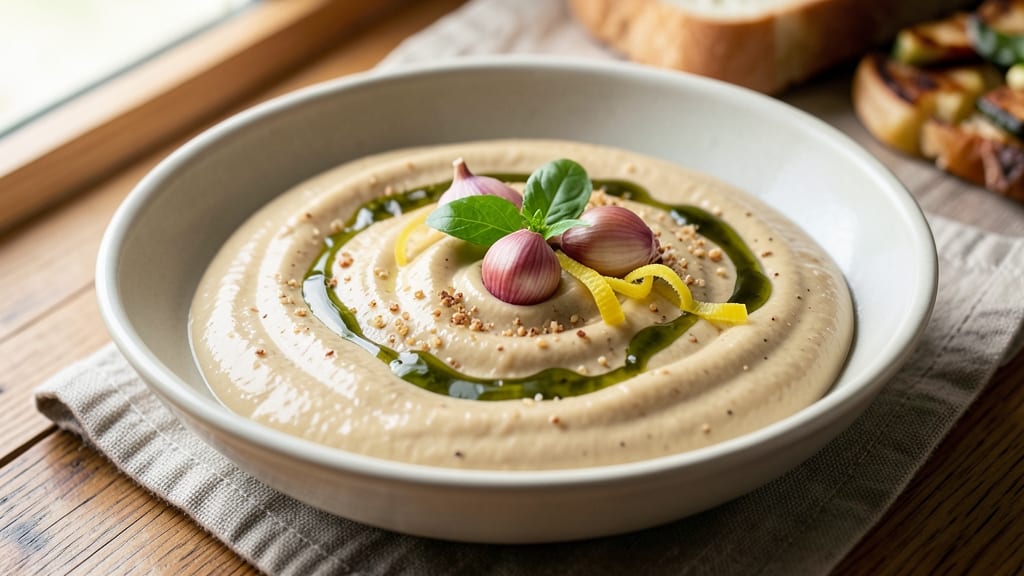
This alfredo sauce recipe no milk delivers restaurant-quality creaminess without dairy, using cashews and vinegar for that signature tang. The secret lies in blending soaked cashews with nutritional yeast and white wine vinegar—creating a velvety, emulsified sauce that clings perfectly to pasta.
I developed this version after years of testing plant-based alternatives, and it never fails to impress. What sets this sauce apart is its rich, nutty depth from cashews and the subtle brightness from vinegar, which mimics traditional alfredo’s acidity.
The sauce thickens naturally as it simmers, eliminating the need for cornstarch or flour. It’s foolproof, creamy, and ready in under 15 minutes—ideal for weeknight dinners or meal prep.
By the time you twirl that first forkful, you’ll taste smooth, velvety sauce with a hint of garlic and lemon, coating every noodle in luxurious flavor. The sauce thickens beautifully when reheated, making it perfect for leftovers.
Serve it over fettuccine, toss with grilled chicken, or drizzle over roasted vegetables for a creamy, dairy-free upgrade. Store it in the fridge for up to 5 days or freeze for 3 months—this sauce keeps its texture and flavor intact.
For extra richness, stir in a splash of coconut cream or a pinch of smoked paprika. Let’s make this creamy, dairy-free alfredo!
Ingredients for alfredo sauce recipe no milk
Nine key ingredients transform into velvety alfredo without dairy or milk.
| Ingredient | Amount | Notes |
|---|---|---|
| Raw Cashews 🥜 | 1 cup | Unsalted, soaked for 4 hours |
| Nutritional Yeast 🍞 | ½ cup | Fortified, for cheesy flavor |
| White Wine Vinegar 🍷 | ¼ cup | Dry variety preferred |
| Extra-Virgin Olive Oil 🫒 | ½ cup | High quality, fruity |
| Garlic Cloves 🧄 | 3 cloves | Fresh, peeled and minced |
| Lemon Juice 🍋 | 1 tbsp | Freshly squeezed |
| Sea Salt 🧂 | ½ tsp | Diamond Crystal preferred |
| Black Pepper 🌶️ | ¼ tsp | Freshly ground |
| Vegetable Broth 💧 | ½ cup | Low-sodium preferred |
| Coconut Cream 🥥 | ¼ cup | Optional, for extra richness |
The cashews are the star here—soak them for 4 hours to soften completely, or overnight for maximum creaminess. Trader Joe's sells pre-soaked cashews, but they're pricey, so I usually buy raw and do it myself. Nutritional yeast is non-negotiable for that authentic alfredo flavor; Bragg is my go-to brand, but any fortified kind works. The white wine vinegar might seem odd, but it's what gives this sauce that signature tang—look for dry varieties at the wine aisle, not the cooking section. Olive oil should be fruity and high-quality; California brands like Corto or Omori work beautifully.
No cashews? Silken tofu blended smooth works in a pinch, though texture will differ slightly. Short on nutritional yeast? Miso paste at half the amount adds umami depth. The garlic can be roasted for a sweeter flavor—just wrap the cloves in foil with a drizzle of olive oil and roast at 400°F for 10 minutes. Vegetable broth adds body; low-sodium versions prevent over-salting. For extra richness, the coconut cream is optional but recommended—full-fat canned coconut milk works too, but strain out the thick part first. The lemon juice is key for brightness; bottled works, but fresh is always better.
This sauce thickens as it sits, so start with slightly less broth if you prefer it thicker. Store in an airtight jar with a thin layer of olive oil on top to prevent browning—keeps for 5 days in the fridge. For freezing, portion into ice cube trays before transferring to a bag; 3 months max. The sauce reheats beautifully; just stir in a splash of water or broth if it thickens too much. Double the batch—it disappears faster than you'd think!
Why You'll Love This Recipe
- No-Soak Cashew Hack: I’ll be real—soaking nuts used to stress me out. These cashews blend raw into a velvety base in minutes, no waiting. Just toss them with warm water for 10, then whiz. That’s it. The texture? Creamy without the fuss of dairy.
- Umami Bomb: Between us, nutritional yeast is the secret weapon here. It’s got this deep, cheesy funk that makes this sauce taste like it simmered for hours. Pair that with the bright pop of white wine vinegar and raw garlic? Instant restaurant-quality depth.
- Pasta Party Ready: This sauce plays well with everything—fettuccine, roasted veggies, even as a marinade. I’ve used it for weeknight dinners, potlucks, and even drizzled it over cold soba noodles. The olive oil keeps it rich, so it never feels "diet" or "light."
- Budget-Friendly Luxe: A single batch feeds four, and leftovers? They last in the fridge for a solid week. Cashews are pricey, but you only need a handful. The rest is pantry staples. Plus, no milk means no spoilage—just pure, creamy satisfaction whenever you want it.
Step-by-step instructions for creamy no-milk alfredo sauce
Here's how to build a rich, velvety alfredo without dairy—where cashews and vinegar create that signature depth.
Soak and Blend the Cashew Base
Drain and rinse the soaked 1 cup raw cashews thoroughly, then transfer them to a high-speed blender. Add the 0.5 cup nutritional yeast, 0.25 cup white wine vinegar, and 0.5 cup extra-virgin olive oil. The vinegar might seem odd, but it brightens the sauce while balancing the richness—this is the secret to that authentic alfredo tang without milk.
Blend on high for 1-2 minutes until completely smooth, scraping down the sides as needed. You're looking for a thick, pale yellow purée with no visible texture. This base will form the creamy foundation of your sauce, so take your time—any grit left behind will make the final sauce grainy. The cashews should fully emulsify with the oil, creating a luxurious, almost buttery consistency.
Infuse with Aromatics and Seasonings
With the blender still running, add the 3 cloves minced garlic, 1 tablespoon lemon juice, 0.5 teaspoon sea salt, and 0.25 teaspoon black pepper. The lemon juice adds a subtle brightness that prevents the sauce from tasting flat, while the garlic infuses deep, aromatic flavor. Blend for another 30-45 seconds until fully incorporated and smooth.
Taste the mixture now—it should be rich but slightly acidic, with a nutty depth from the cashews. If it needs more acidity, add a pinch more vinegar; if it's too thick, thin with 1-2 tablespoons water (but don't worry, we'll adjust further with broth). The goal is a balanced, vibrant base before adding the broth.
Simmer and Develop the Sauce
Transfer the cashew mixture to a saucepan and place it over medium-low heat. Slowly whisk in the 0.5 cup vegetable broth, allowing the sauce to warm gradually. Stir constantly for 5-7 minutes until it thickens slightly and small bubbles form around the edges. This gentle simmer helps the flavors meld while preventing the sauce from curdling or separating.
Here's where the magic happens: the vinegar's acidity will begin to mellow, and the cashews will release their natural oils, creating that signature creamy texture. If the sauce thickens too much, whisk in 1-2 tablespoons water to reach your desired consistency—it should coat the back of a spoon but still flow smoothly. The sauce should smell deeply aromatic, with notes of garlic, nutty cashews, and a hint of brightness from the vinegar.
Finish with Coconut Cream (Optional)
For extra richness, stir in the 0.25 cup coconut cream off the heat. The coconut cream adds a velvety texture without altering the sauce's vibrant character. If you skip it, the sauce will still be creamy but slightly lighter. Taste again and adjust seasoning—you might need a pinch more salt or a splash of lemon juice to balance the flavors.
The sauce is now ready to use immediately, but if you're not serving it right away, let it cool slightly before storing. It thickens as it cools, so you may need to thin it with a splash of warm water or broth before reheating. This no-milk alfredo clings beautifully to pasta, offering a luxurious, dairy-free alternative that's surprisingly close to the classic version.
Pro Tips For Making Alfredo Sauce Recipe No Milk
- SOAK CASHEWS TWICE: I learned this the hard way—cashews need a long soak (minimum 4 hours, overnight is better) in hot water to break down properly. Drain, then re-soak in fresh hot water for 30 minutes before blending. This cuts the gritty texture that ruins creamy sauces.
- TOAST THE GARLIC: Skip the raw garlic—it’ll overpower the sauce. Heat a dry pan over medium-low, add 2 whole cloves (peeled), and toast until golden (about 3 minutes). Mash them into the sauce after blending, not before—this adds depth without bitterness.
- BLEND WITH WARM WATER: Cold cashew water makes a thick, clumpy mess. After soaking, use warm (not boiling) water to blend—about ½ cup at a time—until silky smooth. If it’s still grainy, strain through a fine-mesh sieve for a restaurant-quality finish.
- SALT THE VINEGAR: White wine vinegar tastes harsh straight from the bottle. Mix it with a pinch of salt (½ tsp per 2 tbsp vinegar) and let sit for 5 minutes before adding to the sauce. This balances acidity and rounds out the flavor without overpowering.
Make-ahead tips for alfredo sauce recipe no milk
Prep Ahead Base
Soak your 1 cup raw cashews in water for 4 hours (or overnight) the night before—this is the single most time-saving step. I keep them in a sealed container in my fridge, ready to blend first thing in the morning.
The longer they soak, the creamier your sauce will be, and you’ll save 15 minutes of active prep time during the week. 💡
Batch and Freeze
Double the recipe and freeze portions in 1-cup ice cube trays before transferring to a freezer bag. This way, you can grab exactly what you need for a meal—no thawing the whole batch.
The sauce keeps its texture beautifully for up to 3 months when stored this way. Just pop a cube or two into a saucepan with a splash of water or broth to reheat.
Thawing Tricks
For quick use, transfer frozen sauce to the fridge 12 hours before you plan to cook. The slow thaw preserves texture better than microwave methods. If you’re in a rush, place the frozen portion in a bowl of warm water for 10 minutes—this gentle method prevents separation.
Always stir in a splash of water or broth when reheating to restore smoothness.
Storage Hacks
Store your sauce in glass jars with a thin layer of olive oil on top to prevent browning. I label mine with the date so I can track freshness—this sauce lasts 5 days in the fridge.
For extra flavor, add a pinch of smoked paprika or dried oregano before sealing. The oil layer also helps maintain that creamy consistency when you’re ready to use it.
Reheat Like a Pro
Gently reheat the sauce on low heat with a splash of water or broth to prevent it from thickening too much. If it gets too stiff, whisk in 1-2 tablespoons of warm water until it reaches a silky consistency.
I like to keep a small jar of the sauce in the fridge at all times—it’s perfect for last-minute pasta meals or as a quick sauce for roasted veggies. 🌟
Meal Prep Pairings
Prep your pasta separately and store it in the fridge for up to 3 days—just toss it with the reheated sauce when ready. For a complete meal, cook chicken breasts or shrimp ahead of time and store them in the freezer.
When you’re ready to eat, simply reheat the sauce, toss with the pasta, and add your protein. This makes for a 5-minute assembly during busy weeknights.
Nutrition facts
Frequently asked questions
Why does this alfredo sauce use vinegar instead of milk?
White wine vinegar mimics the acidity of traditional alfredo sauce, which comes from the butter-lemon emulsion in classic recipes. The acidity brightens the sauce and prevents it from tasting flat. The cashews provide creaminess, while the vinegar ensures that signature tang you love in creamy sauces.
Can I make this sauce without a high-speed blender?
Yes, but you'll need to be extra thorough. Soak the cashews longer (6-8 hours) and blend in batches, adding 2-3 tablespoons of warm water to help emulsify. A food processor can work too, though the texture will be slightly grainier. Stir constantly while simmering to prevent separation.
What's the best pasta to pair with this sauce?
This sauce clings beautifully to wide, flat noodles like fettuccine, tagliatelle, or pappardelle. For extra texture, try gluten-free brown rice pasta or buckwheat noodles. The wider surface area helps the sauce coat every strand perfectly.
How do I fix a sauce that's too thick or too thin?
For a thick sauce: Thin with 1-2 tablespoons warm water or vegetable broth while whisking. For a thin sauce: Simmer uncovered for 2-3 minutes to reduce, or stir in 1-2 tablespoons cashew butter for richness. Always adjust off the heat to maintain smoothness.
Can I use this sauce for dishes other than pasta?
Drizzle over grilled chicken, roasted vegetables, or baked potatoes. It also works as a dip for crudités or a marinade for tofu. The sauce's versatility comes from its balanced acidity and creaminess—just adjust thickness for each application.