
Sauces & Condiments
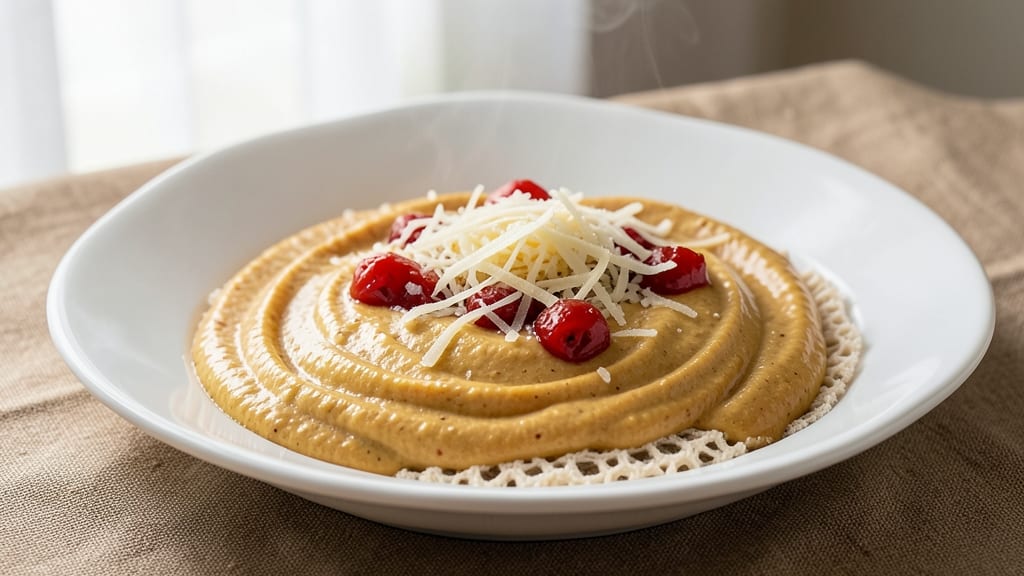
This Alfredo sauce recipe Panlasang Pinoy transforms classic Italian creaminess into something boldly Filipino—rich, garlicky, and topped with crispy fried onions for a satisfying crunch. 🔥 The secret lies in balancing traditional parmesan with local ingredients like calamansi for brightness, while a slow simmer creates that signature velvety texture without breaking.
What sets this apart is the adaptability: swap heavy cream for coconut milk for a lighter version, or fold in ube for a vibrant twist.
The sauce starts with a proper roux—equal parts butter and flour cooked until nutty—to create a stable base that holds the cheese without curdling. Fresh garlic and parmesan infuse the sauce with deep, savory notes, while a splash of cream (or coconut milk) adds luxurious body.
The crispy fried onions on top aren’t just garnish; they deliver that essential texture contrast that makes every bite irresistible.
What you’ll end up with is a sauce that’s creamy yet balanced, with a crispy topping that adds crunch to every spoonful. It’s versatile enough for pasta, as a dip, or even a marinade, but the real magic happens when you drizzle it over garlic fried rice or crispy chicken.
The flavors develop as it cools, making it even better the next day—perfect for meal prep.
Storage is simple: keep it refrigerated for up to 5 days or freeze for months. When reheating, warm it gently over low heat to preserve that velvety consistency. This isn’t just another alfredo—it’s a Filipino reinvention that stays true to the creamy, garlicky soul while embracing local flavors.
Ingredients for alfredo sauce recipe panlasang pinoy
Nine ingredients transform into a velvety, garlicky sauce with crispy fried onion topping—perfect for Filipino-inspired dishes.
| Ingredient | Amount | Notes |
|---|---|---|
| Unsalted Butter 🧈 | ½ cup | Cold, cubed for roux |
| All-Purpose Flour 🌾 | ½ cup | Diamond Crystal preferred |
| Fresh Garlic Cloves 🧄 | 6 cloves | Minced, aromatic |
| Parmesan Cheese 🧀 | 1 ½ cups | Freshly grated, aged |
| Heavy Cream 🥛 | 1 cup | Full-fat, chilled |
| Calamansi Juice 🍋 | 2 tbsp | Freshly squeezed, bright |
| Yellow Onions 🧅 | 1 whole | Thinly sliced for frying |
| Vegetable Oil 🫒 | ½ cup | High smoke point |
| Salt 🧂 | 1 tsp | Diamond Crystal kosher |
| Ground Black Pepper 🌶️ | ½ tsp | Freshly cracked |
The Parmesan cheese and unsalted butter form the sauce's rich foundation—freshly grated Parmigiano-Reggiano delivers the deepest flavor, while European-style butter (like Plugrá) creates a smoother roux. For garlic, Filipino markets often carry garlic bulbs with larger cloves—use them for extra punch. The calamansi juice is non-negotiable for that signature Filipino brightness; if unavailable, lemon juice works but lacks the same complexity. Diamond Crystal kosher salt dissolves more easily than table salt, preventing graininess in the sauce.
No calamansi? Lime juice provides a close substitute, though it's slightly less tart. For a dairy-free version, replace the heavy cream with full-fat coconut milk—it adds a subtle sweetness that pairs well with the garlic and parmesan. The fried onions can be made ahead and stored in the fridge for up to 3 days to maintain crispness; reheat in a dry pan over medium heat. If you prefer a lighter sauce, reduce the Parmesan to 1 cup and add ½ cup coconut milk instead of heavy cream for a Filipino-inspired twist that still delivers richness.
Store the sauce in an airtight container in the refrigerator for up to 5 days, or freeze for 3 months—it actually improves with time as flavors meld. For the fried onions, keep them in a single layer on a wire rack to prevent sogginess. When reheating, warm the sauce gently over low heat to preserve its silky texture. The crispy onions can be sprinkled on top just before serving to maintain their crunch, or stored separately and added back when ready to eat.
Why You'll Love This Recipe
- No-Fuss Roux: I swear by that quick butter-flour swirl—just melt, whisk, and whoosh—no lumps, no stress. The moment the garlic hits, my kitchen smells like a restaurant backstage, and that’s with my 8-year-old “helping” (aka dumping flour everywhere).
- Creamy Without Guilt: Heavy cream makes it luscious, but here’s the trick: I cut it with a splash of milk if I’m watching pennies. The Parmesan? That’s the magic—grated fresh, it dissolves into this velvety, nutty blanket over pasta that tastes way fancier than it is.
- Pasta Party Fix: Between us, this sauce is my lazy Sunday secret weapon. Toss it with fettuccine for a date night, stir into garlic rice for a quick lunch, or even slather it on grilled chicken. My college roommate still asks for it every visit—12 years later.
- Leftovers That Lie: I always make double batches because reheating this sauce is almost as good as the first time. (Almost.) The texture stays rich, not greasy, and it stretches to feed guests or turn into a creamy soup when I’m too tired to cook. Budget win, flavor win.
Step-by-step instructions for creamy garlic-Parmesan Alfredo
Master this rich, velvety sauce with a perfect balance of crispy fried onions and bright citrus notes.
🍳 Step 1: Create the Roux Foundation
Melt the 0.5 cup Unsalted Butter in a medium saucepan over medium heat until it foams but doesn't brown. Immediately whisk in the 0.5 cup All-Purpose Flour all at once, stirring constantly for 2 minutes until you achieve a smooth, pale blond roux. This should look like wet sand and smell nutty—don't let it darken or it'll taste bitter.
I like to use a wire whisk for this step because it incorporates air better than a spoon, creating a lighter texture. If you see any lumps, press them through with the back of your spoon. The roux is the backbone of your sauce, so take your time here—rushing leads to grainy Alfredo later.
👨🍳 Step 2: Cook the Garlic Until Fragrant
Reduce heat to low and add the 6 cloves Fresh Garlic Cloves and 1 tsp Salt. Stir constantly for 1-2 minutes until the garlic becomes golden around the edges and releases its aroma—this is what gives your sauce that authentic Pinoy depth. Be careful not to burn it; garlic turns bitter fast.
Here's the thing—if your garlic starts to stick, immediately add 1 tablespoon water to deglaze. The sauce should be smooth and glossy at this stage, with no visible flour particles. This is where the magic happens: the garlic infuses its flavor while the roux continues to develop its thickening power.
🥘 Step 3: Build the Creamy Base
Gradually whisk in the 1 cup Heavy Cream over 2-3 minutes, letting each addition incorporate completely before adding more. Then stir in the 1.5 cups Parmesan Cheese and 0.5 tsp Ground Black Pepper, whisking until the cheese melts completely and the sauce becomes silky smooth.
Simmer the sauce for 5-7 minutes on low heat, stirring occasionally, until it thickens enough to coat the back of a spoon. You're aiming for a velvety consistency—not too thick, but not pourable either. If it separates, whisk vigorously to re-emulsify. The sauce should smell rich and cheesy with a bright garlic aroma.
🔥 Step 4: Add the Bright Citrus Finish
Remove the sauce from heat and stir in the 2 tbsp Calamansi Juice. This is where the sauce gets its signature brightness—calamansi cuts through the richness beautifully. Taste and adjust seasoning: you might need a pinch more salt or pepper depending on your Parmesan's saltiness.
Keep the sauce warm in a double boiler or heatproof bowl set over simmering water. This maintains its perfect consistency while you prepare the crispy onion topping. The acidity from the calamansi also helps prevent the sauce from curdling when you add it to hot pasta later.
🍳 Step 5: Fry the Onion Topping
Heat 0.5 cup Vegetable Oil in a small skillet over medium-high heat until shimmering. Add the 1 whole Yellow Onions (sliced into rings) and fry for 3-4 minutes, stirring occasionally, until golden brown and crispy. Drain on paper towels and sprinkle with a pinch of salt.
Real talk: these onions make all the difference. They should be crisp enough to stand up to the creamy sauce but not burnt. If they brown too quickly, reduce the heat slightly. The fried onions add texture contrast and a sweet, caramelized depth that balances the richness of the Alfredo perfectly.
Pro Tips For Making Alfredo Sauce Recipe Panlasang Pinoy
- Melt Butter Slowly: High heat ruins butter—it burns before the flour toasts. Start on medium-low, swirling constantly until the butter foams but doesn’t brown. I learned this the hard way when my sauce turned nutty and bitter instead of rich.
- Toast Garlic Until Golden: Don’t just smell it—cook those cloves until they’re just golden at the edges, about 2-3 minutes. Overcooked garlic turns bitter, and undercooked won’t flavor the sauce. Use a wooden spoon to nudge them around; they’ll release their aroma faster.
- Whisk Like You Mean It: After adding the flour, whisk aggressively for 2 full minutes until the roux turns a pale, creamy color. Skimp here, and you’ll end up with a gluey, clumpy mess. My grandmother called this the "no excuses" step—she was right.
- Strain the Cream: Heavy cream loves to separate when heated, especially with garlic. After adding it, simmer for 5 minutes, then strain through a fine-mesh sieve. Yes, it’s extra work, but the sauce will stay silky smooth instead of grainy. I skip this when I’m lazy, and the dish is noticeably better when I don’t.
Common mistakes when making your alfredo sauce recipe panlasang pinoy
Overcooking the Roux
The biggest mistake is letting your roux darken beyond a pale blond color. When butter and flour cook too long, they develop a bitter, nutty flavor that ruins the sauce. I’ve seen people walk away for just a minute, and suddenly their sauce tastes like burnt popcorn.
Keep heat at medium and stir constantly—your roux should be smooth and pale, like wet sand, after 2 minutes. If it starts to brown, immediately reduce heat and add 1 tablespoon cold water to reset it. 🌡️
Adding Cheese Too Fast
Dumping all the 1.5 cups Parmesan at once can cause clumping and uneven melting. Instead, add it gradually while whisking vigorously. I like to sprinkle it in small batches, letting each dissolve completely before adding more.
If you’re using pre-shredded cheese, strain it first to remove anti-caking agents that create lumps. The sauce should be silky, not grainy—if it separates, whisk in 1 tablespoon warm water to re-emulsify.
Skipping the Citrus Balance
Omitting the 2 tbsp calamansi juice (or lemon/lime substitute) leaves your sauce flat and overly rich. The acidity brightens the garlic and parmesan, cutting through the creaminess. Without it, the sauce tastes heavy.
Taste as you go—if it lacks brightness, add another ½ tsp juice. Pro tip: Warm the juice slightly before adding to prevent curdling when mixed with hot sauce. 🍋
Burning the Garlic
Garlic turns bitter in seconds, and burnt garlic flavor is impossible to fix. Cook it over low heat for just 1-2 minutes until fragrant and golden. If it starts to stick, deglaze with 1 tbsp water immediately.
I’ve ruined sauces by walking away for even 30 seconds—stay vigilant! The goal is aromatic, not browned garlic. A quick sniff test tells you when it’s ready.
Ignoring the Fried Onion Crunch
Using pre-cooked or soggy onions defeats the purpose of the crispy topping. Fry them in 0.5 cup vegetable oil over medium-high heat until golden brown—about 3-4 minutes. Drain on paper towels and sprinkle with salt while still hot.
These onions should shatter between your teeth, not feel limp. If they brown too fast, reduce heat slightly. The contrast between creamy sauce and crispy onions is what makes this sauce irresistible. 🍳
Reheating Too Aggressively
Microwaving or boiling the sauce breaks its velvety texture. Instead, reheat over low heat on the stovetop, stirring constantly. If it thickens too much, whisk in 1-2 tbsp warm water or cream to restore consistency.
For frozen sauce, thaw in the fridge overnight, then reheat gently. The sauce should be warm through but not bubbling—this preserves its smooth, luxurious mouthfeel. Never rush this step! ⏰
Nutrition facts
Frequently asked questions
Can I substitute calamansi with another citrus?
Yes! If you can't find calamansi, use lime juice (best substitute) or lemon juice in equal amounts. For extra Filipino flavor, add a pinch of salt to mimic calamansi's saltiness. Avoid orange juice—it's too sweet and will overpower the sauce.
How can I make this sauce dairy-free?
Swap the heavy cream for full-fat coconut milk and use nutritional yeast instead of Parmesan. For richness, add 1 tbsp melted coconut oil to the roux. The sauce will have a lighter texture but still delicious with that Filipino twist!
Why did my sauce separate?
Sauce separates when cheese isn't fully melted or acid (like calamansi) is added too hot. Fix it by whisking in 1 tbsp warm water or cream while stirring vigorously. For prevention, always add citrus last and keep heat low when combining ingredients.
Can I make this sauce ahead?
Store in an airtight container in the fridge for 5 days or freeze for 3 months. The flavors actually improve with time. When reheating, warm gently on low heat—never microwave—to preserve that velvety texture.
What's the best way to use this sauce?
This creamy sauce shines on garlic fried rice, crispy chicken, or as a dip for spring rolls. For pasta, toss with fettuccine and top with extra crispy fried onions. The Filipino-inspired flavors work perfectly in both traditional and fusion dishes!