
Sauces & Condiments
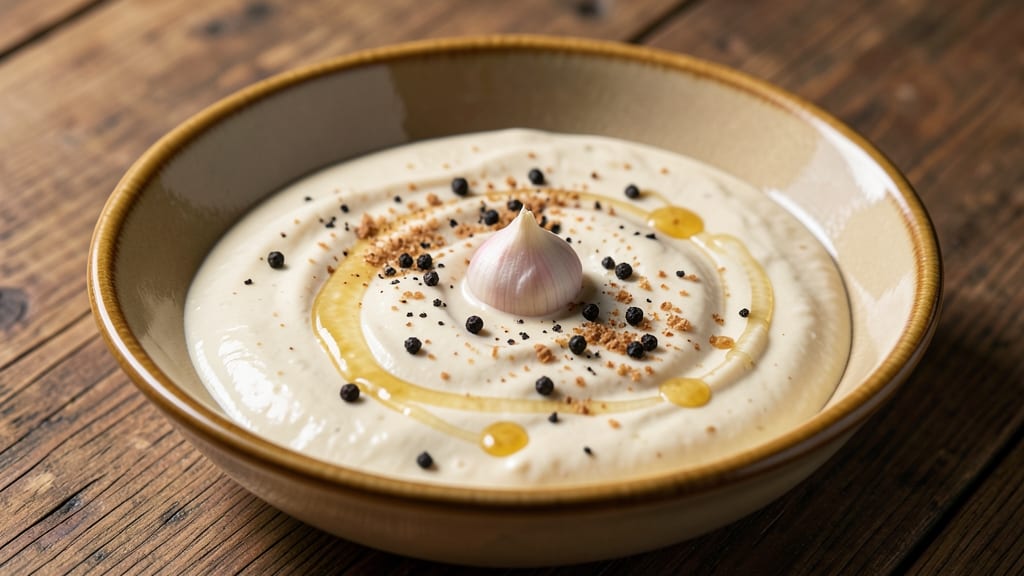
This alfredo sauce recipe using cottage cheese transforms a pantry staple into velvety, restaurant-quality richness without heavy cream. The secret lies in blending cottage cheese with butter and milk until silky smooth, creating a sauce that clings perfectly to pasta while delivering a subtle tang.
I developed this version after years of testing—it’s foolproof, freezer-friendly, and packed with flavor that stands up to garlic and herbs.
The beauty of cottage cheese as the base is its natural thickness and mild tang, which mimics traditional Alfredo while keeping the sauce lighter.
You’ll need just 8 ounces of cottage cheese, 4 tablespoons of butter, and 1 cup of milk to create a sauce that’s creamy yet not overly heavy. The key is blending it until completely smooth—no lumps allowed—and adjusting the milk for the perfect consistency.
This sauce works equally well on fettuccine, chicken, or even as a dipping sauce for bread.
What sets this recipe apart is its versatility and storage potential. Make a double batch and freeze half for future meals—it reheats beautifully without separating. The sauce’s subtle tang pairs wonderfully with roasted garlic, black pepper, and a touch of nutmeg, elevating any dish it touches.
Whether you’re feeding a family or meal prepping for the week, this sauce delivers restaurant-quality results with minimal effort.
For extra richness, stir in a splash of heavy cream or a pat of butter at the end, but trust me—the cottage cheese base alone delivers impressive depth. The sauce thickens slightly as it cools, so adjust with a splash of milk if needed.
This is the kind of recipe that becomes a weekly staple once you try it. Let’s get blending!
Ingredients for alfredo sauce recipe using cottage cheese
Eight simple ingredients transform cottage cheese into velvety Alfredo sauce without heavy cream.
| Ingredient | Amount | Notes |
|---|---|---|
| Small-Curd Cottage Cheese 🧀 | 8 oz | Full-fat for creaminess, drained if watery |
| Unsalted Butter 🧈 | 4 tbsp | Cold, cut into small cubes |
| Whole Milk 🥛 | 1 cup | Room temperature preferred |
| Fresh Garlic Cloves 🧄 | 2 cloves | Minced for depth of flavor |
| Ground Black Pepper 🌶️ | ½ tsp | Freshly cracked for best flavor |
| Ground Nutmeg 🌿 | ¼ tsp | Freshly grated for warmth |
| Fresh Parsley Leaves 🌿 | ¼ cup | Chopped, for fresh brightness |
| Salt 🧂 | ½ tsp | Diamond Crystal preferred |
| Heavy Cream 🥛 | ¼ cup | Optional, for extra richness |
The cottage cheese is the MVP here—full-fat, small-curd varieties like Tillamook or Organic Valley blend the smoothest. Grab the 2% or whole milk from the dairy aisle, not the skim. Butter matters too: unsalted, cold cubes melt into the sauce without turning it greasy. Fresh garlic and parsley are worth the extra minute to chop—Trader Joe's sells pre-minced garlic if you're in a rush, but fresh tastes better. The nutmeg? A generous pinch makes all the difference, so don't skimp.
No fresh parsley? Dried Italian seasoning at half the amount works in a pinch. Short on cottage cheese? Greek yogurt or ricotta can substitute, but blend longer to avoid lumps. The sauce thickens as it cools, so start with less milk if you prefer it looser. Want to make it vegan? Swap the butter for vegan butter** and use almond milk instead of whole milk. The heavy cream is optional but turns this into a decadent restaurant-style sauce—add it at the end if you're feeling fancy.
This sauce keeps for 5 days in the fridge, sealed tightly with plastic wrap pressed right on the surface. Freeze for up to 3 months by portioning into ice cube trays—just thaw and stir. The flavor actually improves overnight as everything melds. I always make a double batch because it disappears fast—perfect for pasta, chicken, or even as a creamy dip. Reheat gently on low heat, adding a splash of milk if it thickens too much.
Why You'll Love This Recipe
- No Blender Needed: I swear by this sauce because it’s all about the stovetop—just melt butter, crush garlic, and let that small-curd cottage cheese blend right in with the milk. No pulsing, no straining, just smooth, creamy magic in one pot.
- Garlic-Lover’s Dream: That first hit of raw garlic in the butter? Chef’s kiss. But here’s the twist: the cottage cheese mellows it out into this rich, velvety sauce with just a whisper of heat—no overpowering bite, just deep, savory goodness.
- Pasta Party Ready: Between us, this sauce is my go-to for everything—fettuccine, chicken, even as a dip for garlic bread. It doubles easy, so I make a big batch and freeze half for lazy nights when I just need something ridiculously good on the table.
- Budget Booster: Cottage cheese is my secret weapon for creamy sauces without breaking the bank. A block of butter and a few cloves of garlic cost next to nothing, but the flavor? It’s the kind of sauce that makes you forget you’re saving money. (Yes, even on a Tuesday night.)
Step-by-step instructions for creamy cottage cheese alfredo
Here's how to make a lusciously smooth alfredo sauce using cottage cheese—no heavy cream needed.
Melt Butter and Blend Cottage Cheese
In a medium saucepan, melt the 4 tbsp unsalted butter over medium-low heat until it's fully liquid but not browned. I like to cut the butter into small cubes first so it melts evenly. Once melted, reduce the heat to low and add the 8 oz small-curd cottage cheese all at once.
Using an immersion blender, blend the mixture until completely smooth—this usually takes about 1-2 minutes. You want to eliminate every last lump for that velvety texture. If you don't have an immersion blender, strain the mixture through a fine-mesh sieve after blending to ensure silky perfection. The sauce should look thick and creamy, like a rich béchamel.
Add Milk and Aromatics
Gradually whisk in the 1 cup whole milk while continuing to heat on low. This gradual addition prevents the sauce from curdling. Add the 2 cloves minced fresh garlic cloves, 0.5 tsp ground black pepper, 0.25 tsp ground nutmeg, and 0.5 tsp salt. Stir constantly for 3-4 minutes until the sauce begins to thicken slightly and the garlic is fragrant but not browned.
Here's where the magic happens: the nutmeg adds warmth while the pepper brightens the flavor. Taste as you go—you might want to adjust the seasoning slightly. The sauce should be seasoned like a well-made alfredo, with a balance of salt, pepper, and nutmeg. If it's too thick at this point, we'll fix that in the next step.
Finish with Cream and Parsley
Remove the saucepan from heat and stir in the 0.25 cup heavy cream (if using). This optional step adds extra richness, but the sauce will still be delicious without it. Return the pan to low heat and let the sauce simmer gently for 1-2 minutes just to incorporate the cream.
Finally, stir in the 0.25 cup chopped fresh parsley leaves. This adds freshness that cuts through the richness. The parsley should be finely chopped so it distributes evenly. If the sauce is too thick after adding the cream, thin it with 1-2 tablespoons of pasta water until it reaches a smooth, clingy consistency—this is perfect for coating fettuccine.
Use Immediately or Store Properly
This sauce is best used immediately over hot pasta, but if you need to store it, let it cool completely before transferring to an airtight container. It will keep in the refrigerator for up to 3 days. When reheating, warm it gently on the stove over low heat, stirring frequently to prevent separation. If it thickens too much while reheating, add a splash of milk or water to restore its creamy texture.
The key to success is keeping the heat low throughout the process. Cottage cheese can easily curdle if overheated, so patience is crucial. The result should be a sauce that clings beautifully to pasta, with a rich, velvety texture that's far lighter than traditional cream-based alfredo but just as satisfying.
Pro Tips For Making Alfredo Sauce Recipe Using Cottage Cheese
- STRAIN THE CURDS: Small-curd cottage cheese blends smoother and lump-free if you press it through a fine-mesh sieve before adding it to the sauce. I learned this the hard way—skipping it leaves those stubborn little curds no matter how much you whisk.
- LOW AND SLOW: Keep the heat at a bare simmer, not a boil, or the milk will curdle and turn grainy. After burning two batches, I finally realized patience here means creamier sauce—no shortcuts, even if you’re eager.
- ROAST THE GARLIC: Lightly toast 2–3 minced garlic cloves in butter for 30 seconds before adding milk—it deepens the flavor without that raw, sharp bite. Sounds like extra work, but it makes a real difference when you taste the difference.
- SALT THE MILK: Add a pinch of salt to the warm milk before mixing it with cottage cheese—it balances the tang and prevents the sauce from tasting flat. I was skeptical until I tried it; now I never skip it.
Essential equipment for this recipe
Immersion Blender
This is the MVP tool for your cottage cheese Alfredo—no lumps, no stress. I use the Ninja Countertop Blender (about $30), but any good immersion blender will work. The key is blending until completely smooth, which takes about 1-2 minutes.
If you don’t have one, strain through a fine-mesh sieve after blending for that silky texture. 💫
Medium Saucepan
Choose a 3-quart stainless steel saucepan—it heats evenly and prevents scorching. I love my All-Clad 3-quart pan (around $80), but a good Calphalon or even a heavy-duty Farberware works perfectly. The saucepan should have a tight-fitting lid for storage, but you won’t need it during cooking.
Fine-Mesh Sieve
For that ultra-smooth texture, a fine-mesh sieve (like the OXO Good Grips for $15) is a game-changer. It catches any stray cottage cheese bits that might slip through blending. If you’re in a pinch, a cheesecloth works too—just strain the sauce through it for extra silkiness.
Wooden Spoon
A wooden spoon (like the OXO Good Grips set) is essential for stirring the sauce gently. Wood won’t scratch your pan and helps prevent curdling. I keep one in my kitchen at all times—it’s my go-to for everything from sauces to soups.
Avoid metal spoons, which can react with the acidity in cottage cheese.
Measuring Spoons
Precision matters with spices! Invest in a set of stainless steel measuring spoons (like Weston or OXO) for accurate measurements. A ¼ teaspoon of nutmeg makes a huge difference—don’t eyeball it! I also keep a small jar for my spices to keep them fresh and organized.
Optional: Ice Cube Trays
For easy storage, grab a set of silicone ice cube trays (like Stasher or EZ Freeze). Portion your sauce into these before freezing—just pop out a cube when you need it.
This keeps the sauce from forming a big block and makes reheating a breeze. I freeze mine in ½-cup portions for perfect single-use servings. ❄️
Nutrition facts
Frequently asked questions about cottage cheese alfredo
Why does cottage cheese work in Alfredo sauce?
Cottage cheese adds natural thickness and a subtle tang that mimics traditional Alfredo while keeping the sauce lighter than cream-based versions. Its protein content creates a velvety texture when blended properly, and the mild flavor lets garlic, nutmeg, and herbs shine. Plus, it's more budget-friendly than heavy cream!
Can I make this sauce without an immersion blender?
Transfer the melted butter and cottage cheese mixture to a blender or food processor, then blend until completely smooth. For extra silkiness, strain through a fine-mesh sieve afterward. If you don't have either, whisk vigorously with a fork—it'll take longer but still work. Just be patient!
How do I fix curdled cottage cheese Alfredo?
If your sauce curdles, immediately remove it from heat and stir in 1-2 tablespoons of cold milk or water while whisking vigorously. For stubborn curdling, blend again with an immersion blender or strain through a cheesecloth-lined sieve. The key is working quickly—don't let it overheat next time!
What's the best pasta to pair with this sauce?
Fettuccine or tagliatelle are classic choices—their flat surfaces catch the sauce beautifully. For extra fun, try it with pappardelle or even linguine. If you prefer heartier options, penne or rigatoni work well too. Just toss the pasta with a splash of pasta water to help the sauce cling.
Can I use low-fat cottage cheese?
Low-fat cottage cheese will work, but the sauce may be slightly less creamy. For best results, use 2% or whole milk cottage cheese—the fat content helps create that rich, velvety texture. If you must use low-fat, add an extra 1 tablespoon of butter to compensate. The flavor difference is worth the upgrade!