
Sauces & Condiments
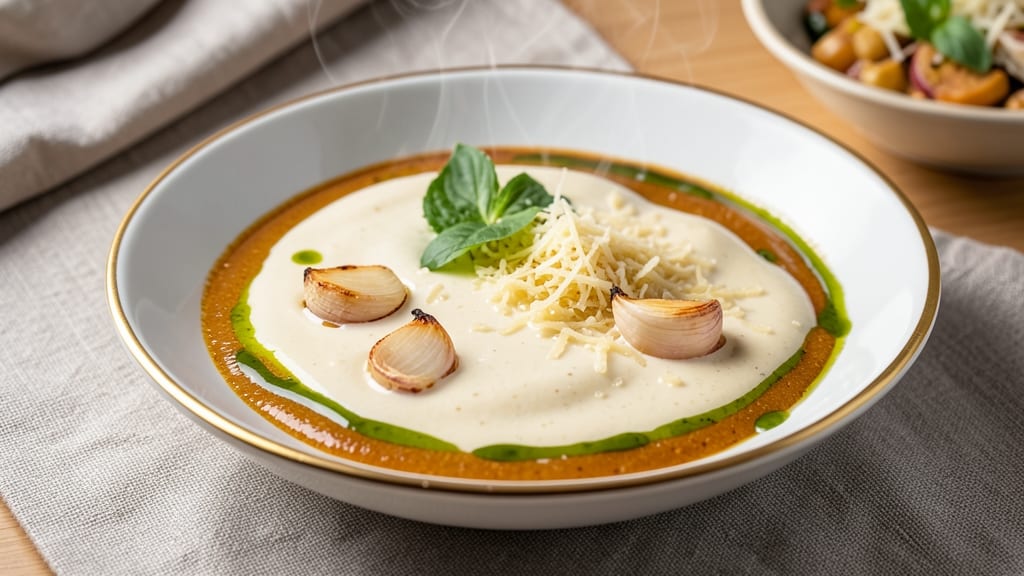
This Alfredo sauce recipe with flour and heavy cream delivers the ultra-smooth, velvety richness you crave without a single clump. The secret lies in a foolproof roux technique that creates a silky base, perfect for coating pasta or drizzling over grilled dishes.
I've perfected this method after years of testing—no lumps, no graininess, just pure, luxurious creaminess every time.
The foundation starts with a simple flour-and-butter roux cooked to a golden hue before gradually whisking in heavy cream. This gradual addition prevents lumps while building a thick, velvety texture. For extra depth, I incorporate garlic-infused butter and grated parmesan, though you can adjust to taste.
The sauce thickens beautifully when simmered, creating that signature clingy consistency we all love.
What makes this sauce truly special is its versatility—it works as a pasta topping, meat glaze, or even a creamy dip. The rich, buttery flavor pairs perfectly with fettuccine, chicken, or seafood, while the velvety texture ensures every bite feels indulgent.
Best of all, it reheats smoothly, making it ideal for meal prep or last-minute dinners.
For even more customization, consider adding a splash of white wine for brightness or a pinch of nutmeg for warmth. Store leftovers in the fridge for up to 5 days or freeze for 3 months—just reheat gently with a splash of milk or cream to restore its silky texture.
Let's create the perfect Alfredo sauce together.
Ingredients for alfredo sauce recipe with flour and heavy cream
Nine essential ingredients transform into luxurious, lump-free Alfredo sauce perfection.
| Ingredient | Amount | Notes |
|---|---|---|
| Unsalted Butter 🧈 | ½ cup | Cold, cubed for roux |
| All-Purpose Flour 🌾 | ½ cup | Sifted for smooth texture |
| Heavy Cream 🥛 | 2 cups | Full-fat for richness |
| Garlic Cloves 🧄 | 4 cloves | Minced for infusion |
| Parmesan Cheese 🧀 | 1 cup | Freshly grated preferred |
| Extra-Virgin Olive Oil 🫒 | ¼ cup | For finishing drizzle |
| White Wine 🍷 | ¼ cup | Dry variety preferred |
| Ground Nutmeg 🌿 | ¼ tsp | Freshly grated preferred |
| Salt 🧂 | ½ tsp | Kosher or sea salt |
| Black Pepper 🌶️ | ¼ tsp | Freshly ground preferred |
The butter and flour are the power duo here—European-style unsalted butter melts beautifully, while King Arthur all-purpose flour creates the perfect roux foundation. I always grab my butter from Whole Foods for that rich, high-fat content that makes this sauce truly velvety. For flour, Bob's Red Mill works perfectly if you can't find King Arthur. The key is to keep everything cold initially—cubed butter prevents premature melting, and sifting the flour eliminates any lumps before they start. Don't skip the cold start—room-temperature butter will make your roux separate.
No heavy cream? Full-fat coconut milk works in a pinch (though the flavor will differ slightly), or half-and-half with an extra tablespoon of butter gets you close. The garlic should be freshly minced—jarred garlic has a completely different texture. For the Parmesan, Parmigiano-Reggiano is non-negotiable; pre-grated has anti-caking agents that ruin the sauce's texture. Want extra depth? Add a splash of white wine when you first add the cream—it brightens the whole dish. The nutmeg is optional but adds that signature warmth; if you skip it, a pinch of ground cinnamon works too.
This sauce keeps beautifully—5 days in the fridge sealed tightly, or 3 months frozen in airtight containers. For freezing, portion into ice cube trays first, then transfer to a bag. When reheating, always add a splash of milk or cream to restore that silky texture. I make double batches all the time—it disappears fast when drizzled over fettuccine or used as a glaze for grilled chicken. The sauce thickens as it cools, so thin with a little warm milk if needed before serving.
Why You'll Love This Recipe
- No Fuss, Big Payoff: I swear by this sauce because it’s the kind of recipe that forgives mistakes. Melt butter, toss in flour—that’s the roux—and you’re already halfway there. The heavy cream and garlic transform it into something rich and velvety without requiring any fancy skills.
- Umami Bomb: That first sprinkle of Parmesan? Chef’s kiss. The nutty, salty depth cuts through the creaminess, and the minced garlic infuses just enough heat to make it sing. Honestly, I’ve tried store-bought Alfredo, and this homemade version leaves it in the dust every time.
- Weeknight to Dinner Party: This sauce works whether I’m tossing it with pasta for a lazy Tuesday or drizzling it over grilled chicken for a fancier night. The best part? It doubles easily—make extra and freeze half for when you’re too tired to cook.
- Budget Luxury: Heavy cream and butter might sound indulgent, but they stretch further than you’d think. A single batch feeds four, and the leftovers reheat like a dream. Between us, this is the kind of recipe that makes cheap groceries feel like a splurge.
Step-by-step instructions for ultra-smooth Alfredo sauce
Here's how to create a velvety, lump-free Alfredo sauce that clings beautifully to pasta.
Create a Perfect Roux Base
In a medium saucepan, melt the 0.5 cup unsalted butter over medium-low heat. Once fully melted but not browned, immediately whisk in the 0.5 cup all-purpose flour all at once. This creates a roux that will form the foundation of your sauce.
Cook the mixture for 2-3 minutes, whisking constantly, until it turns a pale golden color and smells nutty. This ensures proper flavor development without burning. If the roux darkens too quickly, reduce the heat slightly—you're aiming for a light, blond color that will blend seamlessly with the cream.
Infuse with Aromatics and Wine
Add the 4 minced garlic cloves and cook for 30 seconds until fragrant but not browned. Immediately pour in the 0.25 cup white wine, scraping up any browned bits from the bottom of the pan with a wooden spoon. This deglazing step captures all the flavor compounds that would otherwise burn.
Let the wine simmer for 1-2 minutes until it reduces by about half. You'll notice the alcohol smell dissipate—this is when the sauce starts building its complex flavor profile. The wine adds brightness that prevents the sauce from becoming too heavy.
Build the Creamy Foundation
Slowly pour in the 2 cups heavy cream while whisking continuously to prevent lumps. Increase heat to medium and bring the mixture to a gentle simmer. Cook for 5-7 minutes, stirring frequently, until the sauce thickens enough to coat the back of a spoon.
This gradual thickening process is crucial—adding cream too quickly creates lumps that are nearly impossible to fix later. The sauce should be smooth, velvety, and thick enough to hold its shape when drizzled.
Finish with Cheese and Seasonings
Reduce heat to low and gradually whisk in the 1 cup freshly grated parmesan cheese until fully melted and smooth. Add the 0.5 tsp salt, 0.25 tsp black pepper, and 0.25 tsp ground nutmeg, stirring well to combine. Taste and adjust seasoning if needed—Alfredo sauce should be rich but not overly salty.
For that signature Alfredo finish, remove the sauce from heat and stir in the 0.25 cup extra-virgin olive oil. This adds a luxurious silkiness and prevents the sauce from becoming too heavy when served over hot pasta.
Serve Immediately for Perfect Texture
Keep the sauce warm over low heat, stirring occasionally, until ready to serve. The moment you toss it with pasta, the sauce will cling beautifully, creating that iconic creamy coating. For best results, serve immediately while the sauce is still warm and the pasta is al dente.
This sauce makes about 4 servings—enough for a generous coating on fettuccine or any pasta shape. The key to its success lies in the slow, careful cooking that prevents lumps while developing maximum flavor. Enjoy your restaurant-quality Alfredo at home!
Pro Tips For Making Alfredo Sauce Recipe With Flour And Heavy Cream
- Cook Butter Low and Slow: I learned this the hard way—when you melt butter for Alfredo, don’t rush it. Simmer over medium-low heat until it’s just foamy, not browned. That golden color? It’s where the flavor hides, and if you push it, you’ll taste burnt bits in every bite. (Yes, even if you’re impatient like me.)
- Toast Flour Until Fragrant: Skip the quick whisk-in and let that flour actually cook. Stir it into the butter for 30 seconds until it smells nutty and toasty—not just pale. This step builds depth, and cutting corners here means a sauce that tastes more like glue than garlic-Parmesan magic.
- Strain the Cream: Heavy cream separates when heated, and nothing ruins Alfredo faster than a thin, watery mess. After simmering, pour it through a fine-mesh strainer to catch any scum or bits. (Your future self will thank you—especially when serving it over fettuccine.)
- Add Parmesan Gradually: Dumping all the cheese at once turns Alfredo into a clumpy disaster. Instead, whisk in a handful at a time, letting each batch melt fully before adding more. The sauce should coat the back of a spoon smoothly—not like wet sand. (I was skeptical until I tried it.)
Dietary considerations for this alfredo sauce recipe with flour and heavy cream
Dairy-Free Adaptations
For a richer dairy-free version, substitute heavy cream with full-fat coconut milk—use 2 cups for the same creamy texture. Replace butter with vegan butter (like Miyoko's) and swap parmesan for nutritional yeast (2 tbsp) or cashew cheese for depth.
The sauce will have a slightly different flavor but remains velvety. 🌱
Gluten-Free Options
Replace all-purpose flour with gluten-free all-purpose flour blend (like Bob's Red Mill 1:1) for a seamless texture. For extra binding, add 1 tbsp cornstarch to the roux. The sauce will still thicken beautifully while staying lump-free. Always sift gluten-free flour to prevent clumping.
Lower-Fat Versions
Lighten the sauce by using half-and-half instead of heavy cream (reduce to 1.5 cups) and low-fat cream cheese (¼ cup) for creaminess. Cut butter to 0.25 cup and add 1 tbsp olive oil to maintain richness. The texture will be lighter but still luxurious.
Lactose-Free Adjustments
Use lactose-free heavy cream and lactose-free butter for a fully lactose-free version. The flavor remains identical, and the sauce thickens just as smoothly. For extra insurance, add 1 tsp lemon juice to balance any subtle dairy notes.
Nut-Free Considerations
If nut allergies are a concern, avoid cashew cheese alternatives and stick with vegan butter and coconut milk. For extra protein, add 1 tbsp tapioca starch to the roux. Always check labels on all ingredients to confirm nut-free status.
Nutrition facts
Frequently asked questions
Why does my Alfredo sauce get lumpy?
Lumps form when flour and cream combine too quickly without proper whisking. The key is to add the cream gradually while whisking constantly over medium heat. If lumps appear, immediately remove the pan from heat and blend with an immersion blender until smooth. For prevention, always use cold butter and sift your flour first.
Can I make this sauce without wine?
Yes! Simply omit the wine and use 2 cups + 2 tablespoons heavy cream instead. The wine adds brightness, but the sauce will still be rich and creamy. For extra depth, add 1 teaspoon lemon juice or a pinch of white miso paste to replace the wine's acidity. The texture remains perfectly smooth.
How do I adjust the thickness of the sauce?
If your sauce is too thick, thin it with warm milk or cream, 1 tablespoon at a time, while whisking constantly. For a thicker sauce, simmer uncovered for 2-3 extra minutes to evaporate moisture. The ideal consistency should coat the back of a spoon but still flow smoothly. Remember, the sauce thickens further as it cools.
What's the best way to store leftover Alfredo sauce?
Store in an airtight container in the fridge for up to 5 days. For freezing, portion into ice cube trays first, then transfer to a freezer bag. When reheating, add 1 tablespoon milk or cream per cup of sauce and warm gently over low heat to restore its silky texture. Never microwave directly from frozen.
Can I make this sauce dairy-free?
Replace butter with vegan butter, heavy cream with full-fat coconut milk, and parmesan with nutritional yeast or cashew cheese. The texture will be slightly different but still velvety. For extra richness, add 1 tablespoon olive oil at the end. The sauce loses some traditional flavor but works beautifully for pasta dishes.