
Sauces & Condiments
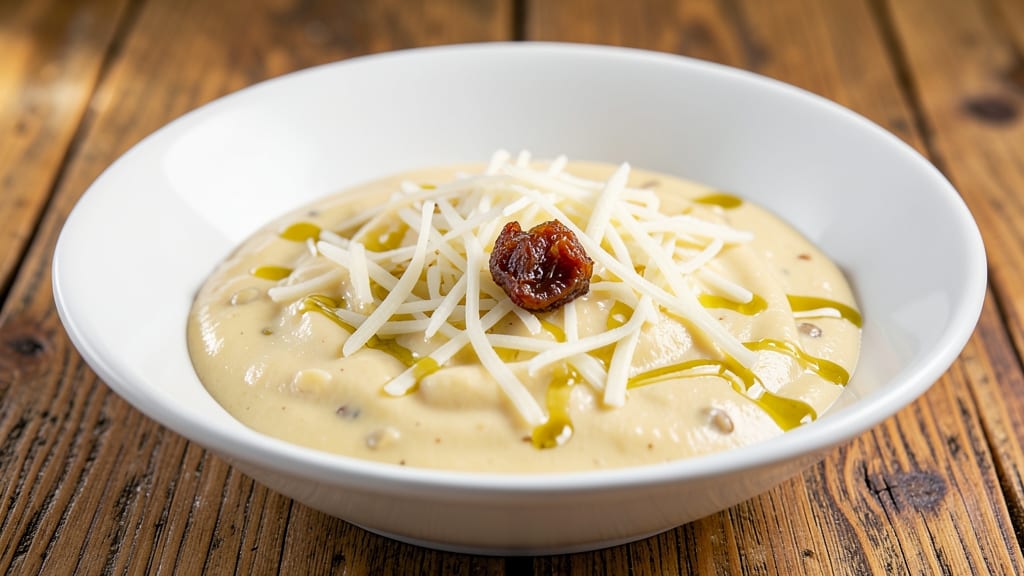
This Alfredo sauce recipe with mozzarella cheese and milk delivers the ultra-smooth, velvety texture you crave—no clumps, no lumps, just pure creamy perfection. The secret lies in proper emulsification, where melted mozzarella and warm milk blend seamlessly into a luxurious sauce that clings beautifully to pasta.
I've perfected this technique after years of trial and error, ensuring every batch turns out restaurant-quality every time.
The foundation of this sauce is simple yet transformative: mozzarella cheese provides the rich, creamy base, while whole milk adds depth and prevents separation.
What sets this recipe apart is the method—slowly melting the cheese into warm milk while whisking continuously creates a stable emulsion that stays smooth even when reheated. No need for heavy cream or butter substitutes; this version is lighter yet equally indulgent.
What you'll achieve is a velvety, clump-free Alfredo sauce with a perfect balance of richness and creaminess. The texture is so luxurious it feels like a decadent treat, yet it's surprisingly easy to make with just a few ingredients and basic technique.
This sauce elevates any pasta dish to restaurant-level quality, transforming ordinary meals into something special.
Once mastered, this recipe becomes your go-to for creamy pasta dishes, grilled chicken, or even as a dipping sauce for breadsticks. The beauty of this method is its versatility—you can customize it with garlic, herbs, or a touch of lemon zest to suit your taste.
Let's get started on creating your perfect Alfredo sauce.
Ingredients for alfredo sauce recipe with mozzarella cheese and milk
Nine essential ingredients transform into velvety perfection—no clumps, just restaurant-quality creaminess.
| Ingredient | Amount | Notes |
|---|---|---|
| Low-Moisture Mozzarella Cheese 🧀 | 16 oz | Freshly shredded from block preferred |
| Whole Milk 🥛 | 1 ½ cups | Warmed to 160°F for emulsification |
| Unsalted Butter 🧈 | ½ cup | Cold, cut into small cubes |
| Garlic Cloves 🧄 | 2 cloves | Minced for aromatic depth |
| Extra-Virgin Olive Oil 🫒 | ¼ cup | For richness and stability |
| Diamond Crystal Kosher Salt 🧂 | ½ tsp | Adjust to taste after emulsification |
| Freshly Ground Black Pepper 🌶️ | ¼ tsp | Freshly cracked for optimal flavor |
| Freshly Grated Nutritional Yeast 🍄 | 2 tbsp | For umami depth (optional) |
| Fresh Lemon Zest 🍋 | 1 tsp | Brightens the sauce slightly |
The mozzarella is the star here, and low-moisture block cheese is non-negotiable. Whole Foods or specialty Italian markets carry the best quality—look for dense, slightly rubbery blocks that shred easily. Avoid pre-shredded cheese (it contains anti-caking agents that prevent smooth melting). For the milk, whole milk from organic brands like Organic Valley provides the richest texture, but any full-fat milk works. Warm it gently in a saucepan to 160°F—this temperature ensures perfect emulsification without curdling. The butter should be cold and cubed to prevent premature melting during the process.
No whole milk? Half-and-half or light cream works in a pinch, but the sauce will be slightly heavier. Substituting butter? Olive oil at a 1:1 ratio maintains stability, though the flavor profile shifts. Fresh garlic is ideal, but garlic powder at half the amount suffices if you're short on time. The nutritional yeast adds depth without altering the sauce's signature creamy texture—Bob's Red Mill brand is widely available and consistently reliable. For those avoiding dairy entirely, cashew cream (blended soaked cashews) can replace both cheese and milk, though the texture will differ slightly.
This sauce reheats beautifully—simmer gently for 2-3 minutes to restore its silky consistency. Store in an airtight container in the fridge for 3-4 days, or freeze in ice cube trays for up to 3 months. For restaurant-quality results, always whisk continuously during the emulsification stage. The sauce thickens as it cools, so thin with a splash of warm milk if needed. Portion into ramekins for easy reheating—perfect for pasta nights or last-minute entertaining.
Why You'll Love This Recipe
- No Garlic Overload: I swear by this trick—just one minced clove, softened in butter with olive oil, and you get that hint of garlic without the "did I eat at a pizzeria?" aftertaste. The mozzarella melts into a velvety blanket, so the flavor lingers just right.
- Weeknight Magic: Five ingredients, one pot, 15 minutes. I’ve made this on days I forgot to grocery shop (thanks, milk and butter in the fridge) and it still tasted like I’d slaved over it. The low-moisture mozzarella shreds cleanly—no clumping, no stress.
- Leftovers That Don’t Suck: This sauce actually improves the next day. Thickens just enough to coat pasta perfectly, and the milk’s richness mellows into something even better cold. I’ve reheated it for sandwiches, dipping for veggies, and even stirred it into scrambled eggs—no one ever guessed it was "leftover."
- Budget-Friendly Luxury: Here’s what sold me—whole milk and butter make it taste restaurant-worthy, but the mozzarella does the heavy lifting. A block of that cheese stretches farther than you’d think, and I’ve stretched it even more by mixing in a splash of pasta water. Fancy? No. Smart? Absolutely.
Step-by-step instructions for ultra-smooth velvety cream sauce
Master the art of silky mozzarella-based sauce with these precision techniques.
Prepare the Mozzarella for Perfect Emulsification
Begin by shredding the 16 oz low-moisture mozzarella cheese using a box grater or food processor. For the best texture, use freshly shredded cheese from a block rather than pre-shredded—it melts more smoothly. Place the shredded cheese in a fine-mesh strainer and refrigerate while you prepare the other ingredients. This chilling step prevents the cheese from melting prematurely and ensures a cleaner emulsification later.
Warm the 1.5 cups whole milk to 160°F in a saucepan over medium heat. You'll know it's ready when small bubbles form around the edges and a thermometer confirms the temperature. Keep the milk warm but not simmering—this precise temperature is crucial for creating a stable emulsion with the cheese. Once warmed, remove the milk from heat and cover to maintain its temperature.
Create the Fat Base for Emulsification
In a heavy-bottomed saucepan, melt the 0.5 cup unsalted butter cut into small cubes over medium-low heat. The butter should melt completely but not brown—this would introduce bitter flavors. Once fully melted, reduce the heat to low and whisk in the 0.25 cup extra-virgin olive oil. This combination of butter and olive oil creates a stable fat base that prevents the sauce from breaking during the emulsification process.
Add the 2 minced garlic cloves and 1 tsp fresh lemon zest to the butter-oil mixture. Cook for 1 minute until the garlic is fragrant but not browned. Remove the pan from heat and stir in the 2 tbsp freshly grated nutritional yeast and 0.25 tsp freshly ground black pepper. This step builds the flavor foundation while keeping the heat low enough to preserve the delicate aromatics.
Emulsify the Cheese for Ultra-Smooth Texture
Working quickly, add the chilled shredded mozzarella to the warm butter-oil mixture. Stir constantly over low heat for 3-4 minutes until the cheese begins to soften and melt. The key here is patience—rushing will create lumps, while slow, steady stirring allows the cheese to melt evenly into the fat base. If the mixture begins to look grainy, reduce the heat slightly to prevent scorching.
Gradually pour in the 1.5 cups warm milk while continuing to stir vigorously. The sauce will initially look curdled, but keep stirring for 2-3 minutes until it begins to thicken and smooth out. This is where the magic happens—the combination of warm milk and properly prepared cheese creates an emulsion that becomes velvety smooth. If the sauce starts to separate, add a splash of the warm milk to help re-emulsify it.
Season and Finish for Perfect Balance
Taste the sauce and adjust the seasoning with 0.5 tsp diamond crystal kosher salt. The nutritional yeast and lemon zest should already contribute umami and brightness, but you may need to add more salt depending on your preference. Keep the sauce warm over low heat, stirring occasionally to maintain its consistency. The sauce should coat the back of a spoon with a silky, velvety texture—this is your goal.
For the final touch, strain the sauce through a fine-mesh sieve to remove any remaining lumps or garlic bits. This step ensures an ultra-smooth finish perfect for drizzling over pasta, spooning onto grilled meats, or using as a dip. The sauce will continue to thicken slightly as it cools, so it's best to serve it warm for the perfect consistency.
Pro Tips For Making Alfredo Sauce Recipe With Mozzarella Cheese And Milk
- Melt Cheese Slowly: Low-moisture mozzarella is stubborn—don’t just toss it in and stir. Heat the milk and butter together until tiny bubbles form at the edges, then reduce to a gentle simmer. Add the cheese in small chunks, stirring constantly with a wooden spoon (or a silicone spatula if you’re impatient like me). If it clumps, you’ve gone too fast—back off the heat and let it smooth out.
- Use Cold Garlic: Minced garlic burns faster than you’d think, especially in dairy. I learned this the hard way—my sauce turned bitter. Instead, finely chop 2-3 cloves, then toss them into the hot milk-butter mix just before adding the cheese. Let them sit for 30 seconds to soften, but don’t let them brown. The flavor will infuse without bitterness.
- Skip the Heavy Cream: Whole milk is your friend here—it’s rich enough without needing extra fat. If your sauce feels too thin, resist the urge to add cream. Instead, let it reduce uncovered for 2-3 minutes on low heat, stirring often. The moisture will evaporate, and the sauce will thicken naturally. (Yes, even if it looks weird at first.)
- Strain for Silkiness: Mozzarella strings are inevitable, but a fine-mesh sieve or cheesecloth changes everything. After melting, pour the sauce through the strainer into a clean pot. This catches any rubbery bits and gives you a velvety texture. Do it while the sauce is still warm—it’s easier to press out the excess liquid, and your future pasta will thank you.
Serving suggestions for this alfredo sauce recipe with mozzarella cheese and milk
Pasta Pairings
This ultra-smooth Alfredo sauce shines with fettuccine or linguine—their flat surfaces catch every creamy strand beautifully. For a heartier option, try pappardelle or tagliatelle, which hold the sauce like a luxurious blanket.
I like tossing whole wheat pasta for added texture contrast and a nutty flavor that complements the richness. 🍝
Protein Additions
Transform this sauce into a complete meal by adding grilled chicken breasts or seared shrimp. The sauce's velvety texture clings perfectly to protein, creating a restaurant-worthy dish. For vegetarian options, try roasted mushrooms or sautéed spinach—both absorb the sauce beautifully while adding earthy depth. 🍗
Breadsticks & Dips
Serve this sauce as a dip for garlic breadsticks or crusty baguette slices—it's a crowd-pleaser at parties. For extra flair, sprinkle with fresh parsley and a pinch of red pepper flakes before serving.
I also love drizzling it over baked bruschetta for a creamy twist on a classic appetizer. 🥖
Vegetable Boosters
Add roasted broccoli or sautéed asparagus to turn this sauce into a complete dish. The vegetables soak up the creamy goodness while adding vibrant color and freshness. For a pop of color, stir in sun-dried tomatoes or spinach just before serving—both wilt beautifully into the sauce. 🥦
Leftovers Reinvention
Use leftover sauce to create Alfredo-stuffed shells or creamy lasagna. Layer it between no-boil lasagna noodles and ricotta cheese for a foolproof bake. You can also drizzle it over grilled cheese sandwiches for a decadent twist on a classic. 🧀
Garnish Like a Pro
Finish your dish with fresh basil leaves for brightness or toasted pine nuts for crunch. A sprinkle of grated Parmesan cheese adds umami depth, while black pepper and salt should be adjusted to taste at the table. For a fancy touch, garnish with edible flowers or microgreens. ✨
Nutrition facts
Frequently asked questions
Why does my mozzarella Alfredo sauce get grainy or clumpy?
Graininess happens when the cheese melts too quickly or isn't properly emulsified. Always use freshly shredded low-moisture mozzarella (not pre-shredded) and warm the milk to exactly 160°F before combining. Stir constantly over low heat for 3-4 minutes until smooth—patience prevents lumps!
Can I make this sauce without butter? What's the best substitute?
Yes! For a dairy-free version, replace butter with 0.5 cup extra-virgin olive oil or avocado oil. The sauce will still emulsify beautifully, though olive oil adds a slightly different flavor profile. For richness without dairy, try cashew cream (blend soaked cashews with water) as a 1:1 milk substitute.
How do I fix a sauce that's too thick or separated?
For thick sauce, thin with 1-2 tablespoons warm milk while whisking. If separated, whisk in 1 tablespoon cold butter or olive oil to re-emulsify. The key is gentle heat—never boil the sauce, as this causes proteins to break and separation occurs. Keep stirring until smooth again.
What's the secret to restaurant-quality texture?
The magic lies in emulsification—combining melted cheese with warm milk while whisking vigorously. Use a heavy-bottomed saucepan and low heat to prevent scorching. The nutritional yeast and lemon zest also help stabilize the emulsion, giving that ultra-smooth, velvety finish you crave.
Can I make this sauce ahead of time?
Store in an airtight container in the fridge for 3-4 days. For best results, reheat gently on low heat, stirring constantly until smooth. For longer storage, freeze in ice cube trays—thaw overnight in the fridge before using. The sauce thickens as it cools, so thin with warm milk if needed.