
Sauces & Condiments
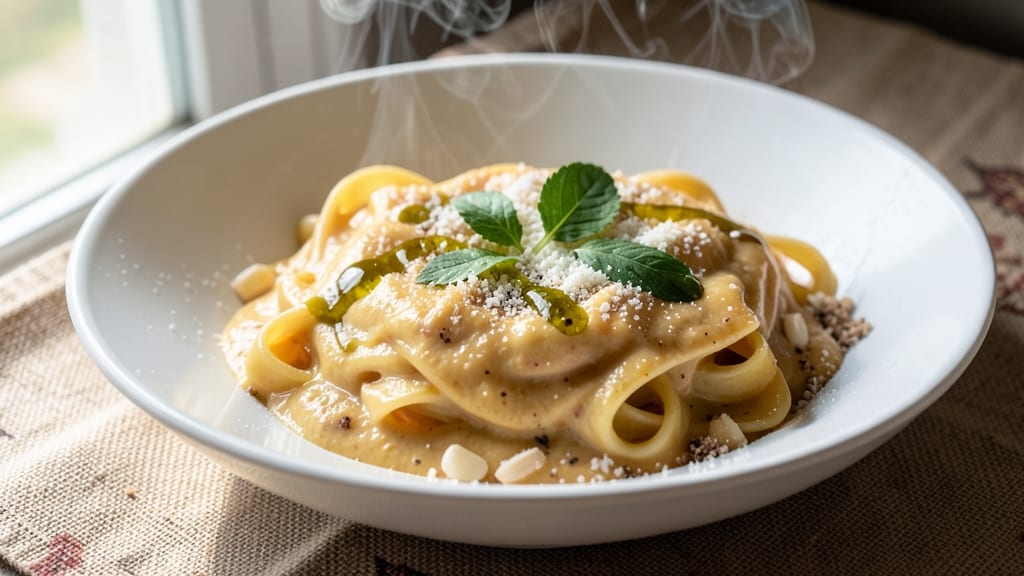
This alfredo sauce recipe with powdered parmesan cheese delivers restaurant-quality creaminess without the clumping or separation. The secret lies in whisking powdered parmesan into warm cream and butter, creating a velvety sauce that clings perfectly to pasta.
I developed this method after struggling with traditional recipes that either broke or tasted artificial—this version stays smooth every time.
What sets this sauce apart is the powdered parmesan, which dissolves completely into the warm liquid, eliminating the need for grating fresh cheese. A touch of garlic and nutmeg adds depth, while a splash of white wine (optional) brightens the flavor.
The sauce thickens naturally as it simmers, creating that signature ultra-creamy texture without lumps or graininess.
By the time you twirl your first forkful of fettuccine through this sauce, you'll understand why it's a game-changer. The result is rich, velvety, and perfectly balanced—no heavy aftertaste, no clumps, just pure, luxurious alfredo that coats every strand of pasta.
It's the kind of sauce that transforms a simple dinner into a memorable meal.
This recipe works equally well with chicken, fish, or vegetables, making it versatile for any dish. The powdered parmesan ensures consistency, so you can achieve the same creamy perfection every time. Let's get started on this foolproof, ultra-creamy alfredo sauce.
Ingredients for alfredo sauce recipe with powdered parmesan cheese
Eight ingredients transform into velvety perfection—creamy, clump-free alfredo every time.
| Ingredient | Amount | Notes |
|---|---|---|
| Heavy Cream 🥛 | 1 ½ cups | Full-fat for maximum creaminess |
| Unsalted Butter 🧈 | ½ cup | Cold, cubed for even melting |
| Powdered Parmesan Cheese 🧀 | ½ cup | High-quality, fine grind preferred |
| Garlic Cloves 🧄 | 3 cloves | Minced, fresh for best flavor |
| Ground Nutmeg 🌿 | ¼ tsp | Freshly grated for aromatic depth |
| Salt 🧂 | ½ tsp | Diamond Crystal preferred |
| White Wine 🍷 | ¼ cup | Dry, optional for brightness |
| Extra-Virgin Olive Oil 🫒 | 1 tbsp | For finishing, fruity variety |
The powdered parmesan is the game-changer here—look for brands like Barilla or Parmigiano-Reggiano powdered at specialty stores or the international aisle. Whole Foods carries excellent options, or check your local Italian market. Fresh nutmeg matters too; pre-ground loses potency fast. For the cream and butter, organic or grass-fed options add richer flavor, but any full-fat cream and unsalted butter will work. The garlic should be fresh, not jarred—it makes all the difference in that aromatic depth. If you're using wine, dry Pinot Grigio or Sauvignon Blanc are perfect choices.
No powdered parmesan? Freshly grated Parmigiano-Reggiano works, but whisk it into warm cream first to prevent clumping. Short on heavy cream? Half-and-half plus a splash of whole milk mimics the texture. The nutmeg can be skipped if you're sensitive to its flavor, but it's essential for that classic alfredo taste. No wine? Chicken or vegetable broth adds acidity without alcohol. For a dairy-free version, coconut cream and nutritional yeast create a surprisingly close approximation. Always whisk the powdered cheese into warm liquid—never cold—to ensure silky smoothness.
This sauce keeps beautifully—3 days refrigerated or 3 months frozen. For freezing, cool completely first, then portion into airtight containers. The texture remains velvety after reheating, though you might need to whisk briefly to restore smoothness. I like to make double batches—one for immediate use and one to freeze for lazy weeknights. If storing for more than a day, add a thin layer of olive oil on top before sealing to prevent a skin from forming.
Why You'll Love This Recipe
- No Pantry Hassles: I keep a bag of powdered parmesan in my cabinet—no block to grate, no rind to scrape. Just dump, stir, and boom, that rich umami punch is ready in minutes, no mess.
- Garlic-Nutmeg Magic: That little pinch of ground nutmeg and fresh garlic? It’s the secret weapon—creamy but bright, with just enough bite to wake up every bite. Honestly, my fussy husband actually asks for seconds now.
- Weeknight & Leftovers Win: Make a double batch on Sunday, reheat it all week—it clings to pasta like a dream. (Yes, even on a Tuesday night.) The powdered cheese keeps it smooth without curdling, so you’re not stuck with lumpy sauce.
- Budget-Friendly Luxury: Heavy cream and butter make it feel fancy, but powdered parmesan cuts costs by half compared to fresh. I splurge on the good stuff, but my wallet stays happy—plus, it lasts forever.
Step-by-step instructions for ultra-creamy alfredo sauce
Here's how to craft a silky, clump-free sauce that delivers restaurant-quality richness every time.
Melt Butter and Infuse Aromatics
In a medium saucepan, melt the 0.5 cup unsalted butter over medium-low heat. The butter should melt smoothly without browning—watch carefully as it transforms from solid to liquid. Once fully melted, add the 3 cloves minced garlic and 0.25 tsp ground nutmeg. Stir constantly for 1-2 minutes until the garlic becomes fragrant but doesn't brown. This step builds the aromatic base that prevents the sauce from tasting flat.
Here's the thing—if the garlic darkens, remove the pan immediately and start over. Overcooked garlic adds bitterness that no amount of cream can mask. The nutmeg should dissolve completely, adding a subtle warmth that complements the rich dairy. Keep the heat gentle; patience at this stage ensures a smooth finish.
Incorporate Powdered Parmesan Gradually
Reduce the heat to low and begin whisking in the 0.5 cup powdered parmesan cheese in small increments. Start with 2 tablespoons at a time, whisking vigorously after each addition until fully dissolved before adding more. This gradual approach prevents clumping—the powdered cheese's secret weapon for velvety texture. You'll notice the mixture thicken slightly as the cheese hydrates.
I've found that using a fine-grind powdered parmesan makes all the difference. If you see any lumps forming, strain the mixture through a fine-mesh sieve to ensure absolute smoothness. The goal here is to create a base that's thick enough to coat a spoon but still fluid enough to blend seamlessly with the cream.
Simmer Cream and Wine for Depth
Pour in the 1.5 cups heavy cream and 0.25 cup white wine (if using), whisking continuously to combine. Increase heat to medium-low and bring the mixture to a gentle simmer. Let it cook uncovered for 5-7 minutes, stirring occasionally, until it thickens slightly and small bubbles form around the edges. This simmering process develops the sauce's complex flavor profile.
Don't rush this step—simmering allows the cream to develop a subtle richness. If the sauce starts to look too thick, add 1-2 tablespoons of water to loosen it. The sauce should coat the back of a spoon but still flow freely. Taste and adjust seasoning with the 0.5 tsp salt, adding more if needed. This is where the sauce comes together—balance is key.
Finish with Olive Oil for Stability
Remove the sauce from heat and stir in the 1 tablespoon extra-virgin olive oil. This final touch serves two purposes: it adds a fruity brightness that cuts through the richness, and it helps stabilize the emulsion, preventing separation when tossed with pasta. The oil should blend smoothly without breaking the sauce's silky texture.
Here's the moment that matters: let the sauce rest for 5 minutes off the heat. This resting period allows the flavors to meld and the sauce to reach its ideal consistency. If you're serving immediately, you can proceed, but this brief pause ensures the best possible texture. The sauce should now be velvety, with just the right balance of creaminess and depth.
Serve Immediately Over Pasta
Return the sauce to low heat just before serving to maintain its warmth. Toss it generously with cooked pasta, adding 1-2 tablespoons of pasta water if needed to achieve the perfect cling. The sauce should coat each strand completely, creating a luxurious blanket of flavor. Serve immediately while the sauce is at its peak—Alfredo sauce doesn't reheat well, so timing is everything.
Each bite should deliver a harmonious blend of creamy richness, nutmeg warmth, and garlic brightness. The powdered parmesan ensures a smooth texture without the grit of traditional grated cheese, while the olive oil adds a subtle complexity. This is the sauce that makes fettuccine alfredo unforgettable—simple ingredients, perfect technique, and restaurant-quality results.
Pro Tips For Making Alfredo Sauce Recipe With Powdered Parmesan Cheese
- Melt Butter Slowly: Start with cold butter—cut it into small cubes and let it melt gently over medium-low heat. I learned this the hard way: high heat burns the cream before the butter finishes, and you end up with a grainy, bitter sauce instead of that silky texture you want.
- Toast Garlic Lightly: Smash the garlic cloves with the flat of your knife first, then cook them in the butter for just 30 seconds until fragrant but not browned. Overcooking turns them bitter, and that flavor carries through—trust me, you’ll taste the difference.
- Whisk in Powdered Cheese Gradually: Add the powdered parmesan one tablespoon at a time, whisking vigorously between each addition. Dumping it all in at once clumps it up, and no amount of stirring later will fix that—you’ll end up with a lumpy mess instead of a smooth, creamy sauce.
- Finish with a Pinch of Salt: Even if your powdered parmesan is labeled "salted," add a generous pinch of extra salt at the end. The powdered stuff often lacks the depth of fresh, and this guarantees your sauce won’t taste flat—especially if you’re using unsalted butter.
Perfect pairings for this dish
Pasta Pairings
This ultra-creamy alfredo sauce pairs perfectly with fettuccine—its wide, flat strands create the ideal surface area for sauce adhesion. I always use Bronze Die fettuccine from Whole Foods because the ridges trap sauce beautifully.
For a lighter option, angel hair pasta works wonderfully, especially when served with grilled shrimp or chicken. 🍝
If you want texture contrast, try pappardelle or tagliatelle—their broad surfaces hold the sauce generously. For a fun twist, toss the sauce with penne pasta or rigatoni to create a satisfying, saucy bite.
The key is to cook the pasta al dente so it doesn't turn mushy when tossed with the warm sauce.
Protein Additions
Grilled chicken breast is my go-to protein—slice it thinly and add it to the hot sauce just before serving. The heat keeps the chicken tender while absorbing the creamy flavors. For a seafood twist, shrimp scampi elevates the dish with its briny sweetness.
I recommend 12-15 count shrimp, sautéed in garlic and olive oil for 2-3 minutes before mixing with the sauce. 🦐
For vegetarians, roasted mushrooms or asparagus add earthy depth. Sear 8 oz cremini mushrooms in olive oil until golden, then toss with the sauce. The umami from the mushrooms balances the creaminess perfectly.
You could also add sautéed spinach for a pop of color and nutrients—just wilt it in the hot sauce for 1-2 minutes before serving.
Vegetable Enhancements
Fresh baby spinach or arugula brightens the dish with their peppery notes. Add them at the very end—just 1 cup wilted in the hot sauce for 30 seconds—to keep them vibrant. For a heartier option, roasted cherry tomatoes add sweet acidity.
Toss 1 cup halved tomatoes with olive oil, salt, and pepper, then roast at 400°F for 15 minutes before mixing into the sauce. 🍅
Caramelized onions deepen the sauce's flavor profile. Slice 1 large yellow onion into thin strips, cook in butter over low heat for 20-25 minutes until golden, then stir into the warm sauce. The slow cooking process creates a sweet, jammy texture that complements the creaminess beautifully.
For a pop of color, add thinly sliced red bell peppers sautéed for 3-4 minutes—they add a subtle crunch and sweetness.
Bread and Sides
A garlic breadstick is a must—its buttery, crispy exterior contrasts perfectly with the creamy sauce. I love using Pepperidge Farm Goldfish crackers as a quick, crunchy alternative.
For a more substantial side, roasted garlic mashed potatoes add a velvety texture that pairs wonderfully. The garlic in both dishes creates a cohesive flavor bridge. 🍞
For a lighter option, serve with a simple arugula salad dressed with lemon vinaigrette. The peppery greens cut through the richness, while the citrus brightens the palate. Another great choice is grilled asparagus—toss it with olive oil, salt, and pepper, then grill for 3-4 minutes per side.
The charred edges add a smoky contrast to the creamy sauce.
Nutrition facts
Frequently asked questions
Why does powdered parmesan work better than fresh cheese in this sauce?
Powdered parmesan dissolves completely into warm cream, eliminating the gritty texture that fresh grated cheese often creates. It also prevents clumping, ensuring a silky-smooth consistency. The fine particles distribute evenly, creating that signature creamy texture without requiring constant stirring. Plus, it's more convenient and lasts longer in your pantry!
Can I make this sauce without wine?
The white wine adds brightness, but you can substitute it with 0.25 cup chicken or vegetable broth for acidity. For a dairy-free option, use 0.25 cup coconut cream instead of heavy cream. The sauce will still be rich and flavorful—just slightly different in texture.
How do I fix a sauce that's too thick or separated?
If it's too thick, whisk in 1-2 tablespoons of warm water or pasta water to loosen it. For separation, gently reheat the sauce over low heat while whisking continuously. If lumps appear, strain through a fine-mesh sieve. The key is patience—never rush the process!
Can I use this sauce for dishes other than pasta?
Yes! This creamy sauce works beautifully as a dip for garlic bread or veggies, a topping for baked potatoes or grilled chicken, or even a creamy base for stuffed shells. Just adjust the thickness by adding a splash of milk or broth as needed. The possibilities are endless!
What's the best way to store leftover sauce?
Store in an airtight container in the fridge for up to 3 days, or freeze for 3 months. To reheat, warm gently over low heat while whisking to restore smoothness. For freezing, cool completely first and add a thin layer of olive oil on top to prevent skin formation.