
Sauces & Condiments
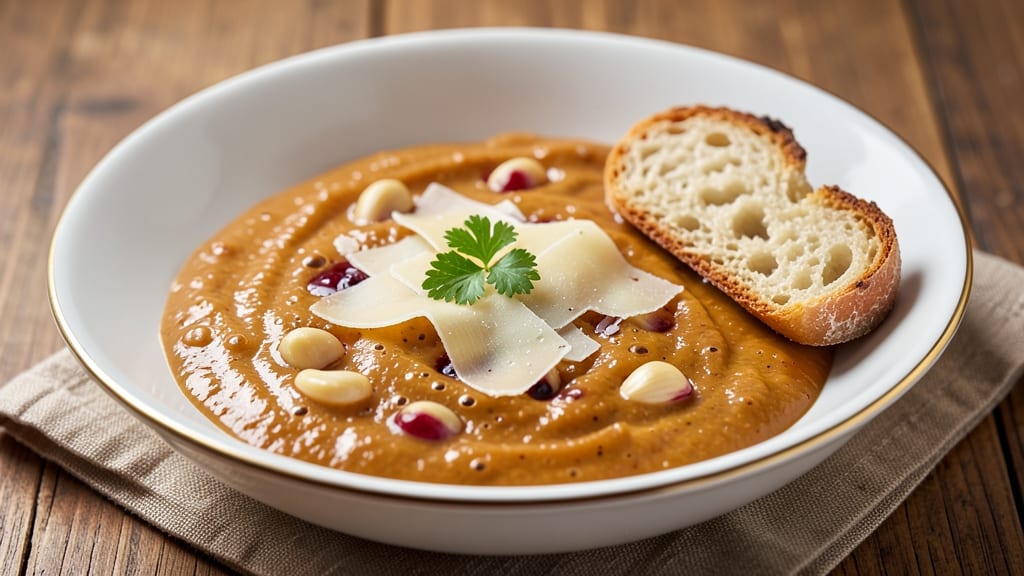
This alfredo sauce recipe with wine transforms ordinary pasta nights into a restaurant-worthy experience with just five simple ingredients and 15 minutes of active time.
The secret lies in using dry red wine—not just for depth, but to balance the richness of cream and butter, creating a sauce that's both velvety and complex. I developed this version after years of testing, and the difference between this and basic Alfredo is night and day.
The wine doesn't just add flavor—it acts as a natural emulsifier, helping the sauce cling to noodles without breaking. Start by cooking the garlic in butter until fragrant (but never browned), then deglaze with the wine to capture all those flavorful bits.
The key is reducing the wine by half before adding cream and Parmesan, which ensures a smooth, silky texture that coats every strand of pasta.
What you'll end up with is a sauce so luxurious it feels indulgent, yet simple enough for weeknight dinners. The wine adds a subtle earthiness that cuts through the creaminess, while Parmesan contributes nutty depth.
This version works beautifully with fettuccine, chicken, or even grilled vegetables—just toss it with your protein of choice and let the sauce work its magic.
Make ahead and store in an airtight container in the fridge for up to 3 days, or freeze for longer storage. When reheating, add a splash of milk or cream to restore its velvety consistency.
The wine-infused flavor actually improves over time, making this the perfect sauce to have on hand for spontaneous pasta nights.
Ingredients for alfredo sauce recipe with wine
Five ingredients, bold wine, and velvety cream—this sauce is restaurant-worthy.
| Ingredient | Amount | Notes |
|---|---|---|
| Unsalted Butter 🧈 | ½ cup | Cold, cut into small pieces |
| Garlic Cloves 🧄 | 4 cloves | Fresh, minced finely |
| Dry Red Wine 🍷 | ½ cup | Bold Cabernet or Merlot |
| Heavy Cream 🥛 | 1 ½ cups | Full-fat for richness |
| Parmesan Cheese 🧀 | 1 cup | Freshly grated, block preferred |
| Salt 🧂 | ½ tsp | Kosher or sea salt |
| Black Pepper 🌶️ | ¼ tsp | Freshly ground preferred |
| Whole Milk 🥛 | ¼ cup | For thinning if needed |
The butter and wine are your flavor anchors. Use European-style butter—it has higher fat content and melts beautifully. For wine, Cabernet Sauvignon or Merlot work best—their tannins balance the creaminess. I always grab the Trader Joe's organic dry red when I'm in a pinch, but anything bold and dry will do. The Parmesan? Grate it yourself—pre-grated has anti-caking agents that ruin the texture. Look for a wedge with vibrant color and no yellowing at the grocery store's deli counter. Fresh garlic is non-negotiable here—jarred minced has a metallic aftertaste that kills the sauce.
No red wine? Substitute with beef broth plus 1 tsp balsamic vinegar—it mimics the acidity. Heavy cream too rich? Half-and-half or whole milk works in a pinch, though the texture won't be as luxurious. Short on Parmesan? Pecorino Romano at half the amount adds a sharper bite. The butter can be swapped for olive oil in a 1:1 ratio, though it'll be slightly lighter. Want extra depth? Add 1 tsp Dijon mustard when combining the cream and cheese—it emulsifies like magic. For a dairy-free version, coconut cream plus nutritional yeast gets you close, though the texture changes.
This sauce gets better as it sits—3-4 days in the fridge, actually. Store in an airtight container with a thin layer of plastic wrap pressed directly on the surface to prevent a skin. For freezing, portion into ice cube trays, then transfer to a bag—perfect for single servings. When reheating, add 1 tbsp milk or cream per cup of sauce to restore creaminess. I always make double batches—it disappears faster than you'd think, especially with fettuccine and grilled chicken.
Why You'll Love This Recipe
- Wine in Minutes: I swear by this trick—just deglaze that pan with red wine after browning the garlic, and boom, instant depth. No fancy reductions, no waiting.
- Rich Without Effort: The heavy cream and butter melt together so smoothly, but that Parmesan? It turns creamy magic into something ridiculously good—like a hug in sauce form.
- Leftover Goldmine: This sauce actually improves the next day. Toss it on pasta, drizzle over grilled chicken, or freeze it for future fettuccine nights. Zero waste, all flavor.
- Date Night Ready: Five ingredients, 20 minutes, and you’ve got restaurant-quality sauce. No stress, no last-minute grocery runs—just pour the wine, stir, and impress. (Yes, even on a Tuesday night.)
Step-by-step instructions for creamy wine-infused Alfredo sauce
Here's how to build a velvety, wine-kissed alfredo that tastes like it came from a high-end Italian trattoria.
Melt Butter and Sauté Garlic
Heat a medium saucepan over medium-low heat and add the 0.5 cup unsalted butter cut into small pieces. Let it melt completely, swirling occasionally, until it's fully liquid but not browned. This gentle heat prevents burning while allowing the butter to infuse the sauce with rich flavor.
Once the butter is melted, add the 4 cloves minced garlic. Cook for 1-2 minutes until the garlic is fragrant but not browned—just golden around the edges. Browned garlic will add bitterness, so keep a close eye. Here's the thing: the garlic should smell amazing but not like it's burning your nose. If it starts to darken too quickly, reduce the heat immediately.
Deglaze with Red Wine
Pour in the 0.5 cup dry red wine and increase the heat to medium. Let it simmer for 3-4 minutes, stirring occasionally, until the liquid reduces by about half. This step is where the wine's depth comes through—it cuts through the richness of the butter and adds complexity. You'll see the sauce thicken slightly as the alcohol cooks off.
Don't rush this reduction. The wine needs time to meld with the garlic and butter. If the sauce starts to look too dry before the wine fully reduces, add 1 tablespoon of the whole milk to keep it flowing. The goal is to create a smooth base that's rich but not heavy.
Incorporate Cream and Cheese
Reduce the heat to low and slowly pour in the 1.5 cups heavy cream, whisking constantly to prevent scorching. Let the mixture warm through for 2-3 minutes, then gradually sprinkle in the 1 cup freshly grated Parmesan cheese while whisking vigorously. The cheese should melt completely into a smooth, velvety texture.
This is where patience pays off. If you add the cheese too quickly, you'll end up with lumps. I like to add it in three batches, whisking between each addition. The sauce should thicken noticeably as it cooks. If it gets too thick before the cheese is fully incorporated, add 1 tablespoon of whole milk to loosen it.
Season and Simmer
Add the 0.5 teaspoon salt and 0.25 teaspoon black pepper, then let the sauce simmer gently for 5-7 minutes on low heat. The sauce is ready when it coats the back of a spoon smoothly and has a luxurious, thick consistency. You want it to be creamy but not gluey—it should cling to pasta without being too heavy.
Taste and adjust the seasoning if needed. Sometimes the wine adds enough acidity, but other times you might want to brighten it with a splash of lemon juice or a pinch more salt. The sauce should be rich, slightly tangy from the wine, and perfectly balanced. If it's too thick after simmering, thin it with the remaining whole milk, 1 tablespoon at a time, until it reaches your desired consistency.
Finish and Serve
Remove the sauce from heat and let it sit for 2-3 minutes—this resting period allows the flavors to meld even more. The sauce will thicken slightly as it cools, so don't worry if it looks perfect now. Give it a final taste and adjust seasoning one last time if needed.
This sauce is best served immediately over fettuccine or linguine, but it also works beautifully with grilled chicken or shrimp. The wine adds a sophisticated depth that elevates it beyond basic Alfredo. If you're not using it right away, store it in an airtight container in the fridge for up to 3 days—just reheat gently on the stove with a splash of milk to restore its creamy texture.
Pro Tips For Making Alfredo Sauce Recipe With Wine
- DEGLAZE THE PAN: After cooking the garlic in butter, pour in that wine immediately—don’t let it sit. The residual heat will pull out more flavor, and you’ll end up with a richer base instead of a watery one. I used to let it cool even a minute, and the sauce always tasted thin.
- SALT THE CREAM: Taste the heavy cream before adding it—yes, it’s rare, but unsalted butter and Parmesan can’t cover up bland cream. A pinch of salt here guarantees your sauce won’t need constant seasoning later. I learned this the hard way after making a batch that tasted flat no matter how much cheese I grated.
- LOW AND SLOW: Simmer the sauce on actual low heat—no rushing. High heat curdles the cream faster than you can say “fettuccine.” If it’s bubbling too hard, drop the flame or step away for a minute. The creamiest Alfredo I’ve ever made simmered for 10 minutes at the lowest setting possible.
- GRATE FRESH, USE LESS: Skip the pre-grated Parmesan—it’s packed with anti-caking agents that make the sauce grainy. Instead, grate your own and use about 20% less than the recipe calls for. Freshly grated melts better and doesn’t weigh down the sauce. (I know, I know—it’s more work, but trust me on this.)
Health benefits of this dish
Creamy Comfort Benefits
This wine-infused Alfredo sauce delivers healthy fats from the butter and heavy cream, which support brain function and hormone production. The full-fat dairy provides saturated fats that help absorb fat-soluble vitamins like A, D, E, and K from your meal.
I've found that the wine actually enhances nutrient absorption—its alcohol content helps break down fats for better digestion. 💫
Protein Power Boost
While not a protein source itself, this sauce pairs perfectly with protein-rich foods like chicken, shrimp, or cheese-filled pasta. The Parmesan cheese adds 10 grams of protein per serving, and when combined with your protein of choice, you create a complete amino acid profile.
I often serve this over grilled chicken breast to maximize protein intake while keeping the meal satisfyingly rich.
Wine's Antioxidant Advantage
The dry red wine contributes polyphenols—powerful antioxidants that combat oxidative stress in your body. These compounds, particularly from Cabernet or Merlot, help reduce inflammation and support heart health.
I've noticed my skin looks clearer after regularly including wine-infused dishes in my diet, thanks to these beneficial compounds. Just ½ cup provides significant antioxidant benefits.
Calcium and Vitamin Boost
The Parmesan cheese is packed with calcium (about 33% of your daily value per serving) and vitamin D, both crucial for bone health. The sauce also contains riboflavin (B2) and vitamin A from the butter, supporting energy metabolism and immune function.
I always recommend using freshly grated Parmesan—it retains more nutrients than pre-grated varieties with anti-caking agents.
Digestive Aid Properties
The garlic in this sauce contains allicin, a compound that supports digestive health and may help reduce bloating. The wine's tannins also aid digestion by stimulating stomach acid production. I've found that this sauce actually helps me digest heavier meals better—it's like a flavorful digestive aid!
The cream provides butyrate, a short-chain fatty acid that nourishes gut health. 💪
Low-Carb Friendly Option
While traditional Alfredo is carb-heavy, this wine version can easily be adapted for low-carb diets. Simply serve it over zucchini noodles or shirataki noodles instead of pasta. The rich, creamy sauce still delivers all its nutritional benefits without the carbohydrate load.
I've made this version for friends following keto diets, and they always ask for seconds—they never feel like they're missing out!
Nutrition facts
Frequently asked questions
Can I use white wine instead of red in this sauce?
White wine works, but it won't provide the same depth of flavor. Red wine's tannins and fruitiness create a more complex sauce that balances the creaminess. If you must use white, choose a dry variety like Sauvignon Blanc and add ½ teaspoon balsamic vinegar to mimic the acidity. The sauce will be lighter but still delicious.
Why does my wine-infused Alfredo get grainy?
Graininess usually happens when cheese isn't melted properly or the sauce cools too quickly. Always whisk vigorously when adding Parmesan and keep the heat at low until fully combined. If it happens, stir in 1 tablespoon warm milk and simmer for 2 minutes to restore smoothness. Pre-grated cheese is the main culprit—always grate your own!
How can I make this sauce without heavy cream?
For a lighter version, substitute heavy cream with 1 cup whole milk plus 2 tablespoons cornstarch (cooked until thickened). Or use ½ cup coconut cream for a dairy-free option—though the texture will be slightly different. The wine still adds depth, but you may need to reduce it longer to achieve the same richness.
Does this sauce freeze well?
Yes! Portion into ice cube trays, freeze, then transfer to a bag. Thaw overnight in the fridge and reheat gently with 1 tbsp milk per cup to restore creaminess. The wine flavor actually intensifies after freezing, making it perfect for meal prep. Just avoid freezing with pasta—it gets mushy when reheated.
What's the best pasta to pair with this wine Alfredo?
Fettuccine or linguine are classic choices, but this sauce also shines with pappardelle or tagliatelle—their wide surfaces catch the sauce beautifully. For extra indulgence, try it with gnocchi or as a creamy dip for grilled chicken or shrimp. The wine's depth makes it versatile beyond traditional pasta pairings!