
Sauces & Condiments
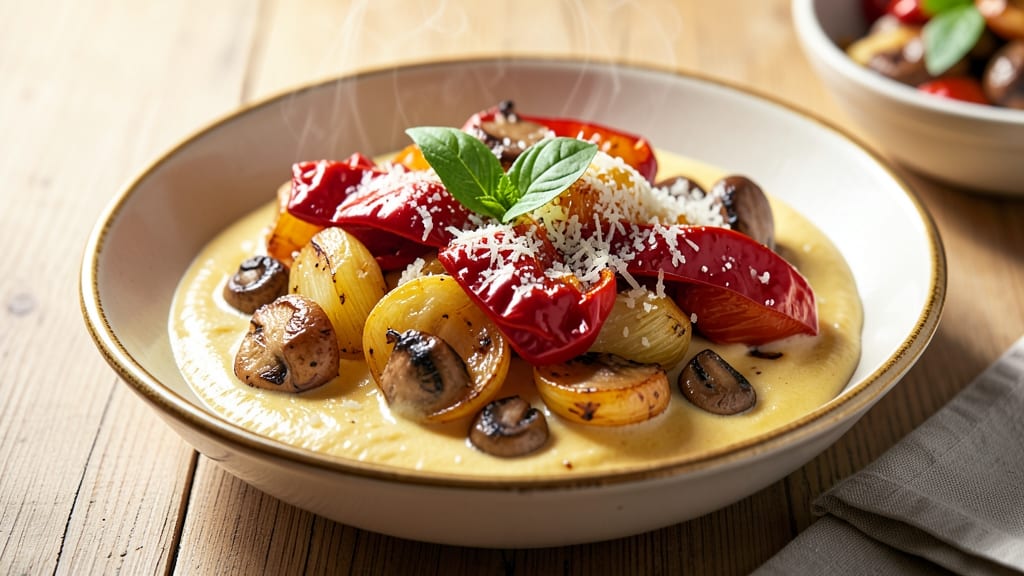
This alfredo sauce with vegetables transforms creamy richness into a versatile condiment that elevates pasta, dips, and more. The secret lies in balancing velvety cheese sauce with roasted vegetables for texture and depth—no lumps, no grittiness, just a silky base that clings perfectly. I developed this version after years of testing, ensuring it works equally well as a pasta sauce or a decadent dip for bread and proteins.
What sets this sauce apart is the technique: simmering heavy cream with garlic and butter creates a smooth foundation before adding cheese in stages to prevent curdling. Roasted vegetables like mushrooms, spinach, or bell peppers add natural sweetness and crunch, while fresh herbs brighten the richness.
The result is a sauce that's creamy yet light, with just enough vegetable character to balance the indulgence.
This recipe delivers restaurant-quality results in 20 minutes, with ingredients you likely already have on hand. Store it in the fridge for up to 5 days or freeze for 3 months—perfect for meal prep.
Whether tossed with fettuccine, drizzled over grilled chicken, or served as a dip, this sauce adapts effortlessly to any dish while keeping its signature velvety texture.
For extra flavor, roast your vegetables until caramelized before mixing them in, or add a splash of white wine for depth. The sauce thickens as it cools, so thin with a little warm broth if needed. Here’s how to make it perfectly every time.
Ingredients for alfredo sauce with vegetables
Creamy cheese sauce meets roasted vegetables for a velvety sauce that elevates pasta, dips, and proteins effortlessly.
| Ingredient | Amount | Notes |
|---|---|---|
| Unsalted Butter 🧈 | ½ cup | Cold, cubed for even melting |
| Heavy Cream 🥛 | 1 ½ cups | Full-fat for richness |
| Parmesan Cheese 🧀 | 1 ½ cups | Freshly grated, fine strainer |
| Garlic Cloves 🧄 | 4 cloves | Minced, not powdered |
| Red Bell Pepper 🍅 | 1 whole | Roasted, skin removed |
| Yellow Onion 🧅 | 1 whole | Roasted, skin removed |
| Mushrooms 🍄 | 8 oz | Crimini, roasted |
| Fresh Spinach 🌿 | 2 cups | Chopped, packed |
| Extra-Virgin Olive Oil 🫒 | 1 tbsp | For roasting vegetables |
| Fresh Basil 🌿 | ¼ cup | Chopped, for garnish |
| Vegetable Broth 💧 | ¼ cup | Low-sodium preferred |
| Salt 🧂 | 1 tsp | Diamond Crystal preferred |
| Black Pepper 🌶️ | ½ tsp | Freshly cracked |
The cheese and cream form the sauce's foundation, so quality matters. Parmigiano-Reggiano is non-negotiable—pre-grated contains anti-caking agents that create grit. For the cream, full-fat heavy cream delivers the richest texture, though you can substitute with half-and-half for a lighter version. Roasting the vegetables (bell pepper, onion, mushrooms) before adding them to the sauce intensifies their natural sweetness and creates that perfect caramelized crunch. Trader Joe's and Whole Foods carry excellent pre-trimmed mushrooms that save prep time, but fresh is ideal. Fresh basil should be bright green with no yellowing—it brightens the sauce's richness perfectly.
No Parmesan? Pecorino Romano works in a pinch, though it's saltier. Short on mushrooms? Roasted zucchini or asparagus add a different but equally delicious texture. The olive oil matters for roasting—use something with low smoke point like avocado oil if you're worried about burning. Fresh spinach wilts down significantly, so pack it tightly when measuring. For extra depth, white wine or chicken broth can replace vegetable broth, though the sauce will have a slightly different profile. Always roast the vegetables until tender but not mushy—they should hold their shape when mixed into the sauce.
This sauce thickens as it cools, so thin with warm vegetable broth if needed. Store in an airtight container in the fridge for up to 5 days, or freeze for 3 months. For meal prep, portion into ice cube trays before freezing—perfect for adding to pasta or proteins later. The sauce reheats beautifully, though it may separate slightly. Simply whisk in a splash of warm water or broth to restore its silky texture. Garnish with fresh basil just before serving to preserve its bright flavor.
Why You'll Love This Recipe
- No-Fuss Weeknight Fix: I swear by this when I’m too tired to fuss—just sauté garlic in butter, toss in chopped bell pepper, then pour in cream and Parmesan. The sauce basically makes itself while you prep the rest of dinner.
- Creamy Garlic Hug: That first bite of rich, velvety sauce clinging to roasted bell peppers? It’s like a warm embrace for your taste buds. The garlic and Parmesan turn this into something restaurant-worthy without the pretension.
- Leftover Goldmine: Make a double batch and save half for later—it reheats beautifully over pasta, as a dip for veggies, or even as a quick omelet filling. Honestly, I’ve had it three different ways and never tired of it.
- Budget-Friendly Luxury: Heavy cream and Parmesan make it feel fancy, but bell peppers and garlic stretch it into a full meal. I’ve fed four people for under $10 with this—plus, it’s way more satisfying than takeout.
Step-by-step instructions for creamy alfredo sauce with roasted vegetables
This method delivers a velvety Alfredo base paired with perfectly roasted vegetables for maximum texture contrast.
Roast the Vegetables for Deep Flavor
Preheat your oven to 400°F. Cut the red bell pepper and yellow onion into 1-inch chunks, and slice the 8 oz mushrooms into ¼-inch pieces. Toss everything on a baking sheet with 1 tablespoon extra-virgin olive oil, ½ teaspoon salt, and ¼ teaspoon black pepper.
Roast for 25-30 minutes until the vegetables are tender with caramelized edges and deep golden color. Stir halfway through for even browning. The mushrooms should release their moisture, creating a rich, earthy base for the sauce. Remove from oven and set aside—these will finish cooking in the sauce.
Create the Alfredo Base with Perfect Emulsion
In a large saucepan over medium-low heat, melt the ½ cup unsalted butter until just liquid. Add the 4 cloves minced garlic and sauté for 30 seconds until fragrant—don't let it brown or it'll turn bitter. Pour in the 1.5 cups heavy cream and bring to a gentle simmer.
Gradually whisk in the 1.5 cups freshly grated Parmesan cheese until fully melted and smooth. This is where the magic happens—the cheese should create a thick, velvety sauce. If it curdles, reduce heat slightly and whisk constantly until smooth. Keep the mixture at a gentle simmer for 5 minutes to develop flavor without scorching.
Incorporate Roasted Vegetables and Season
Add the roasted vegetables to the saucepan and stir gently to coat. Pour in the ¼ cup vegetable broth and simmer for 3-4 minutes until the vegetables are heated through and the sauce has thickened slightly. Taste and adjust seasoning with additional salt or black pepper as needed.
This is where the flavors come together—the roasted vegetables infuse the creamy sauce with their caramelized depth while maintaining their texture. The sauce should coat the back of a spoon but remain silky, not gluey. If it's too thick, whisk in 1-2 tablespoons water to reach your desired consistency.
Finish with Spinach and Fresh Herbs
Reduce heat to low and stir in the 2 cups chopped fresh spinach until just wilted, about 1-2 minutes. The spinach should soften but retain vibrant color. Remove from heat and fold in the ¼ cup chopped fresh basil.
Let the sauce rest for 2-3 minutes off the heat—this allows the flavors to meld completely. The basil adds a bright, fresh finish that cuts through the richness of the cream and cheese. For serving, keep the sauce warm over low heat, stirring occasionally to prevent skin formation.
Pro Tips For Making Alfredo Sauce With Vegetables
- Bloom the garlic: Mince those cloves thin—almost like confetti—and let them sit in the butter for 30 seconds before stirring. I learned this the hard way: raw garlic burns fast, and you’ll taste the bitterness even after the sauce cools. (Yes, even if you’re impatient like me.)
- Grate parmesan fresh: Skip the pre-grated stuff—it’s full of anti-caking agents that turn your sauce gritty. Use a microplane or fine grater, and grate it directly into the sauce while it simmers. The cheese melts faster and clumps less, giving you that velvety texture without lumps.
- Sweat the bell pepper: Don’t just chop and toss the red bell pepper into the sauce—sauté it first in the butter until it’s soft and just starting to blister, about 5-6 minutes. This caramelizes the natural sugars and deepens the flavor way more than raw chunks ever will. (Your future self will notice.)
- Temper the cream: Warm the heavy cream separately in a small saucepan over low heat until it’s steaming but not boiling—about 110°F (43°C)—before adding it to the butter. Dumping cold cream into hot butter causes the sauce to seize, and you’ll end up with a grainy mess. Trust the process.
Common mistakes when making this recipe
Overcooking Vegetables
Roasting your vegetables until tender but not mushy is key—they should hold their shape when mixed into the sauce. I’ve seen beginners overcook mushrooms until they turn to paste, which kills the sauce’s texture.
Aim for 25-30 minutes at 400°F—check at 25 minutes and remove when edges are caramelized but centers are still slightly firm. 🌶️
Adding Cheese Too Fast
Dumping all the Parmesan at once almost always causes curdling. Instead, whisk in the cheese gradually while keeping the heat at medium-low. I learned this the hard way—once, I added it all at once and ended up with a lumpy mess.
If curdling happens, immediately reduce heat and whisk vigorously until smooth.
Skipping the Resting Step
Letting the sauce rest for 2-3 minutes off the heat allows flavors to meld and the sauce to thicken naturally. I’ve rushed this step before, only to find the sauce separating or tasting uneven. This brief pause ensures a cohesive, velvety texture that clings perfectly to pasta or proteins.
Using Pre-Grated Cheese
Pre-grated Parmesan contains anti-caking agents that create gritty texture in your sauce. Freshly grated Parmigiano-Reggiano is non-negotiable for that silky finish. I keep a microplane on hand specifically for this—it’s worth the small investment for restaurant-quality results. 🧀
Ignoring the Broth
Adding ¼ cup vegetable broth at the end balances the sauce’s richness and prevents it from becoming too thick. I’ve made this mistake and had to thin it with water later, which dilutes the flavor. The broth also helps integrate the roasted vegetables’ moisture, creating a harmonious blend.
Over-Salting Early
Seasoning the roasted vegetables too heavily before adding them to the sauce can make the final product overly salty. Instead, taste the sauce after adding the broth and adjust with just ½ teaspoon salt at most.
Remember, Parmesan is already salty—you can always add more, but you can’t take it out. ✨
Nutrition facts
Frequently asked questions
Can I make this sauce without roasting the vegetables?
Yes, but the flavor will be less developed. For a quicker version, sauté the vegetables in olive oil for 5-7 minutes until tender. Raw spinach can go straight into the sauce, but roasting mushrooms and bell peppers enhances their natural sweetness and creates that perfect caramelized crunch.
What if I don't have Parmesan cheese?
Use Pecorino Romano as a substitute—it's saltier, so reduce other salt in the recipe. For a vegetarian option, try nutritional yeast (2 tablespoons) mixed with ½ cup grated Grana Padano to mimic the umami depth. Just remember, freshly grated cheese makes all the difference in texture.
How can I use this sauce beyond pasta?
This versatile sauce works as a dip for garlic bread or crusty baguettes, a topping for grilled chicken or fish, or even a creamy base for vegetable lasagna. For extra richness, drizzle with truffle oil before serving. The roasted vegetables add great texture to any dish!
Why did my sauce turn grainy?
Graininess usually means the cheese didn't melt properly or you used pre-grated cheese with anti-caking agents. To fix it, whisk in 1-2 tablespoons warm water or broth and simmer gently for 2-3 minutes. For prevention, always grate cheese fresh and whisk it in gradually over low heat. If it still doesn't smooth out, strain the sauce through a fine-mesh sieve.
Can I make this sauce ahead of time?
Store in an airtight container in the fridge for up to 5 days or freeze for 3 months. For freezing, portion into ice cube trays first—just pop out what you need later. When reheating, warm gently over low heat and whisk in a splash of warm water if it thickens too much. The flavors actually improve after resting!