
Sauces & Condiments
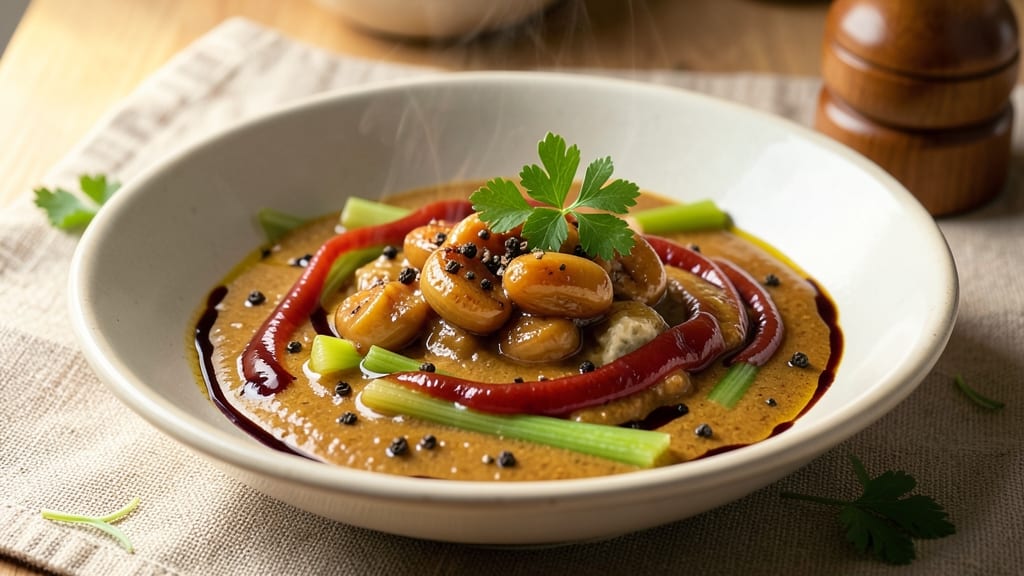
This alio olive oil sauce recipe transforms simple pantry staples into a silky, garlicky emulsion that elevates everything from grilled seafood to crusty bread.
The secret lies in balancing fresh garlic, high-quality olive oil, and a touch of acidity—whether from vinegar or tomato—to create a sauce that's both rich and bright.
Professional chefs rely on this technique for its versatility, and you can achieve the same restaurant-quality results at home with just a few minutes of prep.
What sets this alio sauce apart is its celery crown crunch—finely chopped celery adds subtle texture and freshness that cuts through the richness of the olive oil.
The sauce starts with a gentle infusion of garlic in warm oil before emulsifying with a splash of vinegar or tomato, creating a stable, velvety consistency that clings beautifully to proteins.
Unlike heavy creams or butter-based sauces, this version stays light yet deeply flavorful, making it perfect for drizzling rather than smothering.
The result is a sauce that's foolproof yet sophisticated, with a balance of savory, aromatic, and slightly tangy notes. It works as a finishing touch for grilled meats, a dipping sauce for crusty bread, or even a marinade for seafood—its adaptability makes it a staple in any kitchen.
Once you master this technique, you'll never reach for store-bought again.
Best of all, the sauce keeps well in the refrigerator for up to a week, allowing you to make a batch ahead for effortless meal prep. Whether you're serving a summer dinner or prepping for a weeknight, this alio olive oil sauce delivers restaurant-quality flavor with minimal effort.
Let's get started on creating your own.
Ingredients for alio sauce
Simple ingredients, restaurant-quality results—just 9 staples for this velvety alio sauce.
| Ingredient | Amount | Notes |
|---|---|---|
| Extra-Virgin Olive Oil 🫒 | 1 cup | High-quality, fruity variety |
| Garlic Cloves 🧄 | 6 cloves | Fresh, peeled, thinly sliced |
| Celery Stalks 🧅 | 2 whole | Finely chopped, celery crown preferred |
| Red Wine Vinegar 🍷 | 2 tbsp | Dry, aged variety |
| Tomato Paste 🍅 | 2 tbsp | Smooth, no-salt-added |
| Salt 🧂 | ½ tsp | Diamond Crystal preferred |
| Black Pepper 🌶️ | ¼ tsp | Freshly ground |
| Fresh Lemon Juice 🍋 | 1 tbsp | Freshly squeezed |
| Water 💧 | ¼ cup | Room temperature |
The olive oil is non-negotiable here. Trader Joe's or Whole Foods carry excellent extra-virgin options, but any fruity, high-quality oil works. Look for bottles labeled 'first cold press'—that means it's fresh and full of flavor. The garlic should be fresh, never pre-minced, and the celery crown (the leafy top) adds that signature crunch. If you can't find celery crowns, regular celery works, but the flavor is slightly different. For the vinegar, dry, aged red wine vinegar adds depth—skip the sweet balsamic unless you're going for a sweeter profile.
No red wine vinegar? White wine vinegar or apple cider vinegar will work in a pinch, though the flavor shifts slightly. Short on celery crown? Fresh parsley or chives can add brightness at half the amount. The tomato paste can be swapped for a splash of tomato juice or puree if you're avoiding canned ingredients. For extra richness, stir in 1/4 cup crumbled vegan feta or nutritional yeast at the end. And if you're making this ahead, add the lemon juice right before serving—it keeps the sauce brightest.
This sauce keeps beautifully in an airtight jar in the fridge for up to 1 week, though it tastes best within 3-4 days. The texture thickens as it sits, so stir in a splash of water or olive oil to loosen before using. For meal prep, make a double batch—it's perfect for drizzling over grilled fish, tossing with pasta, or serving as a dipping sauce. Freezes for 3 months if stored in a sealed container with a thin layer of oil on top to preserve freshness.
Why You'll Love This Recipe
- Five-Ingredient Magic: I swear by this—just olive oil, garlic, celery, vinegar, and tomato paste. That’s it. No fancy pantry trips, no last-minute grocery runs. The celery adds this subtle crunch that disappears into pure flavor, and the vinegar cuts through the richness like a bright knife.
- Garlic Bomb: Between us, this sauce is ridiculously garlicky in the best way. The cloves soften just enough to melt into the oil, creating this golden, aromatic base that makes everything taste like you slaved over it. (Spoiler: You didn’t.)
- Weeknight Swiss Army: It’s my secret weapon for pasta, grilled fish, even scrambled eggs. Toss it with spaghetti for a quick dinner, drizzle it over roasted veggies for a fancy-ish side, or use it as a marinade. Honestly, I’ve lost track of how many meals it’s saved me from takeout.
- Makes More Than You Think: A small batch stretches farther than you’d expect—leftovers taste just as good the next day. I’ll make a double batch on Sundays, stash it in the fridge, and pull it out for lazy nights. Plus, the tomato paste keeps it thick and rich, so it won’t water down. Budget-friendly? Absolutely.
Step-by-step instructions for alio olive oil sauce
This vibrant sauce transforms simple ingredients into a bright, garlicky masterpiece perfect for dipping or drizzling.
Sauté Celery Crown Until Tender
Heat the 1 cup Extra-Virgin Olive Oil in a medium saucepan over medium-low heat. Add the 2 whole Celery Stalks, finely chopped (using the leafy crowns for texture), and cook for 5-7 minutes until softened but not browned. Stir occasionally to prevent burning—this is where the celery releases its subtle, earthy sweetness.
Real talk: don't rush this step. The celery should be tender enough to break down completely but still retain some texture. If it starts to brown too quickly, reduce the heat slightly. This foundational step builds the sauce's signature crunch and depth.
Add Garlic and Tomato Paste
Push the celery to one side of the pan, then add the 6 cloves Garlic Cloves, thinly sliced. Cook for 1-2 minutes until the garlic turns golden and fragrant—this is when the magic happens. Then stir in the 2 tbsp Tomato Paste and cook for another 2 minutes, letting it caramelize slightly.
Here's the thing—garlic burns in seconds, so watch it closely. You want it to be golden, not dark brown. The tomato paste will deepen the sauce's color and add a subtle umami richness that balances the bright olive oil. Stir constantly during this phase to prevent sticking.
Deglaze with Vinegar and Water
Pour in the 2 tbsp Red Wine Vinegar and scrape up any browned bits from the bottom of the pan—this is called deglazing, and it captures all the flavor locked in those bits. Add the 0.25 cup Water and bring the mixture to a gentle simmer. Let it cook for 3-4 minutes until slightly thickened.
The vinegar brightens the sauce and cuts through the richness of the olive oil. The water helps emulsify everything, creating that signature silky texture. If the mixture looks too thick, add a splash more water—you want it to coat the back of a spoon but still flow smoothly.
Season and Finish with Lemon
Remove the pan from heat and stir in the 0.5 tsp Salt, 0.25 tsp Black Pepper, and 1 tbsp Fresh Lemon Juice. Let the sauce sit off heat for 2-3 minutes to allow the lemon to mellow slightly—this prevents a harsh, citrusy bite. Taste and adjust seasoning if needed.
The lemon juice is crucial here. It adds a bright, tangy finish that cuts through the richness and balances the garlic's intensity. The sauce should be vibrant, garlicky, and slightly tangy with a touch of sweetness from the caramelized tomato paste. If it's too sharp, add a pinch more salt. If it's too mild, squeeze in a bit more lemon.
Rest and Serve
Transfer the sauce to a bowl and let it rest for 10 minutes at room temperature. This allows the flavors to meld completely and the texture to thicken slightly. Serve warm or at room temperature, drizzled over crusty bread, grilled vegetables, or seafood.
Don't skip the resting time—it makes all the difference. The sauce will thicken just enough to cling beautifully to whatever you're serving. For extra crunch, sprinkle with finely chopped celery leaves or a pinch of flaky sea salt right before serving. Enjoy immediately for the best texture and flavor!
Pro Tips For Making Alio Sauce
- Cook garlic low and slow: I learned this the hard way—burnt garlic ruins everything. Sauté those cloves on medium-low heat until they’re golden but not crispy, stirring often. If your oil smokes, you’ve gone too far.
- Chop celery fine: Tiny dice, not rough chunks—this sauce needs celery to melt into the oil, not sit like a textured afterthought. A sharp knife and a steady hand make all the difference.
- Deglaze with vinegar first: Skip the water. After browning garlic and celery, hit the pan with red wine vinegar immediately—it cuts through the oil’s richness and builds flavor faster than scraping later.
- Stir tomato paste constantly: This isn’t the time to walk away. Keep that paste moving on medium heat until it’s fully dissolved and darkens slightly—about 2 minutes. Lumps? You’ve lost the sauce’s soul.
Pro cooking tips for this dish
Garlic Infusion Mastery
The key to a perfect alio sauce lies in how you handle the garlic—never let it burn! Start by heating your 1 cup Extra-Virgin Olive Oil over medium-low heat until it shimmers but doesn’t smoke.
Add the 6 thinly sliced garlic cloves and cook for just 1-2 minutes until they’re golden and fragrant. This is when the allicin (the compound that gives garlic its health benefits) develops fully. 🧄
Pro tip: If your garlic starts to sizzle too aggressively, immediately reduce the heat to low and stir constantly. Burnt garlic will make your sauce bitter, and no amount of extra lemon juice can fix that.
I like to use a small stainless steel skillet for this step—it heats evenly and gives me better control over the temperature.
Emulsification Secrets
This sauce relies on a natural emulsion between the olive oil and the vinegar-water mixture. The trick is to bring everything to a gentle simmer for 3-4 minutes—this allows the ingredients to meld without breaking the emulsion.
If your sauce separates, simply whisk vigorously or use an immersion blender for 10-15 seconds to recombine.
For extra stability, I sometimes add 1 tsp cornstarch mixed with 1 tbsp water at the end and simmer for another minute. This creates a slight thickening that helps the sauce cling better to foods like grilled fish or crusty bread. Just don’t overdo it—you want it silky, not gluey.
Celery Crown Crunch
The celery crown isn’t just for flavor—it’s for texture! When you sauté the 2 finely chopped celery stalks (including the leafy tops) in the olive oil, you’re building a subtle crunch that cuts through the richness.
Cook them until they’re tender but still hold their shape—about 5-7 minutes over medium-low heat.
Here’s my secret: Pulse the celery crowns in a food processor for 2-3 seconds before cooking to create tiny, even pieces. This ensures consistent texture throughout the sauce. If you’re short on time, regular celery works, but the flavor won’t be as bright or complex.
Acidity Balance
The 2 tbsp Red Wine Vinegar and 1 tbsp Fresh Lemon Juice are non-negotiable for balancing the sauce’s richness. The vinegar brightens the garlic and olive oil, while the lemon adds a fresh, tangy finish.
Taste as you go—if the sauce tastes flat, add a splash more vinegar. If it’s too sharp, a pinch of salt or a drizzle of olive oil will smooth it out.
For a sweeter profile, I sometimes add 1 tsp honey or agave syrup at the end. It might sound odd, but it rounds out the flavors beautifully, especially when serving with grilled meats or seafood. Just don’t overdo it—you want the garlic and olive oil to shine.
Heat Control Tips
Medium-low heat is your best friend when making alio sauce. Too high, and you’ll burn the garlic or celery. Too low, and the sauce won’t emulsify properly. I use a thermometer to keep the oil between 275°F and 300°F—this is the sweet spot for gentle cooking without scorching.
If you don’t have a thermometer, watch the oil closely. It should shimmer but not smoke. If it starts to smoke, immediately remove the pan from heat and let it cool slightly before continuing. Patience here pays off—rushing this step is the fastest way to ruin an otherwise perfect sauce.
Nutrition facts
Frequently asked questions
What’s the difference between alio sauce and aioli?
While both are garlicky and oil-based, alio sauce is a Catalan-style olive oil emulsion with celery crown for texture, while traditional aioli is a mayonnaise-like sauce made with egg yolks and olive oil. This alio version is lighter, vegan-friendly, and perfect for drizzling—not just dipping.
Can I make this sauce without celery crown?
If you can’t find celery crowns, use 2 regular celery stalks chopped fine (about 1/2 cup total). For extra brightness, add 1 tbsp chopped fresh parsley or 1 tsp lemon zest. The texture will be slightly different but still delicious.
How do I fix separated alio sauce?
Separation happens when oil and water mix don’t emulsify properly. Simply whisk vigorously or blend with an immersion blender for 10-15 seconds. If it’s still thick, add 1 tsp water and whisk again. For extra stability, stir in 1/2 tsp cornstarch mixed with 1 tsp water and simmer for 1 minute.
What’s the best way to store leftover alio sauce?
Store in an airtight jar in the fridge for up to 1 week. The texture thickens over time, so stir in 1 tsp water or olive oil before using. For longer storage, freeze for 3 months—thaw overnight in the fridge. Add fresh lemon juice before serving to brighten flavors.
Can I use this sauce as a marinade?
Yes! This alio sauce makes an excellent marinade for grilled fish, shrimp, or chicken. Coat proteins lightly and marinate for 15-30 minutes (no longer, or the acidity will over-tenderize). For extra flavor, add 1 tsp smoked paprika or 1/2 tsp red pepper flakes. Always pat dry before cooking for best results.