
Sauces & Condiments
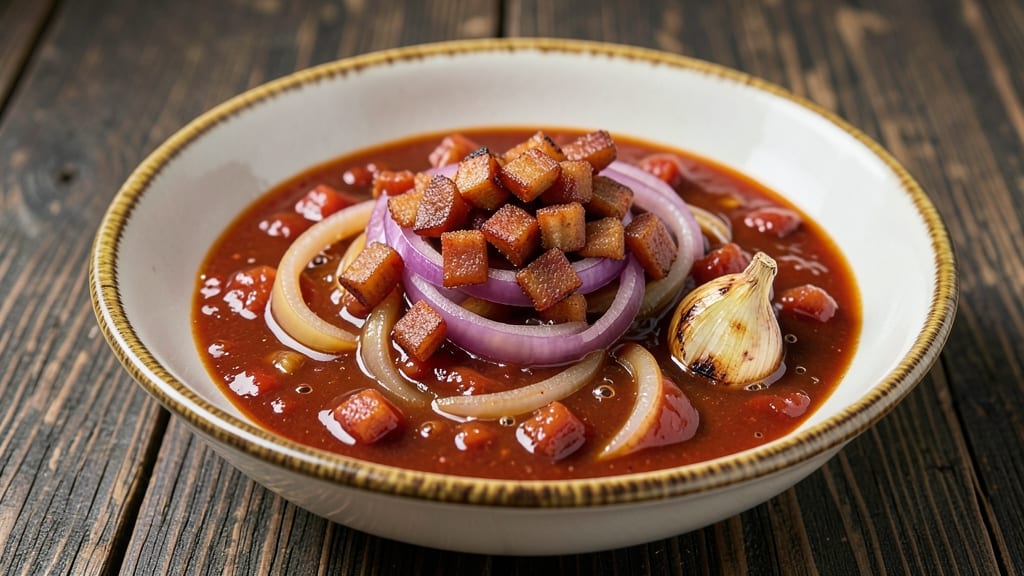
This all-day pasta sauce recipe transforms simple ingredients into a rich, umami-packed sauce that only gets better with time. 💛 The secret lies in slow simmering—allowing flavors to meld and deepen over hours, creating a sauce that's perfect for weeknight dinners or meal prep.
Unlike quick sauces that fade, this one develops complexity, making every forkful taste like it was simmered all day.
What sets this sauce apart is its versatility—start with a classic tomato base, then layer in aromatics like garlic, onions, and fresh herbs for brightness. A touch of pancetta or sausage adds depth, while a splash of red wine and a sprinkle of sugar balance acidity and richness.
The sauce thickens naturally as it simmers, coating pasta perfectly without needing starch.
By the time you're done, you'll have a sauce that's restaurant-quality but made at home—deep, flavorful, and packed with layers of taste. The best part? It keeps improving in the fridge, making it ideal for leftovers or batch cooking.
Serve it over al dente pasta, drizzle it on grilled meats, or use it as a marinade for extra depth.
This recipe is designed for flexibility—adjust the ingredients to suit your taste or dietary needs, but always let it simmer. The longer it cooks, the more flavorful it becomes, turning a simple sauce into a week-long pantry staple. Let's get started!
Ingredients for all day pasta sauce
Simple pantry staples and fresh aromatics create a sauce that deepens in flavor over time.
| Ingredient | Amount | Notes |
|---|---|---|
| San Marzano Tomato Crushed 🍅 | 28 oz | Canned, high-quality tomatoes |
| Yellow Onion 🧅 | 1 whole | Medium, diced |
| Garlic Cloves 🧄 | 6 cloves | Peeled, minced |
| Pancetta Cubed 🥓 | 6 oz | Diced small, or substitute with Italian sausage |
| Dry Red Wine 🍷 | ½ cup | Bold, like Cabernet Sauvignon |
| Granulated Sugar 🍬 | 1 tbsp | Balances acidity |
| Extra-Virgin Olive Oil 🫒 | ¼ cup | For richness |
| Fresh Basil Leaves 🌿 | ½ cup | Chopped, stems removed |
| Fresh Parsley Leaves 🌿 | ¼ cup | Chopped, for brightness |
| Vegetable Broth 💧 | 1 cup | Low-sodium preferred |
| Salt 🧂 | 1 ½ tsp | Diamond Crystal preferred |
| Black Pepper 🌶️ | ½ tsp | Freshly ground |
The tomatoes are the foundation—San Marzano is ideal, but any high-quality canned tomatoes work. Look for bright red color and minimal water at the bottom of the can. Trader Joe's and Whole Foods carry excellent options. Pancetta adds depth, but Italian sausage or bacon works in a pinch. The red wine should be bold and dry—Cabernet Sauvignon or Merlot are reliable choices. Fresh herbs elevate the sauce, so grab a handful of basil and parsley from the grocery store's produce section—they're often fresher than store-bought bundles.
No pancetta? Italian sausage or bacon adds similar richness. Short on red wine? Beef broth with a splash of balsamic vinegar mimics the depth. Fresh herbs wilt fast, so dried basil and oregano at half the amount are fine if needed. The tomato crush can be substituted with whole peeled tomatoes if you prefer texture. For extra umami, add a dash of fish sauce or soy sauce—just a teaspoon goes a long way.
This sauce tastes even better the next day—plan ahead. Store in an airtight container in the fridge for up to 5 days, or freeze for 3 months. I always double the batch—one for dinner, one for leftovers. The flavors meld beautifully in the fridge, making it perfect for meal prep. If it thickens too much, just stir in a splash of water or broth to loosen it up.
Why You'll Love This Recipe
- No Chopping Nightmare: The pancetta cubes render in minutes while you dice one onion—no fancy knife skills needed. I swear, my lazy Sundays now start with this.
- Wine-Infused Magic: That splash of dry red wine? It’s not just flavor—it’s the secret to a sauce that tastes like you simmered it for hours (even though we’re talking 30 minutes max).
- Weeknight to Dinner Party: Same sauce for my tired Tuesday or my aunt’s holiday feast. The pancetta adds richness, so it feels fancy without extra work.
- Fridge Goldmine: Make a double batch—this sauce only gets better after a day in the fridge. My kids beg for it cold on sandwiches; I eat it straight from the jar.
Step-by-step instructions for slow-simmered umami pasta sauce
This sauce builds complexity through patience—low heat and time transform simple ingredients into rich, layered flavor.
🍳 Step 1: Render Pancetta and Sauté Onions
Heat a large Dutch oven over medium heat and add the 6 oz pancetta cubed. Let it render for 8-10 minutes until the fat is golden and crispy, and the pancetta is slightly browned. Use a slotted spoon to remove the pancetta, leaving the rendered fat in the pot.
In the same pot, add 0.25 cup extra-virgin olive oil and reduce heat to medium-low. Add the 1 whole yellow onion and cook for 8-10 minutes until softened and translucent. You're building flavor here—don't rush this step. The onions should caramelize slightly at the edges.
🍳 Step 2: Add Garlic and Tomatoes
Stir in the 6 cloves minced garlic and cook for 30 seconds until fragrant—don't let it brown or it'll turn bitter. Add the 28 oz crushed San Marzano tomatoes, scraping up any browned bits from the bottom of the pot. These bits are pure flavor.
Season with 1 tbsp granulated sugar, 1.5 tsp salt, and 0.5 tsp black pepper. The sugar balances the acidity of the tomatoes while the salt enhances all the flavors. Stir well to distribute everything evenly.
🔥 Step 3: Simmer and Develop Depth
Bring the sauce to a gentle simmer over low heat, then reduce to the lowest setting. Partially cover the pot and let it cook for 1 hour. Stir occasionally to prevent sticking. The sauce should thicken gradually as moisture evaporates, and the flavors meld together.
After the initial 1 hour, add the 0.5 cup dry red wine and 1 cup vegetable broth. Stir well and continue simmering uncovered for another 1-2 hours until the sauce reduces to your desired consistency. The longer it simmers, the more concentrated and flavorful it becomes.
🥘 Step 4: Finish with Herbs and Adjust
Stir in the 0.5 cup chopped fresh basil leaves and 0.25 cup chopped fresh parsley leaves. Taste and adjust seasoning—you may need to add more salt or sugar depending on your tomatoes. The herbs should brighten the sauce and add freshness.
For best results, let the sauce cool slightly before tasting. The flavors continue to develop even after removing it from heat. This sauce tastes even better the next day as the flavors meld further.
Pro Tips For Making All Day Pasta Sauce
- Cook Pancetta Slow: I used to rush this and end up with greasy, undercooked bits—now I simmer the pancetta on low heat for 8-10 minutes until it’s golden and crispy in spots. The fat renders slowly, and the meat stays flavorful instead of turning to mush. (Yes, even if you’re impatient like me.)
- Sweat Onions Properly: Don’t brown them—just cook the onions in the pancetta fat until they’re translucent and just starting to soften, about 5-6 minutes. Overcooking turns them bitter, and you’ll taste it in every bite of that long-simmered sauce.
- Deglaze with Wine Immediately: As soon as you remove the pancetta, pour in that red wine right away while the pan is still hot. Let it bubble for 2-3 minutes to pull up all the browned bits—this is where half the flavor hides. Skipping this step means losing depth.
- Crush Tomatoes by Hand: San Marzano tomatoes are sweet and meaty, but if you pulse them in a blender, you’ll end up with a smoother sauce that lacks texture. Use your fingers or a potato masher to keep some chunks—it’ll give the sauce body and prevent it from turning gluey after hours of simmering.
Dietary considerations for this all day pasta sauce
Gluten-Free Adaptations
This sauce is naturally gluten-free, but always double-check your ingredients—especially the pancetta or Italian sausage you use. Some brands process meat with gluten-containing additives. I recommend Applegate Naturals or Chicken of the Sea pancetta, which are certified gluten-free.
The red wine and vegetable broth should also be gluten-free, so opt for brands like Annie's or Pacific Foods if needed. 🌱
Vegetarian Options
Swap out the pancetta for mushrooms or smoked tofu to keep it vegetarian. Sauté 8 oz cremini mushrooms instead of pancetta—they add an earthy depth. For extra umami, add 1 tbsp soy sauce or 1 tsp miso paste when you simmer the tomatoes.
The sauce will still develop richness without meat.
Dairy-Free Considerations
This recipe is already dairy-free, but if you're using it as a base for creamy pasta dishes, avoid adding cheese or butter later. For a dairy-free twist, stir in 2 tbsp nutritional yeast at the end for a cheesy flavor without lactose.
It’s a game-changer for vegan pasta dishes—just add it after the sauce cools slightly. 💡
Low-Sodium Adjustments
If you're watching your sodium intake, reduce the 1.5 tsp salt to 0.5 tsp and boost flavor with extra garlic, herbs, or a pinch of smoked paprika. Use low-sodium vegetable broth and skip the pancetta’s saltiness by opting for mushrooms or tofu instead.
Taste as you go—this sauce is forgiving, and you can always add more salt later.
Allergy-Friendly Swaps
For nut allergies, avoid adding any nut-based ingredients (this recipe doesn’t include any, but always check labels on broths or wines). If you’re sensitive to garlic or onions, substitute with asafetida powder (½ tsp)**—it mimics their savory depth without the allergens.
For FODMAP-sensitive diets, reduce garlic to 2 cloves and onions to ½ cup, or omit them entirely and add more herbs for brightness.
Keto-Friendly Version
To make this sauce keto-friendly, skip the 1 tbsp sugar and use sweetener like erythritol or monk fruit instead (½ tsp). The sauce will still balance acidity without carbs.
For extra richness, add 2 tbsp heavy cream or coconut milk at the end. It’s perfect for low-carb pasta made from shirataki noodles or zucchini noodles. 🥦
Nutrition facts
Frequently asked questions
Can I make this sauce in a slow cooker instead of stovetop?
Transfer all ingredients (except fresh herbs) to a 6-quart slow cooker and cook on low for 6-8 hours or high for 3-4 hours. Stir occasionally and add herbs in the last 30 minutes. The slow cooker method actually enhances the "all day" flavor development since it simmers gently for hours. Just be sure to leave the lid slightly ajar during the last hour to prevent overflow.
How do I prevent the sauce from getting too acidic?
Start with San Marzano tomatoes which are naturally sweeter than other varieties. The 1 tbsp sugar balances acidity, but if your tomatoes are particularly tart, add another ½ tsp sugar or a pinch of baking soda (just a tiny amount!). Always taste as you go—simmering longer also reduces acidity by evaporating moisture. A splash of red wine or broth helps too.
What's the best way to store leftovers?
Let the sauce cool completely, then transfer to an airtight container with a lid. It keeps in the fridge for 5-7 days—the flavors actually improve! For longer storage, freeze in 1-cup portions for easy use. Thaw overnight in the fridge, then reheat gently on low heat. The sauce may thicken when refrigerated, so stir in a splash of water or broth when reheating.
Can I use this sauce for other dishes besides pasta?
This versatile sauce works beautifully as a marinade for chicken or fish, a pizza sauce base, or even a dip for crusty bread. For meatballs, mix ½ cup sauce with 1 egg and 1 cup breadcrumbs before forming. It also makes an excellent topping for grilled vegetables or roasted potatoes. The umami depth makes it perfect for any dish that needs a rich, savory element.
Why does my sauce look watery even after simmering?
This usually happens if you didn't simmer long enough or used too much broth. For a thicker sauce, continue simmering uncovered for another 30-60 minutes to reduce further. If it's still too thin, mix 1 tbsp cornstarch with 2 tbsp water, stir into the sauce, and simmer for 5 minutes until thickened. Alternatively, reduce the broth to ½ cup next time for a more concentrated flavor.