
Sauces & Condiments
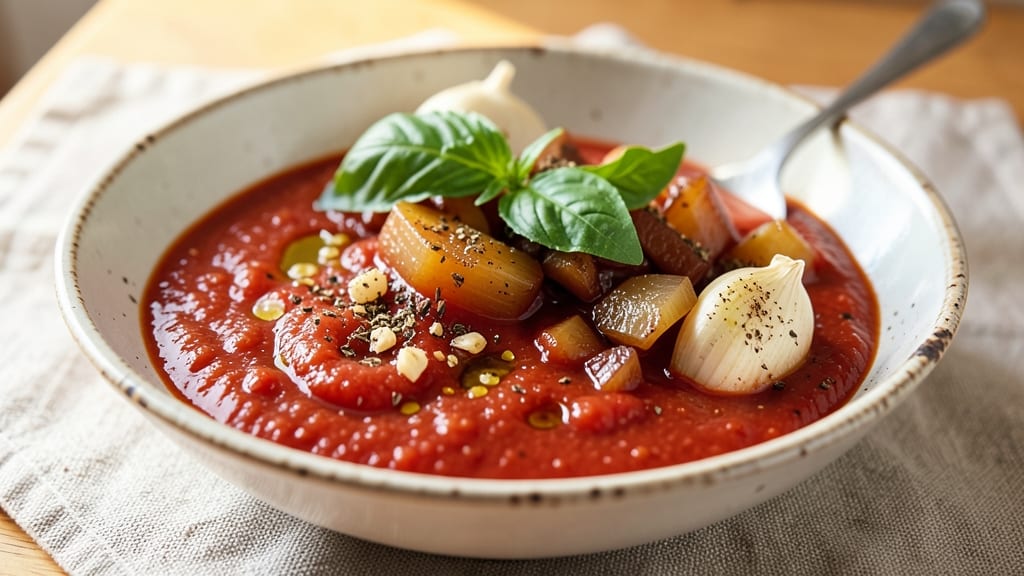
This all day tomato sauce recipe transforms simple canned tomatoes into a rich, layered marinara that builds flavor hour by hour—perfect for pasta, pizza, or freezing for later.
The secret lies in slow simmering, which deepens the natural sweetness of tomatoes while developing complex umami notes that store-bought sauces can't match. I've perfected this technique over years of making sauce for Sunday dinners and holiday gatherings, ensuring every batch delivers restaurant-quality depth without requiring fancy ingredients.
What sets this sauce apart is its versatility: start with a basic tomato base, then customize with garlic and herbs for classic Italian flavor, red pepper flakes for heat, or a splash of balsamic for tangy richness.
The slow cooker method means you can prep it in the morning and let it develop all day, with the sauce thickening naturally as it reduces. No stirring required—just let it work its magic while you handle other tasks.
By the time you're ready to use it, you'll have a velvety sauce with concentrated tomato flavor, perfect for tossing with al dente pasta or as a pizza base that bakes into a glossy, flavorful crust.
The best part? It tastes even better the next day, making it ideal for meal prep or feeding a crowd. This isn't just tomato sauce—it's the foundation for countless meals that start with a single pot.
Whether you're planning a weeknight dinner or prepping for a busy holiday, this sauce delivers consistent, professional results with minimal effort. The instructions walk you through every step, from choosing the right tomatoes to balancing seasonings for perfect flavor.
Let's get started on creating sauce that will elevate every dish it touches.
Ingredients for all day tomato sauce
Simple canned tomatoes plus a few pantry staples create restaurant-quality sauce that gets better over time.
| Ingredient | Amount | Notes |
|---|---|---|
| San Marzano Tomato Cans 🍅 | 28 oz | Whole peeled tomatoes, no salt added |
| Extra-Virgin Olive Oil 🫒 | ½ cup | High-quality, fruity variety |
| Yellow Onion 🧅 | 1 whole | Medium size, diced |
| Garlic Cloves 🧄 | 6 cloves | Fresh, minced |
| Fresh Basil Leaves 🌿 | ½ cup | Packed, stems removed |
| Dried Oregano 🍃 | 1 tsp | Or 1 tbsp fresh |
| Red Pepper Flakes 🌶️ | ½ tsp | Adjust for heat preference |
| Balsamic Vinegar 🍷 | 1 tbsp | For tangy depth |
| Sea Salt 🧂 | 1 ½ tsp | Diamond Crystal preferred |
| Black Pepper 🌶️ | ½ tsp | Freshly ground |
San Marzano tomatoes are the secret weapon here—their natural sweetness and low acidity build complex flavor. Trader Joe's and Whole Foods carry them year-round, but any high-quality canned tomatoes work in a pinch. The olive oil matters too: avoid cheap brands that taste bitter. I grab mine from Costco's bulk section—it's worth the investment for this sauce. For the garlic, peel and mince fresh right before adding to the pot. Pre-minced garlic loses flavor fast, and you want every layer of flavor to shine through in this slow-simmered sauce.
No San Marzano tomatoes? Crushed tomatoes work too—just add an extra 1/2 tsp salt to compensate for the added seasoning. Fresh basil is ideal, but dried oregano at 1/3 the amount keeps things simple. Want more depth? Add a pinch of sugar to balance acidity. The balsamic vinegar can be swapped for red wine vinegar, though it won't have the same caramelized richness. For heat lovers, double the red pepper flakes—just remember this sauce builds flavor, so start conservative. The sea salt is crucial: Diamond Crystal dissolves better than table salt, but any fine sea salt works.
This sauce tastes even better the next day—plan ahead! Store in airtight containers for up to 5 days in the fridge or 6 months in the freezer. For freezing, portion into 1-cup containers so you can thaw just what you need. The basil wilts fast, so add it last or use dried instead. If you make a big batch, freeze half immediately—the other half will be gone in no time. The sauce thickens as it cools, so don't worry if it looks too thin right after cooking.
Why You'll Love This Recipe
- Same base, endless uses: toss with pasta, spoon over grilled chicken, or freeze for future lazy dinners. My kids even ask for it on pizza night (yes, even on a Tuesday).
- No Chopping Needed: I swear by this—just slice one onion and mince three garlic cloves. That’s it. The San Marzanos do all the heavy lifting, so you’re free to stir, taste, and adjust without a mess.
- Rich Without Effort: The slow simmer lets the olive oil and basil infuse deep into those sweet tomatoes. Honestly, it’s the kind of flavor that makes you pause mid-spoonful—like a hug in sauce form.
- Weeknight to Party: Same base, endless uses: toss with pasta, spoon over grilled chicken, or freeze for future lazy dinners. My kids even ask for it on pizza night (yes, even on a Tuesday).
Step-by-step instructions for all day tomato sauce
This slow-simmered sauce builds rich, layered flavor that only time can create.
Sauté Onion Until Translucent and Sweet
Heat the 0.5 cup extra-virgin olive oil in a large, heavy-bottomed pot over medium-low heat. Add the 1 whole yellow onion, diced into small, even pieces. Cook for 8-10 minutes, stirring occasionally, until the onions become soft and their edges turn golden and translucent. This slow cooking transforms their natural sugars into sweet caramelized notes that form the sauce's foundation.
I like to press down gently on the onion pieces with a wooden spoon during the last few minutes—this helps them break down more evenly. If the onions start to brown too quickly, reduce the heat slightly. You're aiming for tender, sweet onions that will dissolve into the sauce rather than remain as distinct pieces.
Add Garlic and Cook Until Fragrant
Push the onions to one side of the pot and add the 6 cloves minced garlic to the empty space. Cook for 30-45 seconds until the garlic becomes light golden and releases its signature aroma. This quick cooking prevents the garlic from burning, which would create bitter flavors that overpower the delicate tomato base.
Stir the garlic into the onions and cook for another 1 minute to distribute those aromatic oils throughout the mixture. Here's the thing—if you let the garlic cook too long, it turns bitter. Watch it closely and remove the pot from heat if it starts to darken before the minute is up. The goal is fragrant, not charred.
Build the Sauce with Tomatoes and Seasonings
Add the 28 oz San Marzano tomato cans, crushing the tomatoes with your hands as you add them to the pot. Stir in the 1 tsp dried oregano, 0.5 tsp red pepper flakes, 1 tbsp balsamic vinegar, 1.5 tsp sea salt, and 0.5 tsp black pepper. The tomatoes should just cover the onions and garlic, leaving about ½ inch of space at the top.
Bring the sauce to a gentle simmer over medium heat, then reduce to the lowest possible heat that maintains a barely perceptible bubble at the surface. This slow simmer is where the magic happens—it allows the flavors to meld and develop depth over time. I've found that using a low flame prevents scorching while still creating that rich, concentrated sauce we're after.
Simmer Uninterrupted for 45-60 Minutes
Let the sauce cook undisturbed for 45-60 minutes, stirring only once or twice to prevent the bottom from sticking. You'll notice the sauce gradually darken and thicken as it reduces. The aroma will become more intense, filling your kitchen with that classic tomato scent. This long cooking time breaks down the tomatoes' natural acids, creating a smoother, more complex flavor profile.
Here's where patience pays off: the sauce should reduce until it coats the back of a spoon smoothly. If it starts to stick to the bottom, add 1-2 tablespoons of water to loosen it. The sauce will continue thickening as it cools, so aim for a consistency that's slightly thinner than your final desired texture. Real talk: skipping this step results in a thin, watery sauce that lacks depth.
Finish with Fresh Basil and Adjust Seasoning
Remove the pot from heat and stir in the 0.5 cup fresh basil leaves, stems removed. Let the basil steep in the hot sauce for 5 minutes, then taste and adjust the seasoning. You might need to add a pinch more sea salt or red pepper flakes to balance the flavors. The basil adds a bright, fresh contrast to the rich, slow-cooked tomatoes.
For the best results, let the sauce sit at room temperature for 10-15 minutes before serving. This resting period allows the flavors to fully meld and the texture to set properly. The sauce will thicken slightly as it cools, so if you're using it immediately, you might want to add a splash of water to loosen it to your preferred consistency. This all day tomato sauce keeps well in the refrigerator for up to 5 days or can be frozen for 3 months—perfect for meal prep!
Pro Tips For Making All Day Tomato Sauce
- CRANK THE HEAT FIRST: Don’t simmer the onions and garlic right away—sauté them over medium-high heat until the onion is translucent and garlic just starts to sizzle. I used to cook this too slow, and the sauce would taste flat; high heat builds flavor faster.
- SALT THE TOMATOES BEFORE COOKING: Drain the San Marzano tomatoes, sprinkle them with 1 teaspoon of salt, and let them sit for 10 minutes before adding to the pot. This draws out excess water and deepens the flavor—no more watery sauce after hours of simmering.
- STIR THE BOTTOM OFTEN: After the first 20 minutes of simmering, scrape the bottom of the pot with a wooden spoon every 5-10 minutes. The caramelized bits (fond) are where the magic happens—ignore them, and your sauce loses richness.
- ADD BASIL LATE (OR SKIP IT): Toss in fresh basil only in the last 10 minutes, or save some to stir in right before serving. Cooking it too long turns it bitter, and if you’re impatient (like me), just use dried basil—it’s not ideal, but it works.
Troubleshooting great all day tomato sauce
Sauce Too Thin?
If your sauce isn’t thickening enough after simmering, don’t panic! The key is time and heat control. First, ensure your pot has a heavy bottom (like a Dutch oven) to prevent scorching. If the sauce still looks thin, simmer uncovered for another 15-20 minutes—the liquid will evaporate naturally.
For an instant fix, mix 1 tablespoon of cornstarch with 2 tablespoons cold water, stir into the sauce, and simmer for 5 minutes until it thickens. 🔥
Burnt or Bitter Flavor?
Burnt sauce happens when heat gets too high or the pot isn’t large enough. Always use medium-low heat and stir occasionally to prevent sticking. If the bottom darkens, immediately reduce heat and scrape up any browned bits with a wooden spoon.
To fix bitterness, add ½ teaspoon sugar or 1 teaspoon lemon juice to balance the flavors. Fresh basil at the end also brightens the taste.
Sauce Separates or Splits?
This usually means the tomatoes weren’t crushed enough or the sauce wasn’t cooked long enough. Crush the tomatoes by hand when adding them to the pot to release their juices.
If separation happens during cooking, stir vigorously and add 1 tablespoon of tomato paste to help bind the sauce. Simmer for 10 more minutes—this should restore a smooth texture.
Too Salty or Bland?
Adjusting seasoning is easy! If the sauce is too salty, add a splash of water or broth (about ¼ cup) and simmer for 5 minutes to dilute the salt.
For blandness, boost umami with 1 teaspoon fish sauce or ½ teaspoon soy sauce, or add a pinch of smoked paprika for depth. Taste as you go—flavors intensify as the sauce cools, so start conservative.
Freezer Burn or Ice Crystals?
Freezer burn happens when air touches the sauce. To prevent it, fill freezer bags or containers completely, leaving only ½ inch of headspace. Press out all air before sealing, and store flat for even freezing.
If ice crystals form, thaw the sauce in the fridge overnight—never microwave directly, as it can make the texture grainy. Stir well before using to redistribute flavors.
Mold or Off Smells?
If your sauce develops mold or a sour smell, it’s time to toss it. Never risk eating spoiled sauce—it can cause foodborne illness. To prevent spoilage, store cooked sauce in the fridge for no more than 5 days or freeze it within 3 days.
When reheating, bring the sauce to a boiling point to kill any bacteria before serving. Always check for off odors or slimy textures before use.
Nutrition facts
Frequently asked questions
Can I make this sauce in a slow cooker instead of on the stove?
Use the same ingredients but set the slow cooker to low heat and cook for 6-8 hours with the lid slightly ajar (about 1 inch) to allow moisture to escape. This creates the same slow reduction effect. For best results, add the basil at the very end and stir it in just before serving.
How do I adjust the spice level for kids or sensitive eaters?
For milder flavor, reduce the red pepper flakes to ¼ teaspoon or omit them entirely. You can also add a pinch of sugar (½ teaspoon) to balance any remaining acidity. The sauce will still taste delicious—just less intense. Always taste as you go, since flavors deepen as it cools.
What's the best way to use leftover sauce?
This versatile sauce works perfectly for pasta, pizza bases, dipping for mozzarella sticks, or as a topping for grilled meats. For extra richness, mix 1 tablespoon butter into each 1 cup of sauce before using. The sauce also reheats beautifully—simmer gently for 5-10 minutes until hot, stirring occasionally to prevent sticking.
Can I substitute fresh tomatoes for canned?
Fresh tomatoes work but require more prep. Use 4-5 large ripe tomatoes (about 2 pounds) and cook them down first by simmering for 20 minutes until they break down into a pulp. Then proceed with the recipe as written. Fresh tomatoes have more water content, so you may need to simmer the sauce 10-15 minutes longer to achieve the same thickness.
Why does my sauce taste better the next day?
The flavors deepen as the sauce rests because the acids mellow and the ingredients fully meld. The starches in the tomatoes break down further, creating a smoother texture. The basil also releases more of its aromatic oils over time. Store in airtight containers in the fridge for up to 5 days—it only gets better with age!