Sauces & Condiments
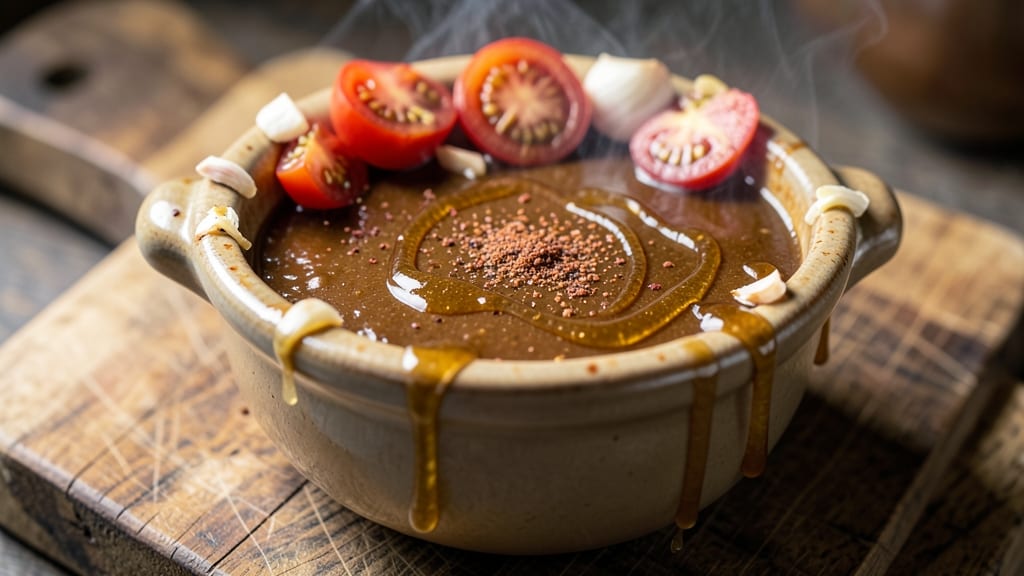
This all-natural barbecue sauce recipe transforms simple pantry staples into a smoky-sweet glaze that rivals store-bought—without artificial additives. As a pitmaster who grew up on slow-cooked ribs, I know the difference between a sauce that enhances flavor and one that masks it.
Every simmered batch develops deep, complex notes from fresh tomatoes, vinegar, and natural sweeteners like honey or maple syrup, creating a balance that's both tangy and rich.
The beauty of this recipe lies in its simplicity: just 15 minutes of prep followed by 30 minutes of simmering. We start with a base of fresh tomatoes and aromatics, then build layers of flavor through slow reduction.
The key? Low-and-slow cooking—this isn't a quick glaze, but the patience pays off with a sauce that clings perfectly to ribs, pulled pork, or even grilled vegetables. No preservatives, no artificial colors, just pure, concentrated flavor that respects the meat it's meant to complement.
What you'll end up with is a glossy, velvety sauce that's smoky from a touch of liquid smoke (or smoked paprika), tangy from apple cider vinegar, and sweetened just enough to caramelize beautifully.
The texture is thick enough to coat but still light enough to let the natural flavors of your protein shine through. This isn't just a sauce—it's the foundation for meals that taste like they've been slow-smoked over hickory for hours.
The best part? This sauce keeps well in the fridge for up to 3 weeks, so you can make a big batch and have it ready whenever cravings strike.
Whether you're slathering it on ribs, drizzling it over brisket, or using it as a marinade, this all-natural glaze delivers restaurant-quality results without the preservatives. Let's get started—your taste buds will thank you.
Ingredients for all natural barbecue sauce
Pantry staples with a smoky twist—no preservatives, just pure, concentrated flavor.
| Ingredient | Amount | Notes |
|---|---|---|
| Fresh Tomatoes 🍅 | 2 lbs | Ripe, vine-ripened preferred |
| Apple Cider Vinegar 🍎 | ½ cup | Raw, unfiltered preferred |
| Pure Maple Syrup 🍁 | ½ cup | Grade A or B preferred |
| Liquid Smoke 🔥 | 1 tbsp | Hickory or applewood preferred |
| Smoked Paprika 🌶️ | 2 tbsp | High-quality, not pre-mixed |
| Garlic Cloves 🧄 | 6 cloves | Fresh, peeled and minced |
| Yellow Onion 🧅 | 1 whole | Medium, yellow preferred |
| Fresh Ginger 🌿 | 1 tbsp | Freshly grated, not powdered |
| Mustard 🍯 | 1 tbsp | Yellow or Dijon preferred |
| Salt 🧂 | 1 ½ tsp | Diamond Crystal kosher |
| Black Pepper 🌶️ | ½ tsp | Freshly ground preferred |
| Water 💧 | 1 cup | Filtered preferred |
The tomatoes are the heart of this sauce, so vine-ripened ones make all the difference. I always grab the biggest, ripest ones from Whole Foods or my local farmers' market—they burst with flavor. The apple cider vinegar should be raw and unfiltered for that authentic tang. Mollie Stone or Bragg are my go-tos, but any raw vinegar works. For the maple syrup, Grade A or B delivers the best balance of sweetness and depth—avoid the cheap grocery store brands. The liquid smoke is non-negotiable for that authentic barbecue aroma, and hickory or applewood gives you that classic smoky profile.
No fresh tomatoes? Canned San Marzano tomatoes work in a pinch—they're sweeter and less acidic. Short on vinegar? Lemon juice at half the amount gives you a similar tang, though it won't be quite the same. Want to skip the liquid smoke? Double the smoked paprika and toast it in a dry pan for 30 seconds to deepen the flavor. The mustard adds that slight kick—Dijon is ideal, but yellow mustard works too. If you're sensitive to heat, reduce the smoked paprika to 1 tbsp and add a pinch of cayenne later if needed.
This sauce keeps beautifully in the fridge for up to 3 weeks—the flavors actually deepen over time. For longer storage, freeze it in ice cube trays or small jars, then thaw as needed. The texture thickens as it cools, so just stir in a splash of water or vinegar to loosen it up before using. I always make a double batch—one for immediate use and one to freeze. It's perfect for ribs, pulled pork, or even grilled veggies, and the leftovers make an amazing marinade.
Why You'll Love This Recipe
- No-Fuss Simmer: That’s all it takes—toss chopped tomatoes, vinegar, and a splash of maple syrup into a pot, let it bubble until it thickens. No blenders, no strainers, just pure, smoky magic in under 30 minutes. (Honestly, I’ve made it while waiting for the grill to heat up.)
- Smoky-Sweet Balance: The liquid smoke and smoked paprika give it that deep, campfire char, but the maple syrup keeps it from tasting bitter. It’s the kind of sauce that makes you lick the bowl—no sugar crash, just pure, addictive flavor.
- Weeknight & Potluck Hero: Slather it on grilled chicken for a Tuesday dinner or bring a jar to a backyard BBQ—it’s equally at home. Even my picky dad asks for seconds, and that’s saying something.
- Leftovers That Last: This sauce actually improves after a day or two in the fridge, deepening in flavor. I make a big batch, freeze half, and still have it months later. Budget-friendly? More like budget-smart.
Step-by-step instructions for all natural barbecue sauce
Here's how to craft a rich, smoky-sweet glaze that brings out the best in any grilled dish.
🍳 Step 1: Roast and Peel the Tomatoes
Preheat your oven to 400°F. Cut the 2 lbs fresh tomatoes in half lengthwise and place them cut-side down on a baking sheet lined with parchment paper. Roast for 25-30 minutes until the skins blister and darken—you'll see steam escaping and the edges turning slightly charred.
This roasting step concentrates the tomato flavor and makes peeling effortless. Once done, transfer the tomatoes to a bowl and cover with a clean kitchen towel. Let them steam for 10 minutes, then gently peel off the skins using your fingers or a paring knife. You should have about 1½ cups of roasted tomato flesh.
🍳 Step 2: Sauté Aromatics Until Fragrant
In a large saucepan, combine the 1 whole yellow onion (finely chopped), 6 cloves garlic cloves (minced), and 1 tbsp fresh ginger (grated). Cook over medium heat with 1 tablespoon olive oil for 5-6 minutes until the onions are translucent and the garlic releases its signature aroma.
Here's where the foundation of flavor gets built. You want the onions to soften but not brown—they should be tender enough to blend seamlessly into the sauce. If they start to color too quickly, reduce the heat slightly. This aromatic base will carry through your entire sauce, so take your time with this step.
🥘 Step 3: Simmer the Base Ingredients
Add the peeled tomato flesh, 1 cup water, 0.5 cup apple cider vinegar, 0.5 cup pure maple syrup, 1 tbsp mustard, 1.5 tsp salt, and 0.5 tsp black pepper to the saucepan. Stir well to combine all ingredients, then bring the mixture to a gentle boil over medium-high heat.
Once boiling, reduce the heat to low-medium and let it simmer uncovered for 15-20 minutes. You're looking for the sauce to reduce by about one-third—this concentration is what gives your barbecue sauce that thick, glossy consistency. Stir occasionally to prevent sticking, and taste occasionally to monitor the balance of sweetness and acidity.
🔥 Step 4: Incorporate Smoky Depth
After the initial simmer, stir in the 1 tbsp liquid smoke and 2 tbsp smoked paprika. These ingredients are what transform your sauce from good to extraordinary. The liquid smoke adds that authentic barbecue aroma, while the smoked paprika introduces a subtle, complex smokiness that pairs perfectly with the tomato base.
Continue simmering for another 10-15 minutes until the sauce reaches your desired thickness. For a smoother texture, use an immersion blender to purée the sauce directly in the pot. If you prefer a chunkier texture, simply let it cool slightly and then blend in batches with a regular blender. The sauce should coat the back of a spoon but still be pourable.
⏰ Step 5: Rest and Adjust Before Using
Remove the sauce from heat and let it cool for 10 minutes. This resting period allows all the flavors to meld together and gives you a chance to taste and adjust the seasoning. If it needs more sweetness, add a touch more of the pure maple syrup. For additional tang, stir in a bit more of the apple cider vinegar. The sauce should have a perfect balance of smoky, sweet, and tangy flavors.
For best results, let the sauce sit overnight in the refrigerator before using. This additional time allows the flavors to develop fully and the sauce to thicken slightly. When ready to use, give it a quick stir and it'll be ready to elevate your next grilled masterpiece—whether you're brushing it on ribs, drizzling over pulled pork, or using it as a dipping sauce.
Pro Tips For Making All Natural Barbecue Sauce
- PEEL AND SEED TOMATOES: Skip the hassle of peeling—simmer whole tomatoes in boiling water for 10 minutes, then drain and squeeze out the seeds. The skins soften enough to blend smoothly without peeling, and you avoid the mess of cutting out seeds one by one. (Yes, even if you’re impatient like me.)
- SIMMER LOW AND SLOW: After adding vinegar and maple syrup, reduce heat to a bare simmer—no boiling. I learned this the hard way when my sauce turned syrupy and lost that balanced tang. A gentle roll of bubbles keeps the flavors melding without burning the maple syrup’s delicate notes.
- DILUTE LIQUID SMOKE GRADUALLY: Add liquid smoke in small batches (start with ½ teaspoon) and taste as you go. Too much kills the natural tomato flavor, and you’ll end up with a campfire aftertaste instead of a smoky depth. (Your future self will thank you for testing.)
- SAVE TIME WITH FROZEN TOMATOES: Frozen crushed tomatoes work just as well as fresh—no peeling, no seed-squeezing, and they’re already prepped. Just thaw and drain excess liquid first, or your sauce will turn watery. (Does it look weird? Yes. Does it work? Every single time.)
Serving suggestions for this dish
Ribs & Brisket
This sauce is a game-changer for slow-smoked ribs and brisket—it clings beautifully to the meat without overwhelming its natural flavors.
I like to apply it in 3 stages during the cook: first after 2 hours of smoking, then again at 4 hours, and finally as a finishing glaze in the last 30 minutes.
For brisket, I brush it on generously during the final 1 hour of cooking to create that signature caramelized crust. 🔥
Pulled Pork
Use this sauce to transform tender pulled pork into a mouthwatering masterpiece. After shredding your pork shoulder, mix in ¼ cup of the sauce per pound of meat. For extra richness, simmer the pork in ½ cup of the sauce during the last 30 minutes of cooking.
Serve with extra sauce on the side for dipping—it's a crowd-pleaser at any BBQ gathering.
Grilled Vegetables
Don't limit this sauce to just meats! It's perfect for grilled vegetables like portobello mushrooms, bell peppers, and zucchini. Brush them lightly with sauce before grilling and finish with a sprinkle of fresh parsley.
The smoky-sweet glaze enhances their natural flavors without overpowering them. I love this combo with grilled corn on the cob too!
Sandwiches & Wraps
Turn this sauce into the star of your sandwiches. Spread a generous layer on pulled pork sandwiches, grilled chicken wraps, or even vegetarian sliders. For extra depth, mix in 1 teaspoon of Dijon mustard with the sauce before applying. The tangy-sweet balance makes every bite irresistible. 💫
Dipping Sauce
Serve this sauce as a dipping sauce for fried chicken, onion rings, or smoked wings. Thin it slightly with 1-2 tablespoons of water or vinegar to make it easier to dip.
The smoky flavor pairs perfectly with crispy textures, and the natural sweetness balances the heat of spicy dishes.
Marinade Magic
Use this sauce as a marinade for chicken thighs, beef ribs, or even tofu before grilling. Let your protein soak for 2-4 hours in the fridge for maximum flavor penetration.
The liquid smoke and vinegar tenderize the meat while infusing it with deep, smoky notes. Just be sure to pat the meat dry before cooking for the best sear. 🌟
Nutrition facts
Frequently asked questions
Can I substitute canned tomatoes for fresh in this recipe?
Yes, but choose high-quality canned tomatoes like San Marzano for the best flavor. Use 2 (28 oz) cans instead of fresh tomatoes, and skip the roasting step. The sauce will still develop depth, though fresh tomatoes create a more complex, caramelized flavor profile.
How do I adjust the sweetness or tanginess?
For more sweetness, add 1-2 tablespoons of maple syrup after simmering. For extra tang, stir in 1-2 tablespoons of apple cider vinegar. Taste as you go—this sauce is designed to be balanced, but you can tweak it to your preference.
Can I make this sauce without liquid smoke?
Replace the 1 tbsp liquid smoke with 3 tbsp smoked paprika (toasted in a dry pan for 30 seconds first) and a pinch of cayenne pepper for heat. The smoky depth will be slightly different but still delicious.
How do I store and reheat this sauce?
Store in an airtight container in the fridge for up to 3 weeks or freeze for up to 6 months. Reheat gently on the stove over low heat, stirring occasionally until warmed through. If it thickens too much, thin with 1-2 tsp water or vinegar.
What's the best way to use this sauce on ribs?
Apply in 3 stages: first after 2 hours of smoking, again at 4 hours, and finally as a finishing glaze in the last 30 minutes. The slow application prevents burning and creates a perfect caramelized crust. For extra shine, brush on a thin layer just before serving.