
Sauces & Condiments
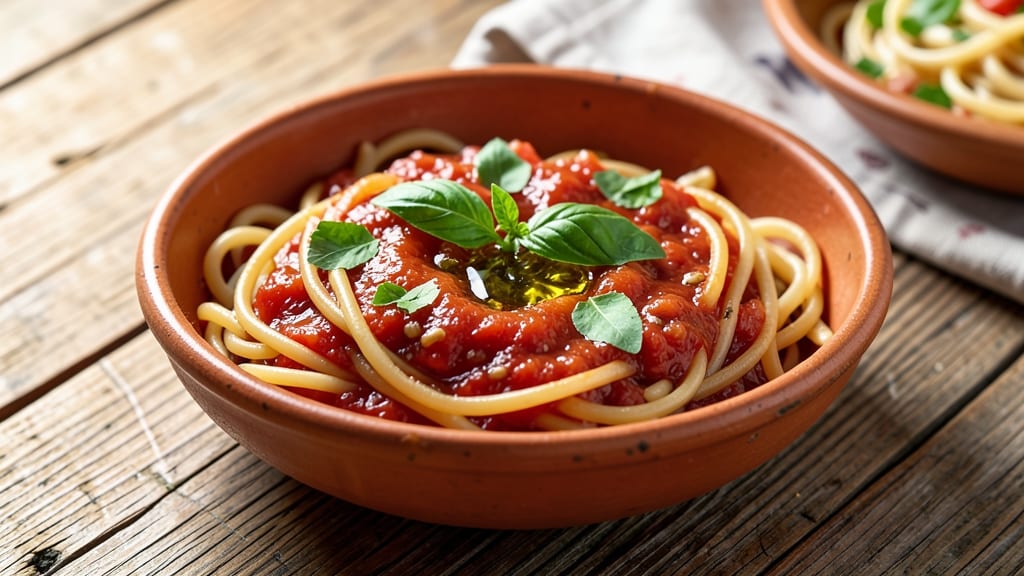
This all-natural spaghetti sauce recipe delivers restaurant-quality depth using just tomatoes, herbs, and pantry staples—no artificial preservatives in sight. The secret lies in slow simmering, which transforms simple ingredients into a rich, umami-packed sauce with layers of flavor that store-bought versions can't match.
I developed this recipe after years of testing, and it's become my go-to for weeknight dinners that feel special without the shortcuts.
The beauty of this sauce is its simplicity: just 8 core ingredients that work together to create complex flavor. You'll start with fresh garlic and onions for a solid aromatic base, then build depth with crushed tomatoes, olive oil, and a blend of Italian herbs.
The real magic happens during the 3-hour simmer, where flavors meld and intensify, creating a sauce that's both hearty and elegant. This method preserves all the natural goodness without any additives.
What you'll end up with is a velvety, aromatic sauce with tender tomato pieces and concentrated flavor—perfect for tossing with al dente pasta or serving over meatballs. The texture is rich but not heavy, and the taste is deeply satisfying, with none of the aftertaste that comes from artificial ingredients.
This sauce keeps well in the refrigerator for up to 5 days, making it ideal for meal prep.
Whether you're serving it with spaghetti, lasagna, or as a marinara for dipping, this all-natural sauce will elevate your meals without compromising on quality. The best part?
You can adjust the seasoning to your taste, ensuring every batch is perfectly balanced. Let's get started on creating this flavorful foundation for your favorite Italian dishes.
Ingredients for all natural spaghetti sauce
Eight simple ingredients transform into restaurant-quality spaghetti sauce through slow simmering magic.
| Ingredient | Amount | Notes |
|---|---|---|
| Extra-Virgin Olive Oil 🫒 | ½ cup | High-quality, fruity variety preferred |
| Yellow Onion 🧅 | 1 whole | Medium size, finely chopped |
| Garlic Cloves 🧄 | 6 cloves | Fresh, peeled and minced |
| Crushed Tomatoes 🍅 | 28 oz | San Marzano preferred for sweetness |
| Dried Basil 🌿 | 1 tbsp | Or 0.25 cup fresh basil |
| Dried Oregano 🍃 | 1 tsp | Mexican oregano for authentic flavor |
| Sea Salt 🧂 | 1 ½ tsp | Diamond Crystal preferred |
| Black Pepper 🌶️ | ½ tsp | Freshly ground for best flavor |
The tomatoes make or break this sauce. San Marzano is worth the splurge—its natural sweetness and low acidity create depth without overpowering. Trader Joe's and Whole Foods carry them canned, but if you're using regular crushed tomatoes, look for brands with minimal additives. The garlic and onion are your aromatic foundation, so don't rush the chopping—smaller pieces mean more surface area for flavor extraction. I always toast my garlic in the olive oil for 30 seconds before adding the onions, which builds a nutty base that elevates everything.
No San Marzano? High-quality whole peeled tomatoes work too—just crush them by hand for better texture. Fresh basil is ideal, but dried basil at one-third the amount gets you close. Short on oregano? Dried thyme at half the quantity adds earthy notes. The olive oil matters here—use something with 100% extra-virgin quality that you'd drizzle on bread. For extra umami depth, add a 1 tbsp of tomato paste at the start (it disappears during simmering but intensifies flavor). If you're making this ahead, the sauce actually improves overnight as flavors meld.
This sauce reaches peak flavor after 3 hours of simmering, but it keeps beautifully for 5 days refrigerated or 3 months frozen. Portion into airtight containers for easy meal prep—just reheat gently on the stove with a splash of water or pasta water. Freeze in ice cube trays for single-use portions that thaw in minutes. The texture will thicken as it cools, so don't worry if it looks too heavy when cold—it'll loosen right up when reheated. Always taste before serving and adjust seasoning with salt or a pinch of sugar if needed.
Why You'll Love This Recipe
- Pantry Magic: I swear by this sauce because it uses what’s already in my cupboard—no fancy shopping required. Sauté onions and garlic in olive oil until soft, add crushed tomatoes and basil, and let it simmer. That’s it. No stress, no last-minute grocery runs.
- Deep Umami Punch: The crushed tomatoes caramelize into something rich and complex, while the garlic and basil add layers of freshness. Honestly, it’s the kind of sauce that makes you pause mid-bite—like, "Wait, how is this so good?"—and then immediately go back for more.
- Weeknight Workhorse: This sauce is my go-to for busy evenings, potlucks, or even a quick lunch the next day. It reheats beautifully, so I can make a big batch on Sunday and have dinner ready in minutes all week. My kids even ask for it on Tuesdays—(yes, even on Tuesdays).
- Budget-Friendly Luxury: Extra-virgin olive oil and fresh basil might sound fancy, but they’re worth every penny here. A single jar of crushed tomatoes and a head of garlic stretch for meals, and the sauce tastes like it cost twice as much. Between us, it’s the kind of deal that makes me feel like I’m eating at a trattoria without the price tag.
Step-by-step instructions for crafting rich, all-natural spaghetti sauce
This sauce builds flavor layer by layer—no shortcuts, just pure, natural depth from scratch.
Sauté Aromatics Until Fragrant and Translucent
Heat the 0.5 cup extra-virgin olive oil in a heavy-bottomed saucepan over medium heat. Add the finely chopped yellow onion and cook for 5-6 minutes until completely softened and translucent. You'll know it's ready when the onion releases its sweetness and turns glass-like.
Here's the thing—don't rush this step. Patience here prevents bitterness later. After 3-4 minutes, add the 6 minced garlic cloves and cook for another 30 seconds until fragrant. The garlic should sizzle gently but not brown—burnt garlic tastes bitter and overpowers everything. Stir constantly to prevent sticking, as garlic burns faster than you might expect.
Build the Sauce Base with Crushed Tomatoes
Pour in the 28 oz crushed tomatoes, stirring to combine with the aromatics. Bring the mixture to a gentle simmer over medium-low heat. This low-and-slow approach allows the tomatoes to break down gradually, releasing their natural sweetness and developing complex flavors. Let it simmer uncovered for 20-25 minutes, stirring occasionally.
I like to taste the sauce at the 15-minute mark—this is where you'll detect the raw tomato flavor. The sauce should reduce slightly, becoming thicker and more concentrated. If it looks too thin, you're on track; if it's too thick, add 2-3 tablespoons of water to maintain balance. The goal is a velvety consistency that coats the back of a spoon without being gluey.
Season and Simmer for Umami Development
Add the 1 tablespoon dried basil, 1 teaspoon dried oregano, 1.5 teaspoons sea salt, and 0.5 teaspoon black pepper. Stir well to distribute the seasonings evenly. The oregano should be Mexican oregano—its earthy, slightly citrusy notes elevate the sauce beyond standard Mediterranean flavors.
Return the sauce to a simmer and cook uncovered for another 20-25 minutes. Here's where the magic happens: the acidity in the tomatoes mellows, the herbs infuse deeply, and the flavors meld into a cohesive, umami-rich base. Stir occasionally to prevent the sauce from sticking to the bottom—this is where those browned bits (fond) form, but we want to preserve the sauce's natural brightness.
Finish with Texture and Balance
Taste the sauce and adjust seasoning if needed. I often find I need a pinch more salt at this stage—remember, the sauce will continue to develop as it cools. The final texture should be thick enough to coat spaghetti generously but still flow smoothly. If it's too thick, whisk in 1-2 tablespoons of water or pasta water to reach the perfect consistency.
For an extra layer of depth, I like to finish with a drizzle of high-quality olive oil (if using a separate batch) or simply let the sauce sit off the heat for 5 minutes to allow the flavors to settle. Serve immediately over al dente spaghetti, or store in an airtight container in the refrigerator for up to 5 days. The sauce only gets better as it rests, with flavors deepening overnight.
Pro Tips For Making All Natural Spaghetti Sauce
- SWEEAT THE ONIONS FIRST: I learned this the hard way—skipping the sweat step means bitter onions in your sauce. Cook the diced yellow onion in olive oil over medium-low heat until it’s translucent and just starting to caramelize (about 8-10 minutes), stirring occasionally. This builds flavor without burning.
- CRUSH GARLIC WITH A PINCH OF SALT: Don’t just mince those cloves—crush them with a pinch of salt first. This releases more aroma and prevents them from floating like little ghosts. Sauté them in the same pot for 30 seconds until fragrant but not browned (they’ll cook further in the tomatoes).
- STIR THE TOMATOES CONSTANTLY: The crushed tomatoes will stick and burn faster than you think. Keep them moving on medium heat for the first 5 minutes, breaking up any clumps with a wooden spoon. Once it thickens slightly, drop the heat to low and let it simmer uncovered—this prevents a skin from forming.
- ADD BASIL AT THE END: Dried basil loses its punch when simmered too long. Toss in 1 teaspoon just before serving (or remove the pot from heat for 5 minutes first). Fresh basil? Add it last and garnish—it’s the only herb that deserves that treatment.
Regional styles of all natural spaghetti sauce
Italian Grandma's Style
This classic version is all about simplicity and letting the tomatoes shine. In Italy, nonnas (grandmas) often make sauce with just tomatoes, garlic, olive oil, and salt—no dried herbs.
I add a pinch of red pepper flakes (¼ tsp) for subtle heat and a splash of white wine (¼ cup) when adding tomatoes to deglaze the pan. Simmer uncovered for 4-5 hours to achieve that deep, caramelized flavor.
The result is a rustic, chunky sauce perfect for traditional spaghetti dishes. 🌿
Neapolitan Tomato Sauce
For a truly Neapolitan-inspired sauce, use San Marzano tomatoes exclusively and add a handful of fresh basil leaves at the end. The key difference is cooking the sauce in a clay pot or cast iron skillet over low heat for 3-4 hours without stirring constantly.
This allows the tomatoes to break down naturally, creating a glossy, velvety texture. Finish with a drizzle of extra-virgin olive oil and a sprinkle of flaky sea salt before serving. This version is lighter but equally flavorful.
Southern Italian Rustic
In Southern Italy, rustic sauces often include anchovies for umami depth. Add 2-3 anchovy fillets when sautéing the garlic—just let them dissolve completely into the oil. The sauce also benefits from a ½ cup of whole peeled tomatoes crushed by hand for texture.
Simmer for 2.5 hours and finish with a handful of fresh parsley and a squeeze of lemon juice for brightness. This version is bold, briny, and deeply satisfying.
Sicilian Herb-Forward
Sicilian cuisine loves bold herbs and spices. For this version, swap the oregano for ½ tsp dried rosemary and ½ tsp dried thyme, and add 1 tsp crushed fennel seeds when sautéing the onions. Use whole peeled tomatoes instead of crushed for a chunkier texture.
Simmer for 3 hours and finish with a drizzle of honey (1 tsp) to balance acidity. This sauce pairs perfectly with pasta like pasta alla Norma or grilled seafood.
American-Italian Fusion
This version blends Italian tradition with American pantry staples. Add ½ cup tomato paste when sautéing the onions for extra richness, and include 1 tsp smoked paprika for depth. Use diced bell peppers (½ cup) along with the onions for a sweeter, slightly smoky flavor.
Simmer for 2.5 hours and finish with a pinch of sugar to enhance sweetness. This sauce is hearty and versatile, perfect for meatball subs or baked ziti.
Vegetarian Umami Boost
For a vegetarian version with extra umami, add 1 tbsp soy sauce or 1 tsp miso paste when seasoning the sauce. Include 2 tbsp nutritional yeast for a cheesy, savory note and 1 tsp dried marjoram for complexity.
Simmer for 3 hours and finish with a dash of liquid smoke (¼ tsp) for a smoky depth. This sauce is packed with flavor and works beautifully with lentils or mushrooms as a protein base. 🌱
Nutrition facts
Frequently asked questions
Can I use fresh tomatoes instead of crushed?
Fresh tomatoes work beautifully—just peel, seed, and crush 3-4 large ripe tomatoes (about 2 cups) to replace the crushed tomatoes. For extra depth, roast them first by tossing with olive oil and baking at 400°F for 20 minutes before crushing. This caramelizes their natural sugars and intensifies flavor.
Why does my homemade sauce taste thinner than store-bought?
Natural sauces reduce differently—store-bought versions often contain thickeners like cornstarch or guar gum. Let your sauce simmer uncovered for 30-45 extra minutes to evaporate excess liquid. For immediate thickening, whisk in 1 tbsp tomato paste or 1 tsp arrowroot powder mixed with water.
How can I make this sauce spicier?
Add ½-1 tsp red pepper flakes when sautéing the aromatics, or stir in 1 chopped fresh chili pepper (like jalapeño) with the tomatoes. For smoky heat, include ½ tsp smoked paprika with the dried herbs. Remember: spices intensify during simmering, so start conservatively and adjust to taste.
Can I make this in a slow cooker?
Yes! Combine all ingredients in your slow cooker and cook on low for 6-8 hours or high for 3-4 hours. The low-and-slow method enhances natural sweetness. Stir occasionally to prevent sticking, and add 1-2 tbsp water if needed to maintain consistency.
What's the best way to freeze this sauce?
Cool the sauce completely, then portion into airtight containers or freezer bags, leaving 1-inch headspace for expansion. For single servings, freeze in ice cube trays. Thaw overnight in the fridge, then reheat gently on low heat with a splash of water or pasta water to restore texture.