
Sauces & Condiments
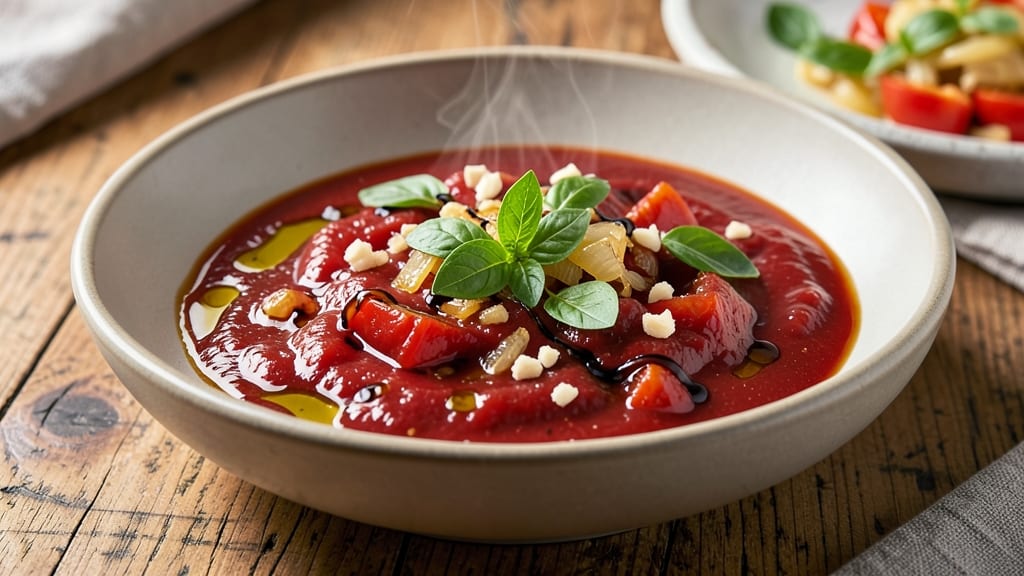
This all natural tomato sauce recipe transforms simple ingredients into a rich, slow-simmered umami masterpiece—no artificial preservatives, just pure flavor. The secret lies in caramelizing onions and garlic until deep golden, then building layers of tomato depth through careful simmering.
I developed this version after years of testing, ensuring every spoonful delivers authentic Italian-inspired richness without shortcuts.
The process requires patience—letting the sauce reduce for 45 minutes concentrates flavors while developing complex caramel notes. Fresh basil and a touch of red wine vinegar brighten the finished product, balancing the sauce's natural sweetness and acidity.
No thickeners or additives are needed; the sauce achieves its perfect consistency through proper technique and quality ingredients.
What you'll end up with is a velvety, aromatic sauce that clings perfectly to pasta, enhances pizza, or serves as a bold dip. The texture is smooth yet substantial, with a depth of flavor that rivals store-bought versions.
This sauce keeps beautifully in the refrigerator for up to 5 days or can be preserved through canning for long-term storage.
Perfect for meal prep or gifting, this sauce transforms basic ingredients into something extraordinary. Whether you're covering spaghetti, drizzling over bruschetta, or using as a marinade base, the possibilities are endless. Let's create this versatile foundation for your next Italian-inspired meal.
Ingredients for all natural tomato sauce
Quality ingredients transform simple pantry staples into restaurant-worthy tomato sauce without shortcuts.
| Ingredient | Amount | Notes |
|---|---|---|
| Extra-Virgin Olive Oil 🫒 | ½ cup | High quality, fruity, cold-pressed |
| Yellow Onions 🧅 | 2 whole | Yellow or red, finely diced |
| Garlic Cloves 🧄 | 6 cloves | Peeled, thinly sliced |
| San Marzano Crushed Tomatoes 🍅 | 28 oz | High-quality canned tomatoes |
| Fresh Basil Leaves 🌿 | ½ cup | Packed, stems removed |
| Red Wine Vinegar 🍷 | 1 tbsp | For acidity balance |
| Diamond Crystal Kosher Salt 🧂 | 1 ½ tsp | Adjust to taste |
| Freshly Ground Black Pepper 🌶️ | ½ tsp | Freshly cracked preferred |
| Granulated Sugar 🍚 | 1 tsp | Balances acidity |
| Fresh Thyme Leaves 🌿 | ¼ cup | Or 1 tsp dried thyme |
The foundation starts with San Marzano tomatoes—their natural sweetness and low acidity create depth without overpowering. Whole Foods or specialty Italian markets carry the best cans, but Trader Joe's has a solid budget-friendly option too. Fresh basil and thyme should have vibrant color and no wilting; Costco's bulk herb section offers great value if you're making multiple batches. The onions and garlic need slow caramelization to develop their umami potential—yellow onions work best for this process, though red adds subtle color variation. For the olive oil, California extra-virgin brands like Corto or Pompeian deliver the fruity notes that elevate the sauce.
No San Marzano tomatoes? Plum tomatoes or even basic crushed tomatoes work, though you may need to add a pinch more sugar to balance acidity. Fresh herbs unavailable? Dried basil and thyme at one-third the amount suffice, but fresh delivers that authentic Italian brightness. Balsamic vinegar can replace red wine vinegar in a pinch, though it adds a slightly different depth. The sugar is optional but recommended—it helps round out the sauce's natural acidity. For a quicker version, blend in a roasted garlic clove instead of slicing for extra depth without extra effort. If you're concerned about canned tomato quality, fresh tomatoes peeled and crushed work beautifully for a summer batch.
This sauce develops best when made fresh, but it keeps perfectly in the refrigerator for up to 5 days when stored in an airtight container with a thin layer of olive oil on top. For longer storage, freeze in ice cube trays—thaw and stir back to original consistency. The sauce thickens as it cools, so reheat gently and add a splash of water if needed. Portion into jars for meal prep or gifting; sterilized glass jars are ideal for canning if you want to preserve it for months. The flavor actually improves after the initial 24 hours as the ingredients meld together—make extra if you have the chance.
Why You'll Love This Recipe
- No-Fuss Pantry Staple: I swear by this—just olive oil, onions, garlic, and tomatoes. That’s it. No fancy gadgets, no stress. The onions caramelize while I chop basil, and by the time I’m done, the sauce is already singing.
- Sunshine in a Jar: The moment I add those fresh basil leaves? It’s like summer in my kitchen. That bright, herby punch cuts through the richness of the olive oil and San Marzano tomatoes—sweet, tangy, and impossible to resist.
- Weeknight to Weekend: I make this for spaghetti on Tuesdays and jar it for holiday feasts. It’s the same base, but it works for everything—pasta, pizza, or even stuffed into roasted peppers. Honestly, I’ve lost track of how many ways I’ve used it.
- Budget Magic: A single can of San Marzano tomatoes and a bunch of basil stretch for days. Freeze extra in ice cube trays for quick flavor boosts later—no waste, no guilt. My wallet and freezer both thank me.
Step-by-step instructions for slow-simmered umami tomato sauce
This method transforms simple ingredients into a rich, naturally preserved tomato sauce with deep flavor.
Sweat the Aromatics in Olive Oil
Heat the 0.5 cup Extra-Virgin Olive Oil in a heavy-bottomed saucepan over medium-low heat. Add the 2 whole Yellow Onions, finely diced, and cook for 8-10 minutes until completely translucent and just beginning to soften. This gentle cooking process, called sweating, develops their natural sweetness without browning.
Add the 6 cloves Garlic Cloves, thinly sliced, and cook for another 2 minutes until fragrant but not browned. Watch the heat carefully—garlic burns quickly and can turn bitter. The onions should be soft enough to crush between your fingers, and the garlic should release its aroma without any color change.
Build the Tomato Base
Pour in the 28 oz San Marzano Crushed Tomatoes, stirring to combine with the onions and garlic. Add the 1 tbsp Red Wine Vinegar and 1 tsp Granulated Sugar—the vinegar brightens the sauce while the sugar balances the acidity. Bring the mixture to a gentle simmer over medium heat, then reduce to the lowest setting possible while maintaining a consistent bubble.
Let the sauce simmer uncovered for 45 minutes, stirring occasionally. This slow reduction allows the flavors to meld and the sauce to thicken naturally. You'll notice the color deepen from red to a rich, rustic brown as the natural sugars caramelize. The sauce should reduce by about one-third—if it thickens too quickly, add 2-3 tablespoons of water to maintain consistency.
Season and Finish with Herbs
Add the 1.5 tsp Diamond Crystal Kosher Salt and 0.5 tsp Freshly Ground Black Pepper, stirring well to distribute. Taste the sauce and adjust seasoning—you may need to add more salt or sugar depending on the tomatoes' natural acidity. The sauce should be balanced, with bright acidity and underlying sweetness.
Remove the pan from heat and stir in the 0.5 cup Fresh Basil Leaves and 0.25 cup Fresh Thyme Leaves. Let the herbs steep for 5 minutes before straining them out through a fine-mesh sieve. This ensures a smooth texture while infusing the sauce with their aromatic essence. The final sauce should coat the back of a spoon and have a velvety consistency.
Rest and Serve
Transfer the sauce to a clean jar or bowl and let it rest at room temperature for 30 minutes. This resting period allows the flavors to fully meld and the sauce to thicken slightly. The texture should be rich and cling to the back of a spoon, with a glossy sheen indicating proper reduction.
Serve immediately over pasta, drizzled with additional Extra-Virgin Olive Oil, or store in an airtight container in the refrigerator for up to 5 days. For best results, reheat gently over low heat, stirring frequently to prevent scorching. This sauce's natural umami depth comes from slow cooking and high-quality ingredients—no preservatives needed.
Pro Tips For Making All Natural Tomato Sauce
- Sweat the Onions Slow: I learned this the hard way—rush the onions, and you’ll end up with raw bits that make the sauce taste bitter. Cook them over medium-low heat until they’re translucent and just starting to caramelize, stirring every 30 seconds. That’s when their sweetness really comes out and balances the acidity of the tomatoes.
- Crush Garlic Like a Pro: No need for minced garlic—just smash the cloves with the flat side of your knife before adding them. This keeps the flavor bold without the bitterness that comes from overcooking. Add them right after the onions soften, and let them sizzle for 30 seconds before the tomatoes hit.
- Salt the Tomatoes Early: Add a pinch of salt to the crushed tomatoes as soon as they go into the pot. It breaks down the pectin and helps the sauce thicken naturally over time, rather than relying on a roux or reduction. Trust me, your future self will notice the difference when the sauce clings better to pasta.
- Resist the Urge to Stir Constantly: Once the tomatoes are in, let the sauce simmer uncovered and mostly untouched for the first 10 minutes. Stirring too soon just breaks up the natural thickening process. After that, a quick stir every few minutes keeps it from sticking—just don’t turn it into a project.
Creative variations of this recipe
Italian-Inspired Variations
For a classic Neapolitan-style sauce, add 1 tbsp tomato paste to the onions before adding tomatoes—this creates a deeper, richer base. I like to finish with a sprinkle of fresh oregano (about 1 tsp) for that authentic Italian touch. This version pairs perfectly with spaghetti or linguine. 🍝
Spicy Arrabbiata Twist
Transform your sauce into a fiery arrabbiata by adding 1-2 dried arbol chiles (or 1 tbsp red pepper flakes) when you add the tomatoes. Simmer for an extra 10 minutes to let the heat infuse.
Finish with a squeeze of lemon juice to brighten the acidity. Serve over penne pasta or use as a dip for crusty bread. 🌶️
Creamy Puttanesca Fusion
Give your sauce a Mediterranean twist by adding ½ cup kalamata olives and 2 anchovy fillets (finely chopped) with the tomatoes. Stir in 2 tbsp capers and a splash of white wine (about ¼ cup) halfway through simmering.
Finish with a drizzle of Extra-Virgin Olive Oil and fresh parsley. This bold sauce shines on orzo or gnocchi. 🍅
Summer Garden Version
For a lighter, fresher take, blend in ½ cup roasted cherry tomatoes and ¼ cup fresh basil after simmering. Add a pinch of crushed fennel seeds (about ½ tsp) for a subtle anise note.
This version works beautifully as a dipping sauce or drizzled over grilled vegetables and mozzarella. Perfect for warm-weather meals! 🌿
Smoky BBQ-Inspired Sauce
Create a smoky fusion by adding 1 tbsp smoked paprika and ½ tsp chipotle powder with the tomatoes. Simmer for 30 minutes to let the smoky flavors develop.
Finish with a splash of apple cider vinegar (about 1 tbsp) for brightness. This sauce is ideal for grilled chicken or as a slather for burgers. 🔥
Herb-Infused Winter Sauce
For a cozy winter version, add 1 sprig rosemary and 1 bay leaf when simmering the tomatoes. Remove them before straining the herbs. Stir in 1 tsp balsamic glaze at the end for a touch of sweetness.
This hearty sauce pairs well with hearty pasta shapes like rigatoni or pappardelle. 🌱
Nutrition facts
Frequently asked questions
Can I use fresh tomatoes instead of canned?
For a summer batch, use about 6-8 large ripe tomatoes (peeled, seeded, and crushed). Simmer them for 30-40 minutes instead of 45 minutes since they have more water content. Fresh tomatoes work beautifully but may require 1 extra teaspoon of sugar to balance their natural acidity.
How do I prevent the sauce from getting too thick?
If your sauce thickens too quickly, simply add 2-3 tablespoons of water or tomato juice while simmering. Stir well and continue cooking. The key is maintaining a gentle simmer—never let it boil vigorously. For a smoother texture, strain the sauce through a fine-mesh sieve before serving.
Can I make this sauce in a slow cooker?
Yes! Follow the same steps for sweating onions and garlic, then transfer everything to your slow cooker. Cook on low for 6-8 hours or high for 3-4 hours. The sauce will naturally thicken more in a slow cooker, so you may need to add ¼ cup water halfway through. Finish by adding fresh herbs and adjusting seasoning.
What's the best way to store leftover sauce?
Transfer cooled sauce to an airtight container and refrigerate for up to 5 days. For longer storage, freeze in ice cube trays (thaw and stir) or glass jars (leave 1-inch headspace). The sauce thickens when cold—reheat gently with a splash of water if needed. A thin layer of olive oil on top preserves freshness.
Why does my sauce taste bland after resting?
This usually means the tomatoes were under-seasoned or the sauce didn't reduce enough. Boost flavor by adding ½ teaspoon of balsamic vinegar or a pinch of smoked paprika when reheating. For future batches, ensure proper reduction (45 minutes simmering) and taste frequently to adjust salt and sugar during cooking.