
Sauces & Condiments
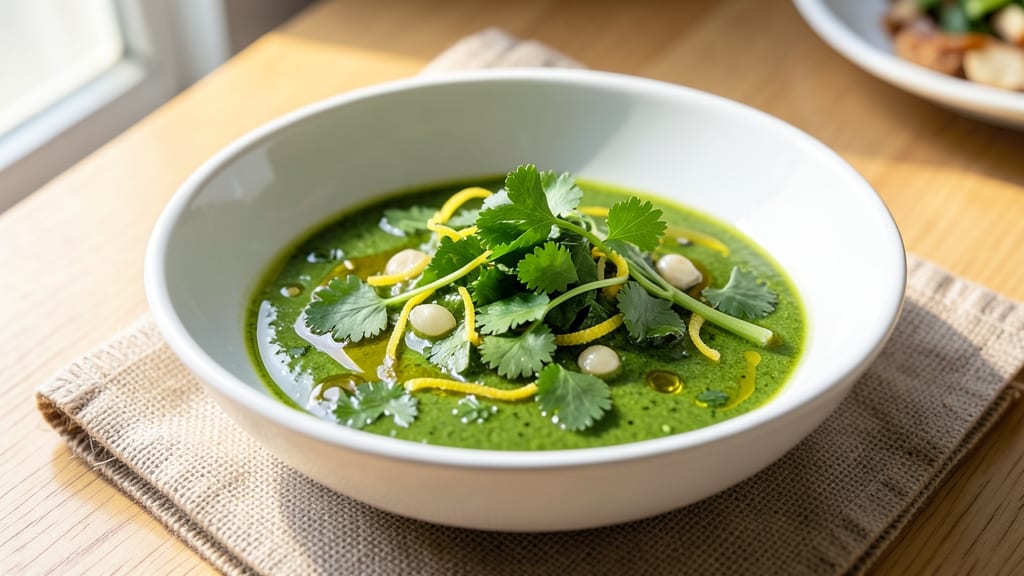
This all-purpose green sauce transforms ordinary meals into vibrant, flavorful experiences with just a few simple ingredients. The perfect balance of fresh herbs, bright acidity, and rich oil creates a versatile sauce that elevates everything from grilled vegetables to roasted meats.
I developed this recipe after years of searching for a sauce that could do it all—dip, marinade, or finishing touch—without ever overpowering the dish.
The foundation of this sauce is a blend of fresh parsley, cilantro, and basil, which bring a bright, herbaceous flavor that pairs beautifully with garlic and lemon juice. A touch of olive oil binds everything together, creating a smooth yet textured consistency that clings perfectly to food.
The key to its versatility lies in the balance of acidity and fat—just enough lemon to brighten, but enough oil to keep it rich and cohesive.
What makes this sauce truly special is its adaptability. Use it as a dip for fresh vegetables or chips, a marinade for grilled chicken or fish, or a finishing sauce for pasta, salads, or even pizza.
The flavors develop as it sits, so making a batch ahead of time ensures you always have a flavorful boost ready for any meal. With just a few ingredients and minimal effort, you’ll have a sauce that’s as practical as it is delicious.
Store it in an airtight container in the refrigerator for up to a week, or freeze for longer storage. The sauce keeps well and tastes even better the next day as the flavors meld together.
Whether you're prepping for a meal or improvising in the kitchen, this green sauce is your secret weapon for adding fresh, vibrant flavor to anything on your plate.
Ingredients for all purpose green sauce
Fresh herbs, bright lemon, and rich olive oil—this simple combo makes magic.
| Ingredient | Amount | Notes |
|---|---|---|
| Fresh Parsley Leaves 🌿 | 1 cup | Packed, stems removed |
| Fresh Cilantro Leaves 🌿 | ½ cup | Packed, stems removed |
| Fresh Basil Leaves 🌿 | ½ cup | Packed, stems removed |
| Garlic Cloves 🧄 | 4 cloves | Peeled, roughly chopped |
| Lemon Juice 🍋 | ¼ cup | Freshly squeezed |
| Extra-Virgin Olive Oil 🫒 | ¾ cup | High quality, fruity |
| Salt 🧂 | ½ tsp | Diamond Crystal preferred |
| Black Pepper 🌶️ | ¼ tsp | Freshly ground preferred |
The herbs are non-negotiable here. Fresh parsley, cilantro, and basil from the grocery store’s produce section work, but farmers markets have the freshest, most flavorful leaves. Look for vibrant green, not wilted or yellowing. If cilantro’s that cilantro-y flavor isn’t your thing, swap it for more parsley or even flat-leaf parsley. The garlic should be plump and firm—no shriveled cloves. For the olive oil, Trader Joe’s or Whole Foods carry great fruity options that won’t overpower the herbs.
No fresh herbs? Dried work at one-third the amount, but the texture won’t be as smooth. Short on lemon juice? Lime juice works too, though it’ll have a slightly different brightness. The olive oil can be swapped for avocado oil if you prefer a milder flavor. For extra richness, add 1 tbsp of vegan mayo or Greek yogurt—it’ll make the sauce cling even better. If you’re prepping ahead, skip the lemon juice until just before serving to keep the herbs brightest.
This sauce keeps beautifully. Store in an airtight container with a thin layer of olive oil on top to preserve the herbs—good for 5-7 days in the fridge. For longer storage, freeze in ice cube trays. The flavors actually deepen overnight, so making a batch ahead is a game-changer. Use it on grilled veggies, drizzled over pasta, or as a dip for chips—it’s that versatile.
Why You'll Love This Recipe
- No-Chop Nightmare: I swear, this sauce is the only time I’ve ever wanted to use my food processor—just pulse those herbs with garlic and lemon, and boom. Done. Even my kids could handle it (and they’ve burned toast).
- Bright, Tangy Magic: That lemon juice cuts through the richness of garlic and herbs like a citrusy knife. It’s fresh, it’s zesty, and it’s the kind of flavor that makes you reach for seconds without even thinking.
- Pasta, Pizzas, Everything: Drizzle it over grilled chicken, toss it with roasted veggies, or slather it on bruschetta. Honestly, I’ve used it as a marinade, a dip, and even a salad dressing—this stuff is my lazy genius secret weapon.
- Lasts All Week: Make a big batch (it’s cheap—just herbs and pantry staples) and store it in the fridge. I’ve had this sauce survive five days, and it still tastes like it was made yesterday. Budget win.
Step-by-step instructions for all-purpose green sauce
This vibrant green sauce comes together in minutes—bright, herby, and perfect for dipping, drizzling, or finishing dishes.
Finely Chop All Herbs and Garlic
Start by washing and thoroughly drying all the herbs—parsley, cilantro, and basil—using paper towels to remove excess moisture. This ensures your sauce stays fresh and doesn’t turn watery. Using a sharp chef’s knife, finely chop the 1 cup of fresh parsley leaves, ½ cup of fresh cilantro leaves, and ½ cup of fresh basil leaves into small, even pieces. The goal is to create a smooth texture, so don’t rush this step; smaller pieces blend better and distribute flavor evenly.
Next, peel and roughly chop the 4 cloves of garlic. I like to keep them slightly chunky at this stage—they’ll soften and blend seamlessly as we process them. If you prefer a milder garlic flavor, you can remove one clove or two, but I find the full amount adds just the right depth without overpowering the bright herbs.
Pulse the Herbs and Garlic in a Food Processor
Transfer the chopped herbs and garlic into a food processor fitted with the metal blade. Pulse in short bursts—about 3-4 seconds per pulse—until you achieve a finely minced texture. You’re aiming for a consistency similar to wet sand, with no large chunks remaining. This texture ensures the sauce is smooth but still retains a fresh, herby quality rather than turning into a puree.
Here’s the thing—don’t over-process or you’ll end up with a paste. Stop as soon as the mixture looks uniformly minced. If you’re using a blender instead, follow the same principle: pulse briefly to avoid turning the herbs into a thick, unappetizing sludge.
Blend in Lemon Juice and Olive Oil
With the food processor running on low speed, slowly drizzle in the ½ cup of freshly squeezed lemon juice. The acidity will brighten the flavors and help emulsify the sauce. Once the lemon juice is fully incorporated, add the ¾ cup of extra-virgin olive oil in a thin, steady stream. This gradual addition prevents the sauce from breaking or separating.
Continue blending on low speed for about 30 seconds after the oil is fully incorporated. The sauce should begin to thicken slightly and take on a vibrant green color. If it looks too thick, add 1-2 tablespoons of water to loosen it. The texture should be smooth but still coat the back of a spoon.
Season and Adjust Consistency
Transfer the sauce to a bowl and stir in the ½ teaspoon of salt and ¼ teaspoon of black pepper. Taste it now—this is your chance to adjust the seasoning. If it needs more brightness, add a splash more lemon juice. If it’s too tangy, a pinch of salt or a drizzle of olive oil can balance it out. The sauce should be bold but harmonious, with the herbs shining through.
For the perfect consistency, give it one final taste. If it’s too thick for dipping, thin it with 1-2 tablespoons of water or a bit more olive oil. If it’s too thin, let it sit for 10 minutes in the fridge—the herbs will release more moisture, thickening the sauce naturally. Trust your taste buds; this sauce should be versatile enough to work as a dip, a marinade, or a finishing sauce.
Rest and Serve
Let the sauce rest in the refrigerator for at least 30 minutes before serving. This allows the flavors to meld and the texture to settle. The longer it rests, the better the flavors will develop—up to 24 hours if you’re making it ahead. When ready to serve, give it a quick stir to re-emulsify any separated oil.
This green sauce is incredibly versatile. Use it as a dip for pita chips or fresh vegetables, a marinade for grilled meats or seafood, or a finishing sauce for pasta, salads, or even grilled pizza. Store any leftovers in an airtight container in the fridge for up to 5 days, though I doubt it’ll last that long—it’s just too good to resist!
Pro Tips For Making All Purpose Green Sauce
- STACK THE HERBS: DESCRIPTION: Chop parsley first, then cilantro, then basil—each gets finer with your knife. I learned this the hard way when my basil ended up in tiny confetti while the parsley stayed in clumps. A quick pulse in a food processor evens it out, but hand-chopping gives you control over texture.
- PULSE GARLIC FAST: DESCRIPTION: Smash 3-4 garlic cloves with the flat side of your knife before mincing—this releases more flavor without burning. I used to mince raw cloves and wondered why the sauce tasted flat. A quick 10-second pulse in the food processor with the herbs makes it even smoother.
- LEMON JUICE FRESH: DESCRIPTION: Roll the lemon on the counter before cutting to soften the rind, then juice it immediately. Stored juice loses brightness fast, and pre-rolled lemons yield more. Skip the bottled stuff—it’s a flavor killer, especially in this bright sauce.
- SALT THE GARLIC: DESCRIPTION: Toss the minced garlic with a pinch of salt before blending—it softens the edges and prevents bitterness. I was skeptical until I tried it; now I can’t imagine making the sauce without this step. Just a tiny pinch, but it makes a real difference.
Wine and beer pairings for these flavors
Crisp White Wine
A Sauvignon Blanc from New Zealand or a zesty Vermentino from Italy is my go-to pairing. The bright acidity and citrus notes in these wines mirror the lemon in the sauce, creating a refreshing contrast.
I love a Cloudy Bay Sauvignon Blanc—its herbal undertones complement the parsley and basil beautifully. Serve slightly chilled to enhance the experience. 🍷
Light Lager Beer
For beer lovers, a crisp Mexican lager like Modelo Especial or Pacifico works wonders. The subtle malt sweetness balances the sauce’s acidity without overpowering it. If you prefer something hoppier, a German Helles like Weihenstephaner Original adds a light, clean finish that lets the herbs shine.
Keep the beer well-chilled for the best pairing.
Rosé Wine
A dry, Provence-style rosé is another fantastic match. The delicate strawberry and citrus notes in the wine harmonize with the sauce’s herbal and tangy profile. I recommend Whispering Angel or Château d’Esclans—both are versatile enough to pair with the sauce on everything from grilled veggies to seafood.
Serve at 50-55°F for optimal flavor.
Sparkling Wine
If you’re celebrating, a dry sparkling wine like LaCroix Brut or Freixenet Cordon Negro Cava adds a festive touch. The bubbles cleanse your palate between bites, making the sauce’s flavors even more vibrant. The slight effervescence also enhances the sauce’s brightness, creating a lively dining experience. 🥂
Beer for Bold Flavors
For a bolder beer pairing, try a Belgian Witbier like Hoegaarden or Stella Artois**—the coriander and citrus notes in these beers echo the lemon and herbs in the sauce. The slight sweetness also helps round out the tangy edge. Serve it ice-cold to keep the flavors crisp and refreshing.
Nutrition facts
Frequently asked questions
Can I make this green sauce without a food processor?
Finely chop all the herbs and garlic by hand using a sharp knife, then mix everything in a bowl with a fork or whisk. For a smoother texture, transfer to a blender and pulse briefly. The key is to keep the pieces small so the sauce blends evenly—just don’t over-blend or it’ll turn into a paste.
How do I adjust the flavor if my cilantro tastes too strong?
Reduce the cilantro by half or swap it entirely for more parsley or basil. If you love cilantro but want a milder flavor, add 1 teaspoon of honey or 1 tablespoon of pine nuts to balance its intensity. The extra fat from nuts also helps stabilize the sauce’s texture.
Can I use this sauce on hot dishes like tacos or grilled meats?
Yes, but add it at the very end of cooking to preserve its vibrant color and fresh flavor. For grilled meats, brush it on just before serving. For tacos, drizzle it over the filling after assembling. The high heat can dull the herbs’ brightness, so treat it like a finishing sauce rather than a marinade.
Why did my sauce separate after blending?
This usually happens if you add the olive oil too quickly or over-blend the herbs. To fix it, whisk vigorously or re-blend on low speed while drizzling in 1 tablespoon of water or a bit more olive oil. For prevention, add the oil slowly while blending on low, and avoid over-processing the herbs.
What’s the best way to use up leftover green sauce?
Freeze it in 1-tablespoon portions on a tray, then transfer to a bag for easy single-use servings. Perfect for quick marinades, pasta finishes, or as a dip for frozen veggies. Thaw overnight in the fridge—no need to defrost at room temperature to preserve freshness.