
Sauces & Condiments
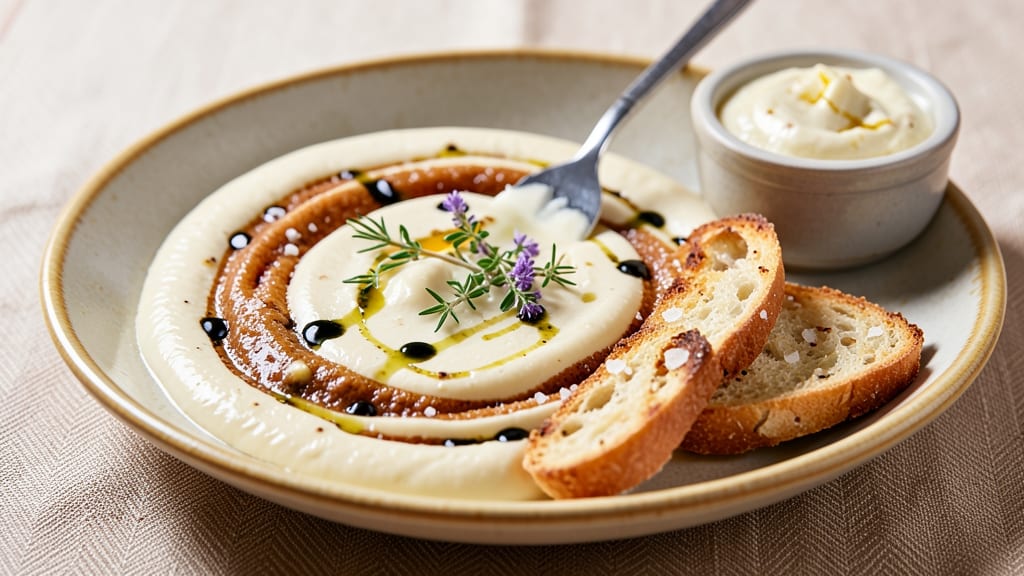
Alton Brown's cheese sauce recipe transforms ordinary dishes into restaurant-quality masterpieces with its velvety, egg-emulsified texture. The key lies in a proper roux and the science of emulsification—no lumps, no graininess, just silky smoothness that clings to every noodle or bite. This isn't your basic melted cheese; it's a foolproof technique that elevates mac and cheese, grilled cheese, or nachos to new heights.
The secret begins with a well-cooked roux—equal parts butter and flour cooked until golden brown—that forms the foundation for a sauce that won't break. Then comes the cheese: sharp cheddar, Gruyère, or even American blend, melted in slowly while whisking continuously.
But here's where Alton Brown's method shines: the addition of a raw egg yolk acts as a natural emulsifier, creating that signature velvety consistency that separates this sauce from the rest.
What you'll end up with is a sauce so smooth it practically melts on your tongue, with a rich, cheesy flavor that's balanced and never overpowering. The egg-emulsified technique ensures it stays creamy even when reheated, making it perfect for meal prep or last-minute dinners.
This isn't just cheese sauce—it's a game-changer that turns simple meals into something extraordinary.
Once mastered, this recipe becomes your go-to for any dish that needs that perfect cheesy touch. Whether you're covering macaroni, stuffing a grilled cheese, or topping nachos, the possibilities are endless.
The best part? It's easier than you think, and the results speak for themselves. Let's get started on creating this velvety masterpiece.
Ingredients for alton brown cheese sauce
Nine ingredients, one game-changing sauce that turns ordinary meals into restaurant-quality masterpieces.
| Ingredient | Amount | Notes |
|---|---|---|
| Unsalted Butter 🧈 | ½ cup | Cold, cubed for roux |
| All-Purpose Flour 🌾 | ½ cup | Sifted for smooth texture |
| Sharp White Cheddar Cheese 🧀 | 2 cups | Shredded, block preferred |
| Gruyère Cheese 🧀 | ½ cup | Shredded, aged for depth |
| Large Egg Yolks 🥚 | 2 whole | Fresh, room temperature |
| Whole Milk 🥛 | ½ cup | Warm, not boiling |
| Diamond Crystal Kosher Salt 🧂 | ½ tsp | Adjust to taste |
| Freshly Ground Black Pepper 🌶️ | ¼ tsp | Freshly cracked preferred |
| Nutritional Yeast 🍃 | 1 tbsp | Optional, for umami boost |
The butter and flour are your foundation—use unsalted butter and sift the flour for that silky texture. Costco's organic butter is my go-to for richness, but any good-quality brand works. The cheeses? Sharp cheddar gives that classic tang, while Gruyère from Whole Foods adds nutty depth. If you can only find pre-shredded, pulse it in a food processor to break up the anti-caking agents. And those egg yolks? Fresh is non-negotiable—they're what gives this sauce its signature velvety finish. Grab a dozen eggs, use two yolks, and save the whites for omelets.
No Gruyère? Parmesan or Gouda work too—just adjust the sharpness to taste. Running low on butter? Olive oil or coconut oil in a pinch (though butter's flavor wins). The milk can be warmed on the stove or in the microwave—just don't boil it. No nutritional yeast? Skip it or use extra cheese. Pro tip: Whisk constantly when adding the cheese to prevent clumps. And if you're worried about raw eggs? Pasteurized yolks from the grocery store work perfectly—just check the refrigerated section near the eggs.
This sauce is a meal-prep dream—stores for 5 days in the fridge, freezes beautifully for 3 months. For freezing, cool it completely first, then portion into containers with a little extra milk on top to prevent a skin. Reheat gently on low, stirring often—microwave in 30-second bursts to avoid breaking the emulsion. The nutritional yeast? Toss it in at the end if you're using it—it burns easily. Double the recipe and freeze half—you'll thank me when you're craving cheesy goodness on a Tuesday night.
Why You'll Love This Recipe
- No-Fuss Magic: I swear by this sauce because it’s basically foolproof—just melt butter, whisk in flour, then stir in shredded cheddar and Gruyère until it’s velvety smooth. The egg yolks tie it all together without needing to babysit the pot.
- Rich, Nutty Depth: That Gruyère alone makes this sauce next-level—earthy, slightly sweet, and so much more interesting than basic cheddar. Honestly, it’s the kind of flavor that makes you want to pour it on everything, even if you’re not supposed to.
- Weeknight Superstar: Drizzle it over mac and cheese, roasted veggies, or even grilled steak—this sauce works as a table sauce, a pasta finish, or a cozy dip. I keep a jar in the fridge because it’s always the last thing to disappear.
- Budget-Friendly Luxury: You’re using pantry staples (butter, flour) and a few affordable cheeses, but the result tastes like a fancy restaurant dish. Between us, this is how I make $10 worth of ingredients feel like a $50 meal.
Step-by-step instructions for alton brown's egg-emulsified cheese sauce
This method delivers the creamiest, most stable cheese sauce you'll ever make.
Create a Smooth Roux for Flavor Foundation
Melt the 0.5 cup unsalted butter in a medium saucepan over medium heat. Once fully melted, reduce heat to medium-low and whisk in the 0.5 cup all-purpose flour all at once. This creates a roux—the flavor base of your sauce.
Cook the roux for 2-3 minutes, stirring constantly with a whisk, until it turns a pale golden color and smells nutty. You're looking for a smooth, paste-like texture—this ensures your sauce won't be grainy. If it starts to darken too quickly, reduce the heat slightly. The roux should coat the back of a spoon without leaving a chalky residue.
Whisk in Cheeses Gradually for Perfect Emulsion
Lower the heat to low and begin adding the 2 cups sharp white cheddar cheese and 0.5 cup gruyère cheese in small batches, whisking vigorously after each addition. The cheese should melt completely before adding more—this prevents clumping and ensures a silky texture.
Once all the cheese is incorporated, stir in the 1 tbsp nutritional yeast (if using) and 0.5 tsp kosher salt. The sauce should be thick but still pourable. If it gets too stiff, you can thin it later with milk. The key here is patience—rushing causes lumps that won't dissolve, no matter how much you whisk later.
Temper the Egg Yolks for Silky Texture
Remove the saucepan from heat and let it cool slightly for 1-2 minutes—it should be warm but not hot to the touch. In a separate bowl, whisk together the 2 whole egg yolks and 0.5 cup warm milk. Slowly pour about ½ cup of the warm cheese sauce into the egg mixture while whisking constantly.
This tempering process is crucial—it prevents the eggs from scrambling when they hit the hot sauce. Return the egg mixture to the saucepan and whisk over very low heat until the sauce thickens slightly and coats the back of a spoon. You'll see the sauce transform from a simple cheese blend into a velvety, glossy emulsion—this is the magic of the egg technique.
Finish with Seasoning and Texture Adjustments
Return the sauce to low heat and stir in the 0.25 tsp freshly ground black pepper. Taste and adjust the salt if needed—remember, the cheeses already contribute significant saltiness. If the sauce is too thick, whisk in 1 tablespoon at a time of additional warm milk until you reach a pourable but thick consistency that coats the back of a spoon.
For the perfect finish, remove from heat and let it sit for 2-3 minutes before serving. This resting period allows the flavors to meld completely. The sauce should be smooth, glossy, and perfectly stable—no graininess, no separation, just pure cheesy goodness that clings beautifully to pasta, baked potatoes, or grilled vegetables.
Pro Tips For Making Alton Brown Cheese Sauce
- Whisk Like You Mean It: The roux isn’t just a step—it’s the foundation. Use a wooden spoon first to break up the butter and flour, then switch to a whisk and cook it on medium-low until it’s a deep golden brown, not white. I learned this the hard way—rushing it makes the sauce taste raw and floury, and no one wants that.
- Shred Cheese Like a Pro: Skip the food processor for the cheddar and Gruyère—hand-shredding gives you control over the texture. Use a box grater and work in batches, or pulse the food processor just until coarsely chopped, then finish by hand. Fine cheese dissolves unevenly and can turn lumpy, and you don’t want to deal with that later.
- Temper Those Yolks: Warm the egg yolks gradually—add a splash of the hot cheese mixture first, then slowly mix in the rest. Dumping cold yolks into scalding liquid curdles them faster than you can say “disaster.” I was skeptical until I tried it—now I never skip this step.
- Strain for Smoothness: After combining everything, strain the sauce through a fine-mesh sieve into a clean bowl. It’s messy, but it removes any stray flour bits or uneven cheese chunks that’ll ruin the silky texture. Yes, it’s an extra step, but your sauce will taste like it came from a restaurant, not a rushed weeknight.
Pro cooking tips for perfect results
Roux Perfection
Your roux is the flavor foundation—don’t rush it! Cook the 0.5 cup butter and 0.5 cup flour over medium-low heat for 2-3 minutes until it reaches a pale golden color (like peanut butter, not brown).
I use a heat diffuser if my stove runs hot—it prevents burning while ensuring a smooth, lump-free base. Test it by dipping a spoon in: the roux should coat the back cleanly. If it darkens too quickly, lower the heat immediately. 🌡️
Cheese Melting Secrets
Add cheese gradually—this is where most home cooks fail. Start with ½ cup cheddar, whisk until fully melted, then add the next batch. Pre-shredded cheese? Pulse it in a food processor first to break up anti-caking agents.
For extra richness, I sometimes add 1 tbsp heavy cream with the cheese. And here’s a pro move: cover the pan with a lid for 30 seconds when melting—it helps the cheese dissolve faster without scorching.
Egg Emulsion Magic
The egg yolks are your secret weapon. Temper them slowly—whisk ½ cup warm sauce into the yolks first to prevent scrambling. Return to the pan over lowest heat possible and whisk constantly until the sauce thickens.
You’ll know it’s working when it goes from chunky to silky smooth with a glossy sheen. If it breaks (separates), whisk in 1 tsp cold water to re-emulsify. This technique makes the difference between a good sauce and a restaurant-quality one. 💫
Heat Control Matters
Never let the sauce boil—low heat only after adding the eggs. Boiling causes the emulsion to break, leading to that dreaded "oily" texture. If your sauce gets too thick, thin it with warm milk (not cold) to maintain stability.
I like to keep a small pot of milk warmed on the stove for quick adjustments. And here’s a trick: rest the sauce for 2-3 minutes off heat before serving—it thickens slightly as it cools, giving you that perfect cling to pasta or breadcrumbs.
Equipment Upgrades
For the smoothest results, use a whisk with a long handle (like OXO Good Grips) to reach all corners of the pan. A double boiler is perfect for tempering the eggs if you’re nervous about heat control.
I also recommend a thermometer to monitor temperatures—ideal roux temp is 160-170°F. And if you’re making this often, invest in a stand mixer with the whisk attachment: it handles the heavy lifting when whisking the cheese and eggs. 🔥
Troubleshooting Guide
Sauce too thick? Whisk in 1 tbsp warm milk at a time until pourable. Grainy texture? Your roux wasn’t cooked long enough—next time, cook it until it smells nutty. Separated? Whisk in 1 tsp cold water to re-emulsify. Eggs scrambled? You added them too quickly—temper them slowly next time. And if your sauce tastes bland, boost it with 1 tsp Dijon mustard or ½ tsp smoked paprika for depth. These fixes will save your sauce every time!
Nutrition facts
Frequently asked questions
Why does Alton Brown's recipe use egg yolks?
The egg yolks act as a natural emulsifier, creating that signature velvety texture that separates this sauce from basic melted cheese. The proteins in the yolks bind the fat and water molecules, preventing separation and giving you that ultra-smooth consistency even when reheated. Without them, you'd get a simpler, more breakable sauce.
Can I make this sauce without eggs?
Yes, but the texture won't be as stable. Replace the yolks with 2 tablespoons cornstarch mixed with 2 tablespoons cold water—whisk it into the melted cheese mixture. For extra richness, add 2 tablespoons heavy cream instead of milk. The sauce will still be delicious, just slightly less velvety and more likely to separate when reheated.
What's the best way to store leftover cheese sauce?
Store in an airtight container in the fridge for up to 5 days. For freezing, cool completely first, then portion into containers with a thin layer of milk on top to prevent skin formation. Thaw overnight in the fridge—never microwave directly from frozen. Reheat gently on low heat, stirring constantly, to maintain that creamy texture.
How do I fix a broken emulsion?
If your sauce separates, whisk in 1 teaspoon cold water at a time until it recombines. For a more permanent fix, blend the sauce briefly with an immersion blender—this often restores the smooth texture. Prevention is key: always temper the eggs slowly and maintain low heat after adding them. The egg emulsion is delicate but forgiving with quick action!
What are good cheese alternatives?
For a milder flavor, try Monterey Jack or Colby cheese. Want more depth? Parmesan or fontina add umami richness. Vegan option? Use nutritional yeast plus cashew cream as a base. Just adjust the amount—hard cheeses need more liquid, while soft cheeses melt faster. Always shred your own if possible to avoid anti-caking agents that cause graininess.