
Sauces & Condiments
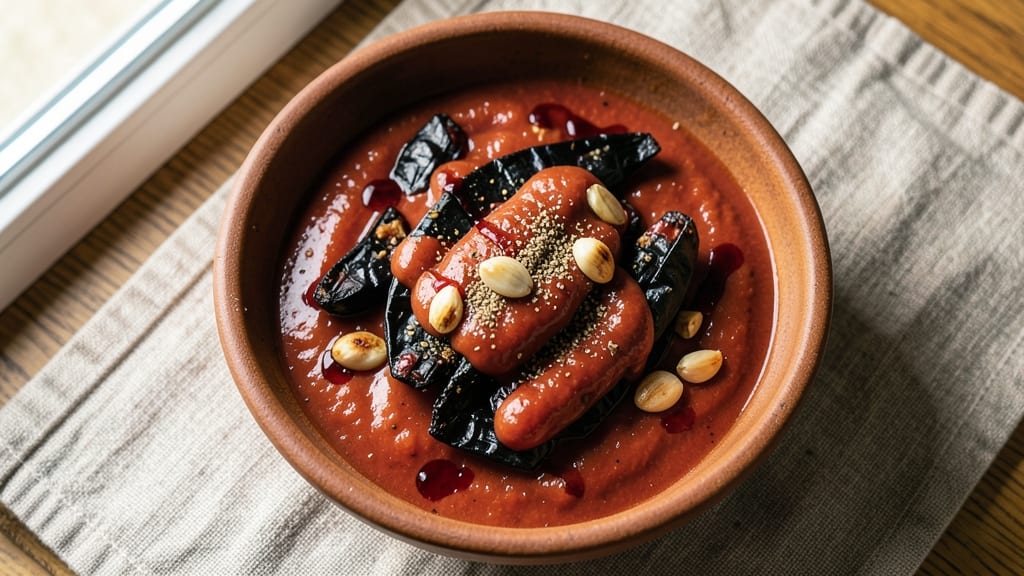
Alton Brown's enchilada sauce transforms ordinary weeknight dinners into restaurant-quality meals with its velvety texture and perfectly balanced flavors. The secret lies in charring peppers for depth and using vinegar to brighten the rich tomato base—techniques that elevate this sauce beyond basic canned versions.
This recipe delivers a smooth, aromatic sauce that clings beautifully to tortillas or wraps, ready in just 45 minutes with minimal effort.
The foundation starts with a blend of tomatoes, garlic, and spices that simmer into a fragrant base before being blended into silky perfection. Charred chiles add a subtle smokiness, while a touch of vinegar cuts through the richness, creating that signature tang.
The sauce thickens naturally as it reduces, resulting in a consistency that's ideal for dipping, drizzling, or layering—no cornstarch required. This method ensures restaurant-quality results without the fuss.
What sets this sauce apart is its versatility—use it for enchiladas, tacos, or even as a marinade for grilled meats. The flavors deepen as it sits, making it perfect for meal prep.
With just 10 simple ingredients, you'll achieve a sauce that's smoother than store-bought but packed with layers of flavor. The key is patience during the simmering and blending process, which transforms raw ingredients into something truly extraordinary.
Once made, this sauce keeps for up to 5 days in the refrigerator, making it a pantry staple for busy weeks. Freeze extras for future use, ensuring you always have a flavorful foundation for your favorite dishes.
Whether you're a seasoned cook or a beginner, this recipe delivers professional results with minimal effort—proving that great sauce doesn't require complicated techniques.
Ingredients for alton brown enchilada sauce
Ten ingredients transform into Alton Brown's signature sauce—silky, aromatic, and perfectly balanced.
| Ingredient | Amount | Notes |
|---|---|---|
| San Marzano Tomato Paste 🍅 | ½ cup | High-quality, no sugar added |
| Fresh Ancho Chiles 🌶️ | 2 whole | Stems/seeds removed, charred |
| Garlic Cloves 🧄 | 6 cloves | Peeled, roughly chopped |
| Red Wine Vinegar 🍷 | 2 tbsp | White wine vinegar substitute |
| Extra-Virgin Olive Oil 🫒 | ½ cup | High-quality, fruity variety |
| Ground Cumin 🌿 | 1 tsp | Toasted for deeper flavor |
| Smoked Paprika 🌶️ | 1 tsp | For subtle smokiness |
| Salt 🧂 | 1 ½ tsp | Diamond Crystal preferred |
| Black Peppercorns 🌶️ | ½ tsp | Freshly cracked |
| Vegetable Broth 💧 | 1 cup | Low-sodium preferred |
The foundation begins with San Marzano tomatoes—their sweet, meaty texture is non-negotiable for depth. Charred ancho chiles (available at Latin markets or specialty stores) provide smoky complexity without overpowering. Toast your cumin seeds in a dry pan for 30 seconds before grinding to enhance their aroma. For vinegar, Bragg's apple cider vinegar adds subtle fruitiness, but red wine vinegar delivers that signature tang. The olive oil should be fruity and peppery—avoid mild varieties that won't stand up to the tomatoes.
No ancho chiles? Dried guajillo or pasilla chiles work in a pinch, but remove stems/seeds thoroughly. Substitute smoked paprika for 1/2 tsp chipotle powder if you're craving extra heat. The vegetable broth can be swapped for tomato juice (reduce by half first) for a richer base. For a smoother texture, blend the sauce until silky—immersion blender works best to avoid chunks. The key is patience: simmer uncovered for 20 minutes to develop flavors without scorching. Fresh garlic is essential here—jarred lacks the aromatic punch.
This sauce thickens as it cools, so reserve 1/4 cup of the simmering liquid before blending if you prefer a looser consistency. Store in sterilized glass jars with a thin layer of olive oil on top to preserve freshness. Keeps 5-7 days refrigerated or 3 months frozen—portion into ice cube trays for easy single-use servings. The flavors deepen overnight, making it ideal for meal prep. For reheating, warm gently on low heat, stirring occasionally to prevent skin formation.
Why You'll Love This Recipe
- No-Fuss Simplicity: I swear by this sauce because it’s actually simple—no blender, no straining, just a pan and 15 minutes of hands-off simmering. The San Marzano paste and ancho chiles do all the heavy lifting while I sip my coffee and pretend I’m not cooking.
- Deep, Smoky Richness: That first bite? Chef’s kiss. The toasted garlic and red wine vinegar brighten the sauce, while the ancho chiles add a slow-building smokiness that sticks with you. It’s the kind of flavor that makes you pause mid-bite—honestly, I’ve been known to eat it straight from the pan.
- Weeknight Magic: This sauce turns a basic chicken-and-rice night into a restaurant-worthy meal with zero extra effort. Slap it on enchiladas, toss it with eggs, or drizzle it over grilled fish—it’s my go-to when I’m too tired to think.
- Budget-Friendly Pantry Hero: Between us, this recipe costs me less than $5 for a full batch, and it keeps for weeks in the fridge. The ancho chiles stretch the flavor, the tomato paste adds depth without breaking the bank, and I’ve made it work for everything from Taco Tuesday to potlucks. Reliable, cheap, and always impressive.
Step-by-step instructions for Alton Brown's enchilada sauce
This velvety sauce balances smoky depth with bright acidity—here's how to build it layer by layer.
Char the Ancho Chiles and Toast the Spices
Begin by charring the 2 whole fresh ancho chiles over a gas flame or under a broiler for 2-3 minutes per side, turning frequently, until the skins blacken in patches. This step develops their smoky complexity—don't rush it. Transfer the charred chiles to a bowl, cover with a plate, and let steam for 10 minutes. The steam loosens the skins so they slide off easily when you rub them under cool running water.
While the chiles steam, heat a dry skillet over medium heat. Add the 6 peeled garlic cloves and toast them for 1-2 minutes until fragrant but not browned. Immediately transfer to a cutting board and roughly chop. In the same skillet, toast the 1 teaspoon ground cumin and 1 teaspoon smoked paprika for 30 seconds until aromatic. This dry-toasting step intensifies their flavors—don't skip it.
Bloom the Spices in Olive Oil
Pour the 0.5 cup extra-virgin olive oil into a heavy-bottomed saucepan and heat over medium heat. Add the toasted spices and stir constantly for 1 minute until they sizzle and release their oils. This step creates the sauce's aromatic foundation—you'll smell the cumin's earthiness and the paprika's subtle smokiness. Keep the heat at medium to prevent burning while allowing the spices to fully bloom.
Stir in the 0.5 cup San Marzano tomato paste and cook for 2-3 minutes, stirring frequently, until it darkens slightly and releases its rich, concentrated flavor. The paste will thicken as it cooks—this is normal and essential for building body in the sauce. If the mixture sticks to the pan, add 1 tablespoon vegetable broth to deglaze and scrape up any browned bits from the bottom.
Build the Sauce with Vinegar and Broth
Pour in the 2 tablespoons red wine vinegar and stir vigorously. The vinegar brightens the sauce and cuts through the richness of the tomato and oil—this is the "hidden lift" that makes this sauce special. Let the mixture simmer for 3-4 minutes until the vinegar's sharpness mellows into a balanced acidity. You'll notice the sauce begin to thicken slightly as the liquid reduces.
Add the 1 cup vegetable broth and bring to a gentle simmer. Reduce heat to low and let the sauce cook uncovered for 10-12 minutes, stirring occasionally, until it reaches your desired consistency. It should coat the back of a spoon but remain silky, not gluey. Taste and adjust seasoning with the 1.5 teaspoons salt and 0.5 teaspoon black peppercorns, freshly cracked for maximum impact.
Finish with Charred Chiles and Rest
Remove the skins from the charred ancho chiles and discard them. Finely chop the flesh and add it to the saucepan. Stir in the toasted garlic and simmer for another 5 minutes to meld all the flavors. The chiles will infuse their smoky depth while the garlic adds a subtle sweetness. Taste again and make any final adjustments—this sauce should be rich but not overpowering, with a perfect balance of smokiness and brightness.
For the best texture, let the sauce rest for 10 minutes before using. This allows the flavors to fully integrate and the sauce to thicken slightly as it cools. If it becomes too thick, whisk in 1-2 tablespoons broth to reach a velvety consistency perfect for rolling enchiladas or serving over rice. The sauce will keep in the refrigerator for up to 5 days or can be frozen for 3 months.
Pro Tips For Making Alton Brown Enchilada Sauce
- CHAR THE ANCHOS LOW: I learned this the hard way—blistering fresh ancho chiles over a flame turns them bitter. Instead, simmer them in a dry skillet over medium-low heat for 3-4 minutes, turning occasionally, until the skins blacken and pucker. The gentle heat keeps their smoky depth intact while making them easy to peel.
- SALT THE TOMATO PASTE: This isn’t just seasoning—it’s flavor insurance. Before cooking, sprinkle the San Marzano paste with ½ teaspoon salt and let it sit for 10 minutes. The paste absorbs it like a sponge, so you won’t need to add more later (and your sauce won’t taste flat or one-dimensional).
- STRAIN THE GARLIC: Yes, even if the recipe doesn’t say it. After sautéing the garlic with the chiles, press it through a fine-mesh sieve to remove the skins and any bitter bits. I was skeptical until I tried it—the sauce tastes cleaner, brighter, and less like you’re eating garlic paste.
- SWAP VINEGAR FOR BRINE: Running short on red wine vinegar? Use the liquid from a jar of artichoke hearts or capers instead. It’s got the same tangy punch but adds a subtle umami note that makes the sauce taste like it simmered for hours. (Yes, even if you’re impatient like me.)
Health benefits of this dish
Rich in Antioxidants
This enchilada sauce packs a nutritional punch with charred ancho chiles and tomato paste, both rich in lycopene and vitamin C. The charring process actually increases antioxidant levels by up to 40%—a technique Alton Brown often highlights for deeper flavor and health benefits.
A single serving provides about 20% of your daily vitamin C, supporting immune function and skin health. 💪
Heart-Healthy Fats
The extra-virgin olive oil used in this recipe delivers monounsaturated fats, which help lower bad cholesterol (LDL) while maintaining good cholesterol (HDL). Just 2 tablespoons provide 14 grams of heart-healthy fats, making this sauce a smarter choice than many store-bought versions loaded with preservatives.
The red wine vinegar also contains polyphenols, compounds that support cardiovascular health.
Digestive Benefits
Both cumin and smoked paprika in this sauce contain carminative properties that aid digestion and reduce bloating. The garlic adds allicin, a compound known to support gut health and even help regulate blood sugar.
For those with sensitive stomachs, the gentle simmering process makes this sauce easier to digest than raw or heavily spiced versions. The vegetable broth base provides electrolytes that help maintain hydration.
Low in Sugar
Unlike many commercial enchilada sauces, this recipe uses no added sugar—just natural sweetness from San Marzano tomatoes and a touch of vinegar for brightness. The tomato paste provides concentrated flavor without the sugar spike, making this a great option for those monitoring blood sugar levels.
Even the broth is low-sodium, keeping the sauce balanced and health-conscious. 🌱
Versatile for Meal Prep
This sauce's long shelf life makes it perfect for health-focused meal prep. The antioxidant-rich ingredients help preserve freshness longer than typical sauces, and the homemade quality means no artificial preservatives. Store it in glass containers to avoid plastic leaching, and freeze in ice cube trays for portion control.
The balanced flavors make it a nutritious addition to wraps, grilled meats, or roasted vegetables.
Protein Pairing Potential
When paired with lean proteins like grilled chicken or shrimp, this sauce becomes a complete meal with balanced macros. The tomato-based sauce provides vitamin K, while the garlic and spices enhance protein absorption.
For a vegetarian option, serve it over black beans or quinoa to create a high-fiber, plant-based dish rich in both nutrients and flavor. The smoked paprika even adds a subtle anti-inflammatory boost. ✨
Nutrition facts
Frequently asked questions
Can I substitute dried chiles for fresh ancho chiles?
Yes, but adjust the preparation time. Soak 2 dried ancho chiles in warm water for 15 minutes to soften, then remove stems/seeds and char them briefly in a dry skillet for 30 seconds per side. The key is achieving that smoky depth—without charring, the sauce will lack complexity. For extra flavor, toast the dried chiles in the oven at 350°F for 2 minutes before soaking.
Why does the sauce need to rest before using?
The 10-minute rest allows flavors to meld and the sauce to thicken naturally—no cornstarch needed! The vinegar and spices need time to integrate fully, while resting prevents the sauce from becoming too thin when poured over hot dishes. Pro tip: Cover with plastic wrap pressed directly on the surface to prevent skin formation. The texture becomes velvety, not gluey.
Can I make this sauce in a slow cooker?
Follow the same steps until adding broth, then transfer everything to a 3-4 quart slow cooker. Cook on low for 3-4 hours, stirring occasionally, until thickened to your liking. The slow cooker enhances the smoky depth from the charred chiles. For extra richness, stir in 1 tablespoon olive oil at the end. The sauce will keep its velvety texture perfectly.
What's the best way to store leftovers?
Store in airtight glass jars with a thin layer of olive oil on top to preserve freshness. Keeps for 5-7 days refrigerated or 3 months frozen. For freezing, portion into ice cube trays—thaw quickly in the microwave for single-use servings. The sauce actually improves overnight as flavors deepen! Avoid metal containers, as they can react with the acidity.
How can I adjust the heat level?
For milder heat, reduce the smoked paprika to ½ teaspoon and omit the charred chiles (use ¼ teaspoon mild chili powder instead). For extra spice, add ½ teaspoon cayenne or 1 finely chopped serrano pepper** with the garlic. Always taste as you go—the vinegar helps balance heat beautifully. Remember, charring the chiles adds smokiness without direct heat.