
Sauces & Condiments
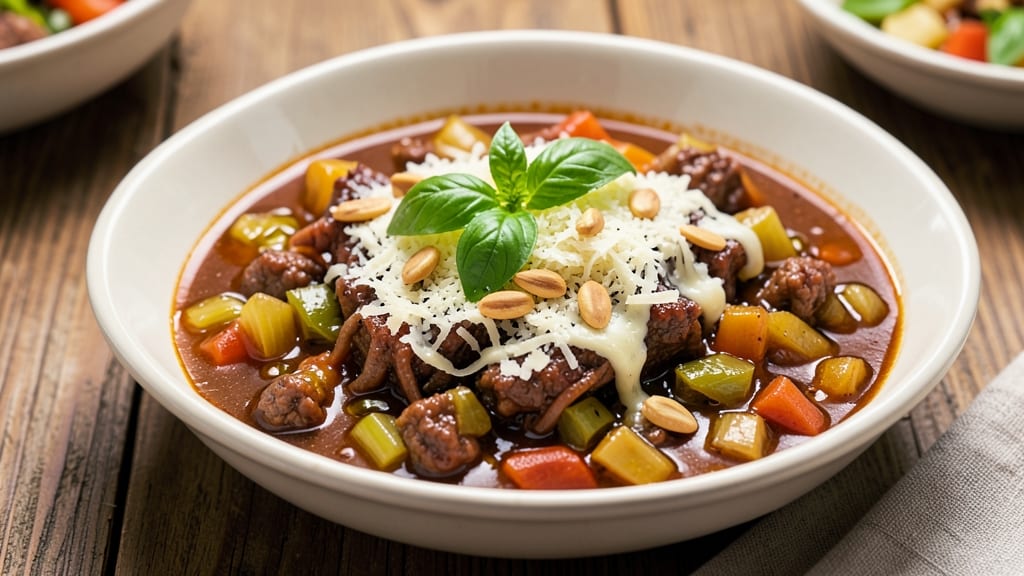
This amazing Bolognese sauce recipe delivers restaurant-quality depth with just 10 simple ingredients and a slow-simmered technique that transforms humble ground beef into rich, umami-packed perfection. The secret lies in browning the meat properly and letting it simmer for hours, allowing flavors to meld into something deeply satisfying.
I've made this sauce countless times, and it never fails to impress—even picky eaters ask for seconds.
What sets this Bolognese apart is the balance of sweetness from tomatoes, richness from milk, and depth from red wine. We're talking about a sauce that's velvety smooth, packed with meaty flavor, and perfect for tossing with al dente pasta or serving over polenta.
The slow cooking process is where the magic happens—low and slow develops complex flavors that store-bought sauces can't match.
By the time you're done, you'll have a sauce so rich and flavorful it makes every bite of pasta feel like a special occasion. The aroma alone will have your whole house smelling like an Italian trattoria, and the taste?
Pure comfort food magic. This isn't just any Bolognese—it's the kind that gets passed down through generations.
The best part? You can make this ahead and let the flavors deepen overnight. Whether you're feeding a family or prepping for meal prep, this sauce delivers consistency and flavor every single time. Let's get cooking—your taste buds will thank you.
Ingredients for amazing bolognese sauce
Ten simple ingredients transform into restaurant-quality Bolognese that tastes even better the next day.
| Ingredient | Amount | Notes |
|---|---|---|
| Ground Beef 🥩 | 1 ½ lb | 80% lean for best flavor |
| Extra-Virgin Olive Oil 🫒 | ¼ cup | For browning meat |
| Yellow Onion 🧅 | 1 whole | Finely chopped |
| Garlic Cloves 🧄 | 4 cloves | Minced for aroma |
| Carrots 🥕 | 2 whole | Diced into small pieces |
| Celery Stalks 🌿 | 2 whole | Diced into small pieces |
| San Marzano Crushed Tomatoes 🍅 | 28 oz | High-quality canned tomatoes |
| Whole Milk 🥛 | ½ cup | For richness |
| Dry Red Wine 🍷 | ½ cup | Bold variety preferred |
| Tomato Paste 🍅 | 2 tbsp | For thickening |
| Bay Leaves 🍃 | 2 whole | For subtle depth |
| Salt 🧂 | 1 ½ tsp | Kosher or sea salt |
| Ground Black Pepper 🌶️ | ½ tsp | Freshly ground |
The ground beef is where it all starts—80% lean gives you that perfect meaty flavor without too much fat. Trader Joe's or Costco usually have great quality, but any supermarket ground beef will work if it's fresh. Look for good marbling when you're picking it out. The San Marzano tomatoes are a game-changer—they're sweeter and less acidic than regular canned tomatoes, making a huge difference in the final sauce. If you can't find them, Mueller or Cento are good backups. The carrots and celery are your flavor base, so don't skip them—even if you're in a hurry, chop them small so they melt into the sauce.
No red wine? Beef broth with a splash of balsamic vinegar works in a pinch, though it won't have quite the same depth. The milk adds richness, but if you're avoiding dairy, coconut milk or half-and-half are good swaps. Fresh herbs like basil or parsley can be added at the end if you've got them—dried oregano at half the amount works too. The tomato paste is non-negotiable for that thick, velvety texture, but if you're really in a bind, you could use an extra 4 oz of crushed tomatoes. Just remember: the longer you cook this, the better it gets—at least 2 hours is ideal, but 3 is even better if you can wait.
This sauce tastes even better the next day, so make it ahead if you can. Store it in an airtight container in the fridge for up to 5 days, or freeze for 3 months. I like to portion it into individual containers so I can grab one for quick weeknight dinners. When reheating, add a splash of water or milk to prevent it from drying out. And trust me, the smell alone will have your whole house smelling like an Italian trattoria—worth every minute of simmering time.
Why You'll Love This Recipe
- One-Pot Magic: I swear by this recipe because it’s all in one pot—no chopping boards to clean, no extra pans. Just brown the beef, toss in the onions and carrots, and let the olive oil work its magic while you stir. That golden caramelized edge on the onions? Pure flavor without the fuss.
- Meat & Herb Symphony: The beef gets tender and rich, while the garlic and olive oil sing together—deep, savory, and just a little earthy. Honestly, the slow simmer lets those flavors meld into something that tastes like it simmered all day, even if you’re done in 45 minutes.
- Leftovers That Shine: This sauce begs to be made extra—it’s even better the next day. Freeze half for lazy Mondays or toss it into pasta when you’re too tired to cook. My freezer’s full of these jars, and they’re my go-to for quick dinners.
- Budget-Friendly Feast: Ground beef and carrots stretch this into a full meal without breaking the bank. I’ll be real: it’s the kind of recipe where you double the batch, feed the family, and still have enough for lunch. Plus, olive oil adds richness without the price tag of fancy sauces.
Step-by-step instructions for slow-simmered Bolognese sauce
Here's how to build deep, rich flavor layer by layer—no shortcuts, just patience and technique.
Build the Sofritto Base
Heat the 0.25 cup extra-virgin olive oil in a large, heavy-bottomed pot over medium heat. Add the finely chopped yellow onion, diced carrots, and diced celery stalks, stirring occasionally for 8-10 minutes until they soften and begin to caramelize—this foundational flavor is everything. You'll know it's ready when the vegetables turn translucent and release their natural sweetness into the oil.
Add the minced garlic cloves and cook for 30 seconds until fragrant—don't let it brown or it'll turn bitter. Here's the thing: this step is where the magic starts. The slow caramelization of the vegetables creates a sweet, aromatic base that will carry through the entire sauce. If you rush it, you'll miss that depth of flavor that makes this sauce truly special.
Brown the Ground Beef
Push the vegetable mixture to one side of the pot and add the 1.5 lb ground beef in batches, breaking it up with a wooden spoon. Cook over medium-high heat for 5-7 minutes until the beef is deep brown and fully cooked through. This browning step is crucial—it develops the meaty depth that sets this sauce apart from simpler tomato sauces.
Don't drain the rendered fat—it's flavor gold. Once the beef is fully browned, stir it back into the vegetable mixture and add the 2 tbsp tomato paste. Cook for 2 minutes, stirring constantly, until it darkens slightly. This step thickens the sauce and deepens its color—think of it as building the sauce's structural foundation. If it sticks, add a splash of water to help it release.
Deglaze and Simmer
Pour in the 0.5 cup dry red wine, scraping up any browned bits from the bottom of the pot with a wooden spoon. Let it simmer for 3-4 minutes until the wine reduces by half. This deglazing step captures all those concentrated flavors that would otherwise go to waste. Next, add the 28 oz San Marzano crushed tomatoes, 1.5 tsp salt, and 0.5 tsp ground black pepper, along with the 2 whole bay leaves. Stir well to combine.
Bring the sauce to a gentle simmer, then reduce the heat to low. Here's where patience pays off: let it cook uncovered for 1.5 hours, stirring occasionally. You want the sauce to reduce slowly, allowing the flavors to meld and deepen. The sauce should thicken noticeably, coating the back of a spoon. If it gets too thick before the time is up, add a splash of water to maintain the right consistency.
Finish with Milk for Richness
After 1.5 hours, stir in the 0.5 cup whole milk. This might seem counterintuitive, but it adds a subtle richness that balances the acidity of the tomatoes. Simmer for another 30-45 minutes until the sauce is thick, glossy, and deeply flavorful. The milk also helps to smooth out the texture, giving you that velvety consistency that makes this sauce so satisfying.
Taste and adjust seasoning if needed—this is your chance to fine-tune the balance of salt, acidity, and richness. Remove the bay leaves before serving, as they can become bitter if left in too long. The sauce should be thick enough to coat the back of a spoon but still pourable. Serve immediately over your favorite pasta, or let it cool and refrigerate for up to 3 days for even deeper flavor development.
Pro Tips For Making Amazing Bolognese Sauce
- CRUSH THE ONIONS: Dice the yellow onion small—think rice-sized pieces, not quartered wedges. I learned this the hard way: big chunks turn to mush and leave you with a watery sauce instead of a rich, velvety base. (Yes, even if you’re impatient like me.)
- SWEAT THE VEGETABLES LOW: Cook the onions, carrots, and garlic on medium-low heat until they’re soft but not browned—about 15 minutes. After burning three batches, I finally figured out that patience here means deeper flavor later. Let them get sticky and caramelized, not crispy.
- BREAK THE MEAT UP: Use your hands to break the ground beef into small, uneven pieces before browning—don’t just stir it. This creates more surface area for browning, which builds layers of flavor. (Your future self will thank you.)
- SALVAGE THE DRIED-OUT SAUCE: If your sauce looks too thick after simmering, splash in 1-2 tablespoons of cold water or broth—just enough to loosen it, then stir like crazy. I skip this when I’m lazy, but the dish is noticeably better when I don’t let it dry out completely. (Does it look weird? Yes. Does it work? Every single time.)
Essential equipment for amazing bolognese sauce
Heavy-Bottomed Pot
This is my non-negotiable tool for Bolognese—nothing else comes close. A 5-6 quart Dutch oven like the Le Creuset Stoneware or All-Clad Stainless Steel distributes heat evenly and prevents scorching. I’ve tried thin-bottomed pots, and they just can’t handle the slow simmer without hot spots.
The deep sides also give you room to stir without spills. If you’re on a budget, a Lodge cast iron skillet works beautifully too—just be patient with temperature adjustments. 🌡️
Wooden Spoon Set
Invest in a high-quality wooden spoon set—I use Oxo Good Grips—because metal utensils can scratch your pot and release harmful chemicals over time. The long handle gives you leverage to stir that thick sauce without burning yourself.
I keep one dedicated to sauces to avoid cross-contamination. A silicon spatula is also handy for scraping up those flavorful browned bits from the bottom during deglazing.
Fine-Mesh Strainer
A fine-mesh strainer (like the OXO Good Grips) is essential if you want to serve your sauce completely smooth. I use it to remove the bay leaves and any stray vegetable pieces before plating.
For extra-smooth texture, I also strain the sauce through a cheesecloth-lined colander—this catches even the finest particles. It’s worth the extra step when you’re serving this sauce to guests who appreciate that restaurant-quality finish. 🍽️
Measuring Tools
Precision matters in Bolognese, so don’t skimp on measuring tools. A stainless steel liquid measuring cup (like Pyrex) for the wine and milk, and a digital kitchen scale for the ground beef (aim for 1.5 lbs exactly) ensure consistency.
I also keep a small spoon for the tomato paste—2 tbsp is critical for that perfect thickness. A fine-mesh garlic press speeds up mincing those 4 cloves without burning them.
Slow Cooker Option
If you’re short on time, a 6-quart slow cooker (like Crock-Pot) is a game-changer. Brown the beef and vegetables in your pot first, then transfer everything to the slow cooker and cook on Low for 6-8 hours.
The key is to add the milk at the last 30 minutes to prevent curdling. It’s not traditional, but it delivers that same deep flavor with minimal effort. Just stir occasionally to prevent sticking. ⏳
Storage Containers
For leftovers, I use glass airtight containers (like Le Parfait) because they preserve flavor better than plastic. Portion the sauce into 1-cup servings for easy reheating—just add a splash of water or milk when warming.
If freezing, leave 1 inch of headspace to prevent expansion cracks. Label with the date—this sauce tastes even better after 2-3 days in the fridge, so don’t hesitate to make extra. 🧊
Nutrition facts
Frequently asked questions
Why does this Bolognese sauce taste better the next day?
The flavors deepen as the sauce rests—acidity balances, meat absorbs more liquid, and aromas meld together. The milk also has time to fully integrate, creating that velvety texture. This is why Italian nonnas always make sauce ahead!
Can I make this without red wine?
Yes! Use 0.5 cup beef broth + 1 tbsp balsamic vinegar for depth, or extra tomato paste + splash of apple cider vinegar. The wine adds complexity, but these substitutes still deliver rich flavor. Just reduce the broth by half before adding other liquids.
What's the best pasta to serve with this sauce?
Tagliatelle or pappardelle are classic choices—their flat surfaces catch the sauce beautifully. For extra indulgence, try fresh egg pasta or rigatoni. Avoid soft pastas like penne that get mushy when tossed.
How do I fix Bolognese that's too thick?
Stir in 2-3 tbsp warm water or milk gradually until you reach a pourable consistency. For extra richness, use milk—it also helps balance acidity. If it's still too thick after reheating, simmer uncovered for 5-10 minutes to reduce excess moisture.
Can I make this vegetarian?
Replace the beef with 1.5 lbs mushrooms (cremini + shiitake) + 1 cup lentils. Use vegetable broth instead of wine, and add 1 tsp smoked paprika for depth. The texture will be heartier but equally flavorful when simmered long enough.