
Sauces & Condiments
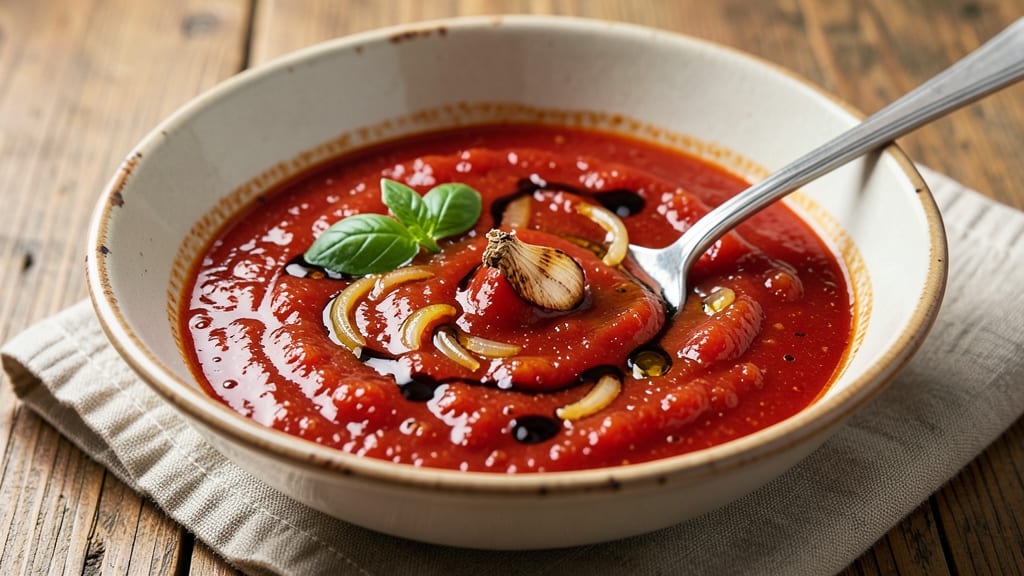
This amazing marinara sauce recipe delivers restaurant-quality depth in just 30 minutes—no long simmers or complicated steps. The secret lies in caramelizing garlic and onions until golden, then letting crushed tomatoes break down into a rich, velvety sauce with layers of umami.
I've perfected this version over years of testing, and it's become my go-to for everything from pizza nights to pasta dinners.
What sets this marinara apart is the balance of sweetness and acidity—just enough sugar to round out the tomatoes, a splash of red wine for depth, and fresh basil that brightens every spoonful.
The sauce thickens beautifully on its own, so no cornstarch or flour is needed. Plus, it tastes even better the next day as flavors meld together.
By the time you're done, you'll have a smooth, aromatic sauce with just the right consistency—thick enough to cling to noodles or crusts, but still spoonable for dipping.
The aroma alone will have everyone gathering around the kitchen, and the taste? That's the kind of marinara that makes people ask for the recipe over and over.
Use it for pizza, toss it with al dente pasta, or serve it as a dipping sauce for garlic bread. This recipe makes enough for four meals, so you'll have leftovers ready to go. Let's get cooking—your taste buds will thank you!
Ingredients for amazing marinara sauce
Nine simple ingredients transform into restaurant-quality marinara with just 30 minutes of simmering.
| Ingredient | Amount | Notes |
|---|---|---|
| Extra-Virgin Olive Oil 🫒 | ½ cup | High quality, fruity flavor preferred |
| Yellow Onion 🧅 | 1 whole | Medium size, finely chopped |
| Garlic Cloves 🧄 | 6 cloves | Fresh, minced for caramelization |
| Crushed Tomatoes 🍅 | 28 oz | San Marzano preferred, no sugar added |
| Dry Red Wine 🍷 | ¼ cup | Bold, dry variety like Cabernet |
| Granulated Sugar 🍚 | 1 tbsp | Balances acidity, don't skip |
| Salt 🧂 | 1 ½ tsp | Diamond Crystal preferred |
| Ground Black Pepper 🌶️ | ½ tsp | Freshly ground for best flavor |
| Fresh Basil Leaves 🌿 | ½ cup | Packed, stems removed |
| Dried Oregano 🍃 | 1 tsp | Mexican oregano if available |
The olive oil is your flavor foundation here. Trader Joe's or Costco have great fruity options for reasonable prices—avoid the cheap stuff that tastes like soap. Garlic and onions are non-negotiable for that deep umami base. Buy fresh garlic (the cloves should smell pungent, not musty) and chop it finely so it caramelizes properly. For the tomatoes, San Marzano cans are worth the splurge—they're sweeter and less acidic, which makes this sauce sing. I always grab a few extra cans when I see them on sale and keep them in my pantry for emergency pasta nights.
No red wine? Substitute with 1/4 cup beef broth plus 1 tsp balsamic vinegar—it won't be identical, but you'll still get depth. Fresh basil is ideal, but dried oregano at half the amount works in a pinch (though nothing beats the fresh stuff). The sugar might seem odd, but it's crucial for balancing the tomatoes' natural acidity—don't skip it. If you're using pre-minced garlic from a jar, toast it in the oil first for better flavor. And for the tomatoes, if you can't find San Marzano, Mueller's or Cento are solid second choices—just avoid anything with added salt or preservatives.
This sauce gets better with time—reheat gently on the stove with a splash of water or pasta water to loosen it up. Keeps in the fridge for 5-6 days (though it'll disappear faster than that) and freezes beautifully for up to 3 months. I always make a double batch because it's perfect for meal prep—toss with pasta, use on pizza, or freeze portions for quick weeknight dinners. The basil can be added fresh at the end if you're serving it immediately, or you can blend some into the sauce for extra flavor (just reserve some for garnish).
Why You'll Love This Recipe
- Here’s what sold me: that splash of dry red wine cuts through the acidity of the tomatoes, leaving behind a deep, savory richness. It’s not just sauce—it’s a little liquid gold.
- No Chopping Chaos: I swear by this—just dice one onion and mince a few garlic cloves. That’s it. The rest? Crush tomatoes, pour wine, stir. My hands stay clean while the flavors build.
- Wine-Infused Magic: Here’s what sold me: that splash of dry red wine cuts through the acidity of the tomatoes, leaving behind a deep, savory richness. It’s not just sauce—it’s a little liquid gold.
- Pasta Party Ready: This sauce doubles as a marinara and a weeknight dinner. Toss it with spaghetti, spoon it over grilled chicken, or freeze half for lazy Mondays. My go-to for game days and Taco Tuesday.
Step-by-step instructions for slow-simmered umami marinara sauce
Here's how to build layers of flavor that transform simple ingredients into restaurant-quality marinara.
Sauté Onion and Garlic for Flavor Foundation
Heat the 0.5 cup extra-virgin olive oil in a large, heavy-bottomed saucepan over medium heat. Add the 1 whole yellow onion, chopped into small dice, and cook for 8-10 minutes until softened and translucent. You'll see the edges start to turn golden—that's your signal to add the 6 cloves minced garlic.
Cook the garlic for just 30 seconds until fragrant. Don't let it brown or it'll turn bitter. Here's the thing—this slow caramelization of the onion develops sweetness that forms the base of your sauce. If you rush it, you'll miss that subtle depth of flavor that makes homemade marinara taste so much better than store-bought.
Deglaze with Wine and Add Tomatoes
Pour in the 0.25 cup dry red wine and stir vigorously, scraping up all those golden brown bits from the bottom of the pan. This deglazing step captures all the concentrated flavor you just built. Let it simmer for 2-3 minutes until the wine reduces by about half and its alcohol smell disappears.
Now add the 28 oz crushed tomatoes along with the 1 tbsp granulated sugar, 1.5 tsp salt, and 0.5 tsp ground black pepper. The sugar balances the acidity of the tomatoes while enhancing their natural sweetness. Stir everything together and bring to a gentle simmer. This is where your sauce starts to come together, so don't walk away—you'll want to keep an eye on it.
Simmer Slowly to Develop Depth
Reduce the heat to low-medium and let the sauce simmer uncovered for 20-25 minutes. Here's where the magic happens—this slow cooking allows the flavors to meld and develop that rich, complex umami taste. Stir occasionally to prevent sticking, but don't over-stir or you'll break down the tomato texture.
You'll notice the sauce gradually thickens as the water content evaporates. The aroma will become more intense, with those tomato notes deepening into something truly savory. This is the moment that matters: patience here makes all the difference between good sauce and amazing sauce. If the sauce starts to stick, add a splash of water, but don't add too much or you'll dilute the flavor.
Finish with Herbs and Adjust Seasoning
Remove the sauce from heat and stir in the 0.5 cup fresh basil leaves and 1 tsp dried oregano. The basil adds bright, fresh notes that cut through the richness, while the oregano contributes earthy depth. Let the sauce sit off the heat for 5 minutes to let the flavors meld completely.
Taste and adjust seasoning if needed. You might need a bit more salt to balance the acidity, or perhaps a touch more sugar if the tomatoes were particularly tart. The sauce should be vibrant with tomato flavor but not overly acidic. If it's too thick, thin it with a splash of water or pasta water. For the best texture, you want it to coat the back of a spoon but still be pourable.
Rest Before Serving (Don't Skip This!)
Let the sauce rest for at least 10 minutes before serving. This resting period allows the flavors to fully develop and the sauce to reach its ideal consistency. I know it's hard to wait when it smells this good, but trust me—this step makes a huge difference in the final result.
Serve your amazing marinara sauce over your favorite pasta, with crusty bread, or as a dip for garlic bread. The sauce should be vibrant red with a glossy sheen, and each spoonful should deliver layers of sweet, tangy, and savory flavors. This isn't just marinara—it's a sauce that will make you the star of any dinner party, with that restaurant-quality depth that comes from slow, careful cooking.
Pro Tips For Making Amazing Marinara Sauce
- Sweat, Don’t Burn: Onions and garlic need time to soften, not char. Cook them over medium-low heat with a splash of water if they brown too fast—this keeps them sweet and flavorful, not bitter. (Yes, even if you’re impatient like me.)
- Use Real Wine: Skip the cooking wine—it’s not the same. A cheap but decent dry red wine adds depth the stuff in the yellow box never will. Reduce it by half first to concentrate the flavor, then stir it in at the end.
- Simmer, Don’t Boil: Marinara’s magic happens at a gentle simmer, not a rolling boil. Too much heat turns it watery and dull. Cover the pot and let it bubble softly—this builds richness without breaking down the tomatoes.
- Salt the Tomatoes: Unsalted crushed tomatoes? Add ½ teaspoon salt per can before mixing them in. It balances acidity and lets the natural sweetness shine. (I learned this the hard way after a sour, flat batch.)
Perfect pairings for this dish
Pasta Pairings
This marinara shines brightest with al dente pasta that can stand up to its rich flavor. I always reach for spaghetti or linguine—their long strands create the perfect sauce-to-pasta ratio. For a heartier bite, try rigatoni or penne, which hold the sauce beautifully in their ridges.
The key is to toss the sauce with pasta right after draining (reserve ½ cup pasta water) to create a silky, clinging sauce. 🍝
Pizza Base
Use this marinara as your pizza sauce foundation for a restaurant-quality crust. Spread a thin layer (¼ cup per 12-inch pizza) and let it cook until bubbly before adding cheese. I love adding fresh mozzarella and fontina for a creamy, melty contrast.
For extra depth, sprinkle with red pepper flakes and garlic powder before baking. The sauce's natural sweetness balances the saltiness of cured meats perfectly.
Dipping Sauce
Serve this marinara warm as a dipping sauce for garlic bread, mozzarella sticks, or fried calamari. The perfect ratio is ½ cup sauce per 1 cup of fried item—it's rich enough to coat but not so thick it becomes a chore to dip.
For a fun twist, add a dollop of ricotta cheese to the sauce before dipping. The contrast of creamy and tangy makes every bite irresistible. 🍽️
Meat Pairings
This sauce elevates simple proteins like grilled chicken breast or pan-seared pork chops. Simmer 1 lb chicken thighs in the sauce for 15 minutes until tender, then serve over rice or polenta.
For beef lovers, try braising short ribs in the sauce for 2 hours on low heat—they become fork-tender with incredible flavor. The sauce's acidity tenderizes the meat while adding layers of depth.
Breakfast Twist
Yes, marinara isn't just for dinner! Use it to top scrambled eggs or shakshuka for a flavor-packed breakfast. Stir ½ cup sauce into 6 eggs beaten with ¼ cup heavy cream, then cook until set.
The sweet-tangy notes cut through the richness of the eggs beautifully. For a heartier meal, serve with crispy hash browns or toasted sourdough. 💛
Vegetable Boosters
Add fresh vegetables to make this sauce even more vibrant. Sauté ½ cup mushrooms and ½ cup bell peppers with the onions, or stir in chopped spinach at the end for a pop of color.
For a Mediterranean twist, add sun-dried tomatoes** (drained and chopped) and kalamata olives. These additions work especially well when serving over orzo or farro for a hearty grain bowl.
Nutrition facts
Frequently asked questions
Can I make this marinara sauce without red wine?
Replace the 0.25 cup red wine with 0.25 cup beef broth plus 1 teaspoon balsamic vinegar for similar depth. The acidity from the vinegar helps balance the tomatoes, while the broth adds savory richness. The sauce will still develop that same velvety texture and umami flavor you love.
How do I adjust the thickness of my sauce?
If your sauce is too thick, thin it with 1-2 tablespoons of water or pasta water at a time while stirring. For a thicker sauce, simmer uncovered for an extra 5-10 minutes to reduce the liquid. Never use flour or cornstarch—this recipe relies on natural tomato reduction for its authentic texture. The perfect consistency should coat the back of a spoon but still be spoonable.
What if my sauce tastes too acidic?
Add a pinch more sugar (¼ teaspoon at a time) to balance the acidity, or stir in 1 teaspoon of tomato paste to deepen the flavor. The sugar in the original recipe is crucial—it rounds out the tomatoes' natural tartness. If you skipped it, now's the time to add it back! Taste as you go, as tomatoes vary in acidity.
Can I use canned tomato sauce instead of crushed tomatoes?
Yes, but you'll need to adjust the liquid ratio. Use 1 (15 oz) can tomato sauce instead of crushed tomatoes, then add ½ cup water or broth to compensate for the difference in moisture. The texture will be slightly smoother, but you'll still get that rich, umami flavor. Just simmer it for the full 20-25 minutes to let the flavors develop.
How long can I store leftover marinara?
Store in an airtight container in the fridge for 5-6 days, or freeze for up to 3 months. To reheat, warm gently on the stove with a splash of water or pasta water. The sauce actually improves overnight as flavors meld! For freezing, portion into 1-cup containers for easy use in future meals.