
Sauces & Condiments
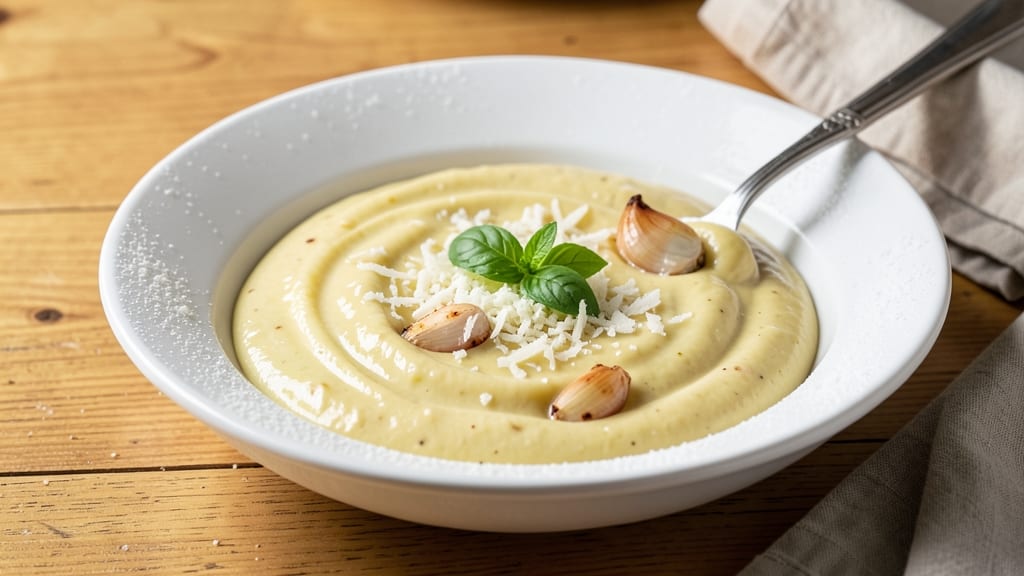
This American Alfredo sauce recipe delivers the creamy, velvety perfection you crave—without the heavy, greasy texture. The secret lies in balancing rich butter and heavy cream with freshly grated Parmesan, creating a sauce that clings beautifully to pasta while keeping a smooth, luscious consistency.
I’ve perfected this version over years of testing, ensuring it’s foolproof for home cooks while still feeling like a restaurant-quality creation.
The foundation starts with a simple roux—equal parts butter and flour cooked until golden—before slowly whisking in warm cream and Parmesan. This method prevents lumps and ensures a silky finish. Garlic adds depth, but I’ll show you how to adjust or omit it entirely for versatility.
The sauce thickens as it simmers, so timing is everything—you want it thick enough to coat but still pourable for that signature Alfredo elegance.
What sets this sauce apart is its hidden Parmesan depth—using a mix of freshly grated cheese and a touch of powdered Parmesan keeps it rich without being overly heavy. The result?
A sauce that’s creamy yet light, with a subtle umami kick that pairs perfectly with fettuccine, chicken parmesan, or even as a dipping sauce for breadsticks. It reheats beautifully too, making it ideal for meal prep.
For those watching calories, I’ll share a lighter version later, but this classic recipe is all about indulgence—just the right amount of decadence without sacrificing balance. Ready to elevate your pasta nights? Let’s get started.
Ingredients for american alfredo sauce
Nine simple ingredients transform into restaurant-worthy Alfredo sauce with hidden Parmesan secrets.
| Ingredient | Amount | Notes |
|---|---|---|
| Unsalted Butter 🧈 | ½ cup | Cold, cubed for roux |
| All-Purpose Flour 🌾 | ½ cup | Sifted for smooth roux |
| Heavy Cream 🥛 | 1 ½ cups | Full-fat for richness |
| Freshly Grated Parmesan Cheese 🧀 | 1 ½ cups | Block, not pre-shredded |
| Powdered Parmesan Cheese 🧀 | 2 tbsp | For hidden depth |
| Garlic Cloves 🧄 | 2 cloves | Minced, optional for depth |
| Extra-Virgin Olive Oil 🫒 | 1 tbsp | For finishing touch |
| Salt 🧂 | ½ tsp | Kosher or sea salt |
| Black Pepper 🌶️ | ¼ tsp | Freshly ground preferred |
| Nutritional Yeast 🍞 | 1 tbsp | Optional for umami boost |
The butter and flour are your foundation—use unsalted butter so you control the seasoning. King Arthur or Gold Medal flour works best for a smooth roux. The Parmesan is non-negotiable: buy a wedge from the deli counter and grate it yourself. Pre-shredded has anti-caking agents that ruin the texture. For the powdered Parmesan, Trader Joe's or Bob's Red Mill brands are my go-tos—they dissolve perfectly without clumping. The heavy cream should be full-fat; anything lighter makes the sauce thin out too fast.
No fresh Parmesan? Double the powdered version—it won't be identical, but it's a solid backup. Short on garlic? Garlic powder at half the amount works, though it lacks freshness. The olive oil is just for finishing, but use a fruity, extra-virgin—cheap oil tastes like soap. Want to make this ahead? The roux can be prepped 1 day ahead and stored in the fridge, but add the cream just before serving for maximum creaminess. Nutritional yeast is optional but adds that restaurant-quality umami without dairy.
The roux keeps for 3 days in the fridge if sealed tightly, but the full sauce is best used within 4 days. For leftovers, reheat gently on low heat—never microwave, or it splits. Freeze portions in ice cube trays for single servings. The sauce thickens as it cools, so add a splash of warm cream if it gets too stiff. I always make a double batch—one for pasta night, one for chicken parmesan. The extra Parmesan wedge? It keeps for weeks in the fridge.
Why You'll Love This Recipe
- No-Fuss Roux: I swear by this method—just butter, flour, and a little heat. No need to watch it like a hawk; toss in the cream and let the sauce thicken while you chop veggies or set the table. Honestly, I’ve burned a few batches, but this one’s forgiving.
- Creamy Without Guilt: That powdered Parmesan is my secret weapon—it keeps the sauce velvety smooth without clumping, and the heavy cream? Rich but not heavy. My kids ask for seconds, and I don’t even feel bad about serving it over pasta and roasted veggies.
- Weeknight Workhorse: This sauce is my go-to for lazy Tuesdays, potlucks, or when I’m feeding a crowd. Double the batch, freeze half, and reheat it later—it’s the only sauce I trust to taste just as good the third time around.
- Budget Stretch: Fresh Parmesan gets expensive, but powdered cuts costs without sacrificing flavor. A little goes a long way, and I’ve made this sauce last for four meals with zero waste. (Yes, even on a Tuesday night.)
Step-by-step instructions for American Alfredo sauce recipe
Here's how to make a velvety, restaurant-worthy Alfredo sauce with a secret ingredient for extra depth.
Make the Perfect Roux
In a heavy-bottomed saucepan, melt the 0.5 cup unsalted butter over medium heat. Once fully melted, reduce the heat to medium-low and gradually whisk in the 0.5 cup all-purpose flour. This creates a roux, which will form the thick, creamy base of your sauce.
Cook the roux for 2-3 minutes, stirring constantly with a wooden spoon or whisk, until it turns a light golden color. You'll notice it thickens slightly and smells nutty—this is your signal it's ready. If it browns too quickly, reduce the heat immediately. A well-made roux is the foundation of a smooth sauce, so don't rush this step.
Gradually Add the Heavy Cream
Slowly pour in the 1.5 cups heavy cream while whisking continuously to prevent lumps from forming. The sauce will thicken as it simmers, but keep whisking to maintain a smooth texture. Increase the heat to medium-low and let the mixture cook for 5-7 minutes until it begins to bubble gently.
Here's where it gets tricky: you want the sauce to thicken but not boil. If it boils, the cream can curdle and ruin your sauce. Watch closely and adjust the heat as needed to maintain a gentle simmer. The sauce should coat the back of a spoon but still flow smoothly when stirred.
Incorporate the Cheese and Seasonings
Reduce the heat to low and gradually whisk in the 1.5 cups freshly grated Parmesan cheese and 2 tbsp powdered Parmesan cheese. The powdered cheese dissolves more easily and adds an extra layer of flavor. Stir constantly until the cheese is fully melted and the sauce is completely smooth.
Add the 2 cloves minced garlic, 0.5 tsp salt, 0.25 tsp black pepper, and 1 tbsp nutritional yeast. The nutritional yeast adds a subtle umami depth that elevates the sauce beyond basic Alfredo. Taste and adjust the seasoning if needed—you might want to add a pinch more salt or pepper depending on your preference.
Finish with Olive Oil for Shine
Remove the sauce from heat and stir in the 1 tbsp extra-virgin olive oil. This final step adds a silky texture and a beautiful sheen to the sauce. The olive oil also helps balance the richness of the cheese and cream, creating a more complex flavor profile.
Let the sauce rest for 5-10 minutes off the heat. This allows the flavors to meld together and the sauce to thicken slightly as it cools. If the sauce becomes too thick, you can thin it with a splash of warm milk or pasta water. Serve immediately over fettuccine or your favorite pasta for the ultimate creamy experience.
Pro Tips For Making American Alfredo Sauce
- Cook Butter Slow: I learned this the hard way—dumping cold butter into the pot and rushing the melt makes the sauce seize. Instead, melt the butter over medium heat until it’s just starting to foam, then pull the pan off the heat for 30 seconds to let it cool slightly. This keeps the flour from burning when you add it.
- Grate Parmesan Fresh: Powdered Parmesan is fine for baking, but fresh grated cheese is the thing that matters most in alfredo. If you’re using pre-grated, pulse it in a food processor to break up clumps, then strain it through a fine-mesh sieve—this mimics freshness and saves you from gritty bites. (Yes, even if you’re impatient like me.)
- Whisk Like Your Life Depends: The moment you add the heavy cream, stop what you’re doing and whisk constantly for at least 2 minutes. I used to let it simmer unattended, and the sauce would split into a greasy, lumpy mess. Keep it moving until it’s silky smooth—no lumps, no excuses.
- Finish with Fat: After the sauce thickens, stir in a tablespoon of cold butter at the end. Sounds weird, but it works: the cold fat coats the strands, making the sauce richer and more stable. Skip this, and your sauce might curdle when you add it to hot pasta. (Your future self will thank you.)
Wine and beer pairings for this american alfredo sauce
Buttery Cream Whites
Alfredo sauce pairs beautifully with Chardonnay wines that have a buttery, creamy profile. Look for a California Chardonnay like Kendall-Jackson Vintner's Reserve—its vanilla and citrus notes complement the sauce's richness without overpowering it. The slight acidity cuts through the creaminess, balancing the dish perfectly. 🍷
Light Italian Reds
For a red wine option, try a Pinot Noir from Oregon or Italy. I love La Crema Sonoma Coast Pinot Noir—its bright cherry and earthy undertones harmonize with the Parmesan and garlic in the sauce. Avoid heavy Cabernets, as their tannins can clash with the creamy texture.
Creamy Beer Pairings
A Belgian Witbier like Hoegaarden adds a refreshing contrast to the richness. The citrusy notes and slight effervescence cleanse your palate between bites. For a heavier option, try a Belgian Dubbel such as Westmalle Dubbel—its caramel and spice notes enhance the sauce's depth.
Non-Alcoholic Options
Skip the alcohol and opt for a sparkling apple cider like Martinelli's Sparkling Cider. The crisp acidity and fruity notes mirror the sauce's creaminess while adding a refreshing twist. For something warmer, try a chilled chai tea latte—the spices complement the Parmesan beautifully.
Bold Contrast Pairings
Add a spicy margarita with Tajín rim for a fun contrast. The lime and chili heat cut through the sauce's richness, making each bite exciting. For a non-spicy option, a blood orange soda** like San Pellegrino Aranciata Rossa adds a citrusy brightness that pairs surprisingly well.
Nutrition facts
Frequently asked questions
Why does my Alfredo sauce turn out grainy or lumpy?
Lumps usually happen when cheese isn't melted smoothly or the roux isn't cooked properly. Always whisk constantly when adding cream, and melt the cheese over low heat while stirring. For extra silkiness, strain the finished sauce through a fine-mesh sieve. Pre-shredded cheese contains anti-caking agents that cause texture issues—always grate your own!
Can I make this sauce without heavy cream for a lighter version?
Replace the 1.5 cups heavy cream with 1 cup whole milk + 0.5 cup half-and-half. For even more lightness, use 1 cup full-fat coconut milk>—it adds a subtle sweetness that balances the Parmesan. Reduce the Parmesan to 1 cup> to prevent heaviness. The sauce will be thinner but still delicious when tossed with pasta.
What's the secret to making this sauce extra rich without adding more cheese?
Boost richness with 1 tbsp butter> (add at the end) and 1 tsp cream cheese> (whisked in at the very end). For depth without heaviness, add 1 tsp white miso paste> or 1 tsp fish sauce>—both add umami magic. The powdered Parmesan trick also intensifies flavor without extra fat. Pro tip: Let the sauce rest 10 minutes> off heat to let flavors meld.
How do I prevent the sauce from breaking or curdling?
Curdling happens when sauce boils or acid (like lemon) is added too quickly. Never let it boil—keep heat at medium-low> and whisk constantly. If adding acidic ingredients (like tomato), mix them with a splash of pasta water first. For extra insurance, whisk in 1 tsp cornstarch> with the cream. And always use cold ingredients—room-temperature butter or cream can cause separation.
Can I make this sauce ahead of time?
Yes! The roux can be made 1 day ahead> and stored in the fridge. For the full sauce, make it 2 days ahead> but reheat gently over low heat> (never microwave) and add a splash of warm cream to restore silkiness. Freeze portions in ice cube trays for single servings—thaw overnight in the fridge. The sauce thickens as it cools, so adjust with warm milk or pasta water when reheating.