
Sauces & Condiments
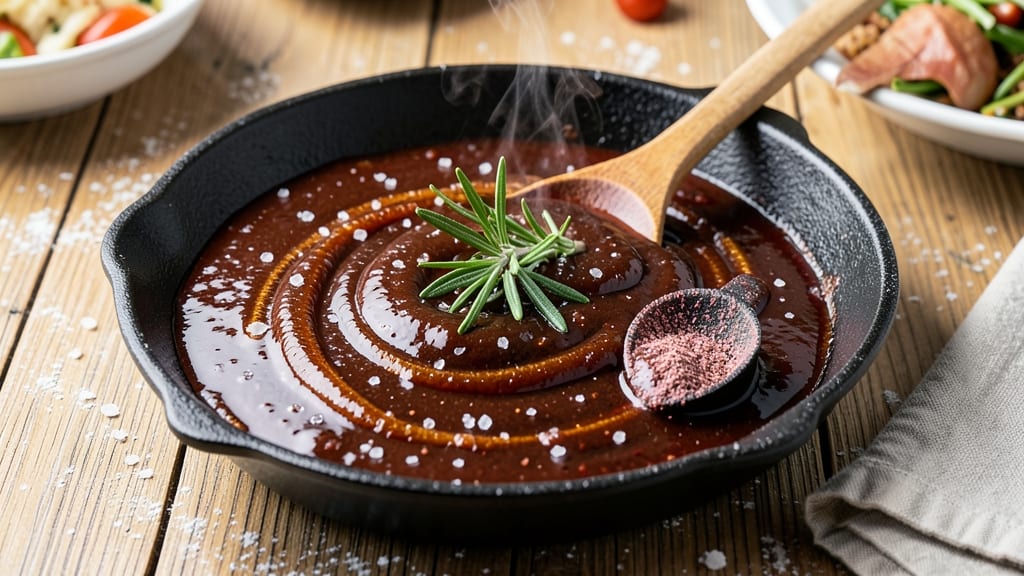
This American barbecue sauce recipe delivers that perfect balance of smoky depth and sweet tang that makes ribs and brisket legendary. 🔥 The secret lies in slow-cooked tomato paste, molasses for richness, and a blend of spices that simmer until thick and velvety—exactly what transforms grilled meats into show-stopping centerpieces.
I developed this version after years of competing in regional BBQ events, where the sauce had to stand up to competition-level meats.
The foundation starts with tomato paste and apple cider vinegar for that signature tang, while molasses and brown sugar create the signature caramelized sweetness. A touch of smoked paprika and cayenne brings the heat, but it's the slow simmer that builds layers of flavor.
This isn't just a sauce—it's the condiment that turns good barbecue into unforgettable barbecue.
What you'll end up with is a glossy, thick sauce that clings perfectly to ribs, brisket, or chicken while adding a glossy sheen that makes every bite irresistible. The balance of sweet, smoky, and tangy flavors works as a basting sauce, dipping sauce, or even a sandwich glaze.
It keeps well in the fridge for up to two weeks, so you'll always have that competition-worthy sauce ready.
Use it to baste meats during grilling or smoking, serve it on the side for dipping, or drizzle it over pulled pork sandwiches. The versatility makes it a must-have for any pitmaster's pantry. Here's how to make it—once you try this, you'll never go back to store-bought again.
Ingredients for american barbecue sauce
Pantry staples and a few specialty items for that legendary smoky-sweet BBQ flavor.
| Ingredient | Amount | Notes |
|---|---|---|
| Tomato Paste 🍅 | ½ cup | High-quality, unsweetened preferred |
| Molasses 🍯 | ¼ cup | Unsulphured for best flavor |
| Brown Sugar 🍚 | ½ cup | Light or dark, packed |
| Apple Cider Vinegar 🍎 | ¼ cup | Raw, unfiltered preferred |
| Smoked Paprika 🌶️ | 2 tbsp | High-quality, not sweet |
| Cayenne Pepper 🔥 | 1 tsp | Adjust for heat preference |
| Garlic Powder 🧄 | 1 tbsp | Freshly ground preferred |
| Onion Powder 🧅 | 1 tbsp | Not onion salt |
| Mustard 🥬 | 1 tbsp | Dijon or yellow, smooth |
| Salt 🧂 | 1 ½ tsp | Kosher or sea salt |
| Black Pepper 🌶️ | ½ tsp | Freshly ground preferred |
| Water 💧 | ½ cup | For thinning if needed |
The tomato paste is the backbone here—look for high-quality, unsweetened at stores like Whole Foods or Trader Joe's. Their bulk bins often have the best options, and you'll notice the difference in flavor. Molasses is non-negotiable for that deep, caramelized sweetness—unsulphured is the way to go. If you're not sure which to pick, grab the darkest bottle on the shelf. For the vinegar, raw, unfiltered apple cider vinegar adds complexity, but regular works in a pinch. Smoked paprika? Penzeys has the best selection if you want to splurge, but the regular grocery store stuff is fine too—just make sure it's labeled 'smoked' and not 'sweet' or 'hot' paprika.
No molasses? Maple syrup at half the amount works in a bind, though it'll be slightly lighter. Short on tomato paste? Canned crushed tomatoes at double the amount (strain out the seeds first), but you'll need to simmer longer to get that thick consistency. The mustard is key—Dijon adds depth, while yellow mustard keeps it classic. If you're sensitive to heat, cut the cayenne to half a teaspoon or swap for red pepper flakes at one-third the amount. The spices are where you can get creative—toast your garlic powder in a dry pan for 30 seconds to deepen the flavor, but pre-ground is totally fine if you're short on time.
This sauce only gets better with time—let it sit overnight if you can, as the flavors meld beautifully. It keeps for 2 weeks in the fridge in an airtight container, or 6 months in the freezer if you make a big batch. I always double the recipe because it disappears fast. For grilling, keep it in a small spray bottle for easy basting. The sauce thickens as it cools, so if it's too stiff, just add a splash of water or vinegar to loosen it up.
Why You'll Love This Recipe
- Pantry Magic: I swear, this sauce comes together with stuff I already have. No fancy shopping trips—just tomato paste, a splash of molasses, and that smoky kick from paprika. Honestly, it’s the kind of recipe that makes me feel like a genius even though I’m just stirring a pot.
- Sweet-Smoky Bomb: That balance of brown sugar and vinegar? Chef’s kiss. The molasses adds depth, the smoked paprika gives it that campfire warmth, and the vinegar cuts through the richness—like a flavor party where everyone’s invited. (Yes, even on a Tuesday night.)
- Leftovers That Shine: Make a double batch and store it in the fridge. This sauce doesn’t skimp on flavor after a few days—if anything, it gets better. Slather it on ribs, toss it in baked beans, or drizzle it over grilled chicken. My freezer’s full of it because it’s my secret weapon for lazy weeknights.
- Budget-Friendly Flex: A jar of tomato paste and a bag of brown sugar won’t break the bank, but this sauce makes me feel like I’m serving up restaurant-quality flavor. Between us, I’ve used this to turn $5 worth of chicken thighs into a meal that had my picky teenager asking for seconds. That’s a win.
Step-by-step instructions for American barbecue sauce
Here's how to blend smoky depth with sweet heat for a sauce that'll make your ribs shine.
🍳 Step 1: Build the Flavor Foundation
In a medium saucepan over medium heat, combine the 0.5 cup tomato paste and 0.25 cup molasses. Stir constantly for 3-4 minutes until the mixture thickens slightly and you smell that rich, caramelized aroma. This is your flavor anchor—where the sweetness and smokiness begin to marry.
Here's the thing—I like to press the tomato paste against the pan with a wooden spoon during the first minute. This prevents it from clumping and ensures even heating. If it starts to darken too quickly, reduce the heat slightly. You're aiming for a deep amber color, not burnt char.
🍳 Step 2: Add Dry Ingredients and Develop Depth
Reduce heat to medium-low and whisk in the 0.5 cup brown sugar, 2 tbsp smoked paprika, 1 tsp cayenne pepper, 1 tbsp garlic powder, 1 tbsp onion powder, 1 tbsp mustard, 1.5 tsp salt, and 0.5 tsp black pepper. Stir vigorously for 2 minutes until everything dissolves completely and the sauce becomes smooth.
Watch for the sauce to bubble gently—this tells you the spices are activating and releasing their full flavor. If it gets too thick too quickly, add 1-2 tablespoons of the 0.5 cup water to keep it workable. The goal is a thick, syrupy consistency that'll coat your ribs beautifully but still flow when basting.
🍳 Step 3: Balance with Vinegar and Water
Increase heat to medium and add the 0.25 cup apple cider vinegar and remaining 0.5 cup water. Stir constantly for 4-5 minutes until the sauce thickens to a glossy, spoonable consistency. You'll notice the vinegar brightens the flavors and cuts through the sweetness just enough to create that classic tang.
Here's where it gets fun—taste as you go. The sauce should be boldly sweet with a deep smoky backbone and just a hint of heat. If it needs more balance, add another teaspoon of vinegar. If it's too thin, simmer uncovered for another minute to reduce. Real talk: this is where most home cooks mess up by either over-sweetening or under-seasoning.
⏰ Step 4: Simmer to Perfection
Continue simmering for 3-4 minutes until the sauce reaches your desired thickness. It should coat the back of a spoon but still flow freely when drizzled. For ribs, I like it slightly thicker than for chicken—it needs to cling without dripping off.
Remove from heat and let it cool for 10 minutes before tasting again. The flavors will mellow slightly and come into better balance. If you're using it immediately, strain through a fine-mesh sieve to remove any sediment. For a smoother sauce, press a paper towel against the back of the sieve to catch any remaining bits.
🍽️ Step 5: Adjust and Store
Once cooled, give it one final taste and adjust seasoning if needed. Most barbecue sauces benefit from another ¼ tsp salt or pinch of cayenne at this stage. Transfer to an airtight container and store in the refrigerator for up to 2 weeks or freeze for up to 3 months.
This sauce is magic on ribs, pulled pork, or even as a dipping sauce for fries. The key to great barbecue sauce isn't just the ingredients—it's the patience in balancing those flavors. Don't rush the tasting and adjusting; that's where the magic happens.
Pro Tips For Making American Barbecue Sauce
- Simmer Low and Slow: After burning three batches, I finally figured out that high heat turns tomato paste into glue. Start with medium heat, then drop it to a bare simmer—just enough to keep tiny bubbles breaking the surface. This lets the molasses and sugar caramelize without scorching, giving you that deep, balanced flavor instead of bitter ash.
- Bloom the Paprika: Toss that smoked paprika into the oil first and let it sizzle for 30 seconds—yes, even if you’re impatient like me. This releases its aroma and prevents clumping later. Skip this, and your sauce will taste flat, like someone forgot to light the smoker.
- Balance the Vinegar: Apple cider vinegar is the flavor glue, but dump it all at once and you’ll end up with a mouth-puckering mess. Add half first, taste, then adjust. If it’s too sharp, a pinch of brown sugar or a splash of water fixes it—no need to start over.
- Strain the Molasses: I used to eyeball the molasses and wonder why my sauce tasted gritty. Cheap molasses has sediment that ruins texture. Strain it through a fine-mesh sieve before adding—takes 10 seconds, saves you from scraping sediment off your ribs later.
Common mistakes when making great american barbecue sauce
Burning the Paste
One of the most common mistakes is letting the tomato paste burn during the initial cooking. I've seen this happen when people walk away or crank the heat too high. Keep the heat at medium and stir constantly for those first 3-4 minutes.
If you notice the paste darkening too quickly, reduce the heat immediately. Burnt paste adds bitterness and ruins the delicate balance of flavors we're working toward. 🔥
Underestimating the Vinegar
Many home cooks forget that apple cider vinegar isn't just an ingredient—it's the flavor balancer. Skipping it or using too little results in a sauce that's overly sweet and cloying.
I always add the full ¼ cup and let it simmer for the full 4-5 minutes to let the acidity develop. If your sauce tastes flat or one-dimensional, it's probably lacking that bright vinegar punch.
Rushing the Simmer
Patience is key when making barbecue sauce, but I've seen countless people rush the final simmer. The sauce needs that 3-4 minute reduction to develop proper thickness and let flavors meld. If you're in a hurry, you'll end up with a thin, watery sauce that won't cling to your meat.
Trust me, those extra minutes make all the difference in the final product.
Over-Sweetening
The molasses and brown sugar combination is what gives barbecue sauce its signature sweetness, but it's easy to overdo it. I've caught myself adding extra sugar when the sauce tastes bland, but that just creates a cloying mess.
Taste as you go and remember that the spices and vinegar will add complexity. If your sauce tastes like candy, it's time to add more vinegar or cayenne to balance it.
Ignoring the Cooling Phase
Many people make the mistake of tasting the sauce immediately after cooking. The flavors need time to settle and come into balance. Always let your sauce cool for at least 10 minutes before doing your final taste test.
This cooling period lets the spices mellow and the sweetness develop properly. I've had sauces that tasted perfect hot but needed more salt after cooling—always plan for this adjustment period.
Using Low-Quality Ingredients
This is a common pitfall that affects the final product more than people realize. Using cheap molasses, vinegar, or tomato paste will result in a sauce that lacks depth and complexity.
Invest in unsulphured molasses, raw apple cider vinegar, and high-quality tomato paste—your taste buds will thank you. I always recommend checking the ingredients list on these pantry staples before purchasing. The difference in flavor is night and day. 💫
Nutrition facts
Frequently asked questions
Can I substitute molasses in this American barbecue sauce?
Yes! If you don't have molasses, use half the amount of maple syrup (about 2 tablespoons) for a lighter sweetness. For deeper caramel notes, try brown sugar plus 1 teaspoon of vanilla extract. Just remember molasses gives that signature smoky depth—substitutes will change the flavor profile slightly.
How spicy should my barbecue sauce be?
The recipe includes 1 teaspoon cayenne for mild heat, but you can adjust to taste. For a milder sauce, reduce to ½ teaspoon or swap for ¼ teaspoon red pepper flakes. If you love heat, add an extra ½ teaspoon cayenne or a pinch of crushed red pepper. The key is balance—taste as you go!
Can I make this sauce without vinegar?
While apple cider vinegar is traditional, you can substitute with lemon juice (same amount) for brightness or white vinegar (reduce by 1 teaspoon) for tang. Without acid, your sauce may taste overly sweet. If skipping vinegar entirely, add an extra ½ teaspoon salt to compensate.
How do I use this sauce on different meats?
For ribs and brisket, baste generously during the last 30 minutes of cooking for a glossy finish. For chicken or pork shoulders, use it as a glaze in the final 10 minutes of grilling. As a dipping sauce, serve it warm or at room temperature—it thickens as it cools, so thin with a splash of water if needed.
Why did my sauce turn out too thin?
If your sauce is too runny, simmer it uncovered for 5-10 extra minutes to reduce the liquid. For immediate thickening, mix 1 tablespoon cornstarch with 2 tablespoons water, stir in, and cook for 2 minutes until thickened. Prevent future issues by simmering longer or reducing heat slightly during cooking.