
Sauces & Condiments
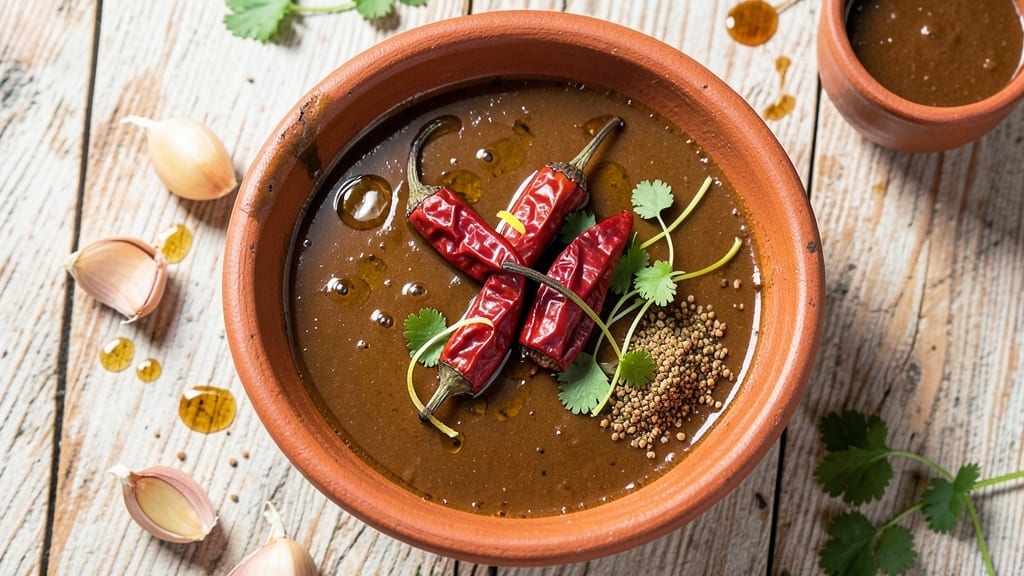
This ancho enchilada sauce recipe transforms dried chiles into a rich, velvety sauce with deep smoky notes and a secret vinegar zing that brightens every bite. The process starts with soaking ancho chiles to unlock their natural sweetness, then blending them with warm spices and broth until silky smooth.
What makes this sauce special is the balance—smoky, slightly sweet, with just enough acidity to cut through richness without overpowering.
The sauce is incredibly versatile, elevating traditional dishes like enchiladas, tacos, and quesadillas while also shining in modern recipes like grilled meats or roasted vegetables. The key lies in simmering the blended mixture just until it thickens, creating a glossy finish that clings beautifully to food.
Unlike store-bought versions, this homemade sauce delivers layers of flavor that taste authentically Mexican, with none of the artificial aftertaste.
Once you taste this sauce, you’ll never go back to bottled. The smoky depth from the ancho chiles pairs perfectly with the brightness of apple cider vinegar, while cumin and garlic add warmth and complexity.
It’s the kind of sauce that transforms simple meals into something extraordinary—think crispy chicken enchiladas, creamy cheese dips, or even a bold marinade for grilled meats.
Best of all, it keeps well in the fridge for up to a week, so you can make a big batch and use it all week. Let’s get started—your taste buds will thank you.
Ingredients for ancho enchilada sauce
Nine ingredients transform dried chiles into a velvety sauce with smoky depth and hidden vinegar zing.
| Ingredient | Amount | Notes |
|---|---|---|
| Dried Ancho Chiles 🌶️ | 4 whole | Stemmed and seeded |
| Apple Cider Vinegar 🍏 | ¼ cup | For bright acidity |
| Garlic Cloves 🧄 | 4 cloves | Peeled and toasted |
| Ground Cumin 🌿 | 1 tbsp | Toasted for depth |
| Chicken Broth 💧 | 2 cups | Low-sodium preferred |
| Extra-Virgin Olive Oil 🫒 | ¼ cup | For richness |
| Brown Sugar 🍚 | 1 tbsp | Balances smokiness |
| Salt 🧂 | 1 tsp | Adjust to taste |
| Cinnamon Stick 🌿 | 1 whole | Optional for warmth |
Ancho chiles are the heart of this sauce—look for plump, dark red pods at Latin markets or the international aisle. MexGrocer or La Tienda carry the best quality, but regular grocery stores usually stock them too. Toasting the chiles in a dry skillet before soaking deepens their smoky flavor—don’t skip this step. The vinegar is key for brightness, but white wine vinegar works in a pinch. For the broth, low-sodium is a must—you don’t want to dilute the sauce’s bold flavors.
No ancho chiles? Guajillo or pasilla chiles work as substitutes, but you’ll need to adjust the vinegar (guajillo needs more acidity). Toasting the garlic cloves until fragrant (about 30 seconds) adds a whole new dimension—don’t burn them. The cumin should be freshly ground if possible, but pre-ground works fine. Brown sugar balances the smokiness, but maple syrup or agave can stand in if you’re avoiding refined sugar. For extra warmth, add a pinch of cloves or a dash of smoked paprika.
This sauce keeps beautifully—up to 1 week in the fridge or 3 months frozen. The texture thickens as it sits, so thin with broth or water if needed. I like to make a big batch and freeze portions in ice cube trays for easy use. The sauce’s flavor actually improves after a day or two, so don’t rush to eat it all at once. For a smoother texture, strain through a fine-mesh sieve before serving.
Why You'll Love This Recipe
- No Soak, No Stress: That dried ancho chile? Just toast it and tear it—no hours of soaking or peeling. The vinegar and broth do all the heavy lifting while you chop garlic in under five minutes.
- Smoky-Sweet Magic: The cumin and vinegar cut through the chile’s heat with this perfect balance of tang and warmth. Honestly, it’s the kind of sauce that makes you pause mid-bite and think, “How is this so good?”
- Weeknight to Party Fix: Slather it on enchiladas for Taco Tuesday, drizzle it over grilled chicken for a dinner party, or even toss it with roasted veggies. Between us, I’ve used it for all three—no regrets.
- Stores Like a Dream: Makes twice as much as you need, and it tastes even better the next day. Freeze half for lazy nights, or keep it in the fridge for when you crave that deep, rich flavor without the fuss.
Step-by-step instructions for ancho enchilada sauce
This smoky, velvety sauce comes together with just a few simple steps—no fancy techniques required.
Toast and Rehydrate the Dried Ancho Chiles
Begin by toasting the 4 whole dried ancho chiles in a dry skillet over medium heat for 30 seconds per side until fragrant and slightly puffed. This step deepens their natural smokiness. Immediately transfer them to a bowl and cover with the ½ cup apple cider vinegar—this helps soften them while adding bright acidity. Let them soak for 15 minutes, then drain, reserving the vinegar for later.
Here's the thing—don't skip the toasting. It removes the raw, bitter edge and unlocks that rich, earthy flavor we want in the sauce. If you're impatient, you can also rehydrate them in warm broth instead, but the vinegar gives a unique tang that sets this sauce apart.
Build the Sauce Base with Aromatics
In a blender or food processor, combine the rehydrated chiles, 4 cloves toasted garlic, 1 tablespoon toasted ground cumin, and 1 whole cinnamon stick (if using). Blend until smooth, scraping down the sides as needed. This is where the magic happens—the toasted spices meld with the chiles to create a complex, aromatic paste.
After blending, transfer the mixture to a medium saucepan and add the 2 cups chicken broth and reserved vinegar. Stir in the ¼ cup extra-virgin olive oil and 1 tablespoon brown sugar. Bring to a gentle simmer over medium heat, then reduce to a low bubble. This is your chance to taste and adjust seasoning—add the 1 teaspoon salt now if needed, or hold off for later.
Simmer to Develop Depth of Flavor
Let the sauce simmer uncovered for 15-20 minutes, stirring occasionally. You're looking for it to reduce by about ⅓, thickening slightly while concentrating the flavors. The cinnamon stick can be removed at this point if you prefer a smoother texture, but I like to leave it in for an extra layer of warmth.
Real talk: This is where patience pays off. The longer it simmers, the more complex the flavors become. If it starts to get too thick, add a splash of water or broth to loosen it. The sauce should coat the back of a spoon but still be pourable—not glued to the pan.
Strain and Finish for Silky Perfection
Strain the sauce through a fine-mesh sieve into a clean bowl, pressing gently on the solids to extract every last bit of flavor. This step ensures a silky, velvety texture without any grit. Return the strained sauce to the saucepan and simmer for another 5-10 minutes to refine the consistency.
For the final touch, taste and adjust the seasoning—another pinch of salt, a drizzle of vinegar, or even a pinch of sugar if it needs balancing. The sauce should be rich, slightly tangy, and deeply smoky with just a hint of sweetness from the brown sugar. Store any leftovers in an airtight container in the fridge for up to 5 days, or freeze for 3 months.
Pro Tips For Making Ancho Enchilada Sauce
- STEM THE BITTERNESS: Toast your dried ancho chiles in a dry skillet over medium heat for 30 seconds per side—just until fragrant, not blackened. I learned this the hard way: skipping the toasting leaves a bitter, ashy edge that vinegar can’t fully cut. (Yes, even if you’re impatient like me.)
- BLEND WITH BROTH FIRST: Start your sauce by blending the soaked chiles with chicken broth before adding vinegar or garlic. This creates a smoother base and prevents the cumin from clumping like a stubborn glue. I was skeptical until I tried it—now it’s non-negotiable.
- CONTROL THE VINEGAR: Add apple cider vinegar gradually while tasting, no more than 2 tablespoons total. Too much turns your rich sauce into a sharp salsa. I used to dump it all in and wondered why my enchiladas tasted like a tangy punch.
- SIMMER LOW AND SLOW: Reduce the sauce on low heat for 10-12 minutes, stirring occasionally. Rushing it on high heat makes the cumin taste raw and the garlic bitter. My grandmother swore by this, and she was right: patience here makes the difference.
Wine and beer pairings for this dish
Red Wine Pairings
A bold Mexican red wine like Tempranillo or Cabernet Sauvignon from Spain or California is my go-to for ancho enchilada sauce. The earthy, slightly smoky notes of Tempranillo complement the sauce’s depth, while Cabernet’s structure holds up to the sauce’s richness.
Look for a medium-bodied bottle with 12-13% ABV—avoid anything too tannic, as it can clash with the sauce’s smoothness. 🍷
For a lighter option, try a Grenache from Spain’s Priorat region. Its bright red fruit and subtle spice notes mirror the sauce’s complexity without overpowering it. Serve slightly chilled to enhance its refreshing qualities against the sauce’s warmth.
White Wine Pairings
Don’t overlook crisp whites! A Spanish Albariño or Verdelho from Madeira offers surprising harmony with the sauce’s smoky, slightly sweet profile. Albariño’s citrusy acidity cuts through the richness, while Madeira’s nutty depth adds another layer. Chill these wines to 45-50°F for the best experience. 🍷
For a local option, a California Viognier with its floral and stone-fruit notes provides a delightful contrast. The wine’s natural sweetness balances the sauce’s vinegar brightness, creating a perfect match for dishes like enchiladas or grilled meats.
Beer Pairings
A Mexican lager like Modelo Especial or Pacifico Clara cleanses the palate beautifully while complementing the sauce’s smoky depth. The crisp, clean finish of these beers prevents the sauce from feeling heavy. Serve at 40-45°F for the best balance. 🍺
For craft beer lovers, a Belgian-style witbier with its coriander and citrus notes creates an unexpected but fantastic pairing. The beer’s effervescence and slight tartness mirror the sauce’s vinegar zing, making it a refreshing match for tacos or quesadillas.
Non-Alcoholic Options
Sparkling Mexican horchata or agua de Jamaica (hibiscus iced tea) are fantastic non-alcoholic pairings. The natural sweetness and floral notes of horchata balance the sauce’s smokiness, while Jamaica’s tartness echoes the vinegar’s brightness. Serve both chilled for the best experience. 🥤
For a savory option, try a spicy ginger beer like Feather Ginger Beer**. The ginger’s heat and effervescence cut through the sauce’s richness, making it a bold choice for dishes like enchiladas or grilled meats.
Nutrition facts
Frequently asked questions
Can I use ancho enchilada sauce for dishes other than enchiladas?
This versatile sauce works beautifully for tacos, quesadillas, grilled meats, and even as a marinade. The smoky depth and slight tang make it perfect for drizzling over roasted vegetables or using as a dip base. Just reduce it slightly for thicker applications like sauces or glazes.
What if I can't find ancho chiles at my store?
No problem! Guajillo or pasilla chiles work well as substitutes. For guajillo, add an extra ½ teaspoon of vinegar to balance their slightly sweeter flavor. Toast and blend them the same way, but expect a slightly different color and mild heat.
How do I adjust the heat level in this sauce?
The sauce is naturally mild, but you can control the heat by adjusting the chile blend. For extra kick, add ½ teaspoon of cayenne or 1-2 seeds from a jalapeño while blending. To mellow it, strain out more of the solids or add a splash of broth. Always taste as you go!
Can I make this sauce without a blender?
Yes! If you don't have a blender, toast and soak the chiles, then finely chop them by hand. Mix with the other ingredients in a saucepan and simmer longer (25-30 minutes) to break down the fibers. The texture will be slightly chunkier but still flavorful.
Why does my sauce look thin after simmering?
Sauce thickness varies based on broth reduction. If it's too thin, simmer uncovered for 5-10 more minutes or reduce it on high heat for 3-5 minutes. For extra thickness, stir in 1 teaspoon of cornstarch mixed with 1 tablespoon water while simmering.