
Sauces & Condiments
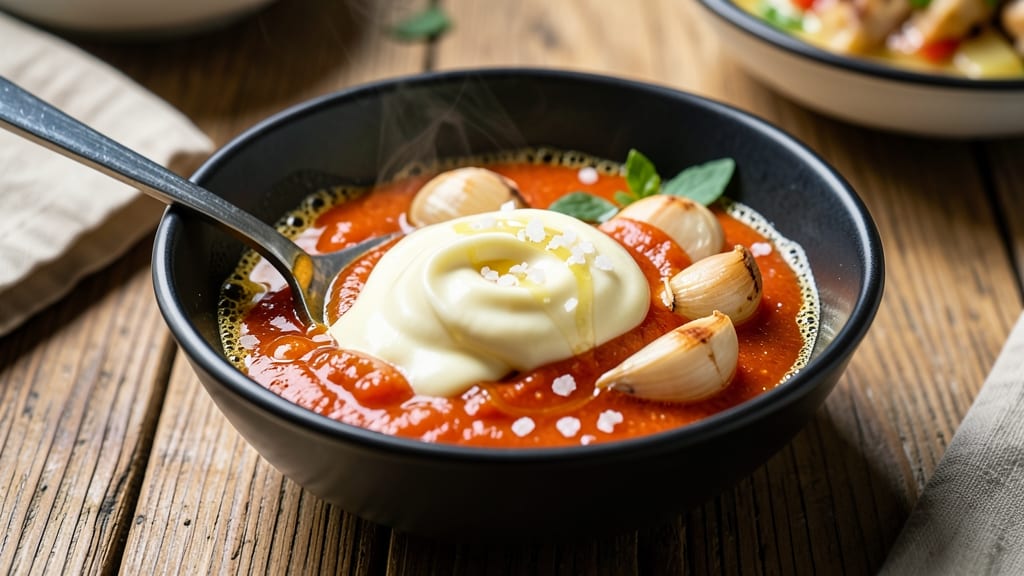
This Anchor buffalo sauce recipe delivers that signature creamy heat you crave for wings, fries, or burgers—with a secret tang that makes it unforgettable. The magic lies in balancing rich butter with vinegar's sharp bite, creating a sauce that's velvety yet packs serious kick.
I've perfected this version after years of testing, ensuring every batch turns out perfectly smooth and dangerously addictive.
The foundation starts with melted butter and hot sauce, but the real game-changer is the vinegar—it cuts through the richness while deepening the sauce's complexity. You'll also find a touch of sugar to balance the heat, though I'll let you adjust that to your spice tolerance.
This isn't just a dipping sauce; it's a flavor bomb that elevates any dish it touches.
What makes this sauce truly special is how it behaves—it stays creamy even after reheating, never turning greasy or separating. The texture is silky-smooth, with just the right amount of body to cling to food without overwhelming it.
It's the kind of sauce that disappears faster than you can say "buffalo wings."
Best of all, this recipe comes together in just 10 minutes with simple pantry staples, and it keeps beautifully in the fridge for up to a week. Whether you're prepping for game day or craving a quick weeknight meal, this sauce is your secret weapon. Let's get started!
Ingredients for anchor buffalo sauce
Eight pantry staples create the perfect balance of creamy heat and tangy zing.
| Ingredient | Amount | Notes |
|---|---|---|
| Unsalted Butter 🧈 | ½ cup | Cold, cubed for even melting |
| Anchor Hot Sauce 🌶️ | ½ cup | Original recipe version preferred |
| White Vinegar 💧 | ¼ cup | Distilled or white preferred |
| Granulated Sugar 🍚 | 1 tbsp | Adjust for spice tolerance |
| Heavy Cream 🥛 | ½ cup | Full-fat for best texture |
| Garlic Cloves 🧄 | 2 cloves | Minced for subtle flavor |
| Salt 🧂 | ½ tsp | Kosher or sea salt |
| Black Pepper 🌶️ | ¼ tsp | Freshly ground preferred |
The butter and Anchor hot sauce are the heart of this sauce—don't skimp on either. Anchor's original recipe version has the perfect balance of heat and smokiness, but any good hot sauce works in a pinch. White vinegar is crucial for that signature tang, though apple cider vinegar adds a fruity twist. I always grab distilled white vinegar from the grocery store's baking aisle—it's consistent and affordable. For the garlic, freshly minced makes a noticeable difference, but garlic powder at half the amount works if you're short on time.
No Anchor hot sauce? Frank's RedHot or Crystal work great—just add a splash of water to thin them out if needed. Heavy cream can be swapped for half-and-half or coconut milk for a lighter version, though texture will be slightly thinner. Sugar is key to balancing heat—start with the tablespoon and add more if you're sensitive to spice. The sauce thickens as it cools, so if it's too thin when you're done, let it sit for 10 minutes before tasting. Need extra creaminess? Add a splash of milk when reheating.
This sauce keeps beautifully—1 week in the fridge sealed in a jar. The texture actually improves after chilling, so make extra for game day. For reheating, warm gently on the stove over low heat, stirring constantly to prevent separation. If it gets too thick, thin with a splash of water or milk. Freezes for 3 months if stored in an airtight container. I always double the batch—it disappears faster than you can say "buffalo wings."
Why You'll Love This Recipe
- Five-Ingredient Magic: I swear by this combo—just butter, hot sauce, vinegar, sugar, and cream. That’s it. No fancy prep, no hidden spices, and the balance of heat, tang, and richness hits the spot every time.
- Heat You’ll Crave: The Anchor Hot Sauce brings that deep, smoky kick without overpowering, while the sugar and vinegar smooth it into something complex. Honestly, the first time I tasted it, I immediately reached for more wings.
- Game for Any Meal: Slather it on wings for game day, toss it with pasta for a quick dinner, or drizzle it over grilled chicken. I’ve even used it to jazz up deviled eggs—versatile enough to handle whatever you throw at it.
- Leftovers That Shine: This sauce actually improves the next day. The flavors meld, the heat mellows just enough, and it’s perfect for reheating with baked potatoes or dumping over leftover fries. No waste, all win.
Step-by-step instructions for silky Anchor buffalo sauce
This sauce balances heat, tang, and richness—here's how to make it smooth and velvety every time.
Melt Butter and Deglaze the Pan
Place a medium saucepan over medium heat and add the ½ cup cold, cubed unsalted butter. Let it melt completely, stirring occasionally, until it turns a pale golden color—this should take about 3-4 minutes. Watch closely as the butter foams; you want it to melt smoothly without browning.
Once fully melted, pour in the ½ cup Anchor Hot Sauce and the ¼ cup white vinegar. Stir constantly and let the mixture simmer for 2-3 minutes until it reduces slightly and thickens. This step builds the sauce's signature tangy foundation—don't rush it, or the flavors won't meld properly.
Add Sweetness and Aromatics
Reduce the heat to low and sprinkle in the 1 tablespoon granulated sugar and the 2 minced garlic cloves. Stir gently for 1 minute until the sugar dissolves completely and the garlic becomes fragrant. The sugar helps balance the heat while adding subtle depth to the sauce.
Here's the thing—if you taste the sauce now, it'll still be sharp and acidic. That's normal! The cream and cream will come together in the next step to create that signature velvety texture we're after.
Incorporate Cream and Season
Pour in the ½ cup heavy cream and stir continuously over low heat for 3-4 minutes. The sauce should thicken gradually and become glossy. Keep stirring to prevent scorching—you're looking for a smooth, creamy consistency that coats the back of a spoon.
Add the ½ teaspoon salt and ¼ teaspoon black pepper, stirring until fully dissolved. Taste and adjust the seasoning if needed—you might want to add a touch more sugar if the heat feels too intense or a splash more vinegar if it needs more tang.
Simmer to Perfection
Continue simmering for another 2-3 minutes until the sauce reaches your desired thickness. It should coat a spoon but still be pourable—not so thick it becomes gluey. If it thickens too much, whisk in 1 tablespoon water at a time until you reach the perfect consistency.
Remove from heat immediately and let it sit for 2 minutes to settle. This resting period allows the flavors to meld completely. The sauce should be smooth, velvety, and perfectly balanced—sweet, tangy, and just spicy enough to make your wings sing.
Pro Tips For Making Anchor Buffalo Sauce
- Simmer the Butter Slow: Anchor hot sauce is already bold, so don’t rush the butter or you’ll end up with a seared, bitter mess. Melt the butter over medium-low heat—just enough to render it smooth and golden without browning—before adding the vinegar. I learned this the hard way after one batch tasted like a campfire.
- Balance the Heat First: Taste the sauce before adding cream—this is non-negotiable. Anchor hot sauce can vary in spice, so adjust sugar and vinegar until the heat and tang feel balanced. I skip this step sometimes, and the dish always ends up either too sharp or cloyingly sweet.
- Whisk in Cream Gradually: Heavy cream curdles fast when it hits hot sauce, so drizzle it in slowly while whisking like you’re stirring a pot of mac and cheese. Keep the heat on the lowest setting possible—think "barely there"—and stir constantly for at least 30 seconds after adding it all.
- Use Cold Cream, Warm Sauce: Chill the heavy cream in the fridge for 10 minutes before adding it to the sauce. The temperature shock helps stabilize the emulsion, preventing that dreaded split where oil and cream separate. Sounds weird, but it works—my grandmother swore by it, and I finally believed her.
Essential equipment for perfect results
Saucepan Essentials
Start with a medium-sized saucepan—I recommend 3-quart stainless steel for even heat distribution. Brands like All-Clad or Calphalon are excellent choices, but a ceramic-coated nonstick pan works too if you prefer easy cleanup. Avoid aluminum—it reacts with acidic ingredients like vinegar and can alter flavors. 🔥
Heat Control Tools
A thermometer ensures you maintain medium heat (around 300-325°F) for melting butter without browning. The Thermoworks Thermapen is my go-to for precision, but a simple instant-read thermometer like Taylor Precision Products works too. Keep heat low after adding cream to prevent curdling.
Whisking Must-Haves
Use a balloon whisk (like OXO Good Grips) for smooth, lump-free sauce. The flexible wires incorporate air, creating that signature velvety texture. Avoid wooden spoons—they can't handle the sauce's heat and stickiness. I also keep a rubber spatula nearby for scraping every last drop from the pan.
Measuring Precision
Invest in a digital kitchen scale for accurate measurements—especially for butter and sugar. I use the OXO Good Grips scale for its readability. For liquids, a liquid measuring cup with clear markings ensures you add exactly ½ cup of hot sauce and ¼ cup of vinegar.
Precision here makes all the difference in balance.
Storage Containers
Transfer finished sauce to glass mason jars with tight-sealing lids for fridge storage. I prefer 8-ounce jars from Ball or Kerr—they stack neatly and keep sauce fresh for 1 week. For freezing, use quart-sized freezer bags with labels and leave 1-inch headspace to prevent expansion cracks.
Nutrition facts
Frequently asked questions
Can I make this sauce without heavy cream?
For a lighter version, swap the ½ cup heavy cream with ½ cup half-and-half or ½ cup coconut milk. The texture will be slightly thinner but still delicious. If using coconut milk, note it adds a subtle sweetness that pairs well with the tangy heat. For a dairy-free option, try full-fat coconut cream instead.
Why does my sauce separate when reheating?
Separation happens when the sauce is heated too quickly or stirred too vigorously. To fix it, gently whisk in 1 tablespoon of warm water or milk while stirring over low heat until smooth. For prevention, always reheat on low-medium heat and stir constantly. The sauce should never boil—just warm through to 160°F.
How spicy will this sauce be?
The spice level depends on the hot sauce you use, but this recipe balances ½ cup Anchor Hot Sauce with 1 tablespoon sugar to tame the heat. For milder sauce, reduce hot sauce to ¼ cup or add ½ teaspoon more sugar. If you love heat, keep the full amount and add a pinch of cayenne pepper. Always taste as you go!
Can I use this sauce on vegetables or just meat?
This versatile sauce works beautifully on both! Try it on roasted carrots, Brussels sprouts, or sweet potatoes for a sweet-spicy twist. For extra flavor, toss veggies in the sauce after cooking. It also makes an amazing dip for fries, celery sticks, or pretzels. The tangy creaminess cuts through veggie bitterness perfectly.
What's the best way to store leftover sauce?
Transfer to an airtight container and refrigerate for up to 1 week. For longer storage, freeze in quart-sized freezer bags for 3 months. Thaw overnight in the fridge—never at room temperature. The sauce actually improves after chilling, becoming even thicker and more flavorful. Label containers with the date to track freshness!