
Sauces & Condiments
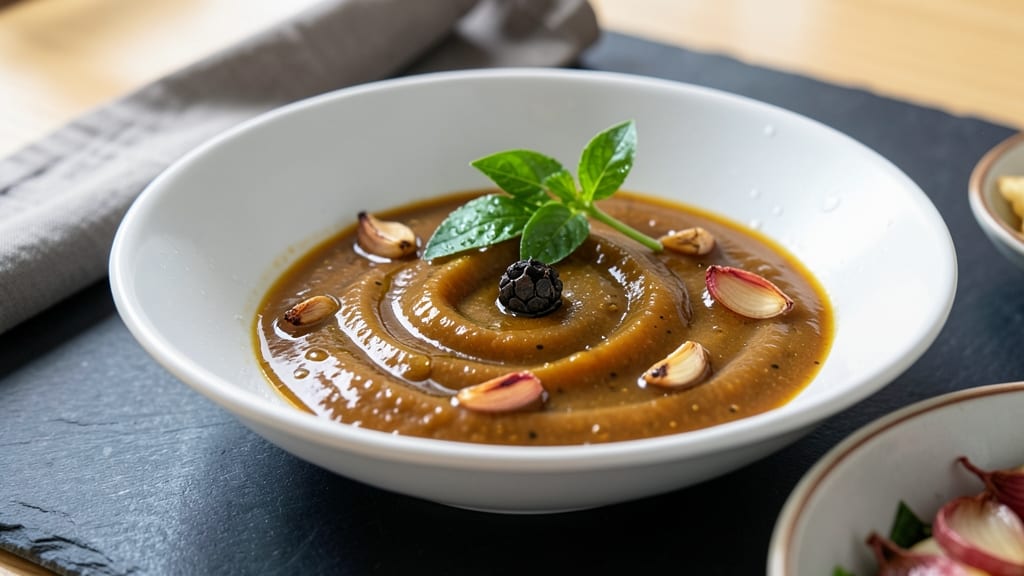
This anchovy fish sauce recipe transforms simple ingredients into a bold, umami-rich condiment that elevates every dish it touches. The process is straightforward yet transformative—salted anchovies steep in water, developing deep, savory complexity over time.
I’ve refined this method to balance traditional techniques with modern convenience, ensuring you get restaurant-quality depth without the wait.
The magic lies in patience and precision: anchovies dissolve slowly, releasing their briny, fishy essence into the liquid, while a touch of sugar and garlic (optional) adds layers of flavor. This sauce becomes the backbone of stir-fries, marinades, and dipping sauces, turning ordinary meals into something extraordinary.
The result is a liquid gold that’s versatile enough for both bold and delicate dishes.
What makes this recipe stand out is its adaptability—use it as-is for classic umami punch or customize with chili flakes, lime zest, or soy sauce for regional twists. Properly stored, it keeps for months, making it a pantry staple worth its weight in flavor.
Whether you’re a home cook or a seasoned chef, this sauce will become your secret weapon.
Ready to unlock that deep, salty-sweet umami? The process is simple, but the payoff is undeniable. Let’s get started with a sauce that will change the way you cook forever.
Ingredients for anchovy fish sauce
Nine ingredients transform into a restaurant-quality umami base perfect for stir-fries and dipping sauces.
| Ingredient | Amount | Notes |
|---|---|---|
| Salted Anchovy Fillets 🐟 | ½ cup | High-quality, packed in salt |
| Filtered Water 💧 | 1 cup | Room temperature preferred |
| Granulated Sugar 🍯 | 1 tbsp | White or raw cane sugar |
| Garlic Cloves 🧄 | 2 cloves | Optional, minced for depth |
| White Vinegar 🍶 | 1 tbsp | Balances umami acidity |
| Soy Sauce 🥢 | 1 tbsp | Light or dark variety |
| Sea Salt 🧂 | ½ tsp | Diamond Crystal preferred |
| Black Peppercorns 🌶️ | 5 whole | Crushed for subtle heat |
| Red Chili Flakes 🔥 | ½ tsp | Optional, for heat |
| Lime Zest 🍋 | 1 tsp | Brightens the sauce |
Anchovies are the heart of this sauce—high-quality fillets packed in salt yield the deepest flavor. Whole Foods or specialty seafood markets carry the best brands like Triple Nine or 3 Boys, but don't overlook the canned section at Trader Joe's for budget-friendly options. Look for fillets that are firm and uniformly colored; any discoloration or fishy odor means it's past its prime. The sugar isn't just for sweetness—it helps break down the anchovies more efficiently, creating a smoother sauce. If you're feeling adventurous, toast your garlic cloves in olive oil before mincing to deepen their flavor profile.
No anchovies? High-quality fish sauce like Red Boat can substitute at half the amount, though you'll lose some of the salty depth. Skip the garlic? Asafoetida powder at one-eighth teaspoon mimics its savory punch. The vinegar and soy sauce are non-negotiable for balance—substitute with rice vinegar and tamari for a gluten-free version. For heat, adjust chili flakes to taste; store-bought blends often have inconsistent potency. Lime zest can be swapped for lemon zest at the same amount, though lime offers a more complex citrus note. If you're making this for a crowd, scale up the water first—the sauce concentrates as it steeps.
This sauce develops over time, so patience is key. Store it in a clean, airtight glass jar in the refrigerator for up to 3 months—the flavors only intensify with age. For long-term storage, freeze in ice cube trays and transfer to a bag; thaw overnight in the fridge to preserve texture. The sauce thickens as it sits, so stir well before use. A little goes a long way—start with 1 teaspoon per dish and adjust to taste. The umami depth builds with each use, making it a pantry essential that only gets better with time.
Why You'll Love This Recipe
- Five-Ingredient Magic: I swear by this—just anchovies, water, sugar, garlic, and vinegar. That’s it. No fancy gadgets, no hunting for obscure spices. The salted anchovies dissolve right into the simmer, and the garlic? Oh, it caramelizes just enough to give this sauce that deep, savory punch without any extra work.
- Umami Bomb: Honestly, the first time I tasted this, I thought, "Wait, that’s it?" The anchovies bring this intense, salty depth, but the sugar and vinegar balance it so perfectly—bright, tangy, and just sweet enough. It’s the kind of flavor that makes you reach for the bottle again before the meal even starts.
- Pantry Staple Power: This sauce is my secret weapon for lazy nights. Drizzle it over grilled fish, toss it into marinades, or even mix it into mayo for sandwiches. I keep a jar in the fridge because it turns even the simplest dishes into something that feels special—no last-minute grocery runs needed.
- Budget-Friendly Luxury: Between us, anchovies are one of the cheapest ways to add restaurant-quality depth to meals. A small pack goes a long way, and this recipe stretches it even further. Plus, the sugar and vinegar are basics you already have. It’s like getting a fancy sauce for pennies—my wallet thanks me every time.
Step-by-step instructions for anchovy fish sauce
This method transforms simple ingredients into a complex, layered umami sauce perfect for elevating any dish.
Prepare the Anchovy Base
Place the 0.5 cup salted anchovy fillets in a small saucepan and cover with the 1 cup filtered water. Bring to a gentle simmer over medium-low heat for 5-7 minutes, stirring occasionally until the anchovies dissolve completely. You should see a rich, golden liquid forming—this is your flavor foundation. The sauce should be smooth with no visible fish pieces remaining.
If you notice any undissolved bits, strain the mixture through a fine-mesh sieve into a clean bowl. This ensures a silky texture without any gritty texture. The anchovies release their intense umami and saltiness into the water, creating the backbone of your sauce. Don't rush this step—proper dissolution is key to balanced flavor.
Build Flavor with Aromatics and Acidity
Return the strained anchovy mixture to the saucepan and add the 2 cloves minced garlic cloves, 1 tbsp white vinegar, and 1 tbsp soy sauce. Bring to a gentle boil, then immediately reduce heat to low and let it simmer for 3-4 minutes. You'll notice the aroma intensify as the garlic infuses and the vinegar brightens the umami.
Stir in the 1 tbsp granulated sugar and 0.5 tsp sea salt, allowing everything to meld together. The sugar balances the saltiness while the vinegar prevents the sauce from becoming too heavy. Taste the mixture now—it should be deeply savory with a touch of acidity. If it needs more complexity, this is the moment to adjust before adding delicate ingredients.
Add Heat and Finish with Lime
Remove the saucepan from heat and stir in the 5 whole crushed black peppercorns and 0.5 tsp red chili flakes. Let the mixture steep off the heat for 2-3 minutes—this allows the spices to infuse without burning. The peppercorns add subtle warmth while the chili flakes introduce a gentle heat that won't overpower the delicate anchovy flavor.
Finally, fold in the 1 tsp lime zest using a small whisk or fork. The citrus brightens the sauce and prevents it from becoming too heavy. The zest should dissolve completely, leaving you with a vibrant, aromatic sauce that's ready to use. If you prefer a smoother texture, strain through a fine-mesh sieve one last time before serving.
Rest and Adjust for Perfect Balance
Let the sauce rest at room temperature for 10-15 minutes before using. This resting period allows all the flavors to fully integrate, resulting in a more cohesive taste profile. Taste again after resting—you may find the acidity or saltiness needs slight adjustment. If needed, add a pinch more salt or a splash of vinegar to achieve perfect balance.
The finished sauce should coat the back of a spoon with a glossy sheen and deliver layers of umami, acidity, and subtle heat. Use it immediately to enhance stir-fries, dipping sauces, or marinades, or store it in an airtight container in the refrigerator for up to 5 days. This versatile sauce transforms simple dishes into restaurant-quality creations with minimal effort.
Pro Tips For Making Anchovy Fish Sauce
- Rinse Anchovies First: Salted anchovies are packed with salt—if you skip rinsing, your sauce will taste like a salt lick. Give them a quick 10-second rinse under cold water before chopping, then drain well. (Yes, even if the package says "ready to use." I learned this after making a sauce so salty I had to dilute half the batch.)
- Simmer Slow and Low: This isn’t a race. After adding vinegar and sugar, keep the heat at a gentle simmer—no boiling. High heat turns the sauce cloudy and dulls the anchovy flavor. Think "barely bubbling," not "rolling boil." I used to rush it and wondered why my sauce never tasted bright.
- Crush Garlic, Don’t Mince: A garlic press or the flat side of your knife works better than mincing for this sauce. Crushed garlic dissolves evenly and infuses the liquid without leaving gritty bits. (And no, you don’t need to remove the skin—just press it right through.)
- Strain Twice for Clarity: After simmering, strain through a fine-mesh sieve twice—first to catch big bits, then a second time with cheesecloth for a silky finish. Lazy? Fine, but the first batch I skipped this had texture issues. The second batch? Smooth as silk. (Your patience pays off.)
Serving suggestions for leftovers
Stir-Fry Elevator
Use this sauce as a glaze for stir-fries—just 1-2 teaspoons per dish. Toss it with garlic, ginger, and chili before adding your protein (think shrimp, chicken, or tofu) for a bold, sticky finish. I love pairing it with sliced bell peppers and snap peas for a quick weeknight meal.
The anchovy depth cuts through the natural sweetness of vegetables while adding a salty umami kick that keeps everyone reaching for seconds. 🔥
Dipping Sauce Powerhouse
Thin the sauce with 2-3 tablespoons of water and serve it alongside spring rolls, dumplings, or fried calamari. For extra richness, stir in 1 teaspoon of sesame oil right before serving.
The balance of sweet, salty, and spicy makes it irresistible—perfect for game day or appetizer spread. I often double the recipe when hosting to ensure no one goes without. 🍢
Marinade Magic
Combine 3 tablespoons of sauce with 2 tablespoons of olive oil and 1 tablespoon of honey to create a restaurant-quality marinade for grilled fish or shrimp. Let it sit for at least 30 minutes (or overnight for deeper flavor).
The umami from the anchovies penetrates the protein, while the honey caramelizes beautifully on the grill. This is my go-to for summer BBQs—it transforms simple seafood into a showstopper. ✨
Pasta Perfection
Toss ½ cup of cooked pasta with 1 tablespoon of sauce, 1 teaspoon of butter, and a handful of fresh parsley. The anchovy sauce adds depth without overpowering, making it ideal for linguine or spaghetti.
For a creamy twist, stir in 1 tablespoon of heavy cream at the end. This sauce works wonders in cold pasta salads too—just add it fresh before serving. 🍝
Soup and Stew Booster
Add 1-2 teaspoons to tomato-based soups, pho, or ramen for an instant umami upgrade. The sauce blends seamlessly, enhancing the broth without altering its natural flavors. I often use it in quick miso soups—just stir it in during the last 2 minutes of cooking to preserve its brightness.
For hearty stews, reduce the sauce slightly before adding to intensify its flavor. 🥘
Cocktail Twist
Drop ½ teaspoon into your martinis, Old Fashioneds, or even a bloody mary for a savory depth that elevates classic drinks. The anchovy notes complement citrus and herbs beautifully, making it a hidden gem for mixologists.
I’ve even used it in spicy margaritas—the heat balances the umami perfectly. Just a warning: start small, as it’s potent! 🍹
Nutrition facts
Frequently asked questions
Can I make this anchovy sauce without garlic?
While garlic adds depth, you can skip it entirely or substitute ½ teaspoon asafoetida powder for a similar savory note. The sauce will still deliver rich umami from the anchovies and soy sauce. For a different flavor profile, try adding ½ teaspoon smoked paprika instead—it adds warmth without garlic's sharpness.
How do I know when the anchovies are fully dissolved?
The anchovies are ready when the mixture becomes a smooth, golden liquid with no visible fish pieces. Stir occasionally during the 5-7 minute simmer—if you see any undissolved bits, strain through a fine-mesh sieve. The sauce should coat the back of a spoon without any grit.
Can I use canned anchovies instead of salted fillets?
Yes, but adjust the salt. Canned anchovies in oil or water are fine, but reduce the added sea salt to ¼ teaspoon since canned versions already contain salt. Drain them well first to avoid excess oil. The texture may be slightly smoother, but the flavor will still be bold and umami-rich.
Why does my sauce smell too fishy?
Overly fishy flavor usually means the anchovies weren't fully dissolved or the sauce needs balancing. Strain again to ensure no bits remain, then adjust with ½ teaspoon more sugar or ½ teaspoon vinegar to brighten the flavor. If the smell persists, add 1 extra clove minced garlic or ½ teaspoon soy sauce to round out the profile.
How long can I store this sauce?
Store in an airtight glass jar in the fridge for up to 3 months—the flavors actually improve over time! For longer storage, freeze in ice cube trays, then transfer to a bag. Thaw overnight in the fridge before use. The sauce may thicken slightly when refrigerated, so stir well before using.