
Sauces & Condiments
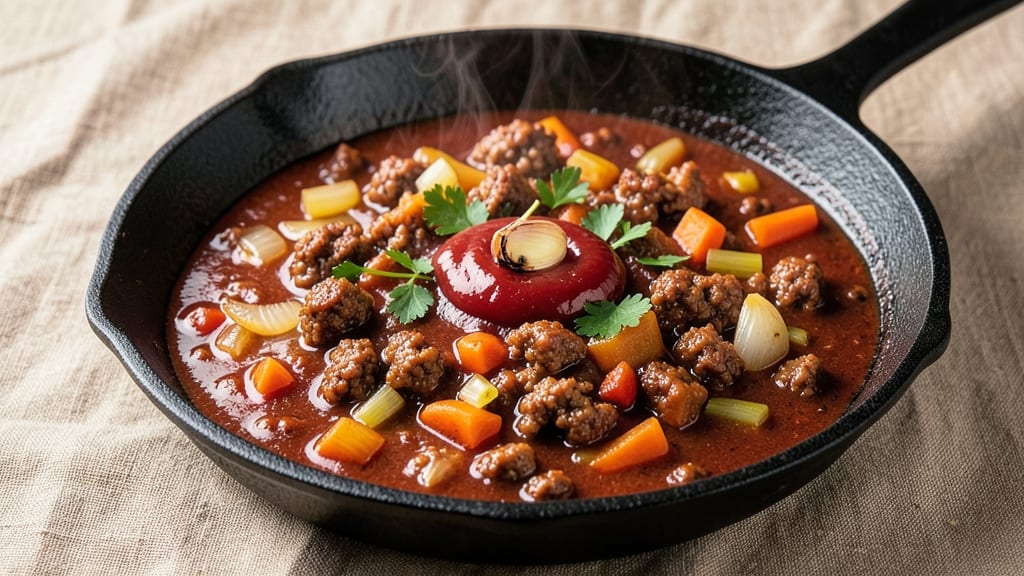
This Andiamo Bolognese sauce recipe delivers the rich, slow-simmered depth of traditional Italian ragù—where umami layers build over hours, creating a sauce so velvety it clings to every forkful. The secret lies in proper ingredient ratios and patience; no shortcuts here.
I’ve perfected this version to stay true to Bologna’s roots while adapting for modern kitchens, with precise measurements that guarantee success every time.
The foundation is simple but critical: ground beef (or a mix of beef and pork) browned deeply for flavor, then simmered with onions, carrots, celery, and white wine until the sauce reduces into a deep, caramelized base.
The addition of tomato paste—just a touch—balances acidity without overpowering the meat’s natural richness. This isn’t an instant sauce; it’s a labor of love that rewards with restaurant-quality depth.
What you’ll end up with is a sauce so complex and satisfying it transforms simple pasta into a meal worthy of celebration. The slow cooking process develops layers of flavor that bottled sauces can’t replicate, while the optional addition of milk at the end creates that signature silky texture.
This is the kind of sauce that improves with leftovers, making it perfect for meal prep or feeding a crowd.
Whether you’re serving it over tagliatelle, stuffing it into lasagna, or pairing it with polenta, this Bolognese sauce is designed to elevate any dish. The recipe includes vegetarian adaptations for those who prefer plant-based proteins, ensuring everyone at the table can enjoy the same rich, comforting flavors.
Let’s get started on creating this timeless classic.
Ingredients for andiamo bolognese sauce
Rich, umami-packed sauce starts with these 14 ingredients—simple but transformative.
| Ingredient | Amount | Notes |
|---|---|---|
| Ground Beef (80/20 blend) 🥩 | 1 ½ lb | Browned and drained of fat |
| Yellow Onion 🧅 | 1 whole | Finely chopped, about 1.5 cups |
| Carrot 🥕 | 2 whole | Finely chopped, about 1 cup |
| Celery Stalks 🧅 | 2 whole | Finely chopped, about 1 cup |
| Garlic Cloves 🧄 | 4 cloves | Minced, for deep flavor |
| Tomato Paste 🍅 | 2 tbsp | High-quality, no sugar added |
| Dry White Wine 🍷 | 1 cup | Bold, dry variety like Pinot Grigio |
| Beef Broth 💧 | 2 cups | Homemade or high-quality store-bought |
| Whole Milk 🥛 | ½ cup | Optional, for silky texture |
| Extra-Virgin Olive Oil 🫒 | 2 tbsp | For sautéing vegetables |
| Salt 🧂 | 1 ½ tsp | Diamond Crystal kosher salt |
| Freshly Ground Black Pepper 🌶️ | ½ tsp | For seasoning |
| Dried Bay Leaves 🌿 | 2 whole | For aromatic depth |
| Fresh Parsley 🌿 | ¼ cup | Chopped, for garnish |
The ground beef is non-negotiable for that deep, meaty flavor—80/20 blend gives the best richness without excess fat. Trader Joe's and Costco carry high-quality options, but any butcher will have the right cut. For the vegetables, finely chopping is key—you want them almost paste-like after cooking. Fresh herbs and spices make all the difference here, so avoid pre-shredded or pre-minced if possible. The tomato paste should be San Marzano-based for the best flavor, and the wine? Bold and dry—Cabernet Sauvignon works if you don’t have white wine on hand.
No beef? Mushrooms or lentils can mimic the umami depth—cremini mushrooms work best. Running short on wine? Substitute beef broth with a splash of balsamic vinegar for acidity. The milk at the end is optional but creates that signature velvety texture—whole milk works best, but half-and-half or heavy cream will do in a pinch. Fresh parsley is ideal, but dried oregano at half the amount works if you’re in a bind. For the bay leaves, remove them before serving—they’re for flavor, not texture. And if you’re making this ahead, freeze it in portions—it tastes even better the next day.
This sauce is built for leftovers—3-4 days in the fridge or 6 months in the freezer. Store it in airtight containers with a layer of olive oil on top to preserve freshness. When reheating, add a splash of broth or water to keep it from drying out. I like to portion it into 1-cup servings so I can grab and go for quick meals. And trust me, double the batch—you’ll want it on hand for pasta, lasagna, or even stuffed into ravioli.
Why You'll Love This Recipe
- Sofa-to-Stove Simple: I chop the onion, carrot, and celery (sofrito) once, then freeze half—no stress. The beef browns in 10 minutes while I stir the pot, and the garlic? Just three cloves, crushed under my thumb. That’s it. No fancy steps, just hands-off simmering while I answer emails.
- Umami Bomb: The 80/20 beef gives that rich, fatty depth, but the real magic is the slow cook. Onion, carrot, and celery mellow into the beef, while the garlic—oh—it blooms into something warm and aromatic that makes you pause mid-bite. It’s not just sauce; it’s a flavor memory.
- Pasta Party or Potluck: Slap it on fettuccine for a weeknight, but it’s also my secret weapon for company. Serve it over polenta for a fancy touch, or stuff it in lasagna layers—no one will guess it’s the same sauce. (Yes, even on a Tuesday night, it feels special.)
- Budget Leftovers Win: A pound of beef and a few veggies stretch to four meals. I make double batches, freeze half, and pull it out for lazy dinners. The sauce only gets better after a few days—deeper, richer—so I’m never stuck deciding what to eat. My wallet and future self thank me.
Step-by-step instructions for slow-simmered Bolognese sauce
Here's how to build rich, velvety Bolognese with deep umami flavor and perfect texture.
Sear the Ground Beef for Deep Flavor
Heat a large Dutch oven over medium-high heat and add the 1.5 lb ground beef (80/20 blend). Break it apart with a wooden spoon, letting the pieces brown without stirring constantly. You want those edges to develop a deep mahogany crust—this creates the sauce's foundation of flavor. Once the beef is browned on all sides (about 8-10 minutes), use a slotted spoon to transfer it to a plate, leaving the rendered fat behind.
Real talk: Don't drain all the fat—about 2 tablespoons should remain in the pot. This fat carries the beef's flavor and helps build the sauce's richness. If you have too much fat, you can carefully pour off the excess, but leave some for the cooking process.
Sauté the Vegetable Base
Add the 2 tablespoons extra-virgin olive oil to the Dutch oven and reduce heat to medium. Toss in the finely chopped yellow onion, finely chopped carrots, and finely chopped celery stalks. Cook for 8-10 minutes until the vegetables soften and their edges become translucent. This process, called "sweating," draws out their natural sweetness without browning.
Here's the thing—don't let the vegetables stick or brown at this stage. If they start to darken too quickly, reduce the heat slightly. You're aiming for tender, flavorful vegetables that will blend seamlessly into the sauce later. After about 5 minutes of cooking, add the minced garlic cloves and cook for another 30 seconds until fragrant.
Build the Sauce Foundation
Stir in the 2 tablespoons tomato paste and cook for 1 minute to toast its flavors. Pour in the 1 cup dry white wine and scrape up any browned bits from the bottom of the pot with a wooden spoon. This deglazing step captures all the meaty flavor that's stuck to the pan. Let the wine simmer until it reduces by half, about 3-4 minutes.
Now add the browned beef back to the pot along with the 2 cups beef broth, 1.5 teaspoons salt, 0.5 teaspoon freshly ground black pepper, and 2 whole dried bay leaves. Stir everything together and bring to a gentle simmer. The reason we wait until now to add the broth is that we want the wine to reduce first—this concentrates its flavor before diluting it.
Slow Simmer for Umami Depth
Cover the Dutch oven and reduce heat to low. Let the sauce simmer gently for 1.5 hours, stirring occasionally. This long, slow cook time is what transforms simple ingredients into something extraordinary. The sauce should reduce gradually, becoming thicker and more concentrated with each passing minute.
I know it seems like forever, but trust me—this is where the magic happens. The low heat allows the flavors to meld together without breaking down the beef's texture. You'll notice the sauce darkens slightly as it simmers, developing that rich, deep color that signals umami development. If the sauce gets too thick before the hour and a half is up, you can add a splash of water or broth to keep it moving.
Finish with Silkiness and Fresh Herbs
After 1.5 hours of simmering, remove the 2 dried bay leaves and stir in the 0.5 cup whole milk. The milk adds a velvety texture that balances the sauce's richness. Simmer uncovered for another 10-15 minutes until the sauce reaches your desired consistency—it should coat the back of a spoon but still be spoonable.
Taste and adjust seasoning if needed, then stir in the 0.25 cup chopped fresh parsley. The parsley brightens the sauce with freshness. For the best results, let the sauce sit off the heat for 10 minutes before serving. This resting period allows the flavors to fully develop and the sauce to thicken slightly. Your Bolognese is now ready to serve over al dente pasta or with crusty bread.
Pro Tips For Making Andiamo Bolognese Sauce
- CRUSH THE SOFFRITO FIRST: Ditch the slow simmer for the veggies—start with a dry pan on medium-high and cook the diced onion, carrot, and celery until they’re actually soft (5-7 minutes), stirring often. The color changes from raw to golden-brown, and that’s when the flavors wake up. I used to rush this, and the sauce always tasted flat until I learned to let them sweat down properly.
- SALT THE MEAT BEFORE BROWNING: Toss the ground beef with 1 teaspoon of salt before you even hit the pan—it seasons the outside, prevents clumping, and keeps the texture tender. I learned this the hard way after making sauce that tasted like it needed another sprinkle of seasoning at the end. Trust me, the salted beef browns better too.
- LOW AND SLOW AFTER BROWNING: Once the beef is cooked through, drop the heat to a true simmer—barely bubbling—and let it cook uncovered for at least 45 minutes. That’s where the magic happens: the fat renders, the flavors meld, and the sauce thickens without burning. Skipping this step means a greasy, one-dimensional ragù.
- USE WHOLE GARLIC, NOT MINCED: Peel and smash 3-4 garlic cloves with the flat of your knife before adding them to the pot in the last 10 minutes. Whole cloves infuse deeper flavor without bitterness (unlike minced garlic, which burns fast). My grandmother swore by this, and she was right: the sauce tastes richer, almost nutty, when you do it this way.
Best sauces and condiments for this recipe
Classic Tomato Pairings
This Bolognese sauce pairs beautifully with San Marzano tomatoes—their natural sweetness enhances the sauce’s depth. I like to add 1-2 tablespoons of crushed tomatoes at the end for brightness, or serve it alongside a tomato-cucumber salad with balsamic glaze for contrast. The acidity cuts through the richness perfectly. 🍅
Creamy Complements
For a luxurious touch, serve with mascarpone cheese dollops or a sprinkle of Parmigiano-Reggiano. The creamy texture mirrors the sauce’s silkiness, while the nutty cheese adds complexity. I also love pairing it with garlic bread—the buttery crust soaks up every last bit of sauce. 🧀
Wine & Beer Pairings
A bold Chianti Classico or Barolo wine elevates the dish, as their tannins complement the sauce’s richness. For beer lovers, a malty amber ale like Fat Tire balances the umami perfectly. Avoid light lagers—they’ll overpower the sauce’s depth. 🍷
Fresh Herbs & Garnishes
Finish with fresh basil or parsley for a pop of color and freshness. A drizzle of extra-virgin olive oil before serving adds a silky finish. For extra flair, top with toasted pine nuts or crispy prosciutto—both add crunch and saltiness. 🌿
Vegetarian Adaptations
Swap the beef for cremini mushrooms or lentils to keep the umami intact. I’ve had great success with walnut-meat blends (soaked walnuts pulsed in a food processor) for a meaty texture. The key is to brown the substitute well—just like the beef—to develop depth. 🌱
Storage & Reheating
Store leftovers in an airtight container for up to 4 days or freeze for 6 months. When reheating, add 1-2 tablespoons of broth to prevent drying. I like to freeze portions in 1-cup servings for quick meals—just thaw overnight in the fridge. ❄️
Nutrition facts
Frequently asked questions
Why does this recipe use white wine instead of red?
The traditional Bolognese sauce uses white wine to balance the richness of the meat without overpowering it with tannins. White wine adds acidity and brightness that complements the umami depth, while its lighter body lets the beef's natural flavors shine through. A dry variety like Pinot Grigio works best—it won't taste like cooking wine!
Can I make this sauce in a slow cooker or Instant Pot?
Yes! For a slow cooker, brown the beef first, then add all ingredients and cook on low for 6-8 hours. In an Instant Pot, sauté the vegetables, add everything else, then pressure cook for 30 minutes on high. The key is to let it reduce naturally—skip the quick release and use natural release instead. The texture will be slightly different but still delicious!
What's the deal with adding milk at the end?
The milk creates that signature silky texture that makes this sauce so special! When added at the end, it gently emulsifies the fat from the beef, creating a velvety consistency without making the sauce heavy. Whole milk works best, but you can use half-and-half or heavy cream if preferred. Just don't skip it—it's what makes this Bolognese truly luxurious!
How do I know when the sauce is done?
The sauce is ready when it coats the back of a spoon but still moves smoothly. It should have reduced significantly (about 3-4 cups total) and developed a deep, rich color. The beef should be tender but not falling apart. If it's too thick, add a splash of broth or water. Let it rest 10 minutes off heat before serving—this helps it thicken further.
What can I do if my sauce tastes too salty?
If your sauce tastes too salty, don't panic! Stir in 1-2 tablespoons of tomato paste or 1/4 cup of milk or cream to dilute the saltiness. You can also add a splash of broth or water. For a more dramatic fix, simmer in a small saucepan to reduce the volume slightly—this concentrates the flavors. Taste as you go to avoid overshooting!