
Sauces & Condiments
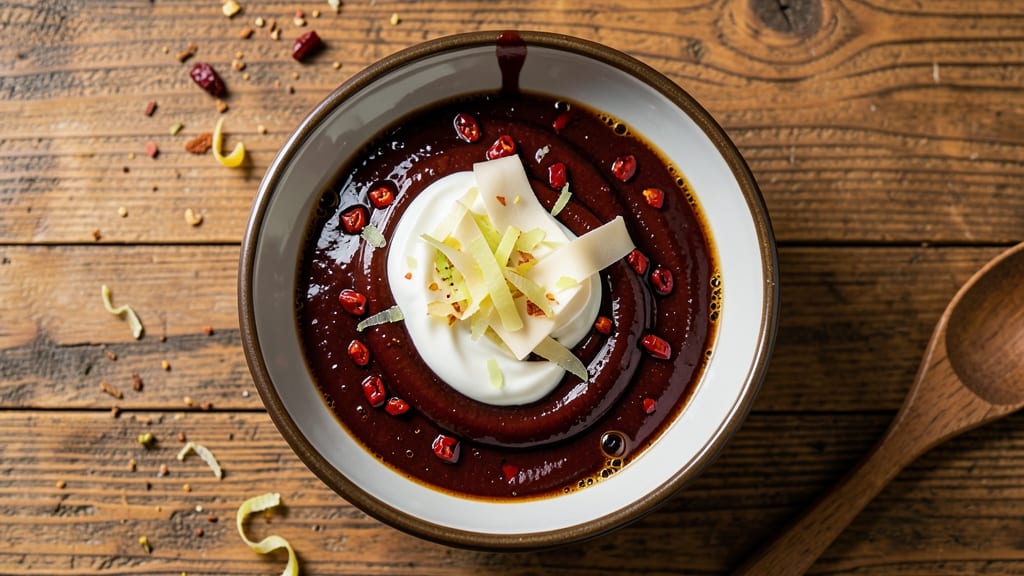
Ankake sauce transforms ordinary dishes into something extraordinary with its rich, umami depth and perfect balance of sweet and savory. This traditional Japanese sauce, often used for dipping or glazing, is surprisingly simple to make at home—just a few pantry staples and a little patience. The key lies in simmering soy sauce, mirin, and sugar until it reaches that ideal silky consistency, where every drop carries layers of flavor.
The beauty of ankake sauce is its versatility—it elevates tempura, grilled fish, or even a simple bowl of rice with its glossy sheen and complex taste. What sets this version apart is the optional addition of grated ginger or garlic, which adds warmth and depth without overpowering.
Once reduced to perfection, the sauce develops a velvety texture that clings beautifully to food, making every bite more satisfying.
What you’ll end up with is a smooth, aromatic sauce that’s ready to enhance your favorite dishes or store for future use. The process is straightforward: combine ingredients, simmer gently, and let the flavors meld together.
Whether you’re dipping, glazing, or marinating, this sauce will bring a restaurant-quality touch to your home cooking.
Use it immediately for tempura night or store it in the fridge for up to a month—this sauce keeps getting better as it sits. Here’s how to make it perfectly every time.
Ingredients for ankake sauce
Six core ingredients plus optional crunch. Creamy, smoky, and perfectly balanced.
| Ingredient | Amount | Notes |
|---|---|---|
| Heavy Cream 🥛 | 1 cup | Full-fat for best texture |
| Chipotle Peppers in Adobo 🌶️ | 2 whole | Chopped, seeds removed |
| Granulated Sugar 🍚 | ¼ cup | White or brown preferred |
| Soy Sauce 🍶 | ¼ cup | Light or dark variety |
| Mirin 🍶 | ¼ cup | Sweet cooking wine |
| Fresh Ginger 🧄 | 1 tbsp | Finely grated, optional |
| Celery Sticks 🥬 | ½ cup | Thinly sliced, for crunch |
| Salt 🧂 | ½ tsp | Kosher or sea salt |
| Black Pepper 🌶️ | ¼ tsp | Freshly ground preferred |
| Lemon Juice 🍋 | 1 tbsp | Freshly squeezed |
The heavy cream is non-negotiable here—it's what gives ankake its signature velvety texture. Full-fat works best (none of that light stuff), and I always grab Trader Joe's brand because it's rich but not overly heavy. Chipotle peppers in adobo are a game-changer—they bring that smoky depth without overpowering. Look for brand-name canned peppers (like Goya) at any grocery store, and always remove the seeds for a milder flavor. The ginger? Fresh is ideal, but if you're in a pinch, powdered works at half the amount. Just don't skip it—it ties everything together.
No mirin? Dry sherry plus 1 tsp sugar gets you close. Soy sauce can be swapped for coconut aminos if you're avoiding gluten. The celery topping is where things get fun—thinly sliced sticks add that satisfying crunch. Celery seed powder is a decent backup, but it won't give the same texture. Sugar can be adjusted to taste—this sauce is meant to be balanced, not sweet. And if you're feeling adventurous, a dash of fish sauce (just 1/4 tsp) adds umami magic. Trust me on that one.
This sauce gets better with time—let it sit in the fridge for at least 2 hours before serving so flavors meld. Keeps for up to 2 weeks in an airtight jar, and freezes beautifully for 3 months. I like to make a double batch—one for immediate use, one to stash. The celery topping stays crisp if you add it just before serving, but if you want to prep ahead, toss it with a tiny bit of lemon juice to keep it fresh.
Why You'll Love This Recipe
- Five-Ingredient Magic: I swear by this—just cream, chipotle, sugar, soy, and mirin. That’s it. No chopping, no straining, no fuss. The sauce practically makes itself while you stir.
- Smoky-Sweet Obsession: Between us, the chipotle in adobo gives this sauce a slow-cooked depth that’s ridiculously addictive. That smoky heat balanced with sugar and mirin? It’s the kind of flavor that lingers—and makes you want to drizzle it everywhere.
- Weeknight Superstar: This sauce turns bland proteins into showstoppers in 10 minutes flat. Toss it on grilled chicken, stir into rice, or pour over noodles—it’s my go-to when I’m too tired to think but still crave something special.
- Leftovers That Don’t Suck: Unlike sauces that separate or turn watery, this one stays luscious in the fridge for days. I’ve reheated it for tacos, stir-fries, and even scrambled eggs—no one ever guesses it’s been sitting there for a week.
Step-by-step instructions for ankake sauce
Here's how to create this velvety chipotle cream sauce with a crisp celery garnish—perfect for tacos or dipping.
Prepare the Chipotle Base
Combine the 2 whole Chipotle Peppers in Adobo (chopped and seeds removed) with the 0.25 cup Granulated Sugar and 0.25 cup Soy Sauce in a small bowl. Let this mixture sit for 5 minutes while you prep the remaining ingredients. The sugar helps balance the smoky heat, while the soy sauce adds depth that'll shine through in the final sauce.
I like to use a fork to mash the chipotles slightly—this releases more of their natural oils and creates a smoother texture in the sauce. If you're sensitive to heat, reduce the chipotles to just 1 pepper for a milder version. This step is where all the smoky, spicy character gets infused into the base flavors.
Build the Creamy Foundation
In a medium saucepan, warm the 1 cup Heavy Cream over medium-low heat until it just begins to steam—about 3-4 minutes. You're not trying to boil it yet, just bring it to a gentle simmer. This gentle warming helps prevent the cream from curdling when you add the chipotle mixture later.
Add the chipotle-sugar-soy sauce mixture to the warm cream and stir continuously for 2-3 minutes until everything is fully combined and the sugar has mostly dissolved. The sauce should start to thicken slightly as it heats. If you notice any curdling at this stage, immediately reduce the heat to low and stir gently until it smooths out.
Add Aromatics and Balance Flavors
Pour in the 0.25 cup Mirin and 1 tbsp Fresh Ginger, then add the 0.5 tsp Salt and 0.25 tsp Black Pepper. Increase the heat to medium and let the mixture simmer gently for 5-6 minutes, stirring occasionally. You'll notice the sauce becoming thicker and more cohesive as the flavors meld together.
Here's where the magic happens: the mirin adds sweetness that balances the smoky chipotle, while the ginger brings a bright, zesty note. The pepper and salt work together to round out all the flavors. Taste the sauce at this point—it should be rich, slightly sweet, and properly spicy. If it needs more balance, add 1 tbsp Lemon Juice now for a bright finish.
Prepare the Celery Topping
While the sauce simmers, thinly slice the 0.5 cup Celery Sticks into matchstick-sized pieces. Toss them with 1 tsp Lemon Juice and set aside. The acid helps soften the celery slightly while keeping it crisp enough to provide that satisfying crunch when served.
For best results, use celery that's fresh and crisp—older celery tends to get soggy when combined with the sauce. I like to slice it just before serving so it maintains its texture. If you're making this ahead of time, keep the celery and sauce separate until ready to serve.
Finish and Serve
Remove the sauce from heat and let it cool slightly for 5 minutes. The sauce will continue to thicken as it cools, so don't worry if it looks a bit thin while warm. If it's too thick for your preference, thin it with 1-2 tablespoons of warm water or reserved cooking liquid from whatever you're serving it with.
To serve, spoon the warm ankake sauce over your dish of choice—tacos, grilled meats, or even as a dipping sauce. Top each serving with the celery topping just before eating to maintain that perfect crunch contrast. The sauce keeps well in the refrigerator for 3-4 days, though it tastes best fresh when all the flavors are at their peak.
Pro Tips For Making Ankake Sauce
- STRAIN THE ADOBO SAUCE: Chipotle peppers in adobo come swimming in a thick, smoky sauce that’ll turn your sauce grainy if you don’t filter it. Pour the peppers into a fine-mesh sieve, press them with the back of a spoon, then discard the sludge—only the peppers go in. (Yes, even if the jar looks mostly empty after.)
- WARM THE CREAM FIRST: Cold heavy cream curdles when hit with hot chipotle oil—trust me, I’ve made the mess. Heat the cream in a separate saucepan until it’s just warm to the touch (think bathwater, not scalding), then whisk it into the sauce last. The sauce will thicken like magic without breaking.
- SALT THE SOY SAUCE: Store-bought soy sauce is already salty, and adding unsalted soy sauce to this recipe will make your sauce taste flat. Taste the soy sauce first—if it’s bitter or sharp, add a pinch of salt before measuring. (I learned this after three batches that tasted like they needed more sugar but didn’t.)
- WHISK CONSTANTLY AT FIRST: The moment you combine sugar, soy sauce, and mirin with the cream, the sauce will look like it’s fighting you—it’ll separate or turn lumpy. Don’t walk away. Whisk like you’re trying to win a bet, especially in the first 30 seconds, until it smooths out. (I know, I know—you’ve got other things to do, but this is the thing that matters most.)
Essential equipment for ankake sauce
Saucepan Essentials
Start with a medium saucepan that has a flat bottom—this prevents hot spots that can cause curdling in your cream. I recommend a stainless steel pan like All-Clad or Cuisinart for even heat distribution. If you're on a budget, a heavy-bottomed stainless steel pan from Amazon Basics works perfectly.
Avoid nonstick pans for this recipe—they can't handle the simmering time well and may release harmful fumes at high temps.
Immersion Blender
An immersion blender is your secret weapon for silky-smooth ankake sauce. After simmering, use it to blend the sauce directly in the pan for 10-15 seconds—this eliminates any lumps and creates that restaurant-quality velvety texture.
My go-to is the Ninja Foodi Immersion Blender because it handles hot liquids safely and has powerful motor. If you don't have one, a regular blender works, but you'll need to transfer the sauce to a heatproof container first.
Fine-Mesh Strainer
A fine-mesh strainer helps remove any unwanted bits from your chipotle peppers while keeping the flavorful oils. I use a stainless steel mesh strainer from OXO—it's durable and won't absorb flavors.
For the celery topping, a mandoline slicer with a thin-slice attachment ensures uniform matchsticks. The Julienne Slicer by OXO is my favorite for this crisp topping.
Thermometer
While not strictly necessary, a candy or instant-read thermometer helps you monitor the sauce's temperature. The ideal simmer range is 180-190°F—this ensures the cream doesn't curdle while still reducing properly.
I love the Thermoworks Thermapen ONE for its accuracy. If you're skipping this, just watch for gentle bubbling—no vigorous boiling!
Measuring Tools
Precision matters in ankake sauce. Use a digital kitchen scale for the heavy cream and sugar to ensure accurate measurements. My OXO Good Grips Scale has a 0.1-ounce precision setting.
For liquids, a glass measuring cup with clear markings (like Pyrex) makes it easy to eyeball the mirin and soy sauce. A microplane for the ginger ensures fine, even grating without bitter pulp.
Storage Containers
For storage, use airtight glass jars with wide mouths—Ball Mason Jars are perfect. They preserve flavors better than plastic and allow you to see the sauce's consistency. If you're freezing, silicone molds work great for portion control.
Just leave ½-inch headspace to prevent expansion cracks. Label with the date—this sauce keeps for 3 months in the freezer!
Nutrition facts
Frequently asked questions
What's the difference between ankake sauce and other Japanese dipping sauces like tonkatsu or Worcestershire?
Ankake sauce stands out with its creamy, chipotle-infused base that's richer than tonkatsu (which is lighter and breading-focused) or Worcestershire (which is vinegar-based and tangy). This version blends smoky heat with sweetness from mirin and sugar, creating a velvety texture perfect for glazing or dipping. Tonkatsu is more about crispy breadcrumbs, while Worcestershire is fermented and complex.
Can I make ankake sauce without mirin? What substitutes work best?
Replace mirin with 1/4 cup dry sherry plus 1 tsp sugar for similar sweetness and depth. Other options include white wine + 1 tsp sugar or rice vinegar + 1 tbsp honey. The key is balancing sweetness—the sauce should complement, not overpower, your dish.
How do I adjust the spice level if chipotle is too hot?
Start with just 1 chipotle pepper instead of 2, or remove all seeds and membranes before chopping. For extra mildness, strain the sauce through a fine-mesh sieve to remove most of the pepper bits. If it's still too spicy, stir in 1 tsp more sugar or a splash of lemon juice to balance the heat.
What are the best dishes to use this sauce with?
This ankake sauce shines on grilled meats, tempura, or as a dipping sauce for spring rolls. It also works beautifully drizzled over ramen noodles or as a marinade for tofu or chicken skewers. The celery topping adds a refreshing crunch contrast to any rich dish.
Why did my sauce curdle? How can I fix it?
Curdling happens when cream heats too quickly. To fix it, immediately remove from heat and whisk in 1 tbsp cold water or a splash of heavy cream. For prevention, always warm cream over low heat and stir constantly when adding chipotle. If it's already curdled, strain through a fine-mesh sieve to salvage the flavor.