
Sauces & Condiments
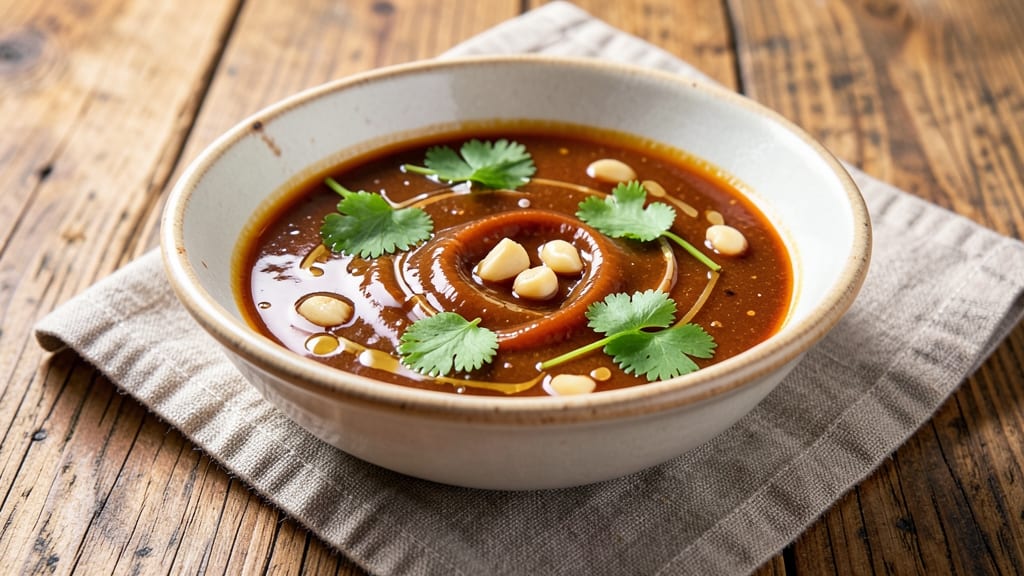
This Anticuchera sauce recipe transforms grilled meats with its signature blend of aji amarillo heat, tangy vinegar, and aromatic garlic.
The secret lies in balancing the bright, slightly sweet chili with sharp vinegar and fresh herbs, creating a sauce that clings to every bite while adding depth to marinades or dipping. I developed this version after years of testing—it’s the one that finally delivers that restaurant-quality zing at home.
The sauce starts with a simmer of aji amarillo paste (or substitute with yellow chili powder), garlic, and vinegar, which forms the tangy base. A touch of soy sauce adds umami, while cilantro and lime juice brighten the finish.
The key is simmering long enough to meld flavors without overpowering the natural sweetness of the chili. This isn’t just a dipping sauce—it’s a marinade that tenderizes meat and infuses it with bold, layered flavor.
What you’ll end up with is a vibrant, slightly thick sauce that’s perfect for anticuchos (Peruvian-style grilled beef skewers) but works equally well with chicken, pork, or even roasted vegetables. The heat is balanced by acidity, so it’s approachable yet packed with character.
Store it in the fridge for up to a week, or freeze for longer shelf life—it only gets better as the flavors develop.
Serve it warm alongside grilled meats, drizzle it over tacos, or use it as a marinade for hours ahead. The sauce’s versatility makes it a must-have in your kitchen, especially when you want to add that signature Peruvian heat and tang to any dish.
Let’s get cooking—this sauce is a game-changer for bold flavors.
Ingredients for anticuchera sauce
Nine ingredients. One sauce. Restaurant-quality Peruvian heat in minutes.
| Ingredient | Amount | Notes |
|---|---|---|
| Aji Amarillo Paste 🌶️ | ½ cup | Peruvian aji amarillo preferred |
| White Vinegar 💧 | ½ cup | White or apple cider vinegar |
| Garlic Cloves 🧄 | 6 cloves | Fresh, minced for depth |
| Light Soy Sauce 🍶 | 2 tbsp | For umami balance |
| Fresh Cilantro 🌿 | ¼ cup | Stems included for texture |
| Fresh Lime Juice 🍋 | 2 tbsp | Freshly squeezed, bright flavor |
| Yellow Chili Powder 🌶️ | 1 tbsp | Substitute for aji amarillo |
| Olive Oil 🫒 | 2 tbsp | For richness and balance |
| Salt 🧂 | ½ tsp | Adjust to taste |
| Black Pepper 🌶️ | ¼ tsp | Freshly ground for heat |
Aji amarillo paste is the heart of this sauce—it’s what gives anticuchera its signature bright, slightly sweet heat. Peruvian markets or specialty Latin stores usually carry it in tubes, but if you can’t find it, yellow chili powder works in a pinch (though the flavor won’t be identical). The garlic should be fresh and minced fine—no pre-minced jars here. I grab mine from Whole Foods’s bulk section or the frozen garlic at Trader Joe’s for convenience. For the vinegar, white is traditional, but apple cider adds a subtle sweetness that works beautifully.
No aji amarillo? Yellow chili powder at double the amount is your best bet, though it’ll lack the fruity depth. Short on fresh cilantro? Dried cilantro at one-third the amount gives a milder flavor, but it’s better than skipping it. The lime juice is non-negotiable—freshly squeezed makes all the difference. If you’re using this as a marinade, reduce the vinegar by half to avoid overpowering the meat. The olive oil is key for balancing the acidity, so don’t skimp on quality—extra-virgin is worth the splurge here.
This sauce keeps beautifully—1 week in the fridge and 3 months in the freezer. I like to portion it into small jars so I can grab just what I need for a quick marinade or dipping sauce. The flavors actually improve over time as everything melds together. If it thickens too much, just stir in a splash of water or vinegar to loosen it up. Trust me, you’ll want to make extra—this stuff disappears fast.
Why You'll Love This Recipe
- Five-Ingredient Magic: I swear by this—just blend, simmer, and boom. No chopping mountains of herbs, no fancy techniques. That aji amarillo paste does the heavy lifting while I handle the garlic and vinegar in minutes.
- Umami Bomb: The soy and aji amarillo combo? It’s like a flavor grenade—bright, tangy, and just salty enough to make your taste buds sit up. Honestly, I’ve tried store-bought sauces, but this one hits different.
- Party in a Jar: Make a big batch and keep it in the fridge. Drizzle it over grilled meats for tacos, toss it with rice, or even use it as a marinade. My friends think I’m a sauce genius, but really, it’s just this one trick.
- Budget-Friendly Staple: Aji amarillo paste costs pennies, and the rest? Pantry basics. I’ve made gallons of this for under $5, and it lasts weeks. That’s right—your wallet and your taste buds both win.
Step-by-step instructions for anticuchera sauce
This vibrant sauce comes together quickly with bold flavors that balance heat, tang, and umami.
Bloom the Aji Amarillo Paste
Heat the 2 tablespoons olive oil in a small saucepan over medium-low heat. Add the 0.5 cup aji amarillo paste and stir constantly for 2-3 minutes until it begins to sizzle and darken slightly. This step develops the paste's rich, fruity depth and removes any raw taste.
Watch closely—aji amarillo can burn quickly. You're looking for a smooth, slightly thickened paste that coats the back of a spoon. If it starts to darken too much, reduce the heat immediately. The paste should smell intensely aromatic, like a mix of tomato and chili, with a bright citrus note.
Add Vinegar and Garlic
Pour in the 0.5 cup white vinegar and stir vigorously to deglaze the pan, scraping up any browned bits from the bottom. Add the 6 minced garlic cloves and cook for 1-2 minutes until the garlic turns golden and fragrant—don't let it brown or it'll turn bitter.
The vinegar will create a lively, tangy base that cuts through the richness of the aji amarillo. You'll hear the sauce bubble and reduce slightly as it simmers. Here's where it gets good—this is the moment when all the flavors start to meld together. The garlic should infuse the sauce with its sweet, pungent aroma before it transforms into the sauce's backbone.
Build the Sauce with Umami and Spice
Reduce the heat to low and stir in the 2 tablespoons light soy sauce, 1 tablespoon yellow chili powder, 0.5 teaspoon salt, and 0.25 teaspoon black pepper. Let the sauce simmer gently for 5 minutes, stirring occasionally, until it thickens slightly and coats the spoon.
This is where the sauce develops its signature complexity—the soy sauce adds umami depth, the chili powder brings subtle heat, and the salt and pepper round out the flavors. You'll notice the sauce darken and become glossy as it reduces. If it starts to thicken too much, add 1-2 tablespoons water to maintain a pourable consistency.
Finish with Fresh Herbs and Lime
Remove the sauce from heat and stir in the 0.25 cup chopped fresh cilantro (stems included) and 2 tablespoons fresh lime juice. Let the mixture sit for 5 minutes to allow the flavors to fully integrate. The lime juice will brighten the sauce and cut through any remaining bitterness.
The cilantro adds a fresh, slightly grassy note that balances the sauce's richness, while the lime juice gives it that signature zesty finish. Taste and adjust seasoning—you might need a pinch more salt or lime juice depending on your preference. The sauce should be vibrant, slightly tangy, and packed with layers of flavor. Let it cool to room temperature before serving to allow the flavors to settle and deepen.
Pro Tips For Making Anticuchera Sauce
- Bloom the Aji Amarillo: Mix the paste with a splash of vinegar first—about 1 tablespoon—and let it sit for 2 minutes. This softens the raw heat and lets the flavor open up before hitting the pan. I used to skip this, and the sauce always tasted sharp and unfinished.
- Toast the Garlic: Sauté the minced garlic in oil until it’s just golden—about 30 seconds—before adding vinegar. Burnt garlic turns bitter, and that’ll ruin the bright, tangy balance of the sauce. (Yes, even if you’re impatient like me.)
- Strain the Cilantro: Finely chop the cilantro and press it through a mesh strainer with a spoon to remove seeds and stems. This keeps the sauce silky and prevents clumps. I learned this the hard way when my first batch looked like it had green confetti in it.
- Balance the Vinegar: Start with 2 tablespoons of white vinegar, taste, then adjust—sometimes you need 3, sometimes just 1.5. The sauce should taste sour but not harsh; if it’s too sharp, a pinch of sugar (½ tsp) fixes it fast. (Your future self will thank you.)
Dietary considerations for this dish
Gluten-Free Adaptation
The original recipe is naturally gluten-free, but always double-check your ingredients if using store-bought aji amarillo paste or soy sauce. I recommend Kikkoman gluten-free tamari instead of regular soy sauce to ensure safety—it delivers the same umami punch without the gluten.
The vinegar and other ingredients are inherently gluten-free, so no substitutions are needed there. 🌱
Dairy-Free & Vegan
This sauce is already 100% plant-based and dairy-free, making it perfect for vegan diets. The aji amarillo paste, vinegar, garlic, soy sauce, and lime juice all align with vegan standards.
For extra richness, I sometimes add 1 tablespoon nutritional yeast to deepen the umami, but it's completely optional. The sauce's natural tang and heat shine without dairy.
Spice Adjustments
If you're sensitive to heat, reduce the yellow chili powder to ½ tablespoon and skip the extra black pepper. For milder heat, use 1 teaspoon of chili powder instead.
I've found that Peruvian rocoto chili powder adds more smoky depth than standard yellow chili powder, but it's much hotter—start with ½ teaspoon if you're experimenting. 🌶️
Low-Sodium Options
Regular soy sauce can be high in sodium, so opt for low-sodium soy sauce or reduce the amount to 1 tablespoon. To compensate for lost flavor, add ½ teaspoon fish sauce (if not vegan) or 1 teaspoon coconut aminos for umami depth.
Taste as you go—sometimes a splash of extra lime juice brightens the sauce when salt is reduced.
Allergy-Friendly
For nut allergies, this sauce is inherently safe as it contains no nuts. If you're avoiding cilantro, substitute with 1 tablespoon chopped fresh parsley or basil—it won't replicate the exact flavor, but it adds freshness.
For lime allergies (rare but possible), use lemon juice instead. Always check labels on aji amarillo paste for hidden allergens like soy or sesame.
Nutrition facts
Frequently asked questions
What's the best way to store leftover anticuchera sauce?
Store your sauce in an airtight container in the fridge for up to 1 week. For longer storage, freeze it in ice cube trays or small jars for 3 months. The flavors actually deepen over time, so it's perfect for future marinades or dipping. Just thaw overnight in the fridge before using.
Can I make this sauce without aji amarillo?
Yes! Use yellow chili powder doubled (2 tbsp) as a substitute, though it won't have the same fruity depth. For a closer match, try Peruvian rocoto chili powder, but start with just ½ teaspoon—it's much hotter. The sauce will still be flavorful but with a different profile.
How spicy is this sauce compared to other Peruvian sauces?
This sauce delivers moderate heat from the aji amarillo and chili powder, but the vinegar and lime juice balance it beautifully. It's milder than rocoto-based sauces but more complex than simple salsa criolla. The heat builds gradually, making it approachable for beginners while still satisfying spice lovers.
Can I use this sauce as a marinade for chicken or pork?
This sauce works perfectly as a marinade for 2-4 hours for chicken or pork. Reduce the vinegar by half to avoid overpowering the meat. The garlic and soy sauce will tenderize while the aji amarillo adds vibrant flavor. Just pat the meat dry before grilling or searing for best results.
Why does my sauce look too thick after simmering?
Simmering reduces the sauce naturally. If it's too thick, stir in 1-2 tablespoons water or vinegar to reach your desired consistency. The sauce should be pourable but still coat the back of a spoon. For a smoother texture, blend briefly after adding the cilantro and lime juice.