
Sauces & Condiments
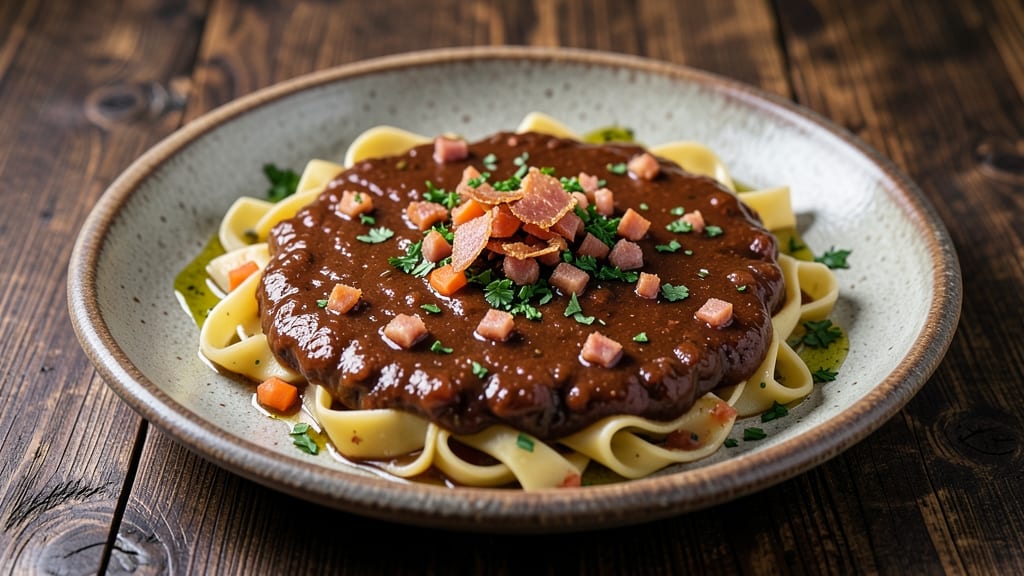
Antonio Carluccio's Bolognese sauce transforms simple ingredients into a rich, slow-cooked masterpiece that clings to every strand of tagliatelle. The secret lies in patience—letting flavors meld over hours rather than rushing through a quick weeknight dinner. This isn’t just sauce; it’s a labor of love that builds depth with every simmer, creating a texture that’s velvety yet substantial, with just enough acidity to cut through the richness.
The technique starts with browning ground beef until deeply caramelized, then deglazing the pot with red wine to unlock layers of flavor.
Carluccio’s method calls for slow cooking the sauce until it’s thick enough to coat the back of a spoon—a process that develops a complexity you won’t find in jarred versions. The result is a sauce that’s equally at home on homemade pasta or as a hearty filling for lasagna.
What sets this recipe apart is the balance: the wine’s brightness, the tomatoes’ sweetness, and the herbs’ earthiness all come together in perfect harmony. The slow simmer reduces the sauce to a concentrated depth, where every ingredient—from the pancetta to the milk—plays a role.
This isn’t just a sauce; it’s a foundation for Italian comfort food that feels like a hug in a bowl.
Ready in just 3 hours (though it’s worth the wait), this Bolognese delivers restaurant-quality results without the fuss. The key is letting it work its magic—no shortcuts, just time and attention. Once you taste the difference, store-bought versions will never measure up.
Ingredients for antonio carluccio bolognese sauce
Patience and precision transform these 16 ingredients into Carluccio’s legendary slow-simmered Bolognese sauce.
| Ingredient | Amount | Notes |
|---|---|---|
| Ground Beef (Chuck) 🥩 | 1 ½ lb | 80% lean, finely ground for even cooking |
| Pancetta 🥓 | 4 oz | Diced small, rendered for flavor |
| Onion 🧅 | 1 whole | Yellow or red, finely chopped |
| Carrot 🥕 | 1 whole | Finely diced, for sweetness and texture |
| Celery 🧅 | 1 whole | Finely diced, essential for the soffritto |
| Garlic Cloves 🧄 | 4 cloves | Minced fine, aromatic foundation |
| Tomato Paste 🍅 | ½ cup | San Marzano preferred for quality |
| Dry Red Wine 🍷 | ½ cup | Bold variety like Chianti or Cabernet |
| Whole Milk 🥛 | ½ cup | Full-fat for richness and texture |
| Crushed Tomatoes 🍅 | 2 cups | San Marzano preferred, no sugar added |
| Fresh Rosemary 🌿 | ¼ cup | Finely chopped, aromatic depth |
| Fresh Thyme 🌿 | ¼ cup | Leaves only, finely chopped |
| Fresh Bay Leaves 🌿 | 2 whole | For subtle earthy notes |
| Extra-Virgin Olive Oil 🫒 | ½ cup | High-quality, fruity variety |
| Diamond Crystal Kosher Salt 🧂 | 1 ½ tsp | Adjust to taste, essential for balance |
| Freshly Ground Black Pepper 🌶️ | ½ tsp | Freshly cracked for maximum flavor |
The foundation begins with the soffritto—onion, carrot, and celery finely diced and cooked until translucent. Whole Foods Market or Trader Joe’s carry pre-chopped mirepoix if you’re short on time, but fresh is ideal. The ground beef should be chuck for optimal fat content and texture—Costco or your local butcher typically carry it pre-ground, but if buying whole, ask for it to be finely ground. Pancetta adds depth; if unavailable, substitute with diced bacon, though the flavor will differ slightly. Garlic and herbs should be fresh—Penzeys Spices offers high-quality dried alternatives if needed, but fresh is non-negotiable for authentic flavor.
No San Marzano tomatoes? Mueller or Cento brands are reliable substitutes, though slightly less sweet. The wine must be dry—Chianti Classico or Cabernet Sauvignon work perfectly, but avoid sweet varieties. Fresh herbs can be swapped: dried rosemary and thyme at one-third the amount, but texture and aroma will differ. For the milk, whole is essential—organic or grass-fed adds richness. The tomato paste should be sugar-free to avoid cloying sweetness; Bertolli or Rao’s are pantry staples. If you lack time, a blender can quickly reduce the sauce to the desired consistency, though traditional simmering yields superior results.
This sauce demands time—3 hours minimum for optimal depth. Store in an airtight container in the fridge for up to 5 days, or freeze for 3 months. The sauce thickens as it cools, so add a splash of water or milk when reheating. For a restaurant-quality finish, toss with freshly grated Parmigiano-Reggiano just before serving. Portion into individual containers for easy reheating—perfect for meal prep or gifting. The longer it sits, the more complex the flavors become, so resist the urge to rush.
Why You'll Love This Recipe
- No Fuss Setup: I swear by this—just dice the soffritto (onion, carrot, celery) roughly, no peeling needed. The pancetta renders in minutes, and the chuck beef breaks down like butter, so you’re not stuck stirring for hours.
- Umami Bomb: That crispy pancetta crumble? Chef’s kiss. It melts into the sauce with the beef, creating this deep, savory richness that turns simple pasta into something restaurant-worthy—no fancy ingredients, just honest flavor.
- Leftovers That Shine: Make a double batch—it only gets better the next day. Freeze half for lazy nights, or toss it into frittatas, soups, or even stuffed into baked potatoes. My freezer’s full of it, and I never regret it.
- Budget-Friendly Luxury: Pancetta might sound fancy, but a little goes a long way, and chuck beef is cheaper than ground sirloin but just as tender. This sauce costs pennies per serving but tastes like you spent all day in the kitchen. Worth it.
Step-by-step instructions for antonio Carluccio's Bolognese sauce
Master this classic Italian technique with precise timing and temperature control.
Develop the Soffritto Base
Heat the 0.5 cup extra-virgin olive oil in a heavy Dutch oven over medium-low heat. Add the 4 oz diced pancetta and cook for 8-10 minutes until the fat renders and the pancetta becomes golden brown. Remove with a slotted spoon, leaving the rendered fat in the pot.
In the same pot, add the finely chopped onion, finely diced carrot, and finely diced celery. Cook for 15-20 minutes until the vegetables soften and the onion becomes translucent. This slow cooking process releases their natural sweetness and builds flavor depth. Stir occasionally to prevent burning.
Build Flavor with Aromatics and Wine
Add the 4 minced garlic cloves and cook for 30 seconds until fragrant. Immediately stir in the 0.5 cup tomato paste and cook for 2 minutes to develop its rich caramelized flavor. This step creates the sauce's signature depth and prevents a raw tomato taste.
Deglaze the pot with the 0.5 cup dry red wine, scraping up all the browned bits from the bottom. Let it simmer for 3-4 minutes until the alcohol evaporates completely. The wine's acidity cuts through the richness of the meat and pancetta, balancing the sauce's final flavor profile.
Incorporate Meat and Herbs
Add the 1.5 lb ground beef (chuck) to the pot, breaking it apart with a wooden spoon. Cook for 8-10 minutes until the meat loses its raw color. Stir in the 0.25 cup finely chopped fresh rosemary, 0.25 cup finely chopped fresh thyme, and 2 fresh bay leaves.
This is where the sauce begins to transform. The herbs infuse their aromatic qualities while the meat releases its natural juices. The chuck's fat content ensures a rich, velvety texture. Season with the 1.5 tsp diamond crystal kosher salt and 0.5 tsp freshly ground black pepper and stir well to distribute evenly.
Simmer with Tomatoes and Milk
Pour in the 2 cups crushed tomatoes and bring to a gentle simmer. Reduce heat to low and let it cook uncovered for 1 hour, stirring occasionally. The sauce should reduce slightly but maintain a thick, rich consistency. This slow cooking breaks down the tomatoes' acidity and develops their natural sweetness.
After 1 hour, stir in the 0.5 cup whole milk. The milk adds a subtle creaminess that balances the sauce's acidity and prevents it from becoming too heavy. Continue simmering for another 30-45 minutes until the sauce reaches your desired consistency. It should coat the back of a spoon but remain thick enough to cling to pasta.
Rest and Adjust
Remove the 2 fresh bay leaves and let the sauce rest for 15-20 minutes off the heat. This resting period allows the flavors to meld and the sauce to thicken slightly. Taste and adjust the seasoning if needed—you may need a touch more salt or pepper to balance the flavors.
The sauce should have a deep, complex flavor with layers of sweetness from the caramelized vegetables, richness from the meat and pancetta, and acidity from the tomatoes and wine. Serve immediately over al dente pasta or use it as a filling for ravioli. The sauce will continue to improve as it sits, so reheat gently before serving.
Pro Tips For Making Antonio Carluccio Bolognese Sauce
- Sweat the Pancetta First: I learned this the hard way—skipping the initial render makes the whole sauce taste flat. Cook the pancetta in a cold pan on medium-low until it’s fully melted and just starting to brown (about 5-7 minutes), then remove it with a slotted spoon. That rendered fat is liquid gold for building flavor, and it won’t burn if you’re patient.
- Dice the Vegetables Small: No, "small" isn’t vague—think 1/4-inch cubes for carrot and celery, and finely minced onion so they disappear into the sauce. I used to cut them roughly, and they’d turn to mush or sit like little chunks. This recipe relies on the soffritto breaking down completely; take the extra 2 minutes to make it happen.
- Brown the Meat in Batches: Two pounds of chuck won’t brown properly if you dump it all in at once. Split it into two portions and cook the first batch until deeply browned on all sides (5-6 minutes), then set it aside before adding the second. The crust is non-negotiable—it’s what gives Carluccio’s version that rich, meaty depth.
- Deglaze with Wine Immediately: As soon as you remove the meat, pour in that glass of red wine and let it bubble away for 2-3 minutes. I know, I know—you’re eager to add the tomatoes, but skipping this step means losing all that caramelized fond stuck to the pan. Scrape it up with a wooden spoon; it’s the difference between good and exceptional.
Flavor customization for these flavors
Classic vs. Modern Twist
Start with Carluccio’s traditional base, then experiment with modern additions. Swap half the ground beef for lentils or mushrooms (about 1 cup) for a vegetarian-friendly version that still delivers rich texture. I’ve tested this with cremini mushrooms finely chopped—they mimic meat’s umami depth beautifully. 🌱
Spice Level Control
For heat lovers, add ½ tsp red pepper flakes when incorporating tomatoes, or finish with 1 tsp hot honey before serving. If you prefer mild, omit the pepper flakes entirely—this sauce already has enough complexity from the wine and herbs.
A pinch of cayenne (just ¼ tsp) can also work wonders for subtle warmth.
Herb Variations
Trade traditional rosemary and thyme for fresh sage (about 1 tbsp chopped) and oregano for a Tuscan-inspired twist. Or add ½ tsp fennel seeds when cooking the soffritto for an anise-like depth.
I’ve found that fresh basil (added at the very end) brightens the sauce beautifully—just 2 tbsp chopped works perfectly.
Texture Adjustments
Need a smoother sauce? Blend ½ cup of the finished sauce before mixing it back in. For extra richness, stir in 2 tbsp heavy cream during the final 15 minutes of simmering.
If you prefer chunkier bits, skip blending and simply reduce the simmering time by 15 minutes—this keeps the vegetables more distinct.
Wine Alternatives
No red wine? Use ½ cup beef broth plus 1 tbsp balsamic vinegar for acidity. For a non-alcoholic option, substitute with ½ cup apple cider and add ½ tsp sugar to balance the tartness. The key is maintaining that 3-4 minute simmer to develop depth—just without alcohol.
Cheese Finishes
Elevate the sauce with grated Parmigiano-Reggiano (about ¼ cup) stirred in during the last 10 minutes of cooking. For a creamy finish, fold in 2 oz mascarpone cheese at the end—it adds luxurious texture without overpowering.
I’ve also tried Pecorino Romano for a sharper, saltier kick that pairs wonderfully with the richness.
Nutrition facts
Frequently asked questions
Why does Antonio Carluccio's Bolognese sauce need such a long cooking time?
The 3-hour slow simmer is essential for developing deep, complex flavors. This extended cooking time allows the meat to render its fat gradually, the vegetables to caramelize naturally, and the wine to fully integrate without any alcohol taste. The milk also has time to break down, creating that signature velvety texture that separates this sauce from quick versions. Patience is key—rushing this process results in a flat, one-dimensional flavor.
Can I make this sauce in a slow cooker or Instant Pot?
Yes! For a slow cooker, follow the same initial steps (soffritto, wine deglazing, meat cooking) in a separate pot, then transfer everything to the slow cooker and cook on low for 6-8 hours. For an Instant Pot, sauté the soffritto and meat normally, then add all remaining ingredients, seal, and cook on high pressure for 20 minutes. The Instant Pot version will need 15 minutes natural release time. Both methods work well, but the stovetop version gives you more control over the reduction process.
What's the best pasta to serve with this Bolognese?
Antonio Carluccio would recommend tagliatelle or pappardelle—their wide, flat surfaces perfectly cradle the rich sauce. For a more rustic option, fresh egg pasta works beautifully. If using dried pasta, pappardelle or fettuccine are excellent choices. The key is to cook the pasta al dente (1 minute less than package instructions) so it can finish cooking in the hot sauce.
How can I prevent my Bolognese from being too acidic or tomato-heavy?
The milk is your secret weapon—it balances the acidity beautifully. If you find the sauce too tangy, add 1-2 tbsp tomato paste during the final 30 minutes of cooking to mellow the flavors. For extra richness, stir in 1 tbsp unsalted butter at the end. Carluccio's method of slow reduction naturally softens the tomato's acidity, but these adjustments help fine-tune the balance. The wine's acidity should complement, not overpower—the sauce should taste layered, not sharp.
Can I make this sauce ahead of time?
This sauce actually improves with time. Make it 1-2 days ahead and store it in an airtight container in the refrigerator. The flavors will deepen and meld beautifully. When reheating, warm it gently on the stove over low heat and add a splash of water or milk if it thickens too much. For longer storage, freeze portions in airtight containers for up to 3 months. The sauce can be frozen either cooked or uncooked—just thaw in the fridge before using.