
Sauces & Condiments
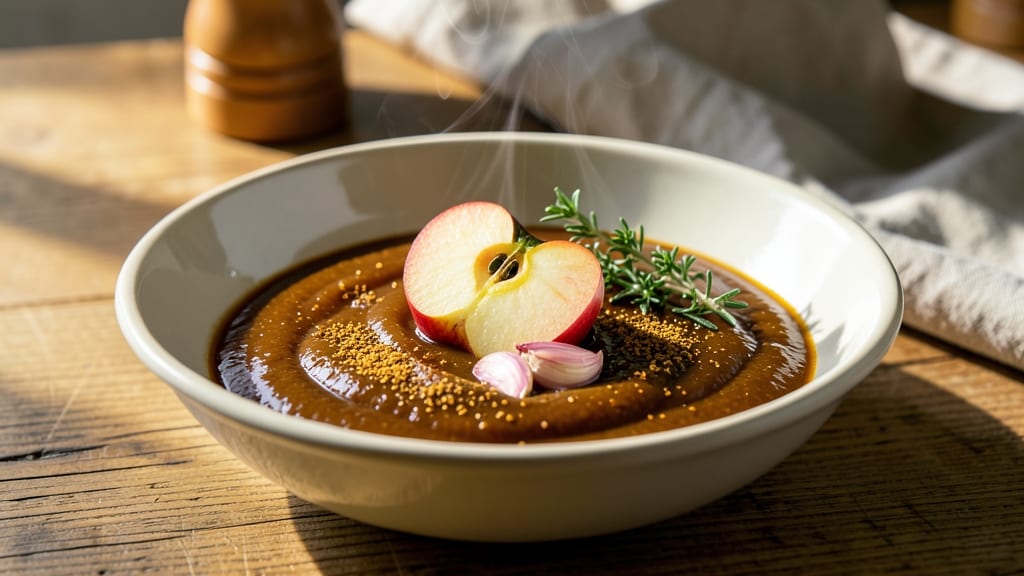
This apple cider vinegar-based BBQ sauce delivers a bold balance of tangy sharpness and caramelized sweetness that transforms grilled meats into showstoppers. 🌟 As someone who's spent years perfecting the art of smoke and seasoning, I can tell you the secret lies in that perfect ratio of vinegar to sweetener—where the acidity brightens while the molasses and brown sugar create that signature sticky-sweet glaze.
The slow simmer allows all the spices to bloom, developing layers of flavor that cut through rich meats like a knife through butter.
What makes this sauce truly special is how it bridges traditional vinegar-based tang with the deep, smoky complexity you'd expect from a competition-worthy rub.
We're talking about a sauce that starts with apple cider vinegar for that classic tang, then builds complexity through brown sugar, molasses, and a blend of spices that includes smoked paprika and mustard powder. The key technique?
Simmering it low and slow until it thickens just enough to cling beautifully to whatever you're slathering it on.
By the time you're done, you'll have a glossy, aromatic sauce that's perfect for ribs, pulled pork, or even grilled vegetables.
The balance of sweet and tangy flavors creates that addictive quality that makes people ask for seconds, while the subtle smokiness from the spices gives it depth that stands up to rich meats. This isn't just another BBQ sauce—it's a flavor experience that turns ordinary grilling into something extraordinary.
The best part? This sauce keeps beautifully in the refrigerator for up to two weeks, so you can make a big batch and have it ready whenever you're craving that perfect smoky-sweet glaze.
Whether you're hosting a backyard cookout or just treating yourself to some weekend grilling, this sauce will elevate your dishes to restaurant-quality levels. Let's get started on creating this versatile, crowd-pleasing condiment that belongs in every pitmaster's arsenal.
Ingredients for apple cider vinegar based bbq sauce
Nine ingredients, infinite flavor—this sauce transforms grilling into a flavor explosion.
| Ingredient | Amount | Notes |
|---|---|---|
| Apple Cider Vinegar 🍏 | 1 cup | Raw, unfiltered preferred for depth |
| Brown Sugar 🍚 | 1 cup | Light or dark, packed tightly |
| Molasses 🍯 | ½ cup | Unsulphured for authentic flavor |
| Smoked Paprika 🌶️ | 2 tbsp | High-quality for smoky aroma |
| Mustard Powder 🌿 | 1 tbsp | Yellow or Dijon preferred |
| Garlic Powder 🧄 | 1 tbsp | Freshly ground if possible |
| Onion Powder 🧅 | 1 tbsp | For subtle depth |
| Kosher Salt 🧂 | 1 tsp | Diamond Crystal preferred |
| Black Pepper 🌶️ | ½ tsp | Freshly ground for heat |
| Water 💧 | ½ cup | For thinning consistency |
The apple cider vinegar is non-negotiable here—Bragg or Texas Pete are my go-tos, but any raw, unfiltered brand works. The molasses should be unsulphured for that authentic, rich depth (the sulphured kind tastes like it's been cooked down forever). Brown sugar? Pack it tightly—Domino or C&H are reliable. For the smoked paprika, Penzeys or McCormick deliver that authentic smoky punch. Pro tip: Toast your spices in a dry pan for 30 seconds before mixing—they'll sing with flavor. The garlic and onion powders are where the sauce gets its subtle complexity, so don't skimp on quality.
No molasses? Maple syrup at half the amount gets you close, though it'll lack that deep, almost bittersweet note. Running low on apple cider vinegar? White vinegar works in a pinch, but you'll lose that fruity complexity. The mustard powder is key for that tangy kick—if you've got whole mustard seeds, toast them first for extra depth. Water is just for thinning, but if your sauce is too thick, add it a tablespoon at a time. For a sweeter sauce, bump the brown sugar to 1.25 cups—trust me, it's worth it. And if you're feeling fancy, add a dash of liquid smoke for extra smokiness.
This sauce thickens as it cools, so don't stress if it looks too thin at first. Store it in a glass jar in the fridge for up to 2 weeks—it actually improves with age. For freezing, portion into ice cube trays and transfer to a bag. Thaw overnight in the fridge. The best part? It reheats beautifully—just warm it gently on the stove or microwave. Make a double batch—you'll want this on everything from ribs to grilled veggies.
Why You'll Love This Recipe
- Pantry Magic: That’s right—no specialty shopping. I keep this sauce alive with stuff I already have: apple cider vinegar (the tangy backbone), brown sugar (for caramel depth), and molasses (secret umami bomb). The smoked paprika and mustard powder? Just a pinch each, but they transform it into something restaurant-worthy.
- Tangy-Sweet Balance: Here’s what sold me—molasses and brown sugar team up for that rich, slow-cooked flavor, while the vinegar cuts through with a bright acidity. The mustard powder adds a subtle kick that makes it way more interesting than store-bought. Slather it on ribs or drizzle it over grilled chicken, and you’ll taste the difference.
- Weeknight BBQ Hero: Between us, this sauce is my go-to for lazy nights. I make a big batch on Sundays, let it simmer until it thickens just right, and then I’m set for the week. It’s perfect for pulled pork sandwiches, baked beans, or even as a marinade. No last-minute store runs—just open the jar and go.
- Budget-Friendly Staple: Honestly, I’ve spent $10 on ingredients and made gallons. The vinegar and spices are cheap, and the molasses adds richness without breaking the bank. Plus, it keeps for months in the fridge, so I’m always covered. My wallet—and my taste buds—thank me every time.
Step-by-step instructions for apple cider vinegar BBQ sauce
This sauce delivers that perfect balance of tangy kick and sweet depth every time.
🍳 Step 1: Combine Wet Ingredients in a Saucepan
In a medium saucepan, whisk together the 1 cup apple cider vinegar, 1 cup brown sugar, and 0.5 cup molasses over medium heat. Stir constantly for 5 minutes until the sugar and molasses dissolve completely. You'll see the mixture thicken slightly as it warms up—this is normal and essential for building the sauce's rich base.
Here's the thing—I like to use a wooden spoon for this step. The natural oils in the wood help prevent sticking as the sugars caramelize. If you notice any sugar crystals lingering at the bottom, just keep stirring and let the heat break them down completely. The sauce should smell like a perfect storm of sweet and tangy aromas by now.
🍳 Step 2: Add Spices and Dry Seasonings
Once the wet ingredients are fully combined and bubbling gently, reduce the heat to medium-low and sprinkle in the 2 tbsp smoked paprika, 1 tbsp mustard powder, 1 tbsp garlic powder, 1 tbsp onion powder, 1 tsp kosher salt, and 0.5 tsp black pepper. Stir continuously for 3-4 minutes until the spices are fully incorporated and the mixture becomes smooth.
This is where the magic happens—the smoked paprika will release its deep, woodsy aroma while the mustard powder adds that subtle tang that cuts through the sweetness. Don't walk away! The spices can burn quickly, especially the paprika. You'll know it's ready when the sauce takes on a beautiful, rich color and smells like a smoky campfire.
🥘 Step 3: Simmer and Thicken the Sauce
After the spices are fully integrated, pour in the 0.5 cup water and stir once more. Increase the heat to medium-high and bring the sauce to a gentle boil. Once boiling, reduce the heat to low and let it simmer uncovered for 20-25 minutes. Stir occasionally to prevent sticking and ensure even cooking.
You're looking for the sauce to thicken to a glossy, syrupy consistency—it should coat the back of a spoon but still be pourable. If it thickens too quickly, add 1-2 tablespoons of water at a time until you reach the perfect balance. The sauce should reduce by about one-third by the end of this step. Don't rush this part; patience ensures a well-balanced sauce.
⏰ Step 4: Finish and Test for Perfection
Remove the sauce from heat and let it cool slightly for 5 minutes. Taste and adjust the seasoning if needed—add more kosher salt if it's too mild or a splash of apple cider vinegar if it needs more tang. The sauce should have a perfect harmony of sweet, smoky, and tangy flavors with just a hint of mustard heat.
For the best results, let the sauce cool completely before storing. This allows all the flavors to meld together perfectly. You can use it immediately on grilled meats, ribs, or even as a marinade, but it tastes even better after it's had time to rest in the fridge overnight. Trust me, that extra hour makes all the difference!
Pro Tips For Making Apple Cider Vinegar Based Bbq Sauce
- Simmer Low and Slow: The vinegar will evaporate fast—keep the heat at a bare simmer (think tiny bubbles, not a rolling boil) or you’ll end up with a gloppy, underdeveloped sauce. I learned this the hard way when my first batch turned into syrup in 10 minutes. Stir occasionally, but don’t stress about constant attention—just let it work its magic.
- Use Raw, Unfiltered Molasses: That thick, unrefined molasses is where the deep, almost bitter complexity lives. The refined kind? It’s like using powdered sugar instead of real brown sugar—fine for baking, but flat for BBQ. If you’re in a pinch, add a splash of blackstrap molasses at the end for a quick upgrade, but don’t skip it entirely.
- Balance the Vinegar: Apple cider vinegar is sharp—if your sauce tastes like you’re pickling ribs instead of glazing them, you’ve gone overboard. For every ½ cup of vinegar, add ¼ cup of water or broth to dilute its acidity slightly. (Yes, even if the recipe doesn’t say so.) Trust me, your taste buds will notice the difference.
- Toast the Spices First: Dry-toast the smoked paprika and mustard powder in a separate pan for 30 seconds until fragrant—it deepens their flavor without burning. Skip this, and your sauce will taste like dusty spices instead of smoky, tangy magic. (Pro move: Use a nonstick skillet so you don’t lose any to the bottom.)
Troubleshooting great apple cider vinegar based bbq sauce
Sauce Too Thin
If your sauce ends up too thin after simmering, don't panic—this is easily fixed. The key is to simmer it uncovered for an extra 5-10 minutes on low heat. The liquid will continue to evaporate naturally, thickening the sauce.
If that doesn't work, transfer ½ cup of sauce to a small saucepan and reduce it over medium-high heat for 3-5 minutes, then stir it back into the main batch.
For a quicker fix, mix 1 tablespoon of cornstarch with 1 tablespoon of cold water, stir it into the sauce, and simmer for 1-2 minutes until it thickens. 🔥
Sauce Too Thick
Over-reduced sauce can happen fast, especially if you walk away from the stove. If your sauce is too thick, add 1-2 tablespoons of water at a time while stirring constantly. Heat gently on low heat for 1-2 minutes between additions until you reach the perfect consistency.
For a smoother texture, strain the sauce through a fine-mesh sieve to remove any thickened bits. Remember, the sauce will thicken further as it cools, so err on the side of slightly thinner while it's hot.
Burnt or Bitter Taste
A burnt or bitter flavor usually means the spices or sugars have caramelized too much. If this happens, immediately remove the sauce from heat and let it cool slightly. Then, stir in 1-2 tablespoons of apple cider vinegar to brighten the flavors and reduce the bitterness.
For a smoother taste, blend the sauce briefly in a food processor or immersion blender to break up any burnt particles. To prevent this in the future, keep a close eye on the sauce and stir frequently during simmering.
Uneven Spice Distribution
If your sauce has pockets of spice flavor or looks streaky, it means the spices didn't fully incorporate. The fix? Whisk or blend the sauce vigorously for 1-2 minutes to emulsify everything.
If you're still seeing dry spots, add 1 tablespoon of water and simmer for another 2-3 minutes while stirring constantly. For future batches, sift the dry spices over the sauce while whisking vigorously to ensure even distribution. This is especially important with the smoked paprika—it's heavy and can sink.
Sauce Separates When Stored
If your sauce separates in the fridge, it's usually due to the molasses or spices settling. Simply stir it vigorously before using, or gently heat it on the stove for 1-2 minutes while stirring constantly.
To prevent separation, let the sauce cool completely before storing and avoid adding water too late in the process. If the issue persists, blend the sauce briefly to re-emulsify the ingredients. This is normal with homemade sauces, especially those with a high molasses content.
Lacking Tang or Sweetness
If your sauce tastes flat or lacks balance, adjust it before storing. For more tang, add 1-2 tablespoons of apple cider vinegar while the sauce is still warm. For extra sweetness, stir in 1-2 tablespoons of brown sugar and simmer for 1-2 minutes to dissolve.
If the sauce is too sweet, add a pinch of salt or a splash of vinegar to balance it. Taste as you go—this sauce is all about finding that perfect harmony of flavors. 💫
Nutrition facts
Frequently asked questions about apple cider vinegar BBQ sauce
Can I substitute apple cider vinegar for white vinegar?
The apple cider vinegar gives this sauce its signature fruity depth and complexity. While white vinegar works in a pinch, you'll lose that rich, slightly sweet tang. For best results, use raw, unfiltered apple cider vinegar like Bragg or Texas Pete. If you must substitute, add ½ teaspoon of apple cider powder to mimic the flavor.
How do I adjust the sweetness level?
This sauce is designed to be balanced, but you can easily tweak it. For a sweeter sauce, increase the brown sugar to 1.25 cups or add 1-2 tablespoons of molasses. Need it less sweet? Add 1-2 tablespoons of apple cider vinegar to brighten the tang. Always taste as you go—balance is key!
Can I make this sauce without molasses?
Yes, but it won't be the same! Molasses adds that deep, almost bittersweet complexity. As a substitute, use ½ cup maple syrup or ½ cup honey—though the flavor will be slightly different. For a closer match, blend ¼ cup molasses substitute with ¼ cup brown sugar. The sauce will still be delicious, just with a different profile.
How long does this sauce keep, and can I freeze it?
Store this sauce in an airtight glass jar in the fridge for up to 2 weeks. It actually improves with age! For freezing, portion into ice cube trays or small containers. Thaw overnight in the fridge—never at room temperature. Frozen sauce maintains quality for up to 3 months. The texture may change slightly after freezing, but the flavor stays bold.
What's the best way to use leftover sauce?
This versatile sauce works on everything! Use it as a glaze for ribs, chicken, or pork shoulder during the last 10-15 minutes of cooking. Brush it on grilled vegetables like eggplant or zucchini, or drizzle it over baked beans. For extra flavor, simmer 1 tablespoon of the sauce with ½ cup beef broth to make a quick pan sauce for meats. Get creative—it's amazing on tacos too!