
Sauces & Condiments
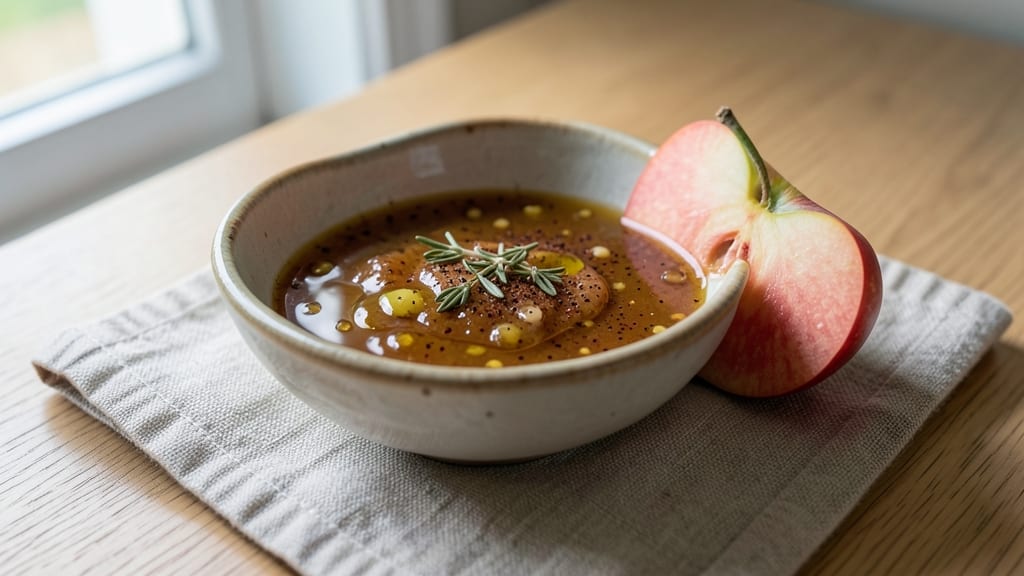
This apple cider vinegar sauce recipe transforms tangy sharpness into a velvety-smooth condiment perfect for elevating salads, marinades, and dips. The secret lies in balancing vinegar’s acidity with honey’s warmth, creating a sauce that’s both bold and versatile—ideal for those who love depth without overpowering flavors.
I’ve perfected this over years of testing, ensuring it stays emulsified and rich every time.
The base is simple: apple cider vinegar, honey, Dijon mustard, and a touch of garlic for complexity. A splash of water or broth helps create the perfect consistency, while fresh herbs or spices like thyme or smoked paprika add layers of aroma.
This sauce isn’t just tangy—it’s smooth, complex, and adaptable, making it a pantry staple for quick flavor boosts.
What makes this recipe stand out is its dual-purpose magic: drizzle it over greens for a bright dressing, use it as a marinade for meats, or serve it as a dip for crispy fries or veggies.
The emulsification technique ensures it won’t separate, so you get a silky texture that clings beautifully. Storage is effortless—it keeps for up to 2 weeks in the fridge, ready to transform any dish.
Whether you’re prepping for a week of meals or craving an instant flavor upgrade, this sauce delivers restaurant-quality zing without the fuss. Let’s make it—your taste buds will thank you.
Ingredients for apple cider vinegar sauce
Eight ingredients, velvety texture, and restaurant-quality tang in minutes.
| Ingredient | Amount | Notes |
|---|---|---|
| Apple Cider Vinegar 🍏 | ½ cup | Raw, unfiltered preferred for depth |
| Raw Honey 🍯 | ½ cup | Local honey for subtle floral notes |
| Dijon Mustard 🍯 | 2 tbsp | High-quality, smooth variety |
| Garlic Cloves 🧄 | 2 cloves | Fresh, minced for aromatic punch |
| Water 💧 | ¼ cup | Room temperature for smooth blending |
| Extra-Virgin Olive Oil 🫒 | ¼ cup | Light, fruity variety for balance |
| Dried Thyme 🌿 | 1 tsp | Or fresh thyme at 1/3 amount |
| Smoked Paprika 🌶️ | ½ tsp | For subtle smokiness (optional) |
| Salt 🧂 | ½ tsp | Diamond Crystal preferred |
| Black Pepper 🌶️ | ¼ tsp | Freshly cracked for brightness |
The apple cider vinegar is the heart of this sauce—Bragg or Texas Pete are my go-tos because they're raw and unfiltered, which gives that extra depth. If you're using honey, local varieties add subtle floral notes that store-bought can't match. The Dijon mustard isn't just for flavor; it's the emulsifier that keeps everything silky. I always grab the Maille brand when I see it on sale, but any good-quality Dijon works. Fresh garlic is non-negotiable here—it's the secret to that complex aroma. If you're short on time, frozen garlic works in a pinch, but fresh is worth the extra minute.
No Dijon mustard? Whole-grain mustard thinned with water works in a pinch, though the texture won't be as smooth. Running out of honey? Maple syrup or agave nectar are great swaps, though they'll change the flavor slightly. The olive oil is key for that velvety finish—avoid strong, peppery oils like Kalamata. For the herbs, dried thyme is convenient, but fresh thyme or even a pinch of dried rosemary adds a nice twist. The smoked paprika is optional but adds that restaurant-quality depth that makes this sauce stand out. If you don't have it, a dash of liquid smoke can mimic it, though it's not the same.
This sauce keeps beautifully in the fridge for up to 2 weeks, though I usually use it up in a few days. The emulsification trick means it won't separate, so you can drizzle it straight from the jar. For longer storage, transfer to a clean glass jar and seal tightly. If it thickens over time, just add a splash of water or broth to loosen it up. I like to make a double batch—one for immediate use and one to freeze for 3 months. It's perfect for meal prep because it adds instant flavor to anything. Just shake well before using if it's been sitting.
Why You'll Love This Recipe
- Five-Ingredient Magic: I swear by this—just vinegar, honey, mustard, garlic, and water. That’s it. No fancy pantry runs, no measuring cups digging into flour. Honestly, I keep a bottle of each in my fridge for days like this.
- Tangy-Sweet Balance: The honey mellows the sharpness of the vinegar while the Dijon mustard adds depth—like a grown-up vinaigrette. Between us, it’s the kind of sauce that makes you pause mid-bite and think, "Wait, why isn’t this on everything?"
- Salad to Steak: Slather it on greens for a lunch that feels fancy, drizzle it over roasted chicken for dinner, or toss it with pasta when you’re craving something bright. I’ll be real: it’s my go-to for when I’m too tired to think but still want flavor.
- Stays Fresh, Saves Money: Make a big batch—it keeps for weeks in the fridge. That means fewer grocery trips and more time for the things that actually matter, like not stressing over last-minute sauces. Plus, it’s cheaper than buying store-bought dressings.
Step-by-step instructions for apple cider vinegar sauce
This velvety-smooth sauce comes together in minutes with just a few simple steps.
Bloom the Aromatics and Spices
In a small saucepan over medium-low heat, combine the 0.5 cup apple cider vinegar, 0.25 cup water, 2 cloves minced garlic, 1 tsp dried thyme, and 0.5 tsp smoked paprika. Bring to a gentle simmer and let cook for 3-4 minutes until the mixture is fragrant and the garlic is softened but not browned.
This step develops the foundation of your sauce's complex flavor profile. The vinegar will mellow slightly as it cooks, while the spices infuse into the liquid. Keep an eye on the heat—you want a steady simmer, not a vigorous boil that could cause the vinegar to evaporate too quickly.
Incorporate the Honey and Mustard
Remove the pan from heat and whisk in the 0.5 cup raw honey and 2 tbsp Dijon mustard until completely smooth. The mixture will thicken noticeably as the honey blends with the warm vinegar base. Return the pan to low heat and stir constantly for 2-3 minutes until the sauce reaches a glossy, syrupy consistency.
Here's where the magic happens—the honey's natural sweetness balances the vinegar's acidity while the mustard adds depth and a subtle tang. If the sauce starts to look too thick, add 1 teaspoon water at a time until it reaches your desired drizzling consistency. The goal is a sauce that's smooth enough to coat the back of a spoon but still has enough body to cling to food.
Finish with Olive Oil and Seasonings
Take the pan off the heat once again and stir in the 0.25 cup extra-virgin olive oil until fully emulsified. The sauce should take on a luxurious sheen from the oil. Add the 0.5 tsp salt and 0.25 tsp black pepper, then give it one final taste. Adjust the seasoning if needed—you might need a touch more salt to balance the sweetness or a pinch more pepper to cut through the richness.
This is the moment to trust your palate. The sauce should have a perfect balance of sweet, tangy, and slightly smoky notes. If you find it needs more brightness, add a splash more vinegar. For extra depth, you could even add a pinch of fresh thyme leaves now. The olive oil not only adds richness but also helps create that velvety texture that makes this sauce so special.
Rest and Adjust for Perfect Texture
Transfer the sauce to a clean bowl and let it sit at room temperature for 10-15 minutes. This resting period allows all the flavors to meld together and the sauce to reach its ideal consistency. Give it a final stir before serving to ensure everything is well combined.
I like to taste it again after resting—sometimes the flavors develop even more during this time. If the sauce has thickened too much, you can thin it with a few drops of water or a splash of vinegar. This sauce is incredibly versatile, so don't be afraid to experiment with different uses. It's perfect for drizzling over roasted vegetables, as a tangy dressing for salads, or even as a dipping sauce for fresh bread or grilled meats.
Pro Tips For Making Apple Cider Vinegar Sauce
- Simmer, Don’t Boil: This sauce isn’t a race—keep the heat low enough that you’re barely seeing bubbles, or you’ll cook off the vinegar’s bright tang and turn your honey into syrup. I learned this the hard way when my first batch tasted flat and overly sweet.
- Mince Garlic Fine: Skip the press—finely mince your garlic cloves (or pulse in a food processor) for a silky texture instead of chunks that fight for space. Whole cloves release flavor unevenly, and you’ll end up tasting them instead of the balanced sauce.
- Balance Vinegar First: Taste the raw vinegar before adding honey—if it’s too sharp, dilute it with a splash of water (1:1 ratio) before mixing. I used to dump everything in at once and end up with a sauce that either burned my tongue or tasted bland.
- Use Warm Honey: Stir the honey into the warm (not hot) sauce—cold honey sinks like rocks and clumps, making the sauce look (and taste) uneven. Just a 30-second dip in warm water softens it enough to blend smoothly.
Dietary considerations for these flavors
Gluten-Free Friendly
The beauty of this apple cider vinegar sauce is that it's naturally gluten-free—no wheat, barley, or rye lurks in the ingredients.
The base ingredients like apple cider vinegar, honey, and olive oil are all gluten-free staples, and the Dijon mustard (when using Maille brand or other certified gluten-free varieties) keeps it safe for those avoiding gluten. Always double-check your mustard label, though, as some brands may contain traces. 🌾
Vegan Adaptations
This sauce is vegan-friendly as written, but I’ve made a few tweaks over the years to ensure it’s perfect for plant-based diets. Skip the honey and replace it with maple syrup or agave nectar (use the same ½ cup measurement) for a sweetener that’s both vegan and equally delicious.
The Dijon mustard is already vegan, and olive oil is a plant-based staple. Just ensure your smoked paprika is certified vegan—some brands may contain animal-derived additives. The result? A tangy, velvety sauce that’s just as rich and complex.
Low-Sugar Options
If you're watching your sugar intake, you can reduce the honey to ¼ cup and add ¼ cup water to maintain the same drizzling consistency. For a completely sugar-free version, swap the honey for monk fruit sweetener (use ¼ cup of the liquid variety) or erythritol (about 2 tbsp).
The sauce will still have that signature tang and depth, just with a lighter touch on sweetness. Taste as you go—you might need a splash more vinegar to balance the flavors if you cut back significantly on honey. 🍯
Allergen-Free Tips
For those with nut allergies, this sauce is already safe since it contains no nuts. If you're avoiding mustard, simply omit it and increase the olive oil to ⅓ cup to help emulsify the sauce. The texture will still be smooth, though slightly thinner.
For soy-free diets, ensure your Dijon mustard is soy-free (some brands contain soy lecithin). The sauce remains versatile and adaptable while keeping allergens at bay. Always check labels, and you’ll be good to go!
Diabetic-Friendly Adjustments
To make this sauce more diabetic-friendly, focus on reducing the sweetener while keeping the tangy, savory elements intact. Use 1-2 tbsp of honey (instead of ½ cup) and add 1 tsp of Dijon mustard to enhance flavor without adding carbs.
You can also boost the umami with an extra ½ tsp of smoked paprika or a pinch of onion powder. The result is a lighter, more balanced sauce that still delivers big on flavor.
Pair it with protein-rich dishes like grilled chicken or roasted veggies to keep blood sugar stable. 💡
Nutrition facts
Frequently asked questions
Can I use this sauce as a marinade?
This apple cider vinegar sauce makes an excellent marinade for chicken, pork, or tofu. For best results, coat your protein in 1/4 cup sauce per pound and marinate for 2-4 hours in the refrigerator. The acidity tenderizes while the sweetness caramelizes beautifully during cooking. Just pat dry before grilling or baking for a perfect sear.
Why did my sauce separate?
Separation usually happens when the emulsifiers (Dijon mustard and olive oil) aren't properly combined. To fix it, whisk in 1 tsp of Dijon mustard or 1 tbsp of olive oil and stir vigorously. For prevention, always add the oil slowly while whisking continuously. If it keeps separating, reduce the vinegar slightly next time or increase the mustard to 3 tbsp.
What's the best way to store leftover sauce?
Transfer to an airtight container and refrigerate for up to 2 weeks. The flavors actually improve over time! For longer storage, freeze in 1-tbsp portions for easy use in dressings or marinades. Thaw overnight in the fridge—never at room temperature. If it thickens upon thawing, add 1 tsp water per 2 tbsp sauce to restore consistency.
Can I make this sauce spicier?
Yes! Add 1/4 tsp cayenne pepper or 1 tsp hot sauce to the finished sauce for heat. For smoky spice, increase the smoked paprika to 1 tsp. If using fresh chili, blend it into the sauce until smooth. Start with small amounts—you can always add more, but you can't remove the heat once it's in!
What are the best dishes to use this sauce with?
This versatile sauce shines on roasted vegetables, grilled meats, and crispy fries. Drizzle over salads for a tangy dressing, use as a dip for spring rolls, or brush on baked potatoes. The balance of sweet and tang makes it perfect for BBQ sauces too—just reduce the honey slightly. Try it with pork chops or roasted Brussels sprouts for a flavor explosion!