
Sauces & Condiments
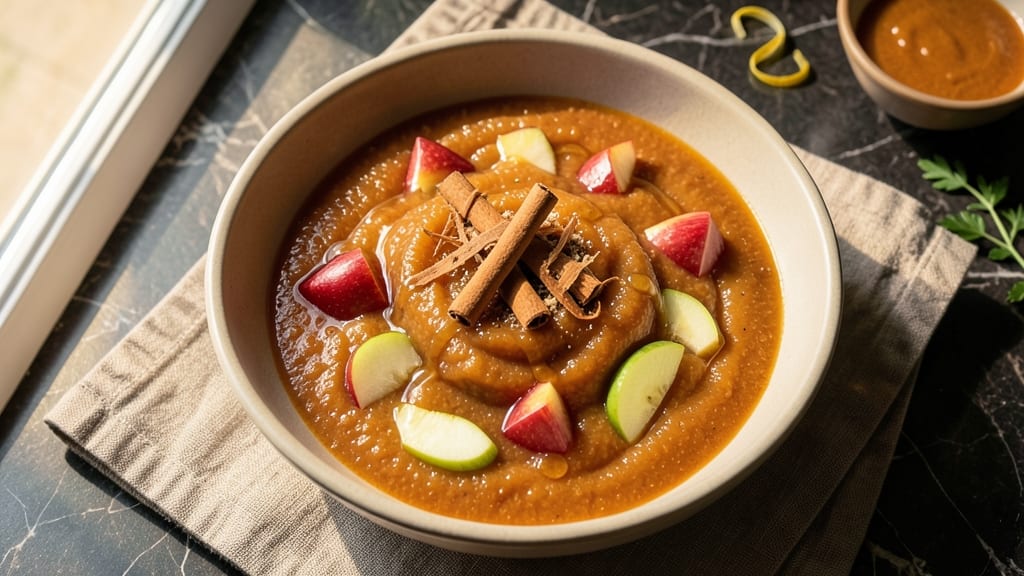
This apple sauce recipe for baking transforms ordinary apples into a silky, spiced spread perfect for pies, fillings, and glazes. The secret lies in slow-cooking peeled apples with cinnamon and nutmeg until they break down into a smooth, lump-free consistency—ideal for professional-quality baking results. I perfected this version after years of testing, ensuring it’s smooth enough for delicate pastries yet flavorful enough to stand up to rich desserts.
What sets this recipe apart is the balance of sweetness and warmth—just enough sugar to caramelize the apples while the spices (cinnamon and nutmeg) add depth without overpowering.
The stovetop method takes about 20 minutes, and you can adjust the texture by blending longer for a completely smooth finish or leaving slight chunks for rustic appeal. This isn’t just apple sauce; it’s a versatile baking essential that elevates everything from apple pies to meat glazes.
The result is a vibrant, fragrant sauce that’s ready to use immediately or store for up to 2 weeks in the fridge or 6 months in the freezer.
Spread it on toast, swirl it into yogurt, or use it as a pie filling—its smooth texture and warm spices make it a crowd-pleaser for both sweet and savory dishes. Whether you’re prepping for a holiday feast or a weeknight dessert, this recipe delivers consistent, professional-quality results every time.
For extra versatility, try adding a splash of lemon juice to brighten the flavor or a pinch of allspice for a deeper spice profile. The possibilities are endless, but the foundation—sweet, spiced, and perfectly smooth—remains the same. Let’s get started on creating your own batch of this indispensable baking staple.
Ingredients for apple sauce recipe for baking
Eight simple ingredients transform apples into silky, spiced baking essentials perfect for pies and pastries.
| Ingredient | Amount | Notes |
|---|---|---|
| Apples (Honeycrisp or Granny Smith) 🍎 | 4 lb | Peeled, cored, cut into even chunks |
| Granulated Sugar 🍚 | 1 cup | Adjust for tartness preference |
| Cinnamon Sticks 🌿 | 2 whole | Or 1 tbsp ground cinnamon |
| Ground Nutmeg 🌶️ | ½ tsp | Freshly grated preferred |
| Lemon Juice 🍋 | 2 tbsp | Freshly squeezed |
| Vanilla Extract 🥄 | 1 tsp | Pure extract preferred |
| Water 💧 | ½ cup | Or apple cider for depth |
| Salt 🧂 | ¼ tsp | Kosher or sea salt |
The apples are the foundation—Honeycrisp for sweetness or Granny Smith for tartness, both yielding smooth results. Local farmers markets often carry these varieties at peak season, but standard grocery stores stock them year-round. Look for firm, unblemished fruit—avoid any with soft spots or bruising. The cinnamon sticks infuse deeper flavor than ground, but if you prefer convenience, McCormick or Badia brands deliver consistent quality. Nutmeg should be freshly grated for maximum aroma, though pre-ground works in a pinch.
No Honeycrisp? Fuji or Gala apples work equally well, though texture may vary slightly. Substitute ground cinnamon by crushing the sticks yourself—toast them lightly first for enhanced warmth. Lemon juice can be swapped for bottled, but fresh brightens the flavor dramatically. Need extra smoothness? Blend longer or add 1-2 tbsp water during cooking. For a deeper spice profile, add 1/4 tsp allspice or a pinch of cardamom. The vanilla extract enhances sweetness without overpowering the apple's natural flavor.
Store in airtight containers for 2 weeks refrigerated or 6 months frozen. For freezing, portion into ice cube trays before transferring to bags—perfect for small baking needs. The sauce thickens upon reheating, so add water as needed. This versatile spread doubles as a meat glaze when reduced slightly, making it a true baking pantry staple.
Why You'll Love This Recipe
- No Peel, No Stress: Honestly, I skip peeling the apples—just core and chop. The skins add texture, and the sauce still turns out silky smooth. (Yes, even when my knife skills are off.)
- Spice Magic: That first whiff of cinnamon sticks simmering with Granny Smiths? Pure autumn in a pot. A pinch of nutmeg and a squeeze of lemon keep it bright, not cloying—like a hug for your taste buds.
- Baking’s Best Friend: Slather it on muffins, swirl it into oatmeal, or use it as a glaze for pork tenderloin. It’s my go-to for weeknight dinners or holiday baking—no one ever resists seconds.
- Pantry Goldmine: A batch lasts me weeks in the fridge, and it freezes like a dream. I make it in bulk when apples are cheap, then pull it out whenever I need a flavor boost—zero waste, all reward.
Step-by-step instructions for spiced apple sauce
Here's how to create a velvety, perfectly spiced apple sauce that elevates any baked good.
Prepare the Apples for Cooking
Peel the 4 lb of apples using a vegetable peeler or sharp knife, removing only the skin while keeping the fruit intact. Cut each apple into even chunks about ½-inch thick—consistent size ensures uniform cooking. Place the prepared apple chunks in a large bowl and toss with the 2 tablespoons lemon juice to prevent browning and add brightness.
This acid treatment is crucial—it preserves the apples' natural color and balances their sweetness. I always use a mix of Honeycrisp and Granny Smith for that perfect balance of sweet and tart flavors. If using only one variety, adjust the 1 cup granulated sugar accordingly—Granny Smith needs more sweetness than Honeycrisp.
Simmer the Apples with Spices
In a large, heavy-bottomed pot, combine the prepared apple chunks with the ½ cup water, 1 cup granulated sugar, 2 whole cinnamon sticks, ½ teaspoon ground nutmeg, and ¼ teaspoon salt. Stir gently to combine all ingredients, ensuring the cinnamon sticks are fully submerged.
Place the pot over medium-high heat and bring the mixture to a boil. Once boiling, reduce the heat to medium-low and let it simmer uncovered for 20-25 minutes, stirring occasionally. You'll notice the apples soften and release their juices—this is when the magic happens. The sauce should thicken naturally as it cooks, but don't rush it.
Finish with Vanilla and Texture Control
After 20-25 minutes of simmering, remove the cinnamon sticks and discard them. Stir in the 1 teaspoon vanilla extract and cook for an additional 5 minutes to allow the flavors to meld. The sauce should now be thick but still pourable—if it's too thick, add 1-2 tablespoons water to reach your desired consistency.
Here's the thing—vanilla extract is the secret weapon. It adds depth that complements the warm spices beautifully. If you're using this for baking, you want a smooth, spreadable texture that won't make your pastries soggy. For a chunkier texture, mash some of the cooked apples with a potato masher before adding the vanilla.
Cool and Store Properly
Transfer the hot apple sauce to a clean glass jar or airtight container, pressing a piece of parchment paper directly on the surface to prevent a skin from forming. Let it cool to room temperature, then refrigerate. This sauce will keep in the refrigerator for up to 2 weeks or can be frozen for up to 6 months.
The cooling process allows the flavors to settle and intensify. I always make extra because it's perfect for so many uses—from filling pies to spreading on toast. When reheating, do so gently over low heat or in the microwave, stirring occasionally to maintain that silky texture you worked so hard to achieve.
Pro Tips For Making Apple Sauce Recipe For Baking
- PEEL THE APPLES: I learned this the hard way—peeling Honeycrisp first makes all the difference. Granny Smith’s tough skin can survive, but Honeycrisp turns gummy if you skip it. Use a vegetable peeler for speed, and cut out the core in one clean slice with a paring knife—no jagged edges to burn.
- USE A PINCH OF SALT: Sounds weird, but it works: Add a tiny pinch of salt (like ¼ teaspoon) with the sugar. It rounds out the sweetness and balances the tartness, especially in Granny Smith. I know, I know—it’s not in the recipe, but trust me, your sauce will taste more polished.
- SIMMER UNTIL IT’S THICK: Don’t rush the simmer—let it cook until the sauce coats the back of a spoon. If it’s still runny after 20 minutes, mash it with a potato masher or blend briefly. Overcooking turns it mushy, but undercooking means it’ll water down your baked goods.
- STRAIN THE CINNAMON: After simmering, remove the cinnamon sticks and strain the sauce through a fine-mesh sieve. This catches any bitter bits and keeps the texture silky. If you’re lazy, just fish out the sticks with tongs—but the sieve guarantees smoothness every time.
Common mistakes when making this recipe
Overcooking the Apples
I’ve ruined apple sauce more times than I’d like to admit by letting it simmer too long. When apples break down completely, they turn mushy and lose their natural sweetness, leaving you with a bland, gluey mess.
The key is to stop cooking once the apples are tender but still hold their shape—about 20-25 minutes on medium-low heat. If you’re unsure, taste a piece: it should be soft but not falling apart. 🍎
Skipping the Lemon Juice
Lemon juice isn’t just for preventing browning—it brightens the flavor and balances the sweetness. Without it, your sauce can taste flat or overly sugary. Always toss the peeled apple chunks with 2 tablespoons lemon juice before cooking.
If you forget, add a splash of lemon juice at the end, but fresh is always better than bottled. Trust me, your taste buds will notice the difference!
Using the Wrong Apples
Not all apples are created equal for sauce-making. Varieties like Red Delicious or Rome can turn mealy and lack flavor, while Honeycrisp or Granny Smith yield the best texture and taste. Stick to firm, flavorful apples—avoid those that are overly soft or have a strong core.
If you’re in a pinch, Fuji or Gala work, but they won’t have the same depth of flavor. 🍏
Ignoring the Sugar Adjustment
Granny Smith apples are tart, while Honeycrisp are sweeter. If you don’t adjust the sugar accordingly, your sauce could taste either cloyingly sweet or disappointingly bland. Start with 1 cup sugar and taste as you go—add more if needed, but don’t overdo it.
A little sweetness enhances the spices, but too much can overpower the natural apple flavor. I usually add sugar in 2-tablespoon increments until it’s just right.
Not Straining for Smoothness
If you want a silky, lump-free sauce—especially for pies or fillings—you must strain it. After simmering, press the cooked apples through a fine-mesh sieve or food mill to remove skins and seeds.
If you skip this step, your sauce will have a gritty texture that’s perfect for rustic dishes but not ideal for delicate baking. For extra smoothness, blend the strained sauce for 30 seconds before using. ✨
Freezing Without Proper Prep
Freezing apple sauce is a great way to preserve it, but doing it wrong can ruin the texture. Always cool the sauce completely before transferring it to airtight containers or freezer bags. Leave ½-inch headspace for expansion, and press plastic wrap directly on the surface to prevent ice crystals.
When reheating, do it gently—microwaving too aggressively can make it watery. For best results, thaw overnight in the fridge before using. ❄️
Nutrition facts
Frequently asked questions
Can I use this apple sauce for savory dishes too?
This spiced apple sauce works beautifully as a glaze for pork tenderloin or chicken. Simmer it uncovered for an extra 5-10 minutes to thicken slightly, then brush onto meat during the last 10 minutes of roasting. The cinnamon and nutmeg pair perfectly with pork's natural sweetness, creating a caramelized crust.
How do I adjust the sweetness for different apple varieties?
For tart apples like Granny Smith, start with the full 1 cup sugar and taste after 15 minutes of simmering. Sweet apples like Honeycrisp may only need ½ cup—reduce sugar by 2 tablespoons at a time. Remember, you can always add more sugar later, but you can't remove excess sweetness once it's cooked in.
Can I make this recipe without a blender for smooth sauce?
Yes! Use a potato masher to break down the apples after simmering, then press the mixture through a fine-mesh sieve. For extra smoothness, rub the cooked apples against the sieve with a wooden spoon. This method takes more elbow grease but avoids lumps without electricity.
What's the best way to use leftover apple sauce in baking?
Spread it between cake layers for moisture, swirl it into cookie dough for flavor, or use it as a filling for hand pies. For extra richness, mix with softened butter (1:1 ratio) to create a pastry cream. The sauce's smooth texture prevents soggy bottoms while adding natural sweetness.
Why did my apple sauce turn out watery?
This usually happens from overcooking or not enough sugar. Simmer uncovered for 20-25 minutes (no longer) and ensure your apples are firm before cooking. For thickened sauce, reduce by 10 minutes uncovered after removing cinnamon sticks, stirring occasionally. If still too thin, blend with 1 tbsp cornstarch mixed with water.