
Sauces & Condiments
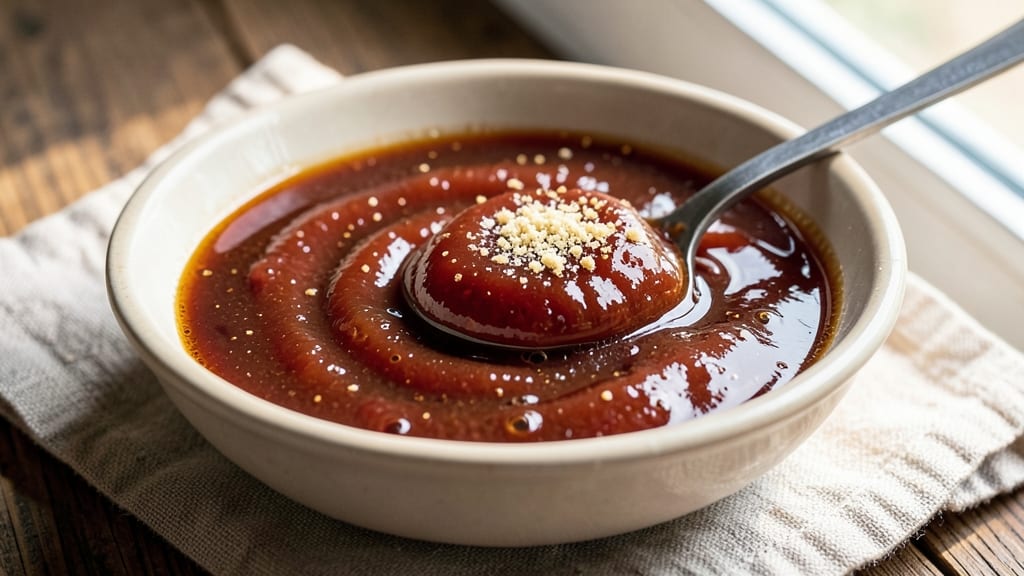
This Applebee's barbecue sauce recipe captures that perfect balance of sweet, tangy, and smoky flavors that make ribs and pulled pork unforgettable. The secret lies in the vinegar—it adds that signature zing without overpowering the rich molasses and spices.
I've replicated the restaurant version at home, and it's become my go-to for glazing, dipping, or basting.
The foundation starts with ketchup and brown sugar for that classic sweetness, but it's the molasses and apple cider vinegar that create the depth and tang. A touch of Worcestershire sauce adds umami complexity, while spices like garlic powder, onion powder, and black pepper round out the flavor profile.
This sauce is versatile enough for ribs, chicken, or even as a dipping sauce for fries.
What makes this recipe special is how it stays true to the restaurant version while being simple enough for weeknight cooking. The sauce thickens beautifully when simmered, creating that perfect consistency for glazing or basting.
Once cooled, it keeps well in the refrigerator for up to two weeks or can be canned for longer storage.
Whether you're slow-cooking a brisket or tossing it with grilled vegetables, this barbecue sauce will elevate your dish to restaurant-quality. The balance of sweetness, tang, and smokiness is exactly what makes it irresistible—just like the version you love from Applebee's.
Ingredients for applebees barbecue sauce
Sweet, tangy, and smoky—just eight ingredients transform into Applebee's signature sauce.
| Ingredient | Amount | Notes |
|---|---|---|
| Ketchup 🍅 | 1 cup | High-quality, no sugar added preferred |
| Brown Sugar 🍚 | ½ cup | Packed firmly for accurate measure |
| Molasses 🍯 | ¼ cup | Unsulphured for best flavor |
| Apple Cider Vinegar 🍏 | ¼ cup | Raw, unfiltered preferred |
| Worcestershire Sauce 🍶 | 2 tbsp | Vegetarian version if needed |
| Garlic Powder 🧄 | 1 tbsp | Freshly ground preferred |
| Onion Powder 🧅 | 1 tbsp | Not onion salt |
| Black Pepper 🌶️ | ½ tsp | Freshly cracked for best flavor |
| Ground Cinnamon 🌿 | ½ tsp | Warm, not bitter |
| Ground Cloves 🌶️ | ¼ tsp | Whole cloves ground fresh |
The ketchup and brown sugar are your base, but don't skimp on the molasses—it's what gives that deep, caramelized flavor. Trader Joe's has the best unsulphured molasses, but any high-quality brand works. Apple cider vinegar is key here; Bragg or Texas Pete are my go-tos, but any raw, unfiltered vinegar will do. Worcestershire sauce adds that umami punch—grab the vegetarian version if you need it. For the spices, Penzeys or the bulk bins at natural food stores are perfect for freshness. If you're using whole cloves, toast them first for a deeper flavor.
No molasses? Maple syrup at half the amount works in a pinch, though it'll be sweeter. Short on vinegar? Lemon juice plus a pinch of sugar mimics the tang. The spices can be adjusted—skip the cloves if you're sensitive to heat, or add a pinch of cayenne for extra kick. Prefer a smoother sauce? Blend in 1 tbsp of tomato paste for thickness. The ketchup can be sugar-free if you're watching carbs, but it'll taste slightly different. For a smokier version, add a dash of liquid smoke—just don't overdo it.
This sauce thickens as it cools, so don't worry if it looks thin right after simmering. Store in an airtight container in the fridge for up to 2 weeks, or freeze for 6 months. I like to portion it into small jars—perfect for quick dips or glaze additions. If it separates, just stir it back together. The flavor actually improves after a day or two, so make extra if you can. Trust me, you'll want it on hand for everything from ribs to fries.
Why You'll Love This Recipe
- Here’s what sold me: the apple cider vinegar cuts through the richness, while the Worcestershire adds this weirdly addictive depth. It’s not too sweet, not too tangy—just right.
- Pantry Magic: I swear by this sauce because it uses stuff I already have—no special shopping trips. The molasses and brown sugar caramelize together, giving it that deep, smoky sweetness without extra effort.
- Tangy-Sweet Balance: Here’s what sold me: the apple cider vinegar cuts through the richness, while the Worcestershire adds this weirdly addictive depth. It’s not too sweet, not too tangy—just right.
- Weeknight Hero: Slather it on grilled chicken for dinner, toss it in meatloaf for Sunday lunch, or drizzle it over baked beans. I’ve used it for everything, and it never lets me down.
Step-by-step instructions for Applebee's barbecue sauce
This sauce delivers that signature sweet-and-tangy balance with just the right kick—here's how to nail it every time.
Combine the Wet Ingredients
In a medium saucepan, pour in the 1 cup ketchup, 0.5 cup packed brown sugar, 0.25 cup molasses, and 0.25 cup apple cider vinegar. Give everything a quick stir with a wooden spoon to break up any sugar clumps. The molasses might look thick, but it'll blend smoothly as we heat things up.
Here's the thing—don't rush the stirring. Those sugar granules need to fully dissolve before we add the spices, or you'll end up with grainy sauce. I like to use a silicone spatula for this part because it scrapes every bit of the brown sugar off the sides.
Simmer and Thicken the Base
Place the saucepan over medium heat and bring the mixture to a gentle boil. Once it's bubbling steadily, reduce the heat to low and let it simmer uncovered for 15-20 minutes. You're looking for the sauce to thicken noticeably—it should coat the back of a spoon when you lift it out for a taste test.
I know it might seem like nothing's happening at first, but trust the process. The molasses and vinegar work together to create that signature depth of flavor. If you see the sauce getting too dark too quickly, just reduce the heat slightly—we want rich color, not burnt flavor.
Add the Dry Seasonings
After the sauce has thickened, stir in the 2 tablespoons Worcestershire sauce, 1 tablespoon garlic powder, 1 tablespoon onion powder, 0.5 teaspoon black pepper, 0.5 teaspoon ground cinnamon, and 0.25 teaspoon ground cloves. Mix well to distribute the spices evenly throughout the sauce.
This is where the magic happens—the spices dissolve into the warm liquid, creating that complex flavor profile. Don't be tempted to add all the spices at once and walk away. Stir occasionally for the next 5 minutes to ensure everything blends properly and nothing burns at the bottom of the pan.
Simmer and Reduce for Depth
Continue simmering on low heat for another 10-15 minutes, stirring occasionally. The sauce will continue to thicken and develop its signature color. You're aiming for a glossy, slightly syrupy consistency—it should coat the back of a spoon but still be pourable.
Here's my pro tip: If the sauce starts to separate or looks too thin, add 1 tablespoon of apple cider vinegar at a time until it reaches the right consistency. The vinegar helps balance the sweetness and keeps everything cohesive. Taste as you go—you want that perfect harmony of sweet, tangy, and just a hint of spice.
Cool and Store Properly
Once the sauce reaches your desired consistency, remove it from heat and let it cool to room temperature. This cooling period is crucial—it allows the flavors to meld together and gives you a chance to taste and adjust the seasoning if needed.
For best results, store the sauce in an airtight container in the refrigerator for up to 2 weeks. The flavors will actually improve over time as they continue to marry. When you're ready to use it, give it a good stir—especially if you've stored it for a while—as the spices tend to settle at the bottom.
Pro Tips For Making Applebees Barbecue Sauce
- Simmer Slow and Steady: Applebee’s sauce isn’t just about dumping ingredients—it’s about letting the molasses and vinegar marry the ketchup. After combining everything, reduce heat to a gentle simmer (think "small bubbles, not a rolling boil") and stir often. I used to rush this, and the sauce ended up thin and one-dimensional. Give it 20-25 minutes to thicken properly—patience here makes the difference.
- Use Real Molasses, Not Syrup: The recipe might call for "molasses," but I’ve seen people grab the cheap corn syrup substitute without thinking. Real molasses (preferably unsulphured) adds depth—its bitterness balances the sweetness and vinegar. If you’re in a pinch, dark corn syrup works, but you’ll lose that rich, almost caramel-like complexity that makes the sauce sing.
- Balance the Vinegar Early: Apple cider vinegar is the flavor anchor, but too much upfront can make the sauce taste harsh. Add half the required amount first, taste, then adjust. I learned this after making a batch that tasted like a pickle bomb. If it’s too sharp, a pinch of brown sugar or a splash of Worcestershire can smooth it out—just don’t overdo it.
- Strain for Smoothness: This isn’t a fancy sauce, but if you want it silky (like the restaurant version), strain it through a fine-mesh sieve after cooking. The molasses and sugar can sometimes leave tiny gritty bits, and this step guarantees a clean finish. Skip it if you like texture, but I’ve never regretted the extra 30 seconds—especially when brushing it on ribs.
Serving suggestions for this applebees barbecue sauce
Ribs and Pulled Pork
This barbecue sauce is a game-changer for slow-cooked meats. Brush it on ribs during the last 30 minutes of cooking at 225°F to create a sticky, caramelized glaze. For pulled pork, toss the finished meat with ¼ cup sauce per pound and let it marinate for 10 minutes before serving.
The molasses and vinegar combo keeps the sauce from burning even at high heat. 🔥
Grilled Chicken
Use this sauce as a marinade for grilled chicken by mixing ½ cup sauce with 1 tablespoon olive oil and 1 tablespoon apple cider vinegar. Let the chicken marinate for at least 2 hours (or overnight for deeper flavor).
Grill over medium-high heat and baste with extra sauce in the final 5 minutes. The spices caramelize beautifully on the grill.
Dipping Sauce Magic
Serve this sauce as a dip for fries, onion rings, or chicken tenders—it's perfect for game day or movie nights. Keep it warm in a slow cooker on low heat for easy serving.
For extra richness, stir in 1 tablespoon butter just before serving. I like to drizzle a little extra sauce over the top of the dish for presentation. ✨
Vegetable Glazes
Toss grilled or roasted vegetables like Brussels sprouts, carrots, or sweet potatoes with 2 tablespoons sauce per pound after cooking. The sweetness balances the earthy flavors perfectly. For extra depth, add 1 teaspoon smoked paprika to the sauce before tossing. This works especially well with roasted cauliflower or asparagus. 🌱
Breakfast Twist
Use this sauce as a glaze for breakfast sausages or pancakes—yes, really! Brush 1-2 tablespoons on cooked sausages before serving, or drizzle over pancakes with a sprinkle of crumbled bacon.
The sweet and tangy flavors are unexpected but delicious. For pancakes, reduce the sauce by half to concentrate the flavors. 🍳
Sandwich Spread
Spread this sauce between layers of pulled pork or chicken sandwiches for extra flavor. It works especially well with ciabatta or brioche buns and pairs perfectly with coleslaw.
For a smoky kick, add ½ teaspoon liquid smoke to the sauce before spreading. The balance of sweet and tangy makes it irresistible. 🥪
Nutrition facts
Frequently asked questions
Can I make this barbecue sauce without molasses?
Yes, you can substitute ½ cup maple syrup for the molasses, though it'll make the sauce slightly sweeter. For a closer match, use ¼ cup maple syrup plus ¼ cup honey—this combo mimics the depth of molasses while keeping the sweetness balanced. The sauce will still taste delicious, though the caramelized flavor will be slightly different.
How do I adjust the sweetness or tanginess?
For a sweeter sauce, add 1-2 tablespoons more brown sugar and simmer for an extra 5 minutes. To increase tang, stir in 1 tablespoon extra apple cider vinegar and reduce the heat to let it mellow. For heat lovers, add a pinch of cayenne or a dash of hot sauce. Always taste as you go!
Can I use this sauce as a marinade?
Mix ½ cup sauce with 1 tablespoon olive oil and 1 tablespoon vinegar for a quick marinade. Let it work its magic on chicken or pork for at least 2 hours (or overnight for deeper flavor). The spices will infuse beautifully, but don’t use it on acidic meats like fish—it’ll overpower them.
Why did my sauce turn out too thin?
If your sauce is too thin, simmer it uncovered for another 10-15 minutes to reduce it. For a quicker fix, stir in 1 tablespoon cornstarch mixed with 1 tablespoon cold water and cook until thickened. Avoid adding extra sugar or vinegar—it’ll throw off the balance. The sauce should coat the back of a spoon but still be pourable.
How long will homemade barbecue sauce last?
Store it in an airtight container in the fridge for up to 2 weeks. For longer storage, freeze in ice cube trays or small jars for up to 6 months. The flavors actually improve over time! Just stir well before using—spices settle at the bottom. If you notice mold or an off smell, toss it.