
Sauces & Condiments
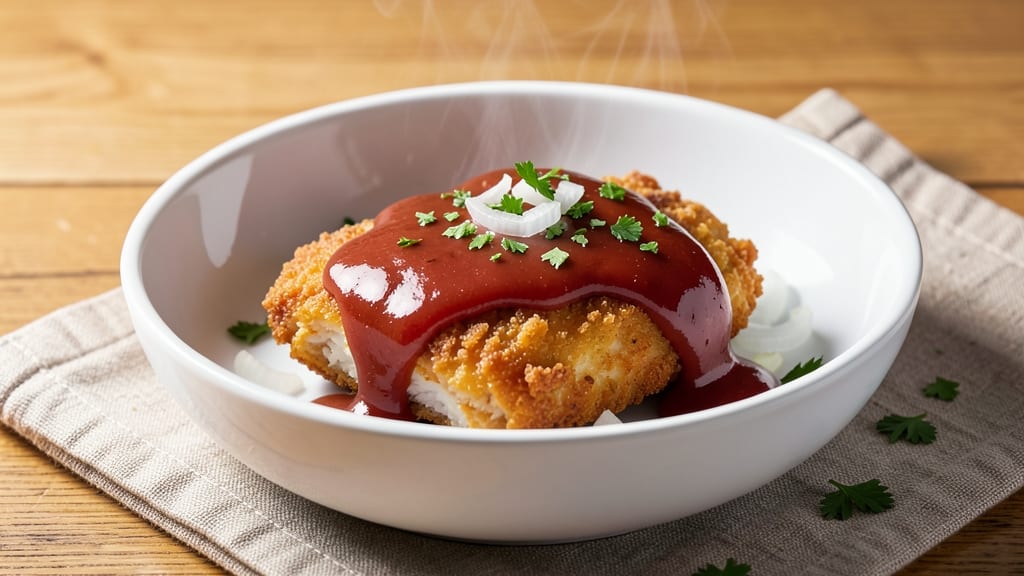
Applebee's classic buffalo sauce delivers that signature tangy-spicy kick that makes wings unforgettable. The secret lies in balancing heat with vinegar's bright acidity and rich butter, creating a sauce that's velvety yet bold. This foolproof recipe uses simple pantry staples to recreate that restaurant-quality zing at home.
The magic happens when you melt butter with cayenne and garlic powder, then slowly incorporate hot sauce and apple cider vinegar. This combination transforms ordinary hot sauce into something complex—smooth, tangy, and just spicy enough to linger. The sauce thickens beautifully when simmered, coating every bite perfectly.
What you'll end up with is a versatile sauce that works on wings, dips, or even as a salad dressing. It keeps well in the fridge for up to 2 weeks, making it perfect for meal prep.
The balance of heat and tang makes this sauce addictive—once you try it, you'll never go back to store-bought.
Use it as a dip for celery and carrots, a glaze for grilled chicken, or the star of your wing night. The recipe scales easily, so you can make a big batch for parties or save smaller portions for quick weeknight meals. Here's how to make it perfectly every time.
Ingredients for applebee's classic buffalo sauce
Simple pantry staples transform into Applebee's signature tangy-spicy buffalo sauce.
| Ingredient | Amount | Notes |
|---|---|---|
| Unsalted Butter 🧈 | ½ cup | Cold, cut into cubes for even melting |
| Hot Sauce 🌶️ | ½ cup | Frank's RedHot preferred for classic taste |
| Apple Cider Vinegar 🍎 | ¼ cup | Bragg or similar for authentic tang |
| Cayenne Pepper 🌶️ | 1 ½ tbsp | Adjust for desired heat level |
| Garlic Powder 🧄 | 1 tsp | Freshly ground preferred |
| Salt 🧂 | ½ tsp | Kosher or sea salt preferred |
| Black Pepper 🌶️ | ¼ tsp | Freshly ground for extra depth |
| Buttermilk 🥛 | ¼ cup | For velvety texture (optional) |
The butter is the base—use unsalted so you control the saltiness. Frank's RedHot is the gold standard for hot sauce, but any good-quality brand works. Apple cider vinegar gives that signature tang, so don't skip it. For the spices, garlic powder and cayenne are non-negotiable—they create that signature heat and depth. I always grab my butter from the coldest part of the fridge and cut it into cubes so it melts smoothly without burning. The buttermilk, if you use it, adds a silky texture that makes this sauce restaurant-quality.
No Frank's RedHot? Crystal or Louisiana hot sauces work in a pinch. Short on apple cider vinegar? White vinegar or lemon juice will do, but the flavor won't be quite the same. Want less heat? Cut the cayenne to 1 teaspoon or swap in ½ teaspoon smoked paprika for a milder kick. The buttermilk can be skipped if you're out—just thin the sauce with a splash of water at the end. For extra richness, add 1 teaspoon of melted butter at the finish. This sauce is all about balance, so taste as you go!
This sauce keeps beautifully in the fridge for up to 2 weeks in an airtight jar. It even freezes well for up to 6 months—just thaw in the fridge overnight. I like to make a double batch because it disappears fast. The buttermilk version thickens slightly as it sits, so you might need to stir it before using. For serving, I drizzle it over wings or toss it with celery and carrots for a quick snack. The leftovers make an amazing glaze for grilled chicken too—just thin with a splash of water if needed.
Why You'll Love This Recipe
- Five-Ingredient Magic: I swear by this recipe because it’s the kind of sauce that turns a simple dinner into something special—just butter, hot sauce, vinegar, cayenne, and garlic powder. No fancy techniques, no last-minute grocery runs. Honestly, I’ve made it while waiting for chicken to bake, and it still comes out perfectly tangy-spicy every time.
- Restaurant-Quality Heat: That perfect tangy kick? The apple cider vinegar cuts through the richness of the butter, while the cayenne delivers a slow-building heat. Here’s what sold me—it’s not just spicy, it’s balanced, with the garlic powder adding a subtle depth that makes it taste like it’s been simmering for hours. (Yes, even on a Tuesday night.)
- Game for Any Occasion: Slather it on wings for game day, toss it with pasta for a quick weeknight meal, or drizzle it over roasted veggies when you’re feeding a crowd. Between us, I’ve even used it to jazz up a grilled cheese sandwich when I was too tired to cook. It’s that kind of reliable.
- Leftovers That Don’t Let You Down: The sauce thickens beautifully when stored, so I always make extra—it keeps for weeks in the fridge. My daughter picks out the leftovers for her own snacks, but I’ll be real: I’ve caught myself sneaking a spoonful straight from the jar. Budget-friendly, versatile, and always delicious.
Step-by-step instructions for Applebee's classic buffalo sauce
Here's how to recreate that signature tangy, velvety heat at home—just like the restaurant version.
Melt Butter and Bloom the Spices
In a medium saucepan over medium-low heat, add the 0.5 cup unsalted butter cut into cubes. Let it melt completely, stirring occasionally until it's fully liquid and just starting to foam. This gentle heat prevents burning while allowing the butter to emulsify properly with the other ingredients.
Once the butter has melted, reduce the heat to low and add the 1.5 tablespoons cayenne pepper, 1 teaspoon garlic powder, 0.5 teaspoon salt, and 0.25 teaspoon black pepper. Stir constantly for 1-2 minutes until the spices are fully incorporated and the mixture smells aromatic. This step, called "blooming," awakens the flavors in the spices so they contribute fully to the sauce. Don't rush this—properly bloomed spices make all the difference in depth of flavor.
Combine Wet Ingredients for Tangy Balance
Increase the heat to medium and carefully whisk in the 0.5 cup hot sauce and 0.25 cup apple cider vinegar. You'll notice the mixture immediately start to bubble and thicken slightly as the acidity reacts with the butter. This is where the signature tang comes from—don't skip this step if you want that authentic Applebee's zing.
Let the mixture simmer gently for 3-4 minutes, stirring occasionally, until it begins to thicken slightly. You're looking for a consistency that coats the back of a spoon but isn't quite fully emulsified yet. The vinegar helps cut through the richness of the butter while adding that bright, tangy note that makes this sauce so distinctive. If you taste it now, you'll notice the heat from the cayenne and the sharpness from the vinegar working together.
Finish with Buttermilk for Velvety Texture
Remove the saucepan from heat and let the mixture cool slightly for 1-2 minutes. This cooling step is crucial—it prevents the buttermilk from curdling when you add it. Then, very slowly, whisk in the 0.25 cup buttermilk one tablespoon at a time. The buttermilk will cause the sauce to thicken dramatically and become silky smooth.
Return the sauce to low heat and stir gently for another 2-3 minutes until it reaches your desired consistency. It should coat the back of a spoon but still be pourable enough to glaze wings or drizzle over dishes. If it's too thick, add 1 teaspoon water at a time until you reach the perfect texture. The buttermilk not only creates that signature velvety mouthfeel but also balances the heat and tang for a well-rounded sauce.
Strain and Store for Perfect Results
For the smoothest texture, strain the sauce through a fine-mesh sieve into a clean bowl or jar. This removes any undissolved cayenne particles that might make the sauce too spicy in spots. The strained sauce will have that restaurant-quality smoothness that makes it so satisfying.
Let the sauce cool completely before storing. It will keep in the refrigerator for up to 1 week in an airtight container. For best results, give it a good stir before using—sometimes the spices settle. This sauce is incredibly versatile—use it on wings, drizzle it over burgers, or even mix it into mayonnaise for a spicy dip. The key to its success is that perfect balance of heat, tang, and creaminess that comes from following these steps exactly.
Pro Tips For Making Applebee'S Classic Buffalo Sauce
- SIMMER LOW AND SLOW: The recipe calls for a quick simmer, but I’ve learned the hard way—rushing this turns the sauce into a thin, vinegary glaze instead of a rich, velvety coating. Keep the heat at a gentle bubble (not a rolling boil) for the full 5 minutes. If you’re impatient like me, resist the urge to crank it up—your sauce will split and lose its depth.
- MELT BUTTER FULLY FIRST: Dumping cold butter into the hot sauce mix? Bad idea. Melt the butter first over low heat until it’s completely liquid and just starting to foam—this prevents clumping and ensures the sauce emulsifies smoothly. I used to skip this, and my sauce always looked grainy. Now it’s silky every time.
- USE REAL APPLE CIDER: The recipe says “apple cider vinegar,” but if you’re using store-bought vinegar (especially the cheap kind), you’re missing out. Real apple cider adds a subtle sweetness and complexity that cuts through the heat. If you’re in a pinch, add ½ teaspoon of sugar or honey to mimic it—but it’s not the same.
- TASTE AS YOU GO: The recipe’s measurements are a starting point, not gospel. After adding the hot sauce and vinegar, taste and adjust the heat with cayenne or the tang with a splash more vinegar. I’ve burned my tongue twice by blindly following the recipe—now I taste at every step and tweak. Your sauce should balance spicy, tangy, and buttery, not just “spicy.”
Troubleshooting this dish
Butter Burns Risk
If your butter burns before the spices bloom, you'll end up with a bitter, acrid sauce. To prevent this, keep the heat at medium-low when melting and never let it brown.
I've ruined more batches than I'd like to admit by rushing this step—trust me, patience pays off with that perfect velvety texture. 🔥
Sauce Too Thin?
If your sauce ends up too thin after simmering, don't panic. Simmer it uncovered for another 2-3 minutes to reduce it naturally. For an instant fix, whisk in 1 teaspoon cornstarch mixed with 1 tablespoon water until thickened.
The buttermilk version should thicken as it cools, but if you skipped it, a splash of heavy cream works too.
Spice Imbalance
Too much cayenne? Add 1 teaspoon honey or 1 tablespoon brown sugar to balance the heat. Not enough tang? Stir in 1 teaspoon more apple cider vinegar or a splash of lemon juice.
I always keep a small bowl of buttermilk nearby to adjust consistency and heat—it's my secret weapon for fixing batches that go wrong.
Curds in Buttermilk
If your sauce curdles when adding buttermilk, you likely added it too quickly or the mixture was too hot. Cool it completely first, then whisk in the buttermilk 1 tablespoon at a time while stirring constantly.
For a backup, blend the curdled sauce briefly to smooth it out—it'll still taste great, just less velvety.
Storage Issues
If your sauce separates after refrigeration, simply stir vigorously to recombine. For extra insurance, store it in a glass jar rather than plastic—it keeps better and won't absorb odors.
I've had batches last 3 weeks in the fridge when properly stored, though the flavor peaks within the first week. Freeze in ice cube trays for single-use portions!
Heat Level Off?
Want milder heat? Reduce cayenne to 1 teaspoon and add ½ teaspoon smoked paprika for depth. For extra kick, swap ½ cup hot sauce for Frank's RedHot—it's hotter but still maintains that classic tang.
I keep a small bottle of hot sauce on hand to adjust batches as I go. 🌶️
Nutrition facts
Frequently asked questions
Why does Applebee's buffalo sauce taste different from store-bought?
The restaurant version uses a specific balance of apple cider vinegar and buttermilk that creates that signature tangy-creamy texture. Most store-bought sauces skip these ingredients or use vinegar substitutes, which makes them taste sharper or thinner. The slow simmering process also helps develop deeper flavor than quick-mix versions.
Can I make this sauce without buttermilk?
Yes! If you're out of buttermilk, substitute with ¼ cup whole milk plus 1 teaspoon lemon juice or ¼ cup heavy cream. The sauce will still thicken nicely, though it may be slightly less velvety. For extra richness, add 1 teaspoon melted butter at the end to compensate for the missing tang.
How spicy should this buffalo sauce be?
The recipe delivers a medium-hot kick with noticeable heat but not overwhelming. For reference, it's roughly equivalent to 1.5 tablespoons of cayenne in a 1-cup sauce. If you prefer milder heat, reduce cayenne to 1 teaspoon and add ½ teaspoon smoked paprika for depth. For extra kick, use Frank's RedHot instead of generic hot sauce.
Can I use this sauce on foods other than wings?
This versatile sauce works perfectly as a dip for veggies or fries, a glaze for grilled chicken or fish, or even a salad dressing. For dressings, thin with 2 tablespoons water and whisk with ¼ cup mayonnaise. It also makes an amazing marinade—just add 1 tablespoon olive oil before using. The tangy-spicy flavor pairs well with almost any protein!
How do I fix a sauce that's too thick or too thin?
For too thick sauce, whisk in 1 teaspoon water at a time until smooth. For too thin sauce, simmer uncovered for 2-3 minutes to reduce naturally. If you need quick fixes: thin with 1 tablespoon water or thicken with 1 teaspoon cornstarch mixed with 1 tablespoon water. Always stir constantly to prevent lumps.