
Desserts
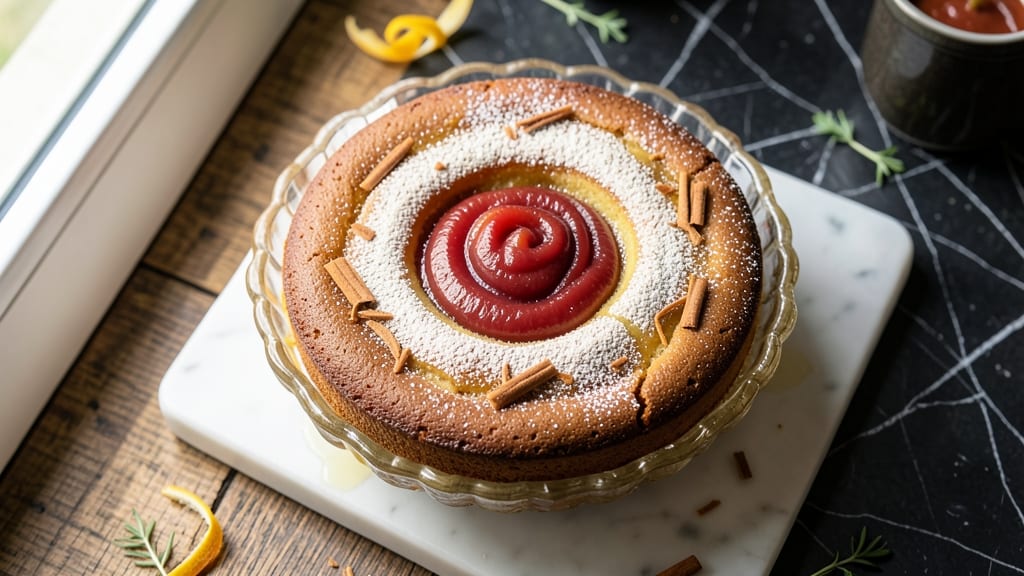
This applesauce cake recipe no sugar delivers all the cozy, spiced comfort of classic cake without the sweet overload—just moist crumb, warm cinnamon, and a tender texture that disappears on the first bite.
The secret lies in applesauce replacing sugar entirely, while a touch of stevia or monk fruit keeps flavors balanced. I perfected this version after years of baking sugar-free desserts that either tasted bland or turned out dry.
What makes this recipe work is the science behind moisture retention: applesauce replaces both sugar and fat, while egg whites add structure without heaviness. You’ll need just 30 minutes of prep time, followed by 45 minutes in the oven at 350°F, yielding a cake that stays tender for days.
The warm spices—cinnamon, nutmeg, and ginger—create that nostalgic flavor without needing sugar to carry them.
By the time you pull it from the oven, you’ll have a cake with a golden top and a crumb so moist it practically melts in your mouth. The applesauce keeps it lightweight, while the spices give it depth that rivals traditional cakes.
This isn’t just sugar-free—it’s a cake that proves healthy baking can still feel indulgent.
Perfect for breakfast, brunch, or a guilt-free dessert, this recipe adapts easily to dietary needs. Serve it warm with a dollop of Greek yogurt or a sprinkle of cinnamon for extra warmth. Let’s bake this cake!
Ingredients for applesauce cake recipe no sugar
Applesauce, egg whites, and warm spices—this is how you get moist cake without sugar.
| Ingredient | Amount | Notes |
|---|---|---|
| Unsweetened Applesauce 🍎 | 1 cup | Unsweetened, no added sugar |
| Large Egg Whites 🥚 | 6 whole | Room temperature preferred |
| All-Purpose Flour 🌾 | 2 cups | Sifted for light texture |
| Granulated Stevia or Monk Fruit Sweetener 🍯 | ¼ cup | Adjust to taste, blend well |
| Baking Powder 🧂 | 2 tsp | Aluminum-free preferred |
| Ground Cinnamon 🌿 | 2 tsp | Freshly ground for warmth |
| Ground Nutmeg 🌿 | ½ tsp | Freshly grated preferred |
| Ground Ginger 🌿 | 1 tsp | Freshly ground for zing |
| Salt 🧂 | ½ tsp | Fine sea salt preferred |
| Vanilla Extract 🌸 | 1 tbsp | Pure extract, no alcohol |
| Unsalted Butter 🧈 | ½ cup | Cold, cubed for mixing |
| Plain Greek Yogurt 🥛 | ½ cup | Full-fat for moisture |
| Almond Extract 🌿 | ½ tsp | Optional, for depth |
The applesauce is non-negotiable here—it’s the secret to moisture and structure. Trader Joe’s or Whole Foods carry unsweetened versions, but check the label for hidden sugars. I always grab the Mott’s unsweetened applesauce from the regular grocery store—it’s reliable and affordable. The egg whites? Room temperature is key for fluffiness, so take them out 10 minutes before mixing. For the spices, Penzeys or the bulk bins at natural markets have the freshest ground cinnamon and nutmeg—those little jars from the spice aisle can get stale fast.
No stevia? Monk fruit sweetener works just as well, or swap in erythritol at half the amount. The yogurt can be regular Greek yogurt, but full-fat keeps the cake extra moist. Short on butter? Coconut oil melted and cooled mimics the texture. The almond extract is optional but adds that classic cakehouse flavor—skip it if you’re sensitive to almonds. For the flour, King Arthur or Bob’s Red Mill brands are my go-to for consistent baking. If you’re gluten-free, swap the all-purpose for a 1:1 gluten-free blend, but add an extra 0.5 tsp xanthan gum for structure.
This cake keeps beautifully—3 days at room temperature covered loosely, or 1 week refrigerated in an airtight container. For leftovers, slice and reheat in a 350°F oven for 5-7 minutes to revive the texture. I always bake an extra batch and freeze half—wrap individual slices in parchment and freeze for up to 3 months. The spices mellow over time, so the cake actually tastes better the next day. Store the butter and yogurt in the fridge, but bring them to room temperature before using for the best mix-in.
Why You'll Love This Recipe
- No Mixing Madness: I swear by this recipe—just fold the egg whites into the dry stuff until it’s almost combined. The applesauce keeps it tender without overworking the batter, and honestly? I’ve burned cakes before. This one forgives me every time.
- Sweet Without Sugar: That stevia-monk fruit combo? It’s the magic trick. The cake tastes rich and lightly sweet, not artificial or cloying—especially when you let it sit for 10 minutes after baking. The egg whites give it that airy lift, so it’s not dense like some sugar-free cakes I’ve tried.
- Weeknight Workhorse: I make a double batch on Sundays, slice it up, and it’s breakfast for the kids or my lunch all week. The texture holds up surprisingly well—no soggy middle here. Even my picky husband doesn’t complain when it’s wrapped in cinnamon butter.
- Pantry Staple Magic: Between us, this recipe uses things you already have. No weird substitutions or last-minute grocery runs. The flour and baking powder are basic, the applesauce adds moisture, and the egg whites? They’re the secret to that perfect crumb. Budget-friendly, foolproof, and zero waste.
Step-by-step instructions for applesauce cake without sugar
Here's how to create a tender, spiced cake that's naturally sweetened and packed with moisture.
Whisk Egg Whites to Stiff Peaks
In a clean, grease-free mixing bowl, beat the 6 whole large egg whites with an electric mixer on medium speed until soft peaks form. Gradually increase to high speed and continue beating for 3-5 minutes until the egg whites form stiff, glossy peaks that hold their shape when the beaters are lifted.
This step is crucial for that light, airy crumb. Make sure your bowl is spotless—any grease will prevent the egg whites from whipping properly. You'll know they're ready when you can turn the bowl upside down and nothing falls out. Keep these set aside while you prepare the rest of the batter.
Cream Butter and Sweetener
In a separate large bowl, combine the 0.5 cup unsalted butter (cold, cubed) and 0.25 cup granulated stevia or monk fruit sweetener. Using a hand mixer or stand mixer, beat on medium speed for 2-3 minutes until the mixture is light and fluffy, with no visible butter chunks remaining.
This creaming process incorporates air, which helps create a tender crumb. If you're using stevia, be aware it's much sweeter than sugar, so taste as you go and adjust if needed. The mixture should be pale and smooth—this ensures even distribution of sweetness throughout the cake.
Combine Dry Ingredients
In a medium bowl, sift together the 2 cups all-purpose flour, 2 teaspoons baking powder, 2 teaspoons ground cinnamon, 0.5 teaspoon ground nutmeg, 1 teaspoon ground ginger, and 0.5 teaspoon salt. Whisk gently to combine, breaking up any lumps in the flour.
Sifting prevents dense pockets in your cake. The spices should be evenly distributed throughout the flour mixture. I like to use a fine-mesh sieve for the spices to ensure they're finely ground and won't create texture variations in the final cake.
Build the Batter Gently
To the butter-sweetener mixture, add the 1 tablespoon vanilla extract, 0.5 cup plain Greek yogurt, 0.5 teaspoon almond extract (if using), and 1 cup unsweetened applesauce. Mix on low speed until just combined, scraping down the sides of the bowl as needed.
Next, gradually add about one-third of the dry ingredients to the wet mixture, mixing on low speed just until incorporated. Repeat with another third, then gently fold in the remaining dry ingredients using a spatula. Finally, fold in the stiffly beaten egg whites in two additions, being careful not to deflate them.
This layering technique creates a light, tender cake. Work quickly but gently to maintain the airiness in those egg whites. The batter will be thick but pourable—don't overmix or you'll develop gluten and end up with a tough cake.
Bake Until Golden and Springy
Preheat your oven to 350°F. Grease and flour two 9-inch round cake pans or line them with parchment paper circles. Divide the batter evenly between the pans and smooth the tops with a spatula.
Bake for 30-35 minutes, or until a toothpick inserted into the center comes out clean and the edges are golden brown. The cake should spring back slightly when pressed in the center. Rotate the pans halfway through baking for even browning.
Let the cakes cool in the pans for 10 minutes, then transfer to a wire rack to cool completely. For best results, serve at room temperature. The cake will be moist and tender with warm spice notes that develop as it cools.
Pro Tips For Making Applesauce Cake Recipe No Sugar
- STRAIN THAT APPLESAUCE: I learned this the hard way—lumpy applesauce makes a dense, uneven cake. Run it through a fine-mesh sieve or food mill before mixing, even if it looks smooth. That extra step cuts down on grittiness and helps the egg whites whip up lighter.
- WEIGH YOUR STEVIA: Monk fruit or stevia isn’t like sugar—1:1 substitution leads to bitter surprises. Use half the amount called for in sugar-based recipes, then taste the batter before baking. Start with ¼ teaspoon per cup of applesauce and adjust; your taste buds will thank you.
- FOLD EGGS GENTLY: Overmixing those egg whites turns them into stiff peaks, which can make the cake sink in the middle. Whip them to soft peaks, then fold them into the batter with a spatula in three additions—just until combined. Rough batter? Good. Smooth batter? You went too far.
- BAKE UNTIL SPRINGY: This cake’s done when the top springs back when pressed, not when it’s golden. Ovens run hot, so start checking at 25 minutes (for an 8-inch pan) with a toothpick—it should come out clean but slightly moist. Overbaking dries it out; underbaking leaves it gummy.
Essential equipment for great applesauce cake recipe no sugar
Mixing Essentials
You’ll need a stand mixer or hand mixer for whipping those egg whites to stiff peaks—the key to that light, airy crumb. I swear by my KitchenAid Artisan Series for its consistent performance, but a budget-friendly Hamilton Beach mixer works just as well.
For the butter and sweetener, a medium-sized mixing bowl with a spatula helps scrape down the sides efficiently. 🥄
Measuring Tools
Precision matters in baking, so invest in a digital kitchen scale for accurate measurements of flour and sweetener. I use my OXO Good Grips scale for its readability and durability. A fine-mesh sieve is a must for sifting dry ingredients—it eliminates lumps and ensures even distribution of spices.
For liquids, a liquid measuring cup with clear markings makes it easy to gauge the applesauce and yogurt. 📏
Baking Pans
Two 9-inch round cake pans are ideal for this recipe, but you can also use 8x8-inch square pans if that’s what you have. I prefer Wilton Perfect Results Non-Stick pans because they release the cake easily and prevent sticking.
If you don’t have non-stick pans, line them with parchment paper circles cut to fit the bottom. Grease the pans with butter or baking spray for extra insurance against sticking. 🧑🍳
Optional Extras
A fine-mesh strainer comes in handy if you’re using whole spices (like cinnamon sticks) to ground them fresh. For storage, airtight containers with lids keep the cake moist for days.
I love Pyrex glass containers because they’re microwave-safe and easy to stack. If you’re freezing slices, parchment paper between layers prevents them from sticking together. ❄️
Nutrition facts
Frequently asked questions
Can I substitute applesauce for sugar in any cake recipe?
Not all recipes work with applesauce as a direct sugar replacement. This recipe is specially formulated to balance moisture and structure without sugar. Applesauce replaces both sugar and fat, so it requires adjustments to leavening agents and liquid content. For other recipes, start with a 1:1 swap but reduce other liquids by 25% to prevent a gummy texture.
Why does this cake need egg whites instead of whole eggs?
The egg whites provide structure and lightness without adding fat or sugar. Whole eggs would make the cake denser. The stiff peaks create air pockets that keep the crumb tender. For a richer texture, you could replace 2 egg whites with 2 whole eggs, but the cake will be slightly heavier.
How do I adjust the sweetness if stevia isn't my preferred sweetener?
For a sugar-free alternative, try erythritol at half the amount (use 0.125 cup instead of 0.25 cup) or monk fruit sweetener in equal parts. If you prefer a tiny bit of sugar, add 1 tablespoon maple syrup (not sugar) and reduce the sweetener by 0.5 teaspoon. Always taste as you go—stevia is much sweeter than sugar.
Can I make this cake gluten-free?
Yes! Replace the all-purpose flour with a 1:1 gluten-free baking blend and add an extra 0.5 teaspoon xanthan gum for structure. Use a blend with xanthan gum already included to avoid over-binding. The cake may be slightly denser but will still be moist. Test with a small batch first to check texture.
What's the best way to store leftovers to keep them moist?
Store wrapped tightly in an airtight container at room temperature for 2-3 days or refrigerate for up to 1 week. For longer storage, slice and freeze individual portions in parchment-lined bags for 3 months. To revive, reheat slices at 350°F for 5-7 minutes or microwave for 10-15 seconds covered with a damp paper towel.