
Sauces & Condiments
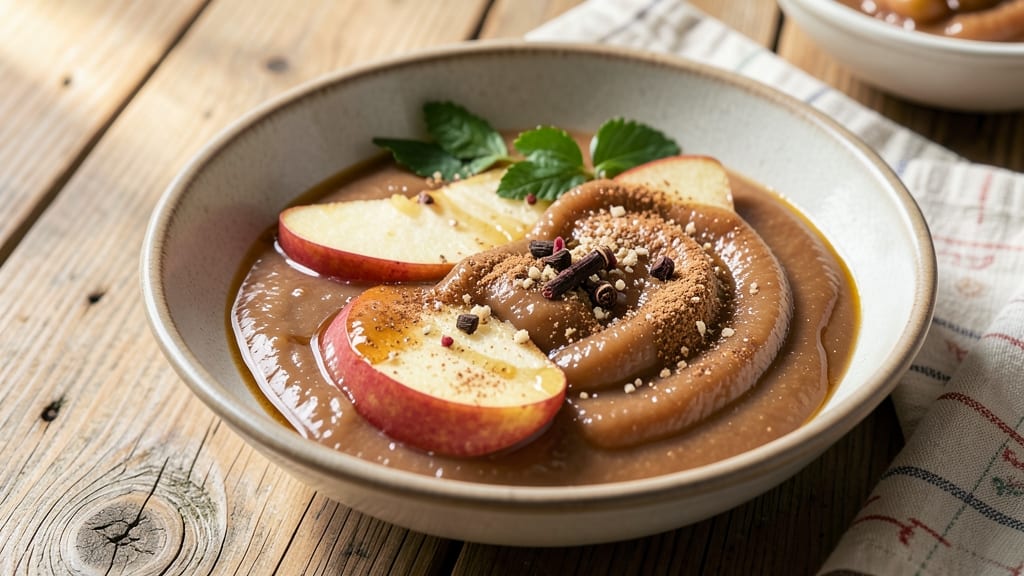
This vegan applesauce recipe with unpeeled apples transforms simple fruit into a velvety, spiced condiment that skips the waste of peeling.
The skins add subtle earthiness and natural sweetness, while cinnamon and a touch of maple syrup create a warm, comforting flavor that works as a topping, spread, or even a pie filling. No special equipment is needed—just a pot, some patience, and a few pantry staples.
The beauty of this method lies in its simplicity: unpeeled apples simmer until tender, then blend or mash to your preferred texture. The spices—cinnamon, nutmeg, and a pinch of clove—infuse the sauce with cozy warmth, while the apples' natural sugars caramelize slightly for depth.
Unlike store-bought versions, this recipe avoids additives, delivering a cleaner, more vibrant taste that’s perfect for breakfast or dessert.
What you’ll end up with is a smooth or lightly textured applesauce that’s rich enough to stand alone but versatile enough to pair with toast, oatmeal, or roasted meats.
The unpeeled apples keep the process efficient and reduce food waste, making it a thoughtful choice for both your pantry and the planet. Ready in under 30 minutes, this recipe is a game-changer for anyone who loves homemade, wholesome flavors.
For extra depth, try adding a splash of apple cider or a squeeze of lemon juice at the end. The sauce thickens as it cools, so adjust the liquid to your preference—whether you like it silky or just slightly chunky.
Store it in the fridge for up to a week or freeze for longer shelf life. Let’s make this applesauce!
Ingredients for applesauce recipe unpeeled apples
Eight simple ingredients transform humble apples into velvety, spiced applesauce—no peeling required.
| Ingredient | Amount | Notes |
|---|---|---|
| Unpeeled Apples 🍎 | 4 medium | Mixed varieties for balance |
| Water 💧 | 1 cup | Adjust for preferred thickness |
| Pure Maple Syrup 🍯 | ¼ cup | Grade B for deeper flavor |
| Ground Cinnamon 🍃 | 1 tbsp | Freshly ground preferred |
| Ground Nutmeg 🌿 | ½ tsp | Freshly grated is best |
| Ground Cloves 🌶️ | ¼ tsp | Use sparingly for warmth |
| Apple Cider Vinegar 🍏 | 1 tbsp | Preserves freshness |
| Lemon Juice 🍋 | 1 tbsp | Freshly squeezed |
| Sea Salt 🧂 | ¼ tsp | Enhances natural sweetness |
The apples are the star, so pick a mix of sweet and tart varieties—Granny Smith and Honeycrisp work perfectly. Trader Joe's usually has great organic options, or check the produce section for firm, unblemished fruit. Avoid apples with soft spots or bruises, as they’ll make the sauce mushy. If you can’t find Grade B maple syrup (the good stuff with sediment), Grade A Dark Amber is a solid backup—just use the same amount. The vinegar and lemon juice might seem odd, but they brighten the flavors and help preserve color. Trust me on this.
No maple syrup? Agave nectar or coconut sugar works in a pinch, though maple’s depth is unmatched. Running low on cloves? Allspice or a pinch of cinnamon will still give you warmth. Want more tang? Add an extra tablespoon of lemon juice. The water amount is flexible—start with 1 cup, then blend or mash to your preferred texture. If you like it chunky, skip the blender entirely. For extra richness, a splash of vanilla extract at the end adds a cozy touch.
This sauce keeps beautifully—1 week in the fridge or 6 months in the freezer. Store it in airtight jars, and the spices will keep it fresh longer. For freezing, leave a little headspace since it thickens as it cools. I like to portion it into small jars for easy grab-and-go breakfasts. The sauce actually tastes better the next day once the flavors meld. Don’t be afraid to experiment with textures—some days I blend it smooth, other days I leave it rustic.
Why You'll Love This Recipe
- No Peel, All Flavor: I’ll admit, I used to peel apples for this—until I realized the skin just adds depth. That subtle tartness from the unpeeled fruit balances the sweetness of maple syrup like nothing else.
- One-Pot Magic: Honestly, this recipe is about as simple as it gets: chop, simmer, blend. No fancy gadgets, no second pans, and the best part? The scent of cinnamon and nutmeg filling my kitchen while it cooks.
- Pantry Staple Power: Between us, maple syrup and spices are already in my cupboards. No need to raid the grocery store—just grab apples, and you’re golden. (Yes, even on a Tuesday night when you’re craving something warm.)
- Leftovers That Last: This applesauce keeps for weeks in the fridge, and it’s perfect for quick breakfasts or sneaking into oatmeal when I’m in a rush. The nutmeg keeps it interesting, so it never feels like a repeat.
Step-by-step instructions for spiced applesauce with unpeeled apples
Here's how to make rich, flavorful applesauce keeping all the skin's goodness intact.
Core and Chop the Unpeeled Apples
Start by coring each of the 4 medium unpeeled apples using an apple corer or sharp knife. I like to make a small cross cut at the top first - this gives me better leverage when removing the core. Cut each apple into 8 equal wedges, keeping the skin intact. The skins will soften during cooking and add wonderful texture and nutrients.
As you chop, I recommend using a mix of varieties like Honeycrisp and Granny Smith for balance - the Honeycrisp adds natural sweetness while the Granny Smith provides tartness. Place the chopped apples in a large pot. You'll end up with about 6 cups of chopped apples, which is perfect for this recipe.
Combine All Ingredients and Simmer
Add the 1 cup water, 0.25 cup pure maple syrup, 1 tablespoon ground cinnamon, 0.5 teaspoon ground nutmeg, 0.25 teaspoon ground cloves, 1 tablespoon apple cider vinegar, 1 tablespoon lemon juice, and 0.25 teaspoon sea salt to the pot with the apples. Stir everything together gently but thoroughly to distribute all the spices evenly.
Here's the thing - the spices need to infuse properly, so make sure they're well mixed with the apples. Place the pot over medium heat and bring the mixture to a gentle boil. Once boiling, reduce heat to medium-low and let it simmer uncovered for 20-25 minutes. You'll know it's ready when the apples are completely tender and the sauce has thickened to your preferred consistency.
Cook Until Perfect Texture
While simmering, I like to stir the apples occasionally to prevent sticking and ensure even cooking. The skins will soften and blend into the sauce, adding natural sweetness and fiber. After about 20 minutes, test for doneness by mashing a small spoonful between your fingers - it should be completely smooth with no resistance.
If you prefer a thicker applesauce, continue simmering uncovered for another 5-10 minutes until it reaches your desired consistency. The sauce should coat the back of a spoon but still be spreadable. Watch carefully - it thickens quickly as the moisture evaporates. For a smoother texture, you can press the cooked apples through a fine-mesh sieve after cooking.
Finish and Store
Once the applesauce reaches your preferred thickness, remove it from heat. Taste and adjust sweetness if needed - you can add more maple syrup if desired. Let it cool for 5 minutes before transferring to serving bowls or storage containers. The flavors will meld beautifully as it cools.
This applesauce keeps well in the refrigerator for up to 1 week or can be frozen for up to 6 months. I like to serve it warm with breakfast or as a natural sweetener in oatmeal. The spices really shine when the sauce has cooled slightly, so try it cold too - the flavors develop beautifully overnight in the fridge.
Pro Tips For Making Applesauce Recipe Unpeeled Apples
- CUT APPLES EVENLY: Grab a sharp chef’s knife and slice the apples into ¼-inch chunks—no smaller, or they’ll turn to mush. I learned this the hard way when I rushed and ended up with a watery, sad applesauce. A mandoline helps if you’re impatient, but a steady hand works too.
- USE JUST ENOUGH WATER: Start with ½ cup water per 4 cups chopped apples, then add more only if needed. Too much liquid dilutes the flavor and stretches the maple syrup too thin. I used to eyeball it and always regretted it—measure it like you would any other ingredient.
- STIR AND TEND THE HEAT: Keep the pot at a gentle simmer, stirring every 5 minutes to prevent sticking. After burning two batches, I finally realized the apples need to cook slowly and evenly—don’t walk away. A wooden spoon helps scrape up the browned bits, which add depth.
- SWEETEN AFTER COOKING: Add the maple syrup off the heat and stir it in last. Cooking it too long with the syrup can make it taste cloying. I was skeptical until I tried it—now I swear by it. This keeps the natural apple flavor bright and the sweetness balanced.
Storing and reheating this recipe
Fridge Storage Tips
Transfer your applesauce to clean, airtight glass jars while still warm to prevent condensation buildup. I use 8-ounce mason jars because they’re perfect for portion control and stack neatly in the fridge.
Store at 40°F or below—this keeps the sauce fresh for up to 1 week. The spices and vinegar naturally preserve it, but always check for any mold before reheating. 💧
For best flavor development, let the sauce cool completely before sealing. The spices infuse deeper overnight, so I often make a big batch on Sunday for the week. If you notice the sauce separating, simply stir it before reheating—it’s completely normal and doesn’t affect taste.
Freezer Preservation
Applesauce freezes beautifully for up to 6 months if stored properly. Use freezer-safe plastic containers or silicone ice cube trays for individual portions—these are great for quick breakfasts. Leave ½-inch headspace since the sauce thickens as it freezes. Label with the date to track freshness. ❄️
Thaw overnight in the fridge for the best texture. Avoid microwave reheating directly from frozen—it can make the sauce watery. Instead, transfer to a saucepan and warm gently over low heat while stirring occasionally.
If it thickens too much after thawing, add 1-2 tablespoons of water or apple cider to restore consistency.
Reheating Methods
For stovetop reheating, transfer the desired amount to a small saucepan and warm over medium-low heat for 3-5 minutes, stirring frequently. The sauce should reach 165°F to kill any bacteria.
I like to add a splash of water or apple cider if it’s too thick—just enough to loosen it up. 🔥
For microwave reheating, use 50% power in 30-second intervals, stirring between each interval. Overheating can break down the spices and make the sauce grainy. If you prefer a smoother texture, strain through a fine-mesh sieve after reheating.
The microwave works best for quick servings, but stovetop reheating preserves the best flavor.
Texture Recovery
If your applesauce turns out too thick after reheating, simply stir in 1-2 tablespoons of water or apple juice until it reaches your desired consistency. For a chunkier texture, mash the reheated sauce with a fork or potato masher.
If it’s too thin, simmer uncovered for 2-3 minutes to reduce the liquid. 🍏
Pro tip: If you’re reheating for baking (like in muffins or pies), stir in ½ teaspoon of lemon juice to brighten the flavors. The acidity cuts through the richness and enhances the spices. Always taste as you go—adjustments are key to perfecting homemade applesauce every time.
Nutrition facts
Frequently asked questions
Why use unpeeled apples in applesauce?
The skins add natural sweetness, fiber, and subtle earthiness that enhances flavor! They also reduce food waste and keep the recipe simple. The skins soften during cooking, blending seamlessly into the sauce while adding nutrients like antioxidants.
Can I make this applesauce without added sweetener?
Yes! Use 5-6 tart apples (like Granny Smith) and reduce maple syrup to 2 tablespoons. Simmer longer to concentrate natural sugars. Taste as you go—some varieties need extra time to caramelize.
How do I adjust the texture—smooth vs. chunky?
For smooth sauce, blend after cooking or press through a sieve. For chunky texture, mash with a fork or potato masher. If too thick, add 1-2 tablespoons water or apple cider while warm.
Will this applesauce work in baking recipes?
It’s perfect for muffins, pies, or bread. Use 1:1 substitution (e.g., 1 cup applesauce = 1 cup butter/oil). For extra moisture, add ½ teaspoon lemon juice to balance flavors. The spices complement baked goods beautifully!
What if my applesauce tastes bland?
Boost flavor with extra spices (try ½ teaspoon cardamom) or a pinch of salt. For depth, simmer 5 minutes longer to caramelize sugars. If using very sweet apples, add 1 teaspoon apple cider vinegar to brighten the taste.