
Sauces & Condiments
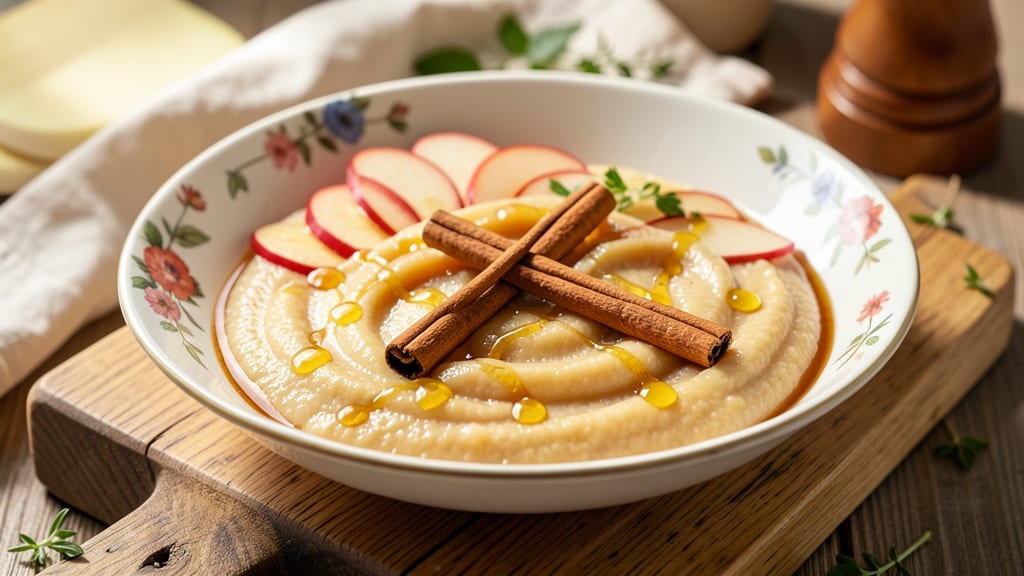
This applesauce recipe with apple cider vinegar transforms ordinary apples into a bright, tangy-sweet condiment that elevates everything from pork chops to pancakes. The secret lies in balancing sweetness with vinegar’s sharpness, creating a sauce that’s vibrant yet versatile—no added sugar required if you prefer.
I developed this version after realizing how often store-bought applesauce lacked depth, and the vinegar makes all the difference.
The process is simpler than you’d think: peel, core, and cook apples with just a splash of vinegar, cinnamon, and a touch of sweetener (if using). Stovetop takes about 20 minutes, while slow-cooker or oven methods let flavors meld even deeper.
The texture stays naturally chunky—no blending needed—though you can smooth it out for a different finish. What you end up with is a condiment that’s tangy enough to cut through rich dishes but sweet enough to satisfy.
Perfect for drizzling over roasted meats, mixing into oatmeal, or pairing with cheese boards, this applesauce keeps beautifully in the fridge for up to 5 days or freezes for months. The vinegar not only adds complexity but also acts as a natural preservative, keeping the sauce fresh longer.
It’s the kind of recipe that proves simple ingredients can deliver restaurant-quality results with minimal effort.
Whether you’re making a big batch for the week or a small jar for a holiday gift, this method delivers consistent, foolproof results. The key is patience—letting the vinegar and spices infuse the apples as they cook.
Once you try it, you’ll never go back to bland, store-bought versions again. Let’s get started!
Ingredients for applesauce recipe with apple cider vinegar
Eight simple ingredients transform ordinary apples into vibrant, tangy-sweet applesauce with restaurant-quality depth.
| Ingredient | Amount | Notes |
|---|---|---|
| Honeycrisp or Granny Smith Apples 🍎 | 4 lb | Peeled, cored, cut into chunks |
| Apple Cider Vinegar 🍶 | ¼ cup | Raw, unfiltered preferred |
| Cinnamon Sticks 🌿 | 2 whole | Or 1 tsp ground cinnamon |
| Maple Syrup 🍁 | ¼ cup | Grade B for deeper flavor |
| Fresh Lemon Juice 🍋 | 2 tbsp | Brightens the tanginess |
| Ground Ginger 🌿 | 1 tsp | Freshly grated preferred |
| Sea Salt 🧂 | ½ tsp | Diamond Crystal preferred |
| Water 💧 | ½ cup | For even cooking |
The apples are the foundation, so Honeycrisp or Granny Smith are ideal—Honeycrisp for sweetness, Granny Smith for tartness. Local farmers markets often have better quality than grocery stores, and organic apples avoid pesticide residue. If you can't find either, Fuji or Gala work in a pinch, though they lack the same depth of flavor. For a big batch, Costco or Trader Joe's sell apples in bulk, saving money while ensuring freshness. Look for firm apples with no bruising—soft spots mean the apples will turn mushy during cooking.
No apple cider vinegar? White vinegar or balsamic vinegar work in a bind, but raw, unfiltered has the best flavor. Swap maple syrup for agave nectar or coconut sugar if preferred, though maple adds a rich caramel note. Fresh ginger is worth the effort—it brightens the sauce more than ground—but if you only have ground, double the amount for maximum impact. The lemon juice can be omitted if you dislike tartness, but it balances the sweetness beautifully. For a smoother texture, blend after cooking, though the chunky version has more character.
This applesauce keeps beautifully in the fridge for up to 5 days in an airtight jar, or freeze for 6 months in portion-sized containers. The vinegar acts as a natural preservative, so it stays fresh longer than traditional applesauce. For gifting, use small mason jars—Trader Joe's or World Market sell them in bulk. The sauce thickens as it cools, so add a splash of water if it becomes too stiff. Reheat gently on the stovetop or microwave, stirring occasionally to maintain texture.
Why You'll Love This Recipe
- No-Peel Hassle: I swear by this recipe because you can skip peeling—just core and chop those Honeycrisp apples into big chunks. The skin adds texture and a subtle earthiness, and the apple cider vinegar cuts through any bitterness, making it foolproof for busy nights.
- Tangy-Sweet Magic: That splash of apple cider vinegar? It’s the secret weapon. It brightens the maple syrup’s richness while the cinnamon sticks infuse warmth without overpowering. Honestly, I’ve never made applesauce that doesn’t taste like a cozy autumn hug.
- Breakfast to Dessert: This isn’t just for oatmeal—toss it into yogurt, drizzle it over pancakes, or even use it as a glaze for roasted chicken. Between us, I’ve even stirred it into smoothies when I’m craving something sweet but still want a kick of acidity.
- Lasts All Week: The vinegar and lemon juice act like natural preservatives, so this applesauce stays fresh for days in the fridge. I make a big batch on Sundays, and by Wednesday, I’m still sneaking spoonfuls straight from the jar—no guilt, just pure satisfaction.
Step-by-step instructions for applesauce with apple cider vinegar
This method delivers perfectly balanced applesauce with vibrant tang and natural sweetness.
Prepare the Apples for Cooking
Start by peeling, coring, and cutting the 4 lb Honeycrisp or Granny Smith Apples into even 1-inch chunks. I use a sharp chef's knife for this—it gives you cleaner cuts and less bruising. For best results, work in batches if needed to keep your cutting surface clear. The smaller and more uniform the pieces, the more evenly they'll cook and break down.
Place the apple chunks in a large mixing bowl. Add the 2 whole Cinnamon Sticks and toss gently to distribute them evenly. This early infusion allows the cinnamon's warm aroma to permeate the apples before cooking. I like to give it a quick stir with a wooden spoon—just enough to coat the apples lightly without breaking them up.
Simmer the Apples Until Tender
Transfer the apple mixture to a large, heavy-bottomed pot (I prefer Dutch ovens for even heat distribution). Add the 0.5 cup Water, 0.25 cup Apple Cider Vinegar, 0.25 cup Maple Syrup, and 2 tbsp Fresh Lemon Juice. Stir everything together, then bring to a boil over medium-high heat. Once boiling, reduce heat to medium-low and let it simmer uncovered for 20-25 minutes, stirring occasionally.
You'll know the apples are tender when they easily mash between a fork and spoon. I test this by pressing a chunk with my fork—when it breaks down completely with minimal resistance, it's ready. The apples should also release their juices freely, creating a light sauce around them. If the mixture looks too dry, add 1-2 tablespoons of water to maintain the right consistency.
Season and Finish the Applesauce
Once the apples are tender, remove the 2 whole Cinnamon Sticks (discard or save for another use). Stir in the 1 tsp Ground Ginger and 0.5 tsp Sea Salt, mixing well to distribute the spices evenly. Taste and adjust the balance—you want a harmonious blend of sweet, tangy, and spicy notes. If it needs more brightness, add a splash of the fresh lemon juice you reserved.
For a smoother texture, use an immersion blender to partially blend the applesauce—just until it reaches your preferred consistency. If you prefer it chunky, simply mash with a potato masher. Let it cool for 5 minutes before serving, as this allows the flavors to meld completely. The applesauce should have a vibrant golden color with a glossy sheen from the apple cider vinegar and maple syrup.
Pro Tips For Making Applesauce Recipe With Apple Cider Vinegar
- PEEL BEFORE COOKING: I learned this the hard way—peeling Honeycrisp apples first saves you from gummy texture later. The skins hold stubborn starch, and even with vinegar, they’ll make your sauce thick and gluey if left on.
- USE 1 TABLESPOON VINEGAR PER POUND: Too much vinegar turns your applesauce into a tangy glaze; too little won’t balance the sweetness. Start with 1 tablespoon per pound of apples and adjust—Granny Smiths need slightly more than Honeycrisp.
- ADD LEMON JUICE LAST: The acid in lemon juice breaks down faster when heated, so toss it in during the final 2 minutes of cooking. This keeps the bright citrus flavor instead of letting it mellow into the background.
- SIMMER UNTIL SKINS CRACK: Don’t rush the cook time—wait until the apple skins start splitting open. That’s when the pectin fully releases, giving you a naturally thick, velvety sauce that doesn’t need extra starch.
Storing and reheating your applesauce recipe with apple cider vinegar
Fridge Storage Tips
Store your applesauce in an airtight glass jar—I prefer mason jars with rubber seals for a snug fit. Keep it refrigerated at 40°F or below for up to 5 days while maintaining its bright, tangy flavor.
The vinegar acts as a natural preservative, so it stays fresher longer than traditional applesauce. If you notice the sauce thickening after refrigeration, simply stir in 1 tablespoon of water to restore its smooth consistency. 💧
Freezing for Long-Term Use
For longer storage, portion the applesauce into freezer-safe containers or silicone molds—I love the OXO Good Grips line for their leak-proof design. Leave ½-inch headspace to prevent cracking during freezing. Label with the date and freeze for up to 6 months.
The texture remains chunky upon thawing, though you can blend it slightly if you prefer a smoother finish. Thaw overnight in the fridge for best results. ❄️
Reheating Methods
To reheat, transfer the applesauce to a small saucepan and warm over low heat for 3-5 minutes, stirring occasionally. Avoid boiling, as this can break down the texture. For microwave reheating, use 50% power in 30-second intervals, stirring between each, until warmed through.
If the sauce seems too thick after reheating, add 1-2 teaspoons of water or apple cider vinegar to restore its balance. 🔥
Gift-Worthy Packaging
For gifting, use small 8-ounce mason jars—they’re perfect for single servings. Tie a muslin cloth or parchment paper around the lid with twine for a rustic touch. I add a handwritten note about the recipe and suggest pairing it with cheese boards or pork dishes.
The vinegar’s tang makes it a standout condiment that’s far more interesting than store-bought versions. 🎁
Reviving Stale Applesauce
If your applesauce loses its vibrancy after storage, revive it by adding 1 teaspoon of fresh lemon juice and ½ teaspoon of apple cider vinegar per cup of sauce. Warm gently and taste—this restores the bright, tangy balance.
For texture, mash with a fork to break up any clumps. The vinegar’s acidity helps cut through any dullness, making it taste fresh again. ✨
Nutrition facts
Frequently asked questions
Why does this applesauce recipe use apple cider vinegar?
The vinegar adds a bright, tangy depth that cuts through sweetness while acting as a natural preservative. It enhances flavor complexity and balances the natural sugars in the apples, creating a more vibrant sauce than traditional recipes.
Can I make this applesauce without sweetener?
Yes! The natural sweetness of Honeycrisp or Granny Smith apples often balances well with the tartness of apple cider vinegar. If using tart apples like Granny Smith, you may need just 1-2 tablespoons of maple syrup instead of the full ¼ cup. Taste as you go and adjust to preference.
How do I adjust the texture—chunky vs. smooth?
For chunky applesauce, simply mash with a potato masher after cooking. For a smoother version, use an immersion blender for 10-15 seconds until desired consistency. The recipe intentionally leaves it chunky to preserve texture and natural apple pieces.
What's the best way to use leftover applesauce?
This tangy-sweet sauce works beautifully drizzled over roasted meats, mixed into oatmeal, or paired with cheese boards. It also makes a great topping for pancakes or French toast. The vinegar's acidity makes it perfect for balancing rich dishes.
Can I substitute other vinegars if I don't have apple cider vinegar?
White vinegar or balsamic vinegar work in a pinch, but apple cider vinegar provides the best apple-forward flavor. Use the same amount, but expect slightly different tang levels. For balsamic, reduce to 2 tablespoons to avoid overpowering the apples.