
Sauces & Condiments
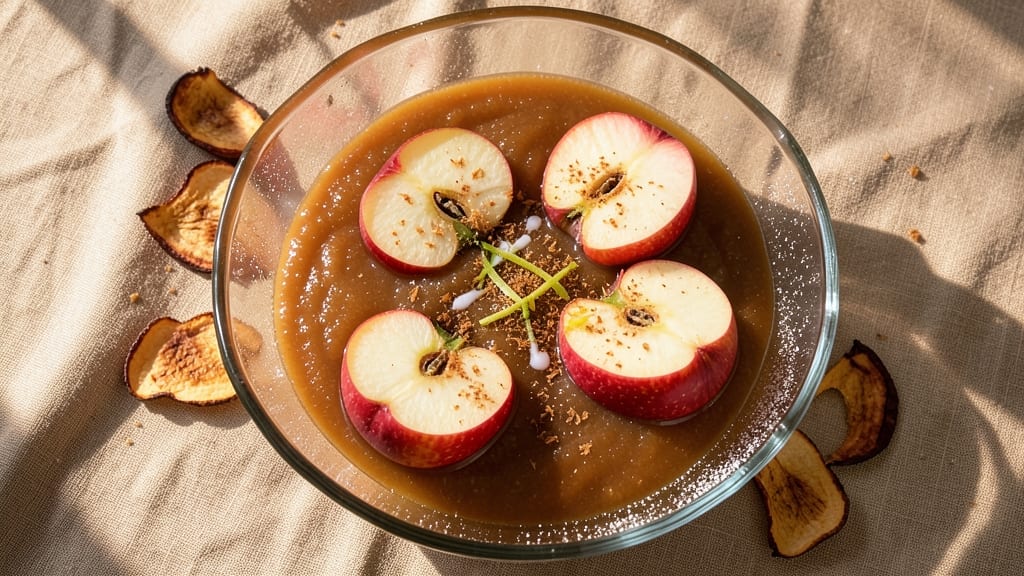
Honeycrisp apples transform ordinary applesauce into a luxuriously balanced dessert or side dish with their signature sweet-tart flavor. This recipe harnesses their crisp texture and natural sweetness to create a velvety sauce that requires just 15 minutes of active time—no peeling required for maximum efficiency.
The secret lies in controlling the cooking process to preserve their signature snap while developing depth through gentle simmering.
What sets this applesauce apart is the perfect harmony of Honeycrisp's inherent sweetness with just a touch of cinnamon and lemon zest, creating a profile that works equally well as a warm dessert, breakfast topping, or elegant side.
The recipe maintains a chunky texture—a far cry from the mushy versions you might find in stores—by avoiding overcooking. This method also allows for easy customization with optional ingredients like vanilla or a drizzle of honey for added richness.
By the time you're done, you'll have a batch of applesauce that's naturally sweetened, vibrantly flavored, and ready to elevate any meal. The process is straightforward: peel and slice the apples, cook them until tender, then mash to your preferred consistency.
The result is a versatile sauce that keeps well in the refrigerator for up to a week or can be frozen for longer storage.
Serve it warm with vanilla ice cream for a comforting dessert, spread it on toast for breakfast, or pair it with roasted meats for a sophisticated side dish.
This recipe proves that homemade applesauce can be both quick to prepare and exceptionally delicious, making it a perfect addition to your cooking repertoire.
Ingredients for applesauce recipe with honeycrisp apples
Honeycrisp apples shine in this velvety applesauce with just a few pantry staples.
| Ingredient | Amount | Notes |
|---|---|---|
| Honeycrisp Apples 🍎 | 4 medium | Peeled, cored, sliced thinly |
| Water 💧 | ½ cup | Or apple juice for flavor |
| Granulated Sugar 🍚 | ¼ cup | Adjust to taste, optional |
| Fresh Lemon Juice 🍋 | 1 tbsp | From 1 small lemon |
| Ground Cinnamon 🌿 | ½ tsp | For warmth, optional |
| Pure Vanilla Extract 🍯 | ½ tsp | For depth, optional |
| Honey 🍯 | 1 tbsp | For extra sweetness, optional |
| Salt 🧂 | ¼ tsp | Kosher or sea salt |
| Lemon Zest 🍋 | 1 tsp | Brightens the flavor |
Honeycrisp apples are the star here—their natural sweet-tart balance means you can skip added sugar if you prefer. Buy them fresh from a local orchard or Trader Joe's for peak flavor, and look for apples that yield slightly to gentle pressure but aren't mushy. The lemon juice and zest are non-negotiable—they cut through the sweetness and add that bright, professional touch. If you're using organic apples, no need to peel them, but conventional apples should be peeled to remove any wax residue. Slice them thinly and evenly for consistent cooking.
No Honeycrisp? Fuji or Pink Lady work beautifully as substitutes—they hold their shape well during cooking. Short on lemon juice? Lime juice at half the amount gives a similar tang. The cinnamon and vanilla are truly optional, but they take this from basic to restaurant-quality in seconds. For a smoother texture, blend the finished applesauce, but leave it chunky for that farm-fresh quality the intro promises. The honey can be swapped for maple syrup if you prefer a different depth of sweetness.
Applesauce keeps beautifully in the fridge for about 1 week in an airtight container, and freezes for up to 6 months. I like to portion it into small jars for easy grab-and-go breakfasts. The texture actually improves after a day or two in the fridge as the flavors meld. For serving, a light drizzle of honey or a sprinkle of cinnamon takes it to the next level—trust me, it makes all the difference when pairing with roasted meats or vanilla ice cream.
Why You'll Love This Recipe
- No Peel Required: I’ll admit, I used to dread peeling apples for sauce—until I realized Honeycrisp’s thin skin stays intact when simmered. Just core, chop, and toss in whole. The texture stays gorgeous, and the flavor? Even richer.
- Sweet-Tart Magic: That Honeycrisp crunch melts into something ridiculously good—juicy, not mushy—while the lemon juice cuts through the sugar just enough to make it feel special. A sprinkle of cinnamon ties it all together like a hug in a jar.
- Weeknight Sidekick: This sauce is my go-to for lazy dinners: dollop it on toast with peanut butter, stir it into oatmeal, or serve it warm with pork chops. It’s the kind of thing that makes you wonder why you ever bought store-bought.
- Pantry Goldmine: A big batch keeps for weeks in the fridge, and it’s cheaper than buying jars. Freeze half for when you’re too tired to cook—just reheat and pretend you’re fancy. Honestly, it’s the kind of recipe that pays you back.
Step-by-step instructions for perfect Honeycrisp applesauce
Here's how to transform Honeycrisp apples into velvety, perfectly balanced applesauce every time.
Prepare the Apples for Cooking
Start by peeling the 4 medium Honeycrisp apples using a vegetable peeler or sharp paring knife. I like to work over a bowl to catch any apple scraps - they're perfect for smoothies or baking. Cut each apple in half from stem to base, then remove the cores using a melon baller or small spoon. The key here is thin, even slices - about ¼-inch thick. This ensures even cooking and a smooth texture.
As you slice, I recommend giving the apples a quick rinse under cold water to remove any lingering starch. Pat them dry with a clean kitchen towel before proceeding. The drier the apples, the better they'll caramelize during cooking, enhancing that natural sweetness Honeycrisp apples are famous for. This prep work might seem tedious, but it makes all the difference in the final texture of your applesauce.
Simmer the Apples Until Tender
In a medium saucepan, combine the sliced apples with the 0.5 cup water. I use a heavy-bottomed pan for even heat distribution - it prevents hot spots that can scorch the apples. Bring the mixture to a gentle boil over medium-high heat, then immediately reduce to medium-low heat. Here's the thing - you want to maintain a steady simmer, not a rolling boil. Watch carefully for about 8-10 minutes until the apples are fork-tender but still hold their shape slightly.
The apples should be soft enough that a fork slides in easily, but not so mushy that they fall apart. You're aiming for that perfect balance between texture and flavor extraction. If you notice the apples aren't softening evenly, give them a gentle stir to prevent sticking. This is where Honeycrisp apples shine - their crisp texture breaks down beautifully while retaining just enough structure for a satisfying bite.
Season and Sweeten the Applesauce
Once the apples are tender, it's time to build that perfect sweet-tart balance. Add the 0.25 cup granulated sugar, 1 tablespoon fresh lemon juice, 0.5 teaspoon ground cinnamon, 0.5 teaspoon pure vanilla extract, 1 tablespoon honey, 0.25 teaspoon salt, and 1 teaspoon lemon zest to the pan. Stir everything together thoroughly - you want those spices and zest to infuse completely.
Here's where the magic happens: let the mixture simmer for another 5-7 minutes. This allows the flavors to meld and the sugar to dissolve completely. You'll notice the aroma becomes more complex - sweet apples with bright citrus notes and warm cinnamon undertones. Taste as you go and adjust the sweetness if needed. Remember, Honeycrisp apples are naturally sweet, so you might not need all the sugar, especially if you prefer a more tart profile.
Process Until Smooth and Cool
For a perfectly smooth applesauce, transfer the cooked apple mixture to a blender or food processor. I like to work in batches if needed - don't overfill the container. Blend on high speed until completely smooth, scraping down the sides as necessary. The result should be velvety with no visible texture. If you prefer some texture, you can stop blending when you reach your desired consistency.
Let the applesauce cool to room temperature before transferring to airtight containers. This cooling step is crucial - it allows the flavors to settle and the texture to set properly. For best results, refrigerate for at least 2 hours before serving. The applesauce will thicken slightly as it chills, creating that perfect spoonable consistency. Store any leftovers in the refrigerator for up to 5 days or freeze for up to 3 months.
Pro Tips For Making Applesauce Recipe With Honeycrisp Apples
- CUT APPLES IN EVEN SLICES: Honeycrisp apples hold their shape stubbornly—chop them into ¼-inch thick pieces instead of random chunks. Uneven sizes mean some parts turn to mush while others stay raw, and nobody wants that fight in their applesauce.
- USE LESS WATER THAN YOU THINK: Start with just ½ cup water for every 4 cups of apples, then add more if needed. Too much water dilutes the natural sweetness and makes the texture gloppy. Trust the apples to release moisture—you’re not making soup here.
- STIR ONLY WHEN NECESSARY: Let the apples cook undisturbed for the first 10 minutes. Stirring too soon just spreads raw apple everywhere, and you’ll end up with a patchy, uneven sauce. Wait until they’re soft before gently folding them—patience pays off.
- SAVE TIME WITH A SPLASH OF LEFTOVER CIDER: No fresh lemon juice? A tablespoon of unfiltered apple cider works in a pinch—it’s got that same bright acidity without the fuss. Just don’t overdo it, or your sauce will taste like a winery instead of an orchard.
Regional styles of these flavors
New England Style
In New England, applesauce often takes on a rustic, spiced character that pairs perfectly with fall harvests. Here, you'll find it sweetened with maple syrup instead of sugar, reflecting the region's love for local ingredients.
I recommend adding 1 tablespoon of maple syrup and ½ teaspoon of nutmeg for that classic New England touch. Serve it warm with whoopie pies or as a topping for apple crisp. The chunky texture is preferred here—it's all about celebrating the apple's natural texture. 🍁
Midwest Homestyle
The Midwest approach to applesauce leans into cinnamon-forward flavors and often includes a touch of apple pie spice. For a true Midwest experience, add 1 extra pinch of cinnamon (up to 1 teaspoon total) and a ¼ teaspoon of cloves to the recipe.
This version is commonly served with pork chops or sausage for a hearty meal. The Midwest also loves their applesauce smooth, so blend until silky. A splash of apple cider (instead of water) adds depth that locals adore. 🥧
Southern Comfort
Southern-style applesauce often gets a sweet and tangy twist, sometimes even incorporating peach or pear for extra richness. Try blending in ½ cup of peeled, cooked peaches with the apples for a fusion flavor that's popular in the South.
A drizzle of honey and a sprinkle of sea salt on top elevates it to dessert status. In the South, it's common to serve this as a breakfast spread with buttermilk biscuits or as a dessert sauce with vanilla ice cream.
The texture here is often semi-smooth, with just a few small chunks for contrast. 🍯
Pacific Northwest Twist
The Pacific Northwest loves to experiment with local berries in their applesauce, creating a vibrant, fruit-forward version. Add ½ cup of mashed raspberries or blackberries to the cooked apples for a burst of color and tartness. The region also favors less sugar—Honeycrisp apples' natural sweetness shines here.
A sprinkle of fresh mint at the end adds a refreshing twist that's perfect for summer. This version is often served chilled as a refreshing side with grilled salmon or as a topping for pancakes. 🌿
European Influence
European-style applesauce often includes dried fruits like raisins or cranberries for added complexity. For an Italian touch, stir in ¼ cup of dried cranberries and a pinch of orange zest—this version pairs beautifully with polenta or as a filling for strudel.
In Germany, applesauce is traditionally served with sausages and often includes applesauce powder (a mix of spices and dried apples) for extra depth. The texture here tends to be chunkier, celebrating the natural texture of the fruit. 🍷
Nutrition facts
Frequently asked questions
Why do you recommend Honeycrisp apples specifically?
Honeycrisp apples bring a perfect balance of sweetness and tartness that elevates homemade applesauce. Their crisp texture holds up beautifully during cooking while delivering a rich, complex flavor that store-bought versions can't match. The natural sweetness means you can reduce or eliminate added sugar while still achieving that perfect sweet-tart profile.
Can I make this applesauce without peeling the apples?
If using organic Honeycrisp apples, you can skip peeling for maximum efficiency. However, conventional apples should be peeled to remove wax and any potential pesticide residue. The skin adds fiber but can make the texture slightly grainier. For a smoother result, always peel.
How do I adjust the sweetness if my Honeycrisp apples are extra tart?
Start by tasting the cooked apples before adding sugar. Honeycrisp apples are naturally sweet, but if yours taste more tart, add sugar gradually—1 tablespoon at a time. For a natural sweetener boost, try 1 extra tablespoon of honey or maple syrup instead. The lemon juice helps balance tartness, so don't skip that!
What's the best way to store leftover applesauce?
Transfer cooled applesauce to an airtight container and refrigerate for up to 5 days. For longer storage, portion into freezer-safe containers and freeze for up to 3 months. The texture thickens when chilled, so give it a stir before reheating. To serve warm, microwave for 30-45 seconds or reheat gently on the stove.
Can I make this applesauce in a slow cooker?
Yes! Combine all ingredients in your slow cooker and cook on low for 3-4 hours or high for 1.5-2 hours, stirring occasionally. The slow cooking enhances the flavors but may make the texture slightly softer. For chunkier results, reduce cooking time slightly and check for doneness earlier.