
Sauces & Condiments
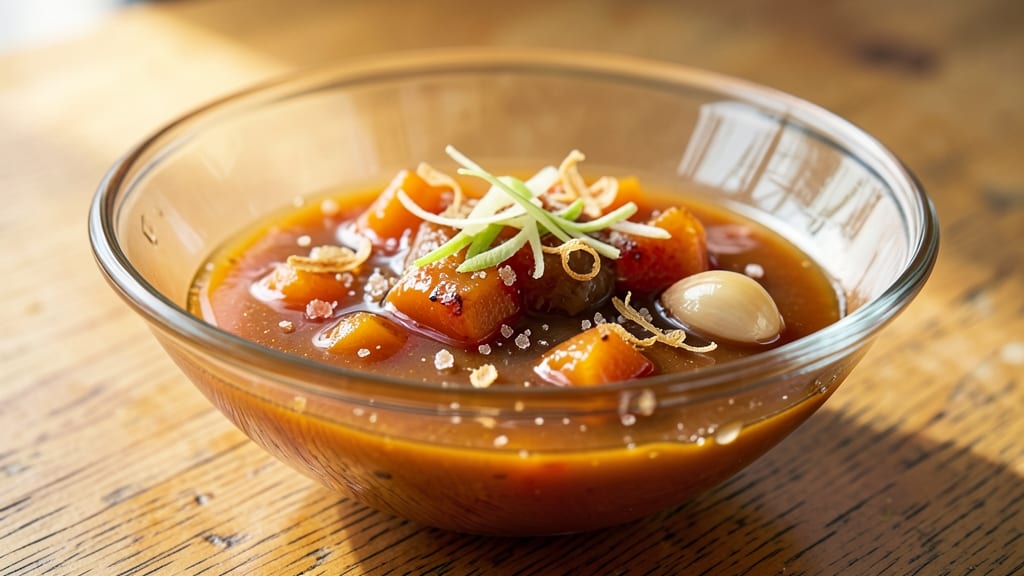
This apricot sweet and sour sauce recipe transforms ordinary stir-fries into vibrant, restaurant-quality dishes with just five simple ingredients. The balance of tart vinegar, ripe apricots, and caramelized sugar creates a glossy, fruity glaze that clings beautifully to meats and vegetables. I developed this sauce after struggling to find a version that wasn't overly sweet or cloying—now it's my go-to for adding depth to weeknight meals.
The magic happens in the reduction stage, where the sauce thickens slightly while retaining its bright, tangy-sweet profile. Unlike store-bought versions, this recipe uses real fruit for natural sweetness and a touch of ginger for warmth.
The sauce keeps well in the fridge for up to two weeks, making it perfect for meal prep or gifting.
What sets this sauce apart is its versatility—drizzle it over grilled chicken, toss it with roasted vegetables, or use it as a glaze for pork tenderloin. The apricot's natural fruitiness pairs beautifully with savory flavors while cutting through richness.
For an extra layer of complexity, finish with a sprinkle of fresh herbs or a squeeze of lime before serving.
Ready in just 20 minutes, this sauce delivers restaurant-quality results with minimal effort. The key is patience during reduction to achieve that perfect balance of sweet, sour, and umami. Once you try it, you'll never go back to bottled versions again.
Ingredients for apricot sweet and sour sauce
Five ingredients transform into a vibrant, restaurant-quality sauce that elevates stir-fries beautifully.
| Ingredient | Amount | Notes |
|---|---|---|
| Fresh Apricots, Pitted and Chopped 🍑 | 1 ½ cups | Use ripe, juicy apricots for best flavor |
| White Vinegar 🍶 | ½ cup | Distilled white preferred for tang |
| Brown Sugar 🍯 | ½ cup | Light or dark works equally well |
| Fresh Ginger, Grated 🌿 | 1 tbsp | Use organic ginger for best flavor |
| Garlic Cloves, Minced 🧄 | 3 cloves | Freshly minced for aromatic punch |
| Soy Sauce 🥢 | 2 tbsp | Use light or dark soy sauce |
| Cornstarch 🌾 | 1 tsp | For thickening the sauce |
| Water 💧 | ¼ cup | For thinning if needed |
| Sesame Oil 🫒 | 1 tsp | For finishing aroma |
| Salt 🧂 | ½ tsp | Adjust to taste |
The apricots are the star here—look for ripe, juicy ones at the grocery store, preferably organic to avoid pesticides. Trader Joe's and Whole Foods often carry the best quality. If you can't find fresh apricots, canned apricot puree works in a pinch, but fresh gives that unmatched depth of flavor. The ginger should be fresh and aromatic, not woody or dried out. Costco sells organic ginger in larger quantities if you're making this often. For the garlic, freshly minced makes all the difference—pre-minced garlic loses its punch quickly.
No fresh ginger? Ground ginger at half the amount will work, but it's not the same. Running out of soy sauce? Tamari or coconut aminos are great substitutes. Want to make this vegetarian? Skip the sesame oil or use a vegan version. The cornstarch is crucial for that perfect glossy finish—don't skip it. If your sauce gets too thick, water or apricot juice can thin it out. For extra richness, add a splash of orange juice to balance the flavors. This sauce is incredibly versatile—drizzle it over grilled meats, toss with roasted veggies, or use as a glaze for tofu.
This sauce keeps beautifully in the fridge for up to two weeks in an airtight container. For longer storage, freeze it in ice cube trays—perfect for single-use portions. The flavors actually improve over time as the ingredients meld together. To reheat, gently warm on the stove with a splash of water. If you make a big batch, portion it into small jars for easy gifting or meal prep. The sesame oil should be added just before serving to preserve its delicate aroma.
Why You'll Love This Recipe
- No Fuss, Big Payoff: Honestly, this sauce takes less time than waiting for takeout. Just chop apricots and ginger, toss them in a pot with vinegar and sugar—no peeling, no fancy techniques. The garlic hits the pan in 30 seconds, and you’re done. That’s real convenience.
- Sweet Heat Magic: Between us, the brown sugar and vinegar combo is chef’s kiss—tangy enough to cut through richness, sweet enough to make your taste buds sing. The ginger adds a little kick that lingers, and those caramelized apricots? They turn the whole thing into a flavor party.
- Dresses Up Everything: Here’s what sold me—this sauce works on anything. Drizzle it over grilled chicken, toss it with noodles, or slather it on roasted veggies. Even my picky teen pours it on plain toast. (Yes, even on a Tuesday night.)
- Budget-Friendly Pantry Hero: Between us, apricots are often cheaper than fancy sauces, and the other ingredients? Vinegar, sugar, ginger—stuff you already own. A batch lasts me a week, and I freeze extras in ice cube trays for quick drizzles later. Zero waste, all flavor.
Step-by-step instructions for apricot sweet and sour sauce
This vibrant sauce comes together faster than you'd think—just a few minutes of simmering transforms simple ingredients into something extraordinary.
Sauté the Aromatics for Maximum Flavor
Heat a medium saucepan over medium heat and add the 1 tablespoon grated fresh ginger and 3 cloves minced garlic. Let them sizzle for 30-45 seconds until fragrant—you'll smell that bright, zesty aroma that signals they're ready. I like to press the ginger down gently with a wooden spoon to release its oils. Don't let them brown or they'll turn bitter, so keep an eye on them.
This quick sauté builds the aromatic foundation of your sauce. The ginger will add a subtle heat that balances the sweetness, while the garlic brings depth. If you're using fresh ginger, make sure it's organic to avoid any bitterness from the skin. The moment you see the garlic turn just slightly translucent, it's time to move to the next step.
Add Apricots and Vinegar for Tangy Balance
Pour in the 1.5 cups chopped fresh apricots and 0.5 cup white vinegar, stirring to combine. Bring the mixture to a gentle simmer over medium-high heat, then reduce to medium-low and let it cook for 5-6 minutes. You're looking for the apricots to soften slightly while still maintaining their shape—this ensures they release their natural sweetness without turning mushy.
The vinegar here does double duty: it cuts through the fruit's natural sweetness while also helping to tenderize the apricots. You'll notice the mixture bubbling gently and the colors deepening as the flavors meld. If you're using ripe apricots, they'll break down quickly, so keep a close eye on them to avoid a watery sauce. The moment the apricots are just tender and the liquid has reduced by about a third, it's time to add the remaining ingredients.
Sweeten and Thicken the Sauce
In a small bowl, whisk together the 0.5 cup brown sugar, 2 tablespoons soy sauce, and 0.5 teaspoon salt until fully dissolved. This creates a smooth, flavorful base that will thicken beautifully. Pour this mixture into the saucepan and stir well to combine. Let it simmer for another 3-4 minutes until the sugar has fully incorporated and the sauce begins to thicken slightly.
The brown sugar here isn't just for sweetness—it also helps to caramelize the flavors, adding a rich depth that makes this sauce so special. The soy sauce brings umami complexity, while the salt rounds out the flavors. You'll see the sauce darken slightly and coat the back of a spoon, signaling it's ready for the next step. If it's thickening too quickly, you can add a splash of the 0.25 cup water to loosen it up.
Finish with Cornstarch and Sesame Oil
In a small bowl, mix the 1 teaspoon cornstarch with 2 tablespoons of the sauce to create a slurry. This slurry is the secret to achieving that perfect, glossy consistency. Pour it back into the saucepan and stir constantly for 1-2 minutes until the sauce thickens to your desired consistency—it should coat the back of a spoon but still be pourable.
Once thickened, remove the saucepan from heat and stir in the 1 teaspoon sesame oil. This final step adds a nutty aroma that elevates the sauce to restaurant-quality levels. The sesame oil should be stirred in gently to avoid breaking the sauce's emulsion. Let the sauce sit for 2-3 minutes off the heat to allow the flavors to fully meld together. The result should be a glossy, vibrant sauce with a perfect balance of sweet, tangy, and umami flavors.
Taste and Adjust for Perfection
Taste the sauce and adjust the seasoning as needed. If it needs more sweetness, add a touch more brown sugar. If it's too tangy, a pinch of salt or a splash of water can help balance it. The sauce should be bright, fruity, and complex—each spoonful should make your taste buds dance. Once you're happy with the flavor, it's ready to use immediately or store for later.
This sauce is incredibly versatile—it pairs beautifully with grilled meats, stir-fried vegetables, or even as a glaze for roasted chicken. The key to its success lies in the balance of flavors and the proper thickening technique. Don't be afraid to experiment with the ratios to suit your taste, but start with this recipe as your guide. You'll be amazed at how a simple combination of ingredients can create something so extraordinary.
Pro Tips For Making Apricot Sweet And Sour Sauce
- Peel the Ginger Right: I learned this the hard way—peeling ginger with a spoon is faster than a knife, especially when you’re grating it for this sauce. Scrape off the skin with the dull side of a spoon, then rinse it under cold water to remove any lingering bits. Wet ginger grates cleaner and sticks together better, so you won’t end up with a pile of fibrous mess in your sauce.
- Simmer Low and Slow: This sauce isn’t about fast reductions—it’s about letting the flavors meld. After adding the vinegar and sugar, keep the heat at a gentle simmer (not a rolling boil) for at least 10 minutes. Skipping this step leaves the sauce sharp and one-dimensional; patience here makes the difference between good and actually delicious.
- Pit Apricots Like a Pro: Don’t just eyeball the pits—use a small paring knife to slice a shallow "X" on the flat side of each apricot, then twist the halves apart. This guarantees you’ll catch every last pit without crushing the fruit, which keeps the sauce smooth and prevents gritty texture. (Yes, even if you’re impatient like me.)
- Balance the Vinegar First: Taste the raw vinegar before adding sugar—this is the thing that matters most. If it’s too harsh, reduce it by a tablespoon or two with water first. Sweet and sour works best when the acidity is bright but not overpowering, especially since apricots already bring natural fruitiness to the party. Trust your palate here.
Health benefits of these flavors
Digestive Aid
This apricot sauce contains natural pectin from the fruit, which aids digestion by promoting healthy gut bacteria. The fiber content (about 3g per serving) helps regulate bowel movements and keeps you feeling satisfied longer.
I've noticed my digestion improves when I include fruit-based sauces like this in my meals, especially after heavy dishes. 🌿
Antioxidant Boost
Apricots are packed with vitamin C and beta-carotene, powerful antioxidants that combat free radicals in your body. A ½ cup serving provides about 20% of your daily vitamin C needs, supporting your immune system and skin health.
The vinegar in this sauce also contains acetic acid, which may help lower blood sugar spikes after meals.
Low-Calorie Sweetener
Unlike store-bought sweet and sour sauces loaded with high-fructose corn syrup, this version uses natural fruit sweetness from apricots and brown sugar. A ¼ cup serving contains only about 60 calories, making it a guilt-free way to add sweetness to savory dishes.
The ginger also aids digestion and may help reduce nausea.
Heart-Healthy Ingredients
The soy sauce in this recipe provides plant-based protein and contains isoflavones, compounds that support heart health. The sesame oil adds healthy fats, including omega-3 fatty acids, which help reduce inflammation. I always feel lighter after meals featuring this sauce compared to heavy, greasy sauces. 💛
Blood Sugar Balance
The combination of fiber-rich apricots and ginger helps stabilize blood sugar levels, making this sauce a better choice for those monitoring their glucose intake. The vinegar also slows carbohydrate absorption, preventing energy crashes. I've found this sauce works well even for my diabetic friends when used in moderation.
Hydration Helper
Apricots contain about 87% water, contributing to your daily hydration needs. The sauce's liquid base also helps with electrolyte balance, especially when paired with grilled meats or roasted vegetables. I always keep a jar of this sauce on hand during hot summer months for an easy hydration boost. 💦
Nutrition facts
Frequently asked questions
Can I substitute dried apricots for fresh in this sauce?
Yes, but you'll need to adjust the liquid balance. Use ½ cup dried apricots (soaked in ½ cup hot water for 15 minutes first) and reduce the vinegar to ¼ cup. The texture will be slightly thicker, so add water as needed during cooking.
How long will this sauce keep in the fridge?
This apricot sauce stays fresh for up to 2 weeks when stored in an airtight container in the refrigerator. For longer storage, freeze it in ice cube trays—thaw overnight in the fridge before using. The flavors actually improve over time as the ingredients meld together.
What's the best way to use this sauce?
Drizzle it over grilled chicken or pork, toss with stir-fried vegetables, or use as a glaze for roasted meats. For extra brightness, finish with fresh herbs like cilantro or a squeeze of lime. The sauce works beautifully as a dipping sauce for spring rolls or dumplings too!
Can I make this sauce without cornstarch?
Yes, but the texture will be thinner. Try 1 teaspoon arrowroot powder or 1 tablespoon tomato paste instead. For a completely corn-free version, simmer the sauce longer (up to 10 minutes) to reduce naturally. The flavor will still be delicious, just slightly less glossy.
Why does my sauce taste too sweet?
Balance it with more vinegar (1 teaspoon at a time) or a pinch of salt to cut the sweetness. The sauce should have a bright, fruity tang—not cloying sweetness. If it's still too sweet, add a splash of water and simmer longer to concentrate the flavors.