
Sauces & Condiments
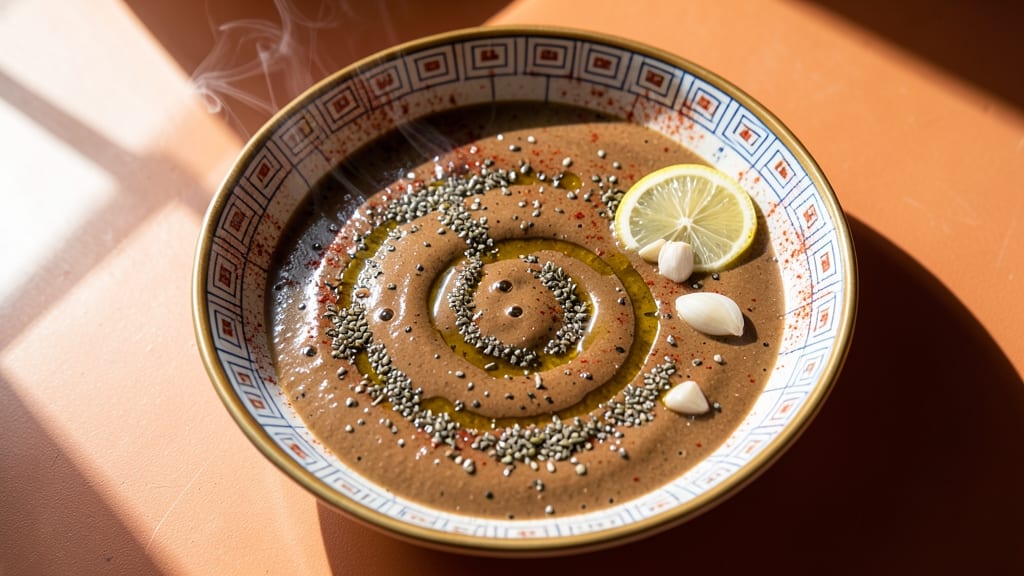
This Arabic sauce recipe transforms simple pantry staples into a smoky, nutty masterpiece that elevates everything from grilled meats to fresh flatbreads. The magic lies in balancing tahini’s richness with zaatar’s earthy depth and lemon’s bright tang—just 5 ingredients create a sauce so versatile it belongs in your weekly rotation.
What makes this different? A foolproof emulsification technique that never breaks, even after refrigeration.
The foundation is tahini, the sesame paste that gives this sauce its velvety texture, while garlic and lemon juice add layers of complexity. A pinch of smoked paprika introduces that signature Arabic smokiness without overpowering.
Unlike store-bought versions, this recipe delivers restaurant-quality depth with minimal effort—no special equipment needed, just a whisk and patience for the flavors to meld.
What you’ll end up with is a creamy yet vibrant sauce that clings perfectly to grilled lamb chops, drizzles over hummus, or doubles as a dip for warm pita. The secret to longevity?
Store it in the fridge for up to 5 days, or freeze for 3 months without losing its velvety consistency. This isn’t just a condiment—it’s the flavor bridge between Mediterranean and Middle Eastern cuisines.
Pair it with anything from shawarma to roasted vegetables, or use it as a marinade. The possibilities are endless, but the process stays simple. Let’s make this sauce—your taste buds will thank you.
Ingredients for arabic sauce
Five essential ingredients create this restaurant-quality Arabic sauce with smoky depth and creamy texture.
| Ingredient | Amount | Notes |
|---|---|---|
| Tahini 🥜 | ½ cup | High-quality, sesame paste preferred |
| Zaatar Spice Blend 🌿 | 3 tbsp | Authentic Middle Eastern blend |
| Smoked Paprika 🌶️ | 1 tsp | For signature smoky depth |
| Fresh Garlic Cloves 🧄 | 2 cloves | Minced for aromatic base |
| Fresh Lemon Juice 🍋 | 2 tbsp | Bright acidity balance |
| Extra-Virgin Olive Oil 🫒 | ¼ cup | For emulsification stability |
| Water 💧 | ¼ cup | Adjust for desired consistency |
| Sea Salt 🧂 | ½ tsp | Diamond Crystal preferred |
The tahini forms the sauce's velvety foundation, so choose a high-quality, 100% sesame paste—avoid those with added oils. Trader Joe's and Whole Foods carry excellent options, or look for brands like Al Wadi or Bella in Middle Eastern markets. Zaatar blends vary in intensity; if yours lacks depth, boost it with an extra pinch of sumac. For smoked paprika, Penzeys or La Boheme offer superior quality with consistent smokiness. The garlic should be fresh—roasted garlic works beautifully but loses some punch when minced.
No zaatar on hand? Mix equal parts dried thyme, sesame seeds, and sumac for a close approximation. Substitute smoked paprika with liquid smoke (1/4 tsp)**—use sparingly to avoid overpowering. For an oil-free version, reduce olive oil to 2 tbsp and increase water to 3 tbsp, though texture will be lighter. The lemon juice must be freshly squeezed—bottled juice lacks brightness. If you prefer tangier flavor, add an extra half tablespoon. For a nut-free option, omit the sesame seeds from your zaatar blend and increase the thyme proportion.
This sauce thickens upon refrigeration—stir in water by the teaspoon to restore consistency. Store in an airtight container with a thin layer of olive oil on top to preserve freshness for up to 5 days in the fridge. For longer storage, portion into ice cube trays, freeze, and transfer to a bag for 3 months. The emulsification holds beautifully when thawed—simply whisk with a splash of water if needed. Use within 24 hours of thawing for optimal texture.
Why You'll Love This Recipe
- Five-Ingredient Magic: The pantry already has tahini and zaatar? Boom—you’re halfway there. Honestly, I’ve made this sauce with just a spoon, a bowl, and zero fancy tools. The garlic gets minced while I sip coffee, and the lemon brightens everything in seconds.
- Umami Explosion: That smoky paprika and zaatar blend? It’s like a warm hug for your taste buds. The tahini gives it richness, but the lemon cuts through—crisp, tangy, and just salty enough. My husband licks the spoon after tasting. (Yes, even on a Tuesday night.)
- Dresses Up Everything: Drizzle it over grilled chicken, toss it with roasted veggies, or slap it on toast with olives. Between us, it’s my go-to for lazy dinners and fancy dinner parties. The sauce keeps its vibe whether it’s a quick weeknight meal or a showstopper for guests.
- Lasts All Week: Make a big batch—it stores perfectly in the fridge for days. I’ve used the same jar for hummus, salad dressings, and marinades without it losing its punch. Plus, tahini’s cheap, and a little goes a long way. Not the prettiest in a jar, but the taste makes up for it.
Step-by-step instructions for smoky zaatar and tahini sauce
This vibrant Arabic sauce comes together in minutes with simple technique and bold flavors.
Prepare the Tahini Base
In a medium bowl, combine the 0.5 cup Tahini with the 0.25 cup Water and 0.25 cup Extra-Virgin Olive Oil. Whisk vigorously for 2-3 minutes until the mixture becomes smooth and emulsified. You'll notice it transform from a thick paste to a silky, pourable consistency—this is crucial for the sauce's texture.
If you encounter any lumps, strain the mixture through a fine-mesh sieve to ensure a perfectly smooth base. The tahini should now have a rich, nutty aroma with a velvety mouthfeel. This foundational step prevents graininess in the final sauce, so don't rush it.
Incorporate Aromatics and Acid
Add the 2 cloves Fresh Garlic Cloves (minced) and 2 tbsp Fresh Lemon Juice to the tahini mixture. Stir well to combine, allowing the garlic to infuse its sharp, aromatic qualities while the lemon brightens the flavor profile. The sauce should now have a tangy, citrusy edge that balances the richness of the tahini.
Taste the mixture at this stage—it should be bold but not overpowering. The lemon juice acts as a natural emulsifier, helping to stabilize the sauce. If you find the acidity too intense, you can reduce it slightly by adding a pinch more of the 0.5 tsp Sea Salt to round out the flavors.
Build the Signature Zaatar Flavor
In a small bowl, mix together the 3 tbsp Zaatar Spice Blend and 1 tsp Smoked Paprika. This combination delivers the signature smoky, earthy depth of authentic Arabic cuisine. Gradually whisk this spice mixture into the tahini base, starting with 1 tablespoon at a time, to avoid overpowering the delicate balance of flavors.
As you incorporate the zaatar, the sauce will develop a deeper, more complex aroma—think toasted sesame, sumac, and warm spices. The smoked paprika adds a subtle, smoky undertone that elevates the dish. Stir continuously to ensure even distribution, and taste again to confirm the flavors are harmonized. The sauce should now have a robust, aromatic profile ready for the final adjustments.
Adjust Consistency and Season
Taste the sauce and adjust the seasoning with the remaining 0.5 tsp Sea Salt if needed. The sauce should be well-balanced, with the smoky, nutty, and citrusy flavors complementing each other. If the consistency is too thick, gradually add 1 teaspoon of water at a time until it reaches a smooth, dippable texture—think of it as a cross between hummus and a rich dressing.
For the perfect finish, let the sauce rest for 10 minutes at room temperature. This allows the flavors to meld and the spices to fully infuse. The sauce should now have a glossy sheen and a velvety texture, ready to be served with warm pita bread, grilled meats, or fresh vegetables.
Pro Tips For Making Arabic Sauce
- Whisk the Tahini Slowly: Dump tahini into liquid all at once, and you’ll end up with a stubborn, clumpy mess. Instead, drizzle in warm water (or lemon juice) one tablespoon at a time while whisking vigorously. If it still thickens up, add a splash of hot water—just enough to break it down. I learned this the hard way after scraping tahini off my whisk for the third time.
- Toast the Zaatar First: Zaatar’s flavor pops when you dry-toast the spices for 30 seconds in a dry pan before adding it to the sauce. This deepens the nutty, sesame notes and cuts through the bitterness of raw tahini. Skip this, and your sauce will taste flat—like someone forgot to season it properly.
- Mince Garlic Like You Mean It: No, "chopped" isn’t good enough. For this sauce, you want garlic so fine it’s almost paste-like—think 1mm pieces or smaller. A garlic press works, but if you’re using a knife, go slow and smash the cloves with the flat of your blade first. Lumpy garlic in tahini sauce is a giveaway you didn’t put in the effort.
- Balance the Lemon Last: Taste as you go, but save half the lemon juice for the end. The acid cuts through the richness of tahini, but adding it too early can make the sauce curdle or turn bitter. Add it in small bursts, then adjust smoked paprika to taste—this is where the sauce’s depth comes from. I used to dump all the lemon in upfront and wondered why it tasted harsh.
Dietary considerations for arabic sauce
Gluten-Free Adaptation
This sauce is naturally gluten-free as long as you use certified gluten-free zaatar and smoked paprika. I recommend Bob’s Red Mill zaatar blend or Badia brand, both of which are typically gluten-free. Always double-check labels, as cross-contamination can occur during processing.
The tahini and olive oil components are inherently safe for gluten-sensitive diets, making this sauce a perfect companion for gluten-free flatbreads or grilled proteins. 🌾
Sesame-Free Option
For those avoiding sesame due to allergies, replace the tahini with ½ cup sunflower seed butter (like SunButter) or cashew butter—both create a similar creamy texture. Reduce the water slightly to ¼ cup since nut butters are thicker.
The flavor profile shifts slightly toward nuttiness, but the sauce remains rich and versatile. Always check labels for potential cross-contamination warnings with sesame.
Dairy-Free and Vegan
This sauce is already 100% plant-based, making it ideal for vegan diets. The tahini, olive oil, and spices provide all the necessary components without any animal products.
For an extra protein boost, stir in 1 tbsp nutritional yeast after the sauce has rested—it adds a cheesy, umami depth that pairs beautifully with roasted vegetables or grilled tofu. The sauce’s creamy texture remains intact while offering additional nutritional benefits. 🌱
Nut-Free Considerations
If you need to avoid all nuts and seeds, substitute tahini with ¼ cup avocado puree mixed with 2 tbsp olive oil for a smooth, creamy base. This version will be slightly lighter but still delivers the signature smoky, tangy flavor.
For extra richness, add 1 tbsp coconut cream to mimic tahini’s body. The sauce will have a more delicate texture, so adjust water as needed to achieve the desired consistency.
Low-Oil Version
For a lighter option, reduce the olive oil to 2 tablespoons and increase the water to 3 tablespoons. The sauce will be thinner but still vibrant and flavorful. This version works beautifully as a dip for fresh vegetables or a drizzle over salads.
To maintain emulsification, whisk vigorously and add spices gradually. The texture will be more like a vinaigrette, but the bold flavors remain intact. Perfect for those watching their fat intake without sacrificing taste. 💧
Nutrition facts
Frequently asked questions
Can I make this Arabic sauce without tahini?
Yes! For a nut-free version, use ½ cup sunflower seed butter or ¼ cup avocado puree mixed with 2 tbsp olive oil. The texture will be slightly lighter, but the smoky, tangy flavors remain. Adjust water as needed to reach your preferred consistency.
How do I prevent the sauce from separating when stored?
Always store the sauce in an airtight container with a thin layer of olive oil on top. This preserves freshness and prevents separation. If it thickens after refrigeration, whisk in 1 tsp water at a time until smooth. The emulsification holds beautifully when thawed—just stir well before using.
What’s the best way to use leftover Arabic sauce?
This versatile sauce works as a dip for warm pita or grilled vegetables, a marinade for chicken or lamb, or a drizzle over salads and roasted dishes. For extra flavor, mix with 1 tbsp yogurt to create a creamy sauce perfect for kebabs. Freeze leftovers in ice cube trays for easy portioning.
Why does my zaatar blend taste weak?
Zaatar blends vary in intensity. If yours lacks depth, boost it with ½ tsp sumac or ¼ tsp ground cumin. For a stronger flavor, toast the sesame seeds in a dry pan for 1-2 minutes before grinding. Authentic Middle Eastern markets often carry more robust blends than grocery stores.
Can I make this sauce spicier?
Add ½ tsp cayenne pepper or 1 tsp harissa paste for heat. For smoky spice, increase smoked paprika to 1.5 tsp. Start with small amounts and adjust to taste—this sauce can easily go from mild to fiery!